Research Articles
Spatial Operators in Landscape Ecology: A Guide to Concepts, Methods, and Applications for Researchers
This article provides a comprehensive exploration of spatial operators in landscape ecology, serving as a critical resource for researchers and scientists.
Assessing Accuracy in Machine Learning Behavior Classification: Methods, Challenges, and Applications in Biomedical Research
This article provides a comprehensive framework for assessing the accuracy of machine learning (ML) models in behavioral classification, with a specific focus on applications in drug development and clinical research.
Cross-Validation of Behavior Classification Across Species: Enhancing Robustness in Preclinical Research and Drug Development
Robust behavior classification is fundamental to translational research, yet methods validated in one species often fail to generalize, creating a significant bottleneck in drug discovery.
Validating Accelerometer-Derived Energy Expenditure: A Comprehensive Guide for Biomedical Research and Clinical Applications
This article provides a comprehensive framework for validating accelerometer-derived physical activity energy expenditure (PAEE) estimates, a critical capability for biomedical research and clinical trials.
Beyond the Data: How Tag Placement Influences Dynamic Body Acceleration Metrics in Biomedical Research
This article provides a comprehensive analysis for researchers and drug development professionals on the critical, yet often overlooked, impact of biologger tag placement on the accuracy and interpretation of Dynamic...
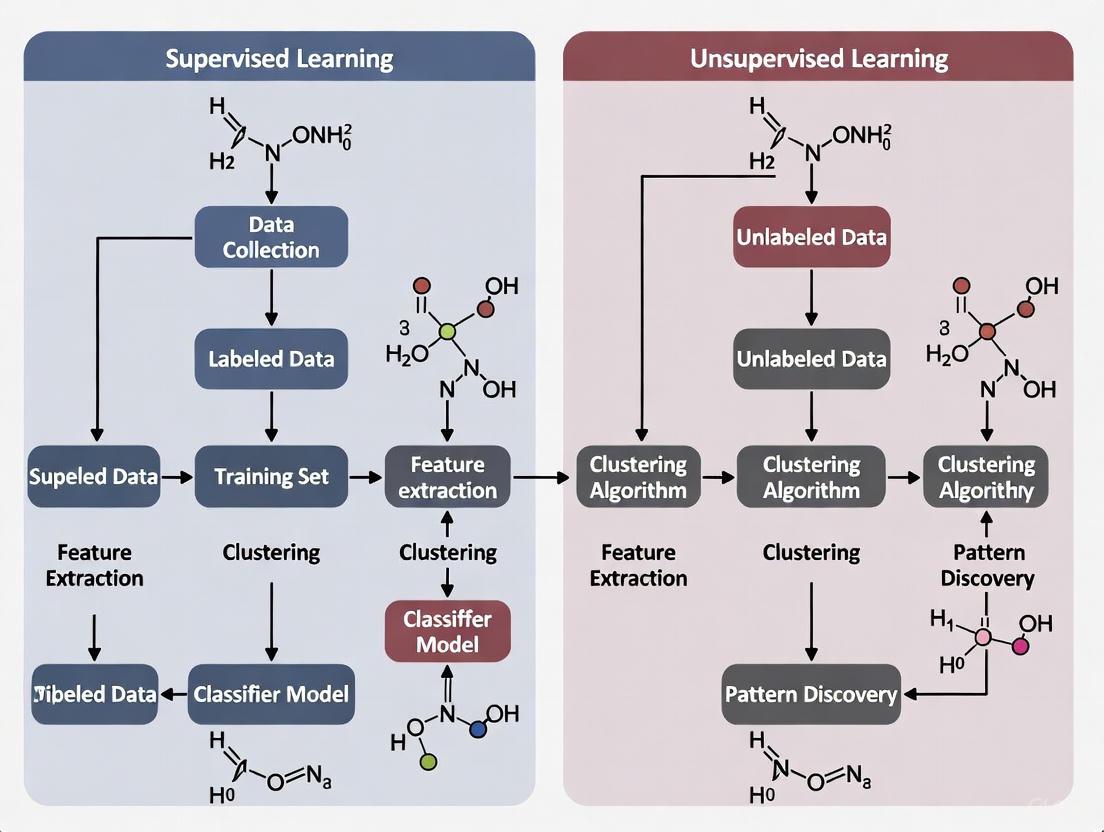
Supervised vs. Unsupervised Learning for Accelerometer Data: A Practical Guide for Biomedical Behavior Classification
This article provides a comprehensive comparison of supervised and unsupervised machine learning approaches for classifying behavior from accelerometer data, tailored for researchers and professionals in drug development and biomedical science.

Accelerometer vs. GPS for Animal Behavior Classification: A Comprehensive Guide for Biomedical Research
This article provides a systematic comparison of accelerometer and GPS technologies for classifying animal behavior, a critical tool for biomedical and pharmacological research.
Capturing the Blink of an Eye: A Researcher's Guide to Accelerometer Sampling for Short-Burst Animal Behaviors
Accurately capturing short-burst, high-frequency animal behaviors—such as prey catching, swallowing, or escape maneuvers—with accelerometers presents unique methodological challenges.

Optimizing Battery Life for GPS-Accelerometer Tags: A Researcher's Guide to Extended Deployment and Reliable Data
This article provides a comprehensive guide for researchers and scientists on maximizing the operational lifespan of GPS-accelerometer biologging tags.
Preventing Data Aliasing in Animal Studies: A Researcher's Guide to Accurate Accelerometer Use in Preclinical and Drug Development
This article provides a comprehensive guide for researchers and drug development professionals on addressing the critical challenge of accelerometer data aliasing in animal studies.