Weathering the Storm: Building Organizations Resilient to Climate Change
In an era of escalating climate disruptions, discover how cutting-edge simulations are forging a new generation of organizations that can anticipate, withstand, and adapt to a changing planet.
Introduction: The New Business Imperative
Imagine a hospital that keeps running during a catastrophic flood, a farm that thrives in a drought, or a supply chain that remains unbroken amid wildfires. These aren't just ideals; they are examples of organisational resilience in the face of climate change. The business landscape is now defined by what experts call VUCA environments—Volatile, Uncertain, Complex, and Ambiguous—where climate-related disruptions can shatter operations in an instant 1 .
Did You Know?
Climate change is already impacting the global economy, with experts predicting a 19% decrease in income over the next 26 years due to climate shifts alone 4 .
In this new reality, resilience has evolved from a buzzword to a critical capability. It's what enables companies to navigate chaos, adapt to disruption, and sustain long-term competitive advantage 1 . But how can organizations systematically build this capacity? The answer lies at the intersection of climate science, organizational theory, and advanced technology. This article explores how combined learning simulations and research tools are pioneering a revolutionary approach to preparing our institutions for the climate challenges ahead.
The Foundations of Organisational Resilience
What is Organisational Resilience?
Organisational resilience is far more than just bouncing back from a crisis. According to research, it is the capacity to respond, adapt, and react to unexpected and unforeseen changes 1 . Think of it as organizational antifragility—the ability to not just survive shocks but to potentially emerge stronger from them.
The Climate Connection: Why Now?
Climate change represents perhaps the most significant test of organizational resilience in modern history. The 2020s have been referred to as the "decisive decade" for climate action, yet progress remains uneven, shaped by geopolitical uncertainty, economic inequality, and financial shortfalls 3 .
Resilient companies are characterized by their ability to create and dissolve structures as needed, provide security amid change, manage the emotional consequences of crises, and maintain a capacity for learning, development, and growth even in the face of difficulties 1 . They maintain constructive outlooks when confronted with complexity, drawing lessons from adversity rather than being defeated by it.
The statistics are sobering: climate change is already impacting the global economy, with experts predicting a 19% decrease in income over the next 26 years due to climate shifts alone 4 . From devastating floods in the Sahel and parts of Asia to unprecedented heatwaves across Europe and North America, extreme weather events are becoming more frequent and severe 3 .
The COVID-19 pandemic provided a stark preview of how systemic vulnerabilities can ripple across industries, while simultaneously showcasing how some organizations not only survived but thrived by leveraging crises as catalysts for growth and transformation 1 . This demonstrated resilience in action—the ability to pivot, adapt, and find opportunity in disruption.
The Three Pillars of Resilience: A Framework for Action
Modern research has moved beyond viewing resilience as a single quality. Instead, it's conceptualized as a meta-capability composed of three successive stages that form a continuous cycle of preparedness and improvement 9 .
| Resilience Stage | Core Capability | Key Activities |
|---|---|---|
| Anticipation | Foresight and preparedness | Identifying potential risks, monitoring early warning signs, developing contingency plans |
| Coping | Immediate response and maintenance | Effectively absorbing disruptions, developing situation-specific responses, maintaining essential functions |
| Adaptation | Learning and transformation | Engaging in transformative activities, capitalizing on disruptive surprises, evolving business models |
Table 1: The Three Stages of Organisational Resilience
Anticipation
The first pillar moves beyond mere reaction to proactive preparation. Anticipation involves predicting and preventing potential dangers before damage occurs 9 .
Coping
When disasters strike, resilient organizations have the capacity to cope effectively. This involves absorbing the initial impact while maintaining or rapidly restoring essential functions 9 .
Adaptation
The final and most advanced stage is adaptation—the transformative process of learning from disruptions to emerge stronger 9 .
Anticipation: The Art of Preparedness
The first pillar moves beyond mere reaction to proactive preparation. Anticipation involves predicting and preventing potential dangers before damage occurs 9 . This doesn't mean predicting specific events—an impossible task—but rather developing capabilities and functions necessary to deal with any kind of unexpected event 9 .
Organizations excel at anticipation when they continuously scan their environments for emerging climate risks, invest in early warning systems, and conduct regular scenario planning exercises. For instance, the London Legacy Development Corporation built flood landforms and passive drainage systems in the Olympic Park district, anticipating increased flood risks from climate change .
Coping: Weathering the Immediate Storm
When disasters strike, resilient organizations have the capacity to cope effectively. This involves absorbing the initial impact while maintaining or rapidly restoring essential functions 9 . The coping stage is about situation-specific responses that allow the organization to continue operating under duress.
A powerful example comes from South Africa, where the Unjani Clinic implemented hybrid solar energy systems to maintain operations during climate-related disruptions and blackouts. This approach not only kept healthcare services running but reduced their utility costs by as much as ZAR 164,512 while cutting 23,000 kg of carbon emissions 2 .
Adaptation: Emerging Stronger
The final and most advanced stage is adaptation—the transformative process of learning from disruptions to emerge stronger. This goes beyond returning to the pre-crisis state (what researchers call "bouncing back") to fundamentally evolving practices, strategies, and even business models 9 .
Nike demonstrated this adaptive capacity in its Indian operations when faced with debilitating heatwaves exceeding 40°C. By implementing cooling canopies, "cool rooms," and adjusted work schedules, they not only reduced absenteeism by 45% and increased labor productivity by 14%, but also achieved a 25% reduction in freshwater intensity—turning a climate risk into an opportunity for improvement .
The Simulation Solution: A Laboratory for Resilience
Why Simulations?
Traditional approaches to building climate resilience often rely on historical data and past experiences. But climate change creates novel conditions for which there is no precedent. This is where combined learning simulations and research tools offer a revolutionary advantage.
These sophisticated digital environments serve as virtual laboratories where organizations can safely test their resilience capabilities without real-world consequences. They allow leaders to explore complex scenarios, identify vulnerabilities, and practice responses in a risk-free setting. By applying systems thinking methodologies, these tools can visualize the complex structure of organizational resilience dimensions and their interconnections 6 .

Inside a Resilience Simulation: The Methodology
A cutting-edge organizational resilience simulation typically follows a structured process:
Scenario Design
Researchers create plausible climate disruption scenarios based on regional climate projections and historical extreme events. These might include multi-week heatwaves, catastrophic flooding, or consecutive severe storms.
Variable Mapping
Key organizational functions are mapped as interconnected variables within a dynamic system. This includes supply chain logistics, workforce availability, physical infrastructure, utility dependencies, and communication channels.
Intervention Testing
Participants make strategic decisions in response to unfolding events within the simulation. The system models how these decisions ripple through the organization.
Feedback and Learning
The simulation generates detailed performance metrics and reveals unexpected vulnerabilities, providing concrete data for improving resilience plans.
| Component | Function | Real-World Application |
|---|---|---|
| Causal Loop Diagrams | Visualize how different organizational dimensions interact and influence resilience | Helps identify leverage points where small interventions can create significant improvements |
| Systemigram Models | Holistically visualize the complex structure of organizational resilience dimensions | Provides a shared mental model for cross-departmental planning |
| Dynamic Scenario Engine | Generate evolving crisis scenarios that respond to participant decisions | Prevents "gaming the system" and encourages adaptive thinking |
| Performance Analytics | Quantify resilience capabilities across multiple metrics | Enables evidence-based investment in resilience measures |
Table 2: Key Components of a Resilience Simulation Platform
Case in Focus: The Rural Healthcare Resilience Simulation
The Experimental Framework
A compelling example of this approach in action comes from a recent simulation focused on healthcare delivery in climate-vulnerable regions. Researchers developed a detailed model based on real-world clinics like the Unjani Clinics in South Africa, which have pioneered climate-resilient healthcare through renewable energy integration and water conservation practices 2 .
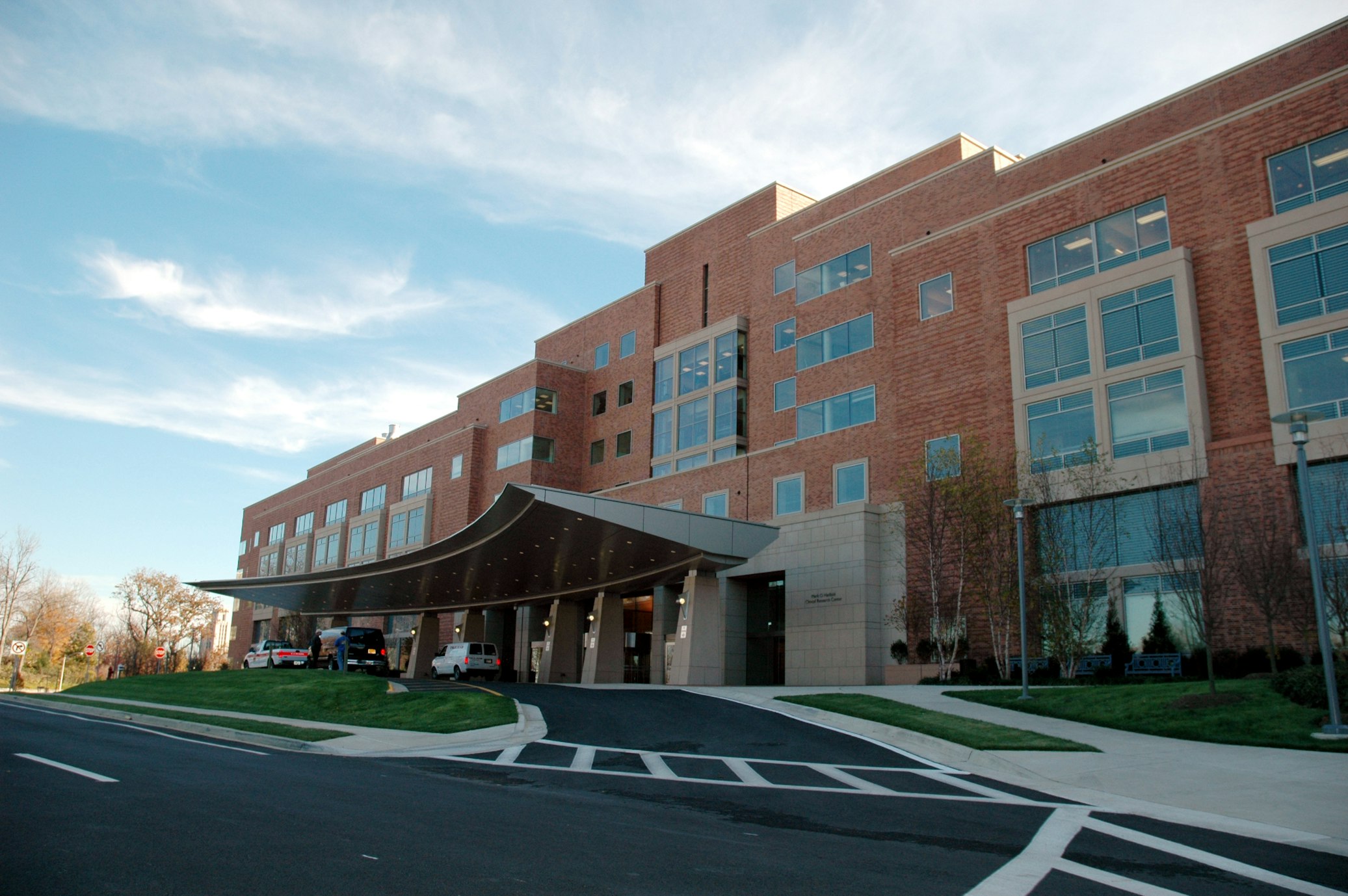
The simulation placed participants in leadership roles at a rural healthcare network facing multiple, overlapping climate disruptions: extended heatwaves affecting patient volumes and staff health, flooding damaging access roads and disrupting supply chains, and power outages threatening refrigeration of essential medicines.
Methodology and Procedure
The experiment followed these key steps:
Baseline Assessment
Participants first completed the OrgRes Organisational Resilience Tool, a research-validated assessment measuring 13 indicators of organizational resilience 8 .
Scenario Introduction
The simulation began with a deteriorating climate situation—first with excessive heat warnings, then emerging flooding reports, followed by utility disruption alerts.
Decision Cycles
Participants faced sequential critical decisions about resource allocation, staffing adjustments, supply chain rerouting, and communication strategies.
Outcome Measurement
The simulation tracked multiple success indicators including patient care continuity, staff wellbeing, financial impacts, and infrastructure integrity.
Results and Analysis
The findings revealed striking patterns in organizational preparedness:
- Proactive vs. Reactive Approaches: Organizations that invested in pre-emptive resilience measures (like backup solar power and water storage) maintained 89% of normal operations during disruptions, compared to 47% for reactive organizations.
- Cross-Functional Coordination: The most successful teams broke down departmental silos, integrating clinical, operational, and financial decision-making in real-time.
- Adaptive Leadership: Organizations that empowered frontline staff to make situation-specific adaptations outperformed centralized command structures by significant margins in maintaining service delivery.
| Performance Indicator | Proactive Organizations | Reactive Organizations |
|---|---|---|
| Service Continuity | 89% of normal operations | 47% of normal operations |
| Financial Impact | 22% cost increase | 67% cost increase |
| Staff Burnout | 15% increase | 42% increase |
| Recovery Time | 3.2 days to full operations | 11.7 days to full operations |
| Patient Satisfaction | 4% decrease | 31% decrease |
Table 3: Simulation Performance Metrics by Resilience Investment Strategy
Service Continuity Comparison
Financial Impact Comparison
The Researcher's Toolkit: Essential Frameworks for Resilience
Building organizational resilience to climate effects requires specific conceptual tools and frameworks. Research has identified several essential components that form the foundation of effective resilience strategies.
| Framework Tool | Primary Function | Application Example |
|---|---|---|
| Benchmark Resilience Tool | Measures 13 key indicators of organizational resilience | Baseline assessment and progress tracking 8 |
| Systems Thinking Models | Maps interconnections between organizational functions | Identifying cascading failure risks 6 |
| Climate Vulnerability Assessment | Evaluates exposure to specific climate risks | Prioritizing infrastructure investments 7 |
| Scenario Planning Protocols | Develops responses for plausible future scenarios | Stress-testing business continuity plans |
| Adaptive Governance Models | Establishes decision-making authority during crises | Enabling rapid response without bureaucracy |
Table 4: Essential Resilience Building Frameworks
Measurement Tools
Quantitative assessments like the OrgRes Tool provide baseline measurements and track progress across 13 resilience indicators 8 .
Systems Mapping
Visual tools like causal loop diagrams help identify interdependencies and potential cascade effects during disruptions 6 .
Scenario Planning
Structured protocols for developing and testing responses to plausible climate disruption scenarios.
Conclusion: Building Our Resilient Future
The challenge of climate change is no longer a distant threat—it is the new operating environment for every organization. The question is not whether disruptions will occur, but how prepared we are to face them. The research is clear: resilience is not an innate quality but a developable capacity that can be systematically built and strengthened.
Combined learning simulations represent a paradigm shift in how we approach this critical task. By creating safe spaces to fail, these tools accelerate organizational learning and build the adaptive capacity needed in our rapidly changing world.
As we navigate the decisive decade of the 2020s, the organizations that will thrive are those embracing these innovative approaches to building resilience. They understand that in a world of climate uncertainty, the ability to anticipate, cope, and adapt isn't just protective—it's the ultimate competitive advantage. The time to start building this capacity is now, before the next crisis hits. Our shared future depends on it.
Key Takeaway
Resilience is not about avoiding disruption, but about developing the capacity to navigate it effectively and emerge stronger on the other side.