The Criminal Mind: Unraveling Why We Break the Rules
From Ancient Demons to Modern Neuroscience
We've all wondered it. What drives a person to commit a crime? Today, the science of criminology has moved beyond myth and morality into a rigorous field where biology, psychology, and sociology collide.
This isn't just an academic exercise; understanding the roots of crime is the first step toward preventing it, creating a safer society for everyone. Join us on a journey from the foundational theories to the groundbreaking experiments that are reshaping our understanding of the criminal mind.
The Battle of Theories: Nature vs. Nurture in Crime
The quest to understand criminal behavior has spawned several major schools of thought. They often fall into a classic debate: is crime a product of our biology or our environment?
The Biological Blueprint
Early theorists like Cesare Lombroso argued that criminals were "born criminals." Modern science confirms biological influences:
- Genetics: Heritable component to antisocial behavior
- Neurobiology: Reduced prefrontal cortex activity
- Biochemistry: Neurotransmitter imbalances
The Sociological Landscape
This perspective argues that crime is a product of environment and social structures:
- Social Strain Theory: Crime results from inability to achieve goals through legitimate means
- Social Learning Theory: Criminal behavior is learned through association
The Rational Choice
This classical theory views criminals as rational actors who weigh potential benefits against risks of punishment.
This theory is the foundation of many criminal justice policies focused on deterrence.
The Criminal Brain: Key Areas Affected
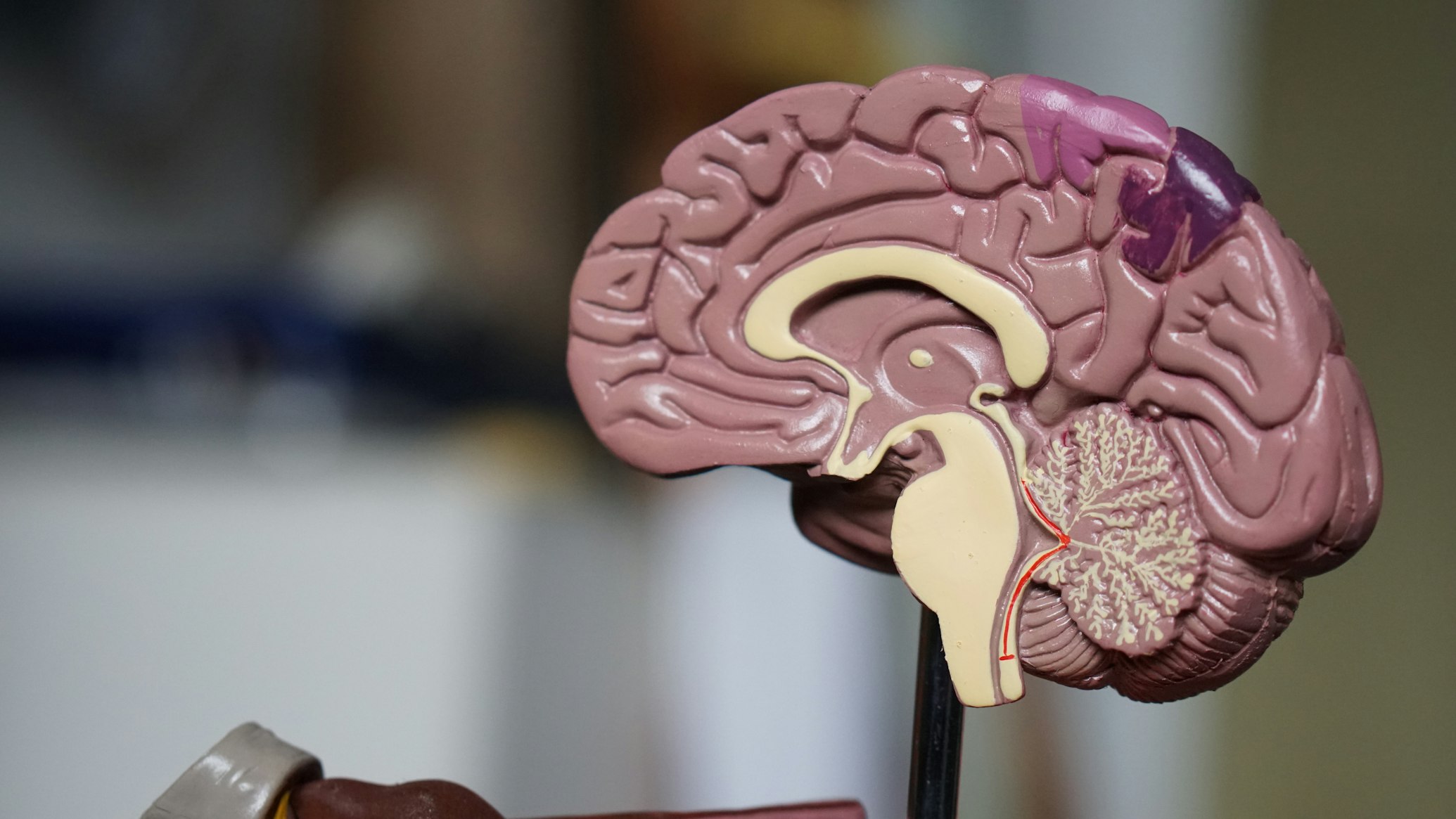
Prefrontal Cortex
The brain's "brake pedal" - often shows reduced activity in criminals
The Philadelphia Birth Cohort Study: A Landmark in Crime Science
While lab experiments are valuable, some of the most profound insights come from long-term, real-world observation. The Philadelphia Birth Cohort Study is one of the most ambitious and illuminating projects in criminological history.
Key Insight
The study revealed that just 6% of the cohort was responsible for over 50% of all offenses and about two-thirds of all violent crimes.
The Methodology: Tracking Lives
Cohort Selection
Researchers identified every individual born in Philadelphia in 1945 - a total of 9,945 boys.
Data Collection
They meticulously gathered data from official records: birth, school, police, and court files, following these individuals until they were 18 years old in 1963.
Analysis
The researchers analyzed this vast dataset to uncover patterns linking early life experiences to delinquent and criminal behavior later in life.
Results and Analysis: The Power of a Few
Distribution of Offenses in the Philadelphia Cohort
Risk Factors for Chronic Offending
| Risk Factor Category | Specific Examples |
|---|---|
| Individual | Low IQ, early aggression, impulsivity |
| Family | Parental criminality, poor supervision, child abuse/neglect |
| School | Academic failure, truancy, weak attachment to school |
| Peer Group | Association with delinquent peers |
"This finding demonstrated that crime is not evenly distributed throughout the population. It suggested that focusing intervention and resources on this small, high-risk group could have a disproportionate impact on reducing overall crime rates."
The Modern Scientist's Toolkit: Cracking the Crime Code
Modern criminologists don't just use notepads and surveys. Their toolkit is a sophisticated blend of technology and methodology.
Maps crime data to identify "hotspots," helping to understand the environmental context of crime.
Scans the brains of individuals to identify structural and functional differences in areas related to empathy and impulse control.
Follows a group of individuals over a long period to identify life-course patterns of criminal behavior.
A standardized assessment tool used to measure the personality construct of psychopathy, a strong predictor of violent recidivism.
Research Tool Applications in Criminology
Biological Analysis
Genetic & neuroimaging studiesSocial Analysis
Cohort & survey studiesSpatial Analysis
GIS & crime mappingExperimental
Randomized controlled trialsConclusion: From Understanding to Prevention
The journey from seeing crime as a simple moral failure to understanding it as a complex interplay of genes, brain wiring, and social forces is one of science's great detective stories. The Philadelphia study taught us that a small group of chronic offenders drive a large share of crime, while modern neuroscience reveals the tangible biological underpinnings of impulsive and antisocial behavior.
Early Intervention
Identifying at-risk children and providing support long before they enter the justice system.
Focused Deterrence
Directing resources toward the small percentage of high-rate offenders, as suggested by the 6% rule.
Rehabilitation Programs
Using tools like cognitive behavioral therapy to rewire the brain's pathways for better impulse control.
The science is clear: crime is less a monstrous anomaly and more a human problem—and one that, through continued research and compassion, we can learn to solve.