Sunlight Recipes: Cooking Up the Perfect Super-Algae
For a hungry planet, scientists are turning tiny, power-packed algae into sustainable superfoods. The secret ingredient? Light.
In the quest for sustainable nutrition, all eyes are turning to the smallest of life forms: microalgae. These microscopic, aquatic plants are nutritional powerhouses, but one species, Tisochrysis lutea (affectionately known as TISO), is a real superstar. TISO is exceptionally rich in essential fatty acids like EPA and DHA—the same "good fats" found in fish oil that are crucial for our brain and heart health.
Fish don't produce these fats themselves; they accumulate them by eating microalgae. So, what if we could cut out the middle-fish and farm the algae directly?
The challenge is to do it efficiently. Scientists have discovered that the key to turbocharging TISO's growth and nutritional value isn't a complex chemical—it's light. This article explores how researchers are acting as master chefs, using different "light recipes" to optimise the production of this green gold.
The Algae's Solar-Powered Kitchen
Think of a microalgae cell as a tiny, solar-powered factory. Its primary machinery is a set of pigments, mainly chlorophyll, that capture light energy.
-
1
Photosynthesis
This captured light energy fuels photosynthesis, the process of converting water and carbon dioxide (CO₂) into sugars (for growth) and new biomass.
-
2
The Light Dilemma
Light is both the engine and a potential bottleneck. Too little light, and the factory slows down. But too much light can "overload" the system, causing damage and forcing the cell to waste energy on repairs instead of growth.
-
3
Beyond Growth
Under specific types of stress—like the right kind of light stress—algae don't just grow; they shift their metabolism to produce valuable compounds, such as those prized essential fatty acids. It's a survival strategy that we can harness.

Microalgae cells - nature's tiny solar-powered factories
The Grand Experiment: A Light Festival for Algae
To find the perfect "light recipe," researchers designed a meticulous experiment, growing TISO algae under carefully controlled conditions to test how different light regimes affect their growth and fat content.
Methodology: A Step-by-Step Guide
The scientists followed a clear, replicable process:
The Starter Culture
A small, healthy population of TISO algae was grown to a standard density.
The Photobioreactors
This starter culture was then transferred into multiple sterile glass vessels containing a nutrient-rich seawater medium. These vessels, called photobioreactors, allow perfect control over the environment.
The Light Treatments
The reactors were placed in chambers and exposed to different light regimes for the entire growth cycle. The key variables tested were:
- Light Intensity: How bright the light is (measured in micromoles of photons per square meter per second, μmol/m²/s).
- Photoperiod: The daily cycle of light and dark (e.g., 16 hours of light followed by 8 hours of dark).
The Measurements
Over several days, scientists tracked:
- Growth: By regularly sampling and measuring the cell density.
- Biomass: At the end, they harvested and weighed the total dry biomass produced.
- Fatty Acid Profile: They used chromatography to analyse exactly which fats were present and in what quantities.
Photobioreactors used in microalgae cultivation experiments
Results and Analysis: Decoding the Light Code
The results were striking. The data clearly showed that light is not just an on/off switch, but a precise dial for tuning algae production.
Table 1: The Final Harvest
Total biomass and growth rate of TISO under different light conditions.
| Light Condition | Total Dry Biomass (g/L) | Max Growth Rate (per day) |
|---|---|---|
| Low Light (50 μmol/m²/s) | 1.2 | 0.4 |
| Medium Light (200 μmol/m²/s) | 2.8 | 0.6 |
| High Light (500 μmol/m²/s) | 2.1 | 0.5 |
| 16h Light / 8h Dark | 3.5 | 0.7 |
Analysis: The high-light condition actually led to a drop in final biomass compared to medium light, confirming the theory of "photoinhibition"—too much light damages the system. The clear winner for sheer growth was the 16/8 photoperiod, which gives the algae a rest period to respire and repair, making the light phase more efficient.
Table 2: The Nutritional Payload
Concentration of key fatty acids in the harvested biomass (as % of total fatty acids).
| Light Condition | EPA (Omega-3) | DHA (Omega-3) |
|---|---|---|
| Low Light (50 μmol/m²/s) | 12.5% | 8.2% |
| Medium Light (200 μmol/m²/s) | 9.1% | 6.0% |
| High Light (500 μmol/m²/s) | 15.8% | 10.5% |
| 16h Light / 8h Dark | 8.5% | 5.5% |
Analysis: This is where the story gets fascinating. While the 16/8 cycle was best for growth, it was the worst for fatty acid content. Conversely, the stressful high-light condition forced the algae to produce significantly higher amounts of the valuable EPA and DHA. The algae under stress were not getting bigger, but they were getting "richer" in essential fats.
Table 3: The Overall Yield
The total yield of EPA + DHA per litre of culture, combining biomass and concentration.
| Light Condition | Total EPA + DHA Yield (mg/L) |
|---|---|
| Low Light (50 μmol/m²/s) | 95 |
| Medium Light (200 μmol/m²/s) | 142 |
| High Light (500 μmol/m²/s) | 218 |
| 16h Light / 8h Dark | 135 |
Analysis: This final table reveals the true optimisation. By calculating the total yield of the target products (EPA + DHA), we see that the High Light condition is the overall winner. Even though it produced less total biomass than the 16/8 cycle, the massive increase in fatty acid concentration within that biomass resulted in the highest final yield of these precious compounds.
Light Condition Comparison
Key Findings:
- Best Growth 16/8 Light Cycle
- Best Nutrition High Light
- Overall Winner High Light
Select different metrics to see how each light condition performs across different parameters.
The Scientist's Toolkit: Farming Algae in a Flask
What does it take to run such an experiment? Here are the key tools of the trade:
Photobioreactor
A specialised glass or plastic vessel that allows precise control of light, temperature, and gas (CO₂) for growing algae.
f/2 Medium
A classic "algae food" – a seawater solution enriched with nitrates, phosphates, vitamins, and essential trace metals.
Sterile Air/CO₂ Mix
A bubbled gas supply that provides carbon dioxide for photosynthesis and keeps the algae stirred.
LED Light Panels
Provide cool, controllable, and specific wavelengths of light to the cultures without heating them.
Spectrophotometer
An instrument used to quickly estimate algal growth by measuring the turbidity (cloudiness) of the culture.
Hemocytometer
A special microscope slide with a grid, allowing for the manual counting of algal cells to determine precise density.
Gas Chromatograph (GC)
The workhorse instrument for separating and identifying the different types of fatty acids present in the algal biomass.
Conclusion: A Brighter, Greener Future
This experiment illuminates a fundamental principle of algal biotechnology: there is no one-size-fits-all approach. The "best" light recipe depends entirely on the goal.
Maximum Biomass
Want maximum biomass for animal feed or biofuels? A light-dark cycle is your best bet .
Nutrient-Dense Product
Want a nutrient-dense product rich in essential fatty acids for human supplements? A period of high-light stress can work wonders .
By understanding and manipulating these simple environmental cues, we can move closer to a future where sustainable, algae-based oils relieve pressure on our oceans and provide a scalable source of vital nutrition for a growing world. The humble TISO algae, under the right light, truly has the potential to be a shining beacon of sustainable innovation.
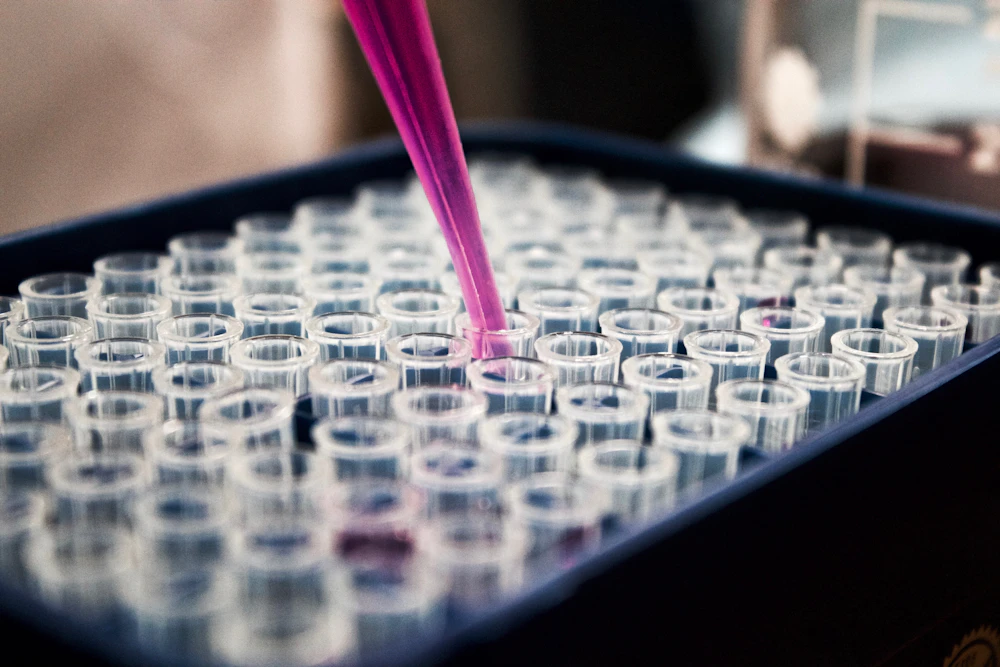
TISO algae culture - a promising source of sustainable nutrition