Resilience by Design: Strategies for Stabilizing Ecological Networks Under Environmental Disturbance
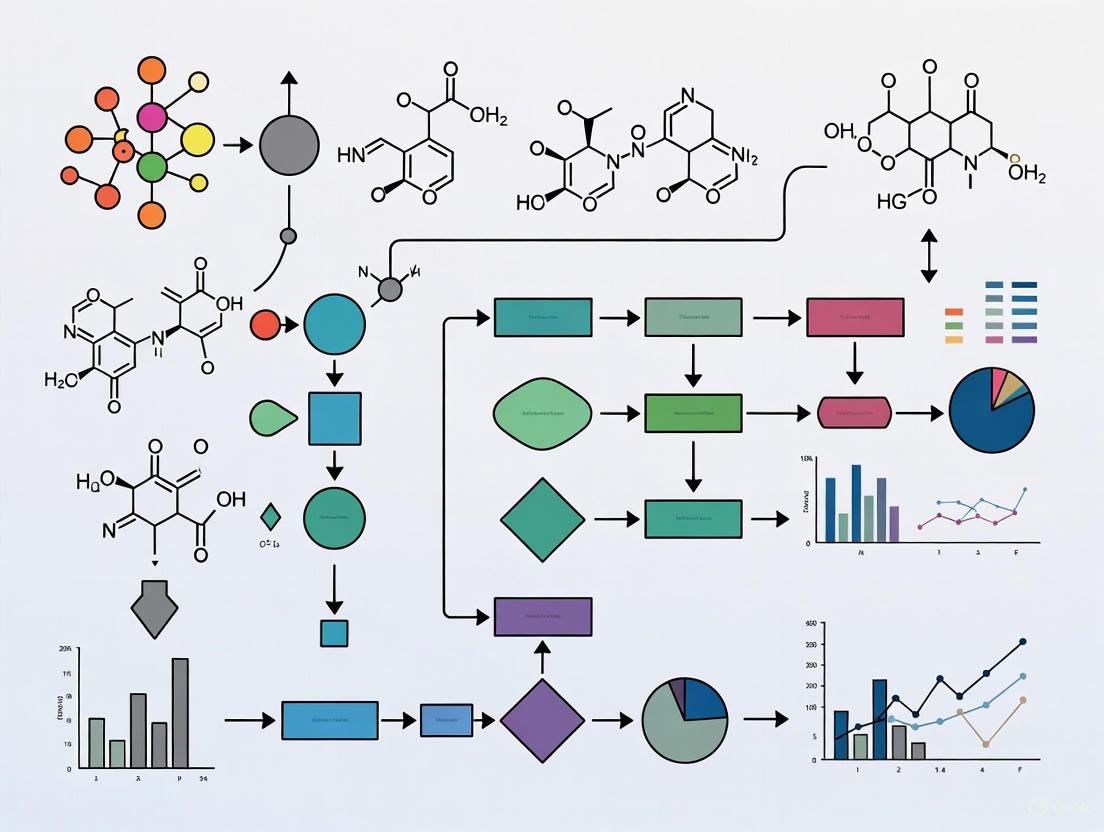
This article synthesizes the latest research on assessing and enhancing the stability of ecological networks facing anthropogenic and climatic disturbances.
Resilience by Design: Strategies for Stabilizing Ecological Networks Under Environmental Disturbance
Abstract
This article synthesizes the latest research on assessing and enhancing the stability of ecological networks facing anthropogenic and climatic disturbances. It explores foundational theories connecting network topology to resilience, presents advanced methodological frameworks for spatial modeling and scenario forecasting, addresses critical challenges in network optimization, and validates approaches through global case studies. Designed for environmental researchers, conservation scientists, and policy professionals, this comprehensive review bridges theoretical ecology with practical application to inform effective conservation planning and ecosystem-based management.
Understanding Ecological Network Stability: Core Concepts and Critical Importance
Frequently Asked Questions (FAQs)
FAQ 1: What defines a 'disturbance' within an ecological network? A disturbance is any relatively discrete event in time that disrupts ecosystem, community, or population structure and changes resources, substrate availability, or the physical environment. Disturbances can propagate spatiotemporally, leave long-lasting legacies, impact multiple organizational levels, and affect organisms directly or indirectly [1].
FAQ 2: How does network structure influence the propagation of disturbances? The architecture of ecological networks mediates how disturbances propagate. Network science reveals that properties like connectance (the proportion of possible links that are realized) and the strength of species interactions are critical. A higher connectance may allow impacts to spread more widely, while strong interactions can become conduits for cascading effects [1] [2].
FAQ 3: What is the difference between 'directed' and 'undirected' ecological networks? Most traditional Ecological Networks (ENs) are undirected, focusing on the static carriers—habitats and migration corridors. Directed ENs incorporate the concept of dynamic biological flows, representing the directional movement of species overcoming spatial resistance to migrate between habitats. This directionality more accurately captures the operational essence of ecosystems [3].
FAQ 4: How do global environmental changes like warming and nutrient fluctuations affect ecological networks? Research shows that warming and nutrient levels interact to cause nonlinear changes. For instance, in lake ecosystems, warming generally reduces the number and strength of plankton community interactions, particularly under high phosphate levels. This reorganization can shift trophic control, leading to consumers being more controlled by resources [2].
FAQ 5: What are key structural features that confer resilience to ecological networks? Resilience is often linked to sub-network structures, such as a cohesive 'core' of closely interacting nodes and a loosely connected 'periphery'. The stability of these substructures in the face of external stressors is a critical area of research. Furthermore, meta-analyses of large datasets are helping to identify heuristics that predict network robustness [1] [4] [5].
Troubleshooting Common Experimental & Analytical Challenges
Challenge 1: Accounting for Directional Flows in Spatial Ecological Networks
- Problem: Traditional corridor models ignore the directionality of species movement, leading to an oversimplified view of connectivity.
- Solution: Implement a directed ecological network framework. Construct the network by first identifying species habitats (sources) and potential migration corridors, then measure the dynamic biological flows between them to assign directionality [3].
- Protocol: The Chu-Liu/Edmonds' algorithm can be applied to these directed networks to identify their essential backbone structure, revealing the most critical directional pathways for maintaining ecological connectivity [3].
Challenge 2: Inferring Interactions in Fluctuating Communities
- Problem: In dynamic systems, species interactions are not fixed but fluctuate over time, making them difficult to capture with static models.
- Solution: Use an equation-free modelling approach like Empirical Dynamic Modelling (EDM). Specifically, apply Convergent Cross-Mapping (CCM) on time-series data to identify causal associations and quantify interaction strengths between taxa, even when relationships are nonlinear [2].
- Protocol: On a 60-month moving window of monthly abundance data, compute CCM to measure cross-map accuracy (Pearson’s ρ). Compare this strength against a seasonal surrogate null model to correct for seasonality and identify statistically significant causal links [2].
Challenge 3: Disentangling the Effects of Multiple Concurrent Stressors
- Problem: The interdependent effects of stressors like warming and nutrient pollution are complex and non-additive, complicating causal attribution.
- Solution: Utilize nonlinear causality tests and state-space modeling. The S-map method from EDM can model network properties (e.g., connectance) as a function of interacting environmental variables (e.g., temperature × phosphate × lake morphometry), revealing how their interplay reshapes the network [2].
Data Presentation Standards
Table 1: Key Metrics for Quantifying Disturbance Propagation in Ecological Networks
| Metric | Description | Application | Typical Range/Value |
|---|---|---|---|
| Connectance | The proportion of possible interactions that are actually realized in a network [2]. | Measures network complexity; indicates potential pathways for disturbance spread. | Varies by ecosystem; shown to decrease by up to 14.8% with warming in lake plankton networks [2]. |
| Interaction Strength | The magnitude of the effect one species or node has on another [2]. | Quantifies the potential for cascading effects; strong links can be critical for stability. | Measured as cross-map accuracy (ρ) via CCM; varies over time and in response to stressors [2]. |
| Indirect Extent of Disturbance | The proportion of species affected via indirect effects [1]. | Gauges the ripple effects of a perturbation beyond the initially affected node(s). | A primary measure for the extent of disturbance propagation in communities [1]. |
| Centrality Measures | A relative measure of how connected a node is within the network [1]. | Identifies keystone species or habitats that are crucial for connectivity and stability. | Includes degree, betweenness, and closeness centrality; can be calculated for directed graphs [3]. |
Table 2: Experimental Reagents & Computational Tools for Network Resilience Analysis
| Tool/Solution Name | Type | Primary Function | Relevance to Network Resilience |
|---|---|---|---|
| Convergent Cross-Mapping (CCM) | Computational Algorithm | Detects and quantifies causal, nonlinear interactions from time-series data [2]. | Infers the structure and strength of interactions within a fluctuating community, foundational for building interaction networks. |
| S-map Method | Computational Algorithm | Models time-varying, state-dependent parameters in a system [2]. | Disentangles the interdependent effects of multiple stressors (e.g., warming & nutrients) on network properties. |
| Chu-Liu/Edmonds' Algorithm | Graph Theory Algorithm | Finds the minimum spanning tree or optimal branching in a directed graph [3]. | Identifies the essential backbone of a directed ecological network, highlighting critical pathways for conservation. |
| MaxEnt Model | Statistical Model | Predicts species distribution and habitat suitability based on environmental variables [3]. | Used to evaluate biodiversity indices and identify core habitats (ecological sources) for network construction. |
Mandatory Visualization: Workflow Diagrams
Directed Ecological Network Analysis
Stressor Impact Assessment Protocol
Frequently Asked Questions
Q1: My ecological network model is unstable. How can I adjust its topology to improve stability? Instability often arises from improper connectance (the proportion of realized links) or a poorly structured degree distribution. Mathematically, the degrees of freedom for network structure are maximized at intermediate connectance (around 0.5), but overly sparse or dense networks are structurally constrained, which can impact dynamics [6]. To stabilize your model:
- For low-connectance networks: Increase stability by first reintroducing or protecting generalist species (high-degree nodes), as this strategy maximizes ecosystem recovery and persistence [7].
- Check your null models: Ensure the random networks used in your null model analyses account for the fact that degree distribution and other properties are strongly driven by connectance [6].
Q2: What is the most effective strategy for restoring a collapsed mutualistic network? Prioritize species reintroduction based on a simple degree-based strategy. Restoring species with the highest number of connections first leads to near-optimal recovery of biodiversity and abundance. Surprisingly, more complex strategies based on higher-order metrics like betweenness or closeness centrality do not provide meaningful improvements [7].
Q3: How can I measure connectivity in a social-ecological system? Integrating connectivity across social and ecological dimensions requires a multilevel network framework [8].
- Ecological Links: Use genetic data and oceanographic modeling to trace the dispersal of individual fish or larvae between fishing sites.
- Social Links: Use interviews to map social ties between fishers, such as kinship, communication, or leadership.
- Social-Ecological Links: Define links representing the use of a specific fishing site by a fisher, or the harvest of a specific fish by a fisher [8]. Alignment or misalignment between these network layers has critical implications for management outcomes.
Troubleshooting Guides
Problem: Unrealistic Network Dynamics or Unexpected Collapse
| Symptom | Possible Cause | Solution |
|---|---|---|
| Rapid, system-wide collapse after minor perturbation. | Low connectance and over-reliance on a few highly connected species. The network lacks redundancy. | Increase functional redundancy by adjusting model parameters to add more weak links, making the network more robust to single-point failures [6]. |
| Model fails to recover after a disturbance is removed. | Incorrect species reintroduction sequence during simulated restoration. | Implement a degree-based restoration strategy. Reintroduce species with the most connections first to maximize the recovery of abundance and persistence [7]. |
| Model behavior is highly variable between runs with similar parameters. | Use of inappropriate null models that do not constrain degree distributions by connectance. | Generate null networks that explicitly account for the connectance of your empirical network to obtain a more reliable baseline for comparison [6]. |
Problem: Challenges in Data Integration and Analysis
| Symptom | Possible Cause | Solution |
|---|---|---|
| Mismatch between ecological and social connectivity data. | Different spatial and temporal scales of measurement for biological dispersal versus social interactions. | Adopt a collaborative, transdisciplinary approach to align data collection methods. Use a common multilevel network framework to integrate disparate data types [8]. |
| Inability to identify key (keystone) species for management. | Over-reliance on complex centrality measures that are hard to estimate and may not predict species importance accurately. | Use the total number of connections (degree) as a primary and often sufficient metric for identifying key species for restoration efforts [7]. |
Experimental Protocols & Methodologies
Protocol 1: Simulating Recovery Dynamics in Mutualistic Networks
This protocol is designed to test different restoration strategies in plant-pollinator networks following collapse [7].
- Network Preparation: Start with an adjacency matrix of a known mutualistic network.
- Induce Collapse (Perturbation): Remove a set percentage of species (e.g., 30%, 60%, 90%) using different scenarios:
- Generalists Preferred: Remove species with a probability proportional to their number of links.
- Specialists Preferred: Remove species with a probability inversely proportional to their number of links.
- Random: Remove species randomly.
- Simulate Dynamics: Use coupled dynamical models (e.g., 1-D, 2-D, or n-dimensional models) to simulate the equilibrium state of the degraded ecosystem.
- Implement Restoration Strategy: Sequentially reintroduce extirpated species based on a chosen strategy:
- Degree: Highest number of connections first.
- Closeness Centrality: Species closest to all others first.
- Betweenness Centrality: Species that act as bridges most frequently first.
- Random: As a null model.
- Measure Recovery: After each reintroduction, quantify:
- Abundance (X): The total abundance of all species.
- Persistence (P): The proportion of surviving species.
- Settling Time (ST): The time taken for the system to reach a new equilibrium.
Protocol 2: Mapping a Social-Ecological Fishery Network
This protocol outlines a method for empirically measuring connectivity within and between communities of small-scale fishers and the fish they harvest [8].
- Data Collection:
- Ecological Data: Collect genetic samples from the target fish species (e.g., leopard grouper). Use oceanographic modeling to predict larval dispersal between fishing sites.
- Social Data: Conduct confidential interviews with fishers to collect data on kinship, communication patterns, and leadership ties within and between communities.
- Harvest Data: Record which fishers harvest which individual fish and the fishing grounds they use.
- Data Integration: Construct a multilevel social-ecological network:
- Nodes: Include individual fish, fishing sites, and individual fishers.
- Links:
- Ecological: Genetic relatedness between fish; larval dispersal between sites.
- Social: Kinship, communication between fishers.
- Social-Ecological: A fisher uses a fishing site; a fisher harvests an individual fish.
- Analysis: Analyze the structure and overlap of the networks to assess social-ecological alignment. For example, test if strong ecological connectivity between two communities is matched by strong social ties between their fishers.
Network Visualization and Workflows
The following diagrams illustrate key concepts and experimental workflows, generated using Graphviz with a defined color palette.
Network Response to Disturbance
Social-Ecological Mapping
Restoration Strategy Workflow
The Scientist's Toolkit: Research Reagent Solutions
| Item | Function in Research |
|---|---|
| Adjacency Matrix | A square matrix used to represent a finite graph. Serves as the foundational data structure for encoding which species/nodes interact within an ecological network [6]. |
| Connectance Calculator | A script or function to calculate the proportion of possible links that are realized in a network (L/S² for bipartite networks). A primary metric for estimating network complexity and comparing different ecosystems [6]. |
| Null Model Algorithms | Algorithms (e.g., niche model) for generating randomized versions of ecological networks that preserve specific properties (like connectance), used for hypothesis testing and identifying significant structural patterns [6]. |
| Centrality Metrics | Calculates key topological metrics for nodes: Degree (number of links), Betweenness (bridge function), and Closeness (proximity to others). Used to identify keystone species and inform restoration strategies [7]. |
| Coupled Dynamical Models | A set of equations (e.g., 1-D, 2-D, n-dimensional) that simulate population growth and species interactions. Used to project the stability, persistence, and recovery trajectories of ecological networks after perturbations [7]. |
| Multilevel Network Framework | An analytical framework for conceptualizing and analyzing separate but interconnected social and ecological network layers to study social-ecological alignment and misfit [8]. |
Frequently Asked Questions (FAQs)
Q1: What are the three key topological conditions that drive stability in meta-ecosystems according to recent research? Recent ecological network research has identified three distinct topological features that underlie stability: edge density, tendency to triadic closure, and isolation. These conditions cannot be disregarded when studying the stability of meta-ecosystems, as the properties of the dispersal network significantly impact overall system stability [9].
Q2: How is triadic closure defined and why is it ecologically significant? Triadic closure is a network property where if connections A-B and A-C exist, there is a tendency for connection B-C to form [10]. In ecological contexts, this represents a fundamental mechanism whereby species interactions self-organize, creating clustered structures that significantly influence stability and resilience to perturbations [9].
Q3: What is the mathematical difference between clustering coefficient and transitivity?
Both measure triadic closure but calculate it differently. The clustering coefficient for a node is calculated as c(i) = δ(i)/τ(i) where δ(i) is the number of triangles node i participates in, and τ(i) is the number of possible triangles given its degree [10]. Transitivity for a graph is defined as T(G) = 3δ(G)/τ(G) where δ(G) is the total triangles and τ(G) is the total possible triples [10].
Q4: How does edge density potentially affect ecological network stability? Edge density, defined as the proportion of actual connections out of all possible connections within a network [11], influences stability by creating more potential pathways for dispersal and interaction. Higher density networks may exhibit greater resilience to node removal but could also facilitate faster perturbation spread without proper balancing mechanisms like triadic closure [9].
Troubleshooting Common Experimental Issues
Problem: Inconsistent stability measurements across network simulations
Solution: Ensure consistent implementation of triadic closure metrics. The clustering coefficient should be calculated as C(G) = 1/N₂ ∑ c(i) where N₂ is the number of nodes with degree ≥ 2, and c(i) = δ(i)/τ(i) for each node [10]. Standardize this measurement across all experimental replicates.
Problem: Difficulty interpreting isolation effects in meta-ecosystems Solution: Implement controlled computational experiments where isolation is systematically varied while holding edge density and triadic closure constant. Use the following diagnostic table to identify isolation-related stability patterns:
Table: Isolation Effect Diagnostic Indicators
| Observation | Potential Interpretation | Recommended Action |
|---|---|---|
| Rapid stability loss with increased isolation | Critical isolation threshold exceeded | Increase corridor density between isolated modules |
| Stable but fragmented sub-communities | Isolation creating stable subsystems | Verify that isolated modules maintain internal triadic closure |
| Cascading failure patterns | Isolation preventing recovery pathways | Introduce strategic bridging connections to reduce isolation |
Problem: Discrepancies between simulated and empirical triadic closure values Solution: Empirical social networks typically show much higher clustering than random null models due to triadic closure mechanisms [12]. If simulations underestimate closure:
- Verify triad formation parameters in your model - real networks often form links between nodes sharing mutual neighbors at higher rates than random [12]
- Check for preferential attachment mechanisms in triadic formation, where the probability of selecting a node for triad completion is proportional to its degree rather than uniform [12]
- Ensure your model accounts for the "Strong Triadic Closure Property" where nodes with strong ties to two neighbors tend to form connections between those neighbors [13] [10]
Quantitative Metrics Reference
Table: Key Stability Metrics and Their Measurements
| Metric | Calculation Formula | Ecological Interpretation | Stability Influence |
|---|---|---|---|
| Edge Density | Proportion of actual connections to possible connections: D = 2M/(N(N-1)) for undirected graphs [11] |
Measure of connectivity completeness in the meta-ecosystem | Moderate values typically optimize stability; extremes risk fragmentation or overconnection |
| Clustering Coefficient | C(G) = 1/N₂ ∑ δ(i)/τ(i) where δ(i) = triangles through i, τ(i) = possible triples [10] |
Tendency toward localized clustering and modularity | Higher values generally enhance local stability but may reduce global connectivity |
| Transitivity | T(G) = 3δ(G)/τ(G) where δ(G) = total triangles, τ(G) = total connected triples [10] |
Global tendency for triadic closure across the network | Strong indicator of network cohesion and resistance to fragmentation |
| Isolation Index | Various implementations; typically measures node separation or module distinctiveness [9] | Degree of separation between network components or patches | Critical determinant of perturbation containment and recovery potential |
Experimental Protocols
Protocol 1: Measuring Triadic Closure in Ecological Networks
Purpose: Quantify the tendency toward triadic closure in species interaction or dispersal networks.
Materials:
- Species interaction data (trophic, mutualistic, or competitive)
- Dispersal tracking data
- Network analysis software (e.g., NetworkX, Igraph)
Procedure:
- Construct adjacency matrix from empirical data
- Calculate local clustering coefficient for each node:
c(i) = 2T(i)/(deg(i)(deg(i)-1))whereT(i)is number of triangles through node i - Compute global clustering coefficient:
C(G) = (1/N)∑c(i)across all nodes with degree ≥ 2 - Calculate transitivity ratio:
T(G) = 3×number of triangles/number of connected triples - Compare values to appropriate null models (e.g., Erdős-Rényi random graphs with same edge density)
Troubleshooting: If clustering values are anomalously low, check for data completeness and potential missing interactions. If values approach theoretical maximum (1.0), verify that the network is not artificially constrained by sampling methodology.
Protocol 2: Experimental Manipulation of Edge Density
Purpose: Systematically test the effect of edge density on meta-ecosystem stability.
Materials:
- Computational network model or experimental microcosm
- Parameter controls for connection probability
- Stability assessment metrics (persistence, resistance, resilience)
Procedure:
- Establish baseline network with measured edge density
- Create experimental treatments with density variations (e.g., 0.1, 0.3, 0.5, 0.7, 0.9)
- For each treatment, apply standardized disturbance regime
- Measure stability metrics: species persistence, biomass retention, recovery rate
- Analyze relationship between density and stability while controlling for triadic closure and isolation
Troubleshooting: If edge density effects are nonlinear, test for interaction effects with triadic closure. High density with low closure may create different stability patterns than high density with high closure.
Research Visualization Toolkit
Network Stability Metrics Framework
Stability Metrics Experimental Workflow
Table: Key Computational Tools for Network Stability Analysis
| Tool/Resource | Primary Function | Application Context |
|---|---|---|
| Network Analysis Frameworks (NetworkX, Igraph) | Calculate clustering coefficients, transitivity, and edge density | General network stability assessment across ecosystem types |
| Custom Triadic Closure Algorithms | Implement Strong Triadic Closure Property testing | Verification of triadic completion tendencies in dispersal networks |
| Isolation Metric Calculators | Quantify component separation and bridge identification | Analysis of meta-ecosystem fragmentation and corridor importance |
| Stability Simulation Platforms | Model disturbance response under varying topological conditions | Experimental testing of edge density, closure, and isolation effects |
| Statistical Comparison Packages | Compare empirical metrics to appropriate null models | Validation of significant topological patterns versus random expectations |
Biodiversity Loss and Ecosystem Collapse as Top Environmental Threats
Foundational Concepts: Ecological Network Stability
What are the key mechanisms through which disturbances propagate in ecological networks?
Disturbances propagate through the architecture of species interaction networks. The spread is mediated by the strength and number of interactions (connectance) between species, such as trophic links and competitive relationships. Environmental changes can alter these interactions, causing a local impact to cascade through the entire network, sometimes leading to regime shifts and irreversible collapse [1].
Why is network connectance a critical indicator of ecosystem stability?
Network connectance (the proportion of possible links that are realized) is a key structural property. Reductions in connectance, often driven by warming temperatures, signal a breakdown in ecological relationships and a simplification of the community. This can portend large-scale changes, reduce system stability, and increase extinction risk for individual species [2].
Empirical Data & Observational Protocols
Summary of Key Empirical Findings on Network Responses to Stressors
Table 1: Documented impacts of environmental stressors on ecological networks from long-term studies.
| Environmental Stressor | Observed Impact on Network Structure | Study System | Key Metric Change |
|---|---|---|---|
| Warming Water Temperatures [2] | Significant decrease in network connectance [2] | Plankton communities in ten Swiss lakes | Connectance decreased up to 14.8% with accelerated warming [2] |
| Nutrient Fluctuations (Phosphorus) [2] | System-specific response; general reduction of interactions under high phosphate with warming [2] | Plankton communities in ten Swiss lakes | Varying connectance changes during re-oligotrophication [2] |
| Environmental Change Triggering Cascades [14] | Altered size structure of one species, increasing juvenile competition, leading to irreversible biodiversity loss [14] | Size-structured model of a six-species flock | Loss of species that cannot re-establish even after original conditions return [14] |
| Biodiversity Loss [15] | Loss of connectivity, potentially leading to faster-than-predicted ecosystem collapse [15] | Theoretical and general ecosystems | N/A |
Methodology for Inferring Ecological Networks from Time-Series Data
This protocol is based on research analyzing plankton communities [2].
- Data Collection: Gather long-term, high-frequency (e.g., monthly) abundance data for all major taxa or functional guilds in the community.
- Group into Functional Guilds: Aggregate species into nodes based on functional traits like body size, trophic level, and foraging behavior (e.g., small herbivores, invertebrate predators).
- Causal Analysis using Empirical Dynamic Modeling (EDM):
- Apply the Convergent Cross-Mapping (CCM) algorithm to quantify the causal strength between all pairs of guilds.
- CCM tests if the historical record of one guild (the "driver") can reliably predict the state of another (the "driven"), indicating a causal link.
- Statistical Validation: Compare the calculated interaction strengths against a seasonal surrogate null model to filter out spurious correlations caused by shared seasonal cycles. Only links stronger than the null model are considered significant.
- Calculate Network Metrics: For a rolling time window (e.g., 60 months), compute:
- Connectance:
C = 100 * (L / N(N-1)), whereLis the number of significant causal links andNis the number of nodes. - Average Interaction Strength: The mean cross-map accuracy (Pearson's ρ) across all significant links.
- Connectance:
Conceptual Visualization of Research Workflows
Research Workflow for Network Stability Analysis
Cascade Propagation in a Network
The Scientist's Toolkit: Research Reagent Solutions
Table 2: Essential methodological components for studying ecological network stability.
| Tool or Method | Function in Research | Key Application Note |
|---|---|---|
| Long-Term Time-Series Data | Provides the foundational data on species abundance to infer interactions and track changes over time. | Must be high-resolution (e.g., monthly) and cover multiple years to detect trends beyond seasonal cycles [2]. |
| Convergent Cross-Mapping (CCM) | A core algorithm from Empirical Dynamic Modelling (EDM) used to detect and quantify causal, nonlinear links between species from time-series data [2]. | Superior to traditional correlation for identifying causality in dynamic, nonlinear systems [2]. |
| Size-Structured Population Model | Mathematical framework that simulates populations where resource use changes with body size (ontogenetic diet shifts) [14]. | Crucial for modeling systems where juveniles of different species compete for a shared resource, a key mechanism for cascade effects [14]. |
| Null Model Validation | A statistical baseline (e.g., seasonal surrogate models) to test whether inferred ecological interactions are significantly stronger than expected by chance [2]. | Prevents overestimation of network connectance due to shared environmental drivers [2]. |
Advanced Troubleshooting Guide
Problem: Inferred ecological network shows high connectance, but it is driven by shared seasonal trends, not true causal links.
- Solution: Implement a seasonal surrogate null model. Create surrogate data that preserves the seasonal cycle but randomizes the inter-annual signal. Re-run the CCM analysis on these surrogates. Any causal link in the real data that is not significantly stronger than the links found in the surrogate data should be discarded [2].
Problem: Model predicts rapid ecosystem collapse, but the specific cascade pathway is unclear.
- Solution: Utilize a size-structured consumer-resource model. Focus on identifying bottlenecks in shared resources, particularly for juvenile life stages. A small change in the size structure of a dominant species can intensify competition at this bottleneck, triggering a cascade that leads to the irreversible loss of specialized species [14].
Problem: Need to disentangle the combined effects of multiple stressors, such as warming and nutrient pollution, on network stability.
- Solution: Employ multivariate forecasting using S-maps or similar techniques. This allows modeling of network properties (e.g., connectance) as a function of the interaction between temperature, nutrient levels, and system-specific factors (e.g., lake depth). This reveals the non-additive, interdependent effects of the stressors [2].
Technical Support Center: Troubleshooting Guides and FAQs
This technical support center provides troubleshooting guidance for researchers working on the identification and analysis of ecological networks. The FAQs below address common methodological challenges encountered in experiments aimed at understanding and enhancing network stability under disturbance [1].
Frequently Asked Questions
1. How do I objectively identify ecological sources to avoid subjectivity in my model?
- Issue: Directly selecting large natural patches (e.g., nature reserves) as ecological sources can introduce researcher bias and may not accurately reflect structural connectivity or ecological quality [16] [17].
- Solution: Utilize a combined "structure-function" approach. Use Morphological Spatial Pattern Analysis (MSPA) with a land use classification to automatically identify core landscape patches based on their spatial structure and connectivity [16] [17]. Then, integrate the Remote Sensing Ecological Index (RSEI) to evaluate the ecological quality of these patches. The RSEI combines indicators for greenness (NDVI), humidity (WET), heat (LST), and dryness (NDBSI) to provide an objective measure of environmental health. Select the patches with both high structural importance and high RSEI values as your final ecological sources [16].
- Protocol:
- Input Data: Prepare a land use/land cover (LULC) raster map.
- MSPA Analysis: Use software like GuidosToolbox to classify the LULC map into MSPA classes (Core, Islet, Loop, etc.). Extract the "Core" areas as structurally important patches.
- RSEI Calculation: Calculate the four component indices (NDVI, WET, LST, NDBSI) from satellite imagery (e.g., Landsat). Perform a Principal Component Analysis (PCA) on these indices; the first principal component often serves as the RSEI.
- Source Selection: Overlay the high-value RSEI areas with the MSPA Core areas. The overlapping regions serve as your optimized ecological sources [16].
2. My model extracts only a single, narrow least-cost path. How can I identify a network of multiple potential corridors and pinpoint critical areas?
- Issue: The Minimum Cumulative Resistance (MCR) model often identifies only a single optimal path, which may not capture the full range of potential species movement or the width of the corridor, making it difficult to define actionable conservation areas [16].
- Solution: Supplement the MCR model with Circuit Theory. While MCR helps establish the corridor network, circuit theory models the landscape as an electrical circuit, with current flow representing the probability of species movement. This allows you to:
- Identify not just one path, but all possible connecting paths.
- Map "pinch points" (areas where movement is funneled) and "barrier points" (areas that strongly block movement) for targeted interventions [16].
- Protocol:
- Base Corridors: Use the MCR model in tools like Linkage Mapper to generate a base network of potential ecological corridors between your sources [17].
- Circuit Theory Analysis: Input your ecological resistance surface and sources into the Circuitscape software (often integrated with Linkage Mapper).
- Identify Nodes: Use the accompanying Pinch Point Mapper and Barrier Mapper tools to analyze the circuit theory output and map the precise locations and areas of pinch points and barriers [16].
- Validation: The current density from circuit theory can be used to rank corridor importance and validate the MCR-derived corridors [16].
3. What is the optimal width to assign to an ecological corridor in a land-scarce urban area?
- Issue: While wider corridors are generally better for species movement, land resources, especially in coastal or urban areas, are often limited. An arbitrarily chosen width may be impractical to implement [16].
- Solution: Determine the optimal width empirically using a buffer zone method combined with gradient analysis. This involves creating buffers of increasing width around the central corridor line and analyzing ecological metrics at each increment to find a threshold where benefits are maximized.
- Protocol:
- Create Buffers: Generate a series of buffers at set intervals (e.g., 30 m, 60 m, 90 m) around your identified corridors.
- Gradient Analysis: For each buffer width, calculate key indicators such as the proportion of natural land cover (e.g., forest), habitat quality, or a landscape connectivity index.
- Identify Threshold: Plot the values of these indicators against the buffer width. The "optimal" width can be determined as the point where the rate of increase in the indicator value significantly levels off (the elbow of the curve). Studies have successfully used this method to determine different optimal widths for various corridor classes (e.g., 30 m for Level 1, 60 m for Level 2) [16].
Table 1: Common Factors for Constructing an Ecological Resistance Surface
| Factor Category | Specific Factors | Description of Role in Resistance |
|---|---|---|
| Land Use | Built-up areas, cultivated land, forest, water [17] | Different land uses pose varying levels of difficulty for species movement. Built-up areas typically have the highest resistance, while forests have the lowest. |
| Human Activity | Road density, distance from railways, nighttime light index [17] | Intensity of human activity directly increases resistance to species movement and dispersal. |
| Topography | Elevation, Slope, Aspect [17] | Steep slopes and high elevations can act as natural barriers, increasing the energetic cost of movement. |
Table 2: Key Analytical Tools and Software for Ecological Network Construction
| Tool/Software | Primary Function | Application in Experiment |
|---|---|---|
| Fragstats [17] | Landscape pattern analysis | Calculating landscape metrics (e.g., Patch Density, Cohesion Index) to quantify habitat fragmentation. |
| GuidosToolbox [16] | Morphological Spatial Pattern Analysis (MSPA) | Objectively identifying core habitat areas, bridges, and branches based on raster geometry. |
| Linkage Mapper [16] [17] | Modeling landscape connectivity | Delineating corridors and calculating cost-weighted distances between core areas. |
| Circuitscape [16] | Applying circuit theory to connectivity | Modeling diffuse movement, identifying pinch points, and ranking corridor importance. |
| Conefor [17] | Evaluating habitat connectivity | Calculating integral indices of connectivity (e.g., probability of connectivity) to assess network functionality. |
The Scientist's Toolkit: Essential Research Reagents & Materials
Table 3: Key Research Reagent Solutions for Ecological Network Analysis
| Item Name | Function / Explanation |
|---|---|
| Land Use/Land Cover (LULC) Data | The fundamental base layer for MSPA, resistance surface construction, and change detection analysis. Source: e.g., Resources and Environment Science and Data Center [17]. |
| Remote Sensing Imagery | Provides data for calculating RSEI components (NDVI, WET, etc.) [16] and updating LULC maps. Common sources include Landsat and Sentinel satellites. |
| Digital Elevation Model (DEM) | Used to derive topographic factors (slope, elevation) for the ecological resistance surface [17]. |
| Road & River Vector Data | Critical for accurately modeling the resistance surface, as linear infrastructure like roads can create significant barriers to movement [17]. |
| Point of Interest (POI) Data | In urban studies, POI data can help characterize the functional environment and, combined with public review data, analyze human perception and use of ecological spaces [18]. |
Methodology and Troubleshooting Workflow
The following diagram outlines the integrated methodological workflow for constructing and optimizing an ecological network, incorporating the key troubleshooting solutions discussed.
Diagram 1: Workflow for building an optimized ecological network.
Troubleshooting Decision Pathway
When your ecological network model produces unexpected or suboptimal results, follow this logical decision pathway to diagnose and resolve the issue.
Diagram 2: Diagnostic pathway for common modeling issues.
Advanced Methods for Modeling, Analysis, and Forecasting of Ecological Networks
Frequently Asked Questions (FAQs)
FAQ 1: Why are my identified ecological corridors only showing a single, narrow path instead of a more realistic spatial range?
This is a common issue when using the Minimum Cumulative Resistance (MCR) model in isolation. The MCR model typically identifies only the single optimal path for ecological flow [19]. To resolve this, integrate circuit theory to simulate the random walk process of species migration. Circuit theory calculates cumulative current flow across the entire landscape, allowing you to identify not just a single corridor but a spatial range with varying probabilities of use [20]. You can then determine the specific spatial extent and width of ecological corridors based on the effective cumulative current values [20].
FAQ 2: How can I make the initial ecological source identification more objective and structurally connected?
Direct identification methods or comprehensive evaluation methods often struggle to precisely analyze the internal spatial structure of landscapes [19]. Employ Morphological Spatial Pattern Analysis (MSPA). MSPA uses mathematical morphology to automatically decompose a land cover map into seven landscape types (e.g., core, bridge, loop) based on their geometric and connectivity characteristics [21]. This provides an objective, structural basis for identifying core areas and interconnected bridging zones as your ecological sources [20] [19].
FAQ 3: My ecological resistance surface seems too subjective. How can I improve its accuracy?
Resistance surfaces based solely on land use type assignment are indeed subjective and fail to capture internal heterogeneity [20]. To enhance your surface:
- Incorporate corrective factors: Integrate indicators like nighttime light intensity, impervious surface area, and surface moisture index, which better reflect landscape heterogeneity and human activity pressure [20].
- Revise with species-specific data: For a more comprehensive network, introduce a species distribution distance factor to revise the resistance surface based on actual biological data [21].
FAQ 4: How do I identify the most critical priority areas for conservation and restoration within the ecological network?
Use the outputs from circuit theory and MSPA to pinpoint key areas:
- Pinch Points: Areas with high current density in circuit theory simulations are critical for maintaining connectivity and should be priority conservation areas [20] [19].
- Barriers: Areas with very low current density that block ecological flow indicate where restoration (e.g., through vegetation restoration or building wildlife passages) is most urgently needed [20] [19].
- Breakpoints: Use network gravity models or structural analysis to find broken links in corridors that require repair [21].
FAQ 5: My MCR analysis results do not seem to align with known species movement patterns. How can I validate them?
Validation is crucial. Try these approaches:
- Compare with other sources: Cross-reference your results with existing data, literature, or local expert knowledge on species presence and movement. This helps verify if your findings are consistent or contradictory [22].
- Experiment with different scenarios: Test the sensitivity of your results by changing the weights, criteria, or thresholds in your analysis. This helps you understand how results change under different conditions and assumptions [22].
- Field validation: If possible, ground-truth key identified areas like corridors and pinch points.
Troubleshooting Guides
Issue 1: Poor Landscape Connectivity in the Constructed Ecological Network
Problem: The constructed ecological network is highly fragmented, with low connectivity indices (e.g., α, β, γ), indicating weak ecosystem health.
Solution: Optimize the network structure by adding strategic elements.
- Add new ecological sources: Identify potential patches using MSPA and habitat quality assessment. Adding even small, strategically located sources can significantly enhance connectivity [21].
- Incorporate "stepping stones": These are small habitat patches that facilitate species movement between larger sources. Identify them through MSPA (e.g., isolated patches) or circuit theory (areas of moderate current flow) [19].
- Repair breakpoints: Use circuit theory to locate barriers and MCR to plan the optimal path for reconnecting them [21].
Expected Outcome: Post-optimization, key network metrics should show significant improvement. For example, one study reported a 15.16% increase in network closure (α-index), a 24.56% increase in network connectivity (β-index), and a 17.79% increase in network connectivity rate (γ-index) [21].
Issue 2: Unrealistic Simulation of Species Migration Paths
Problem: The modeled corridors do not account for the randomness and multi-path nature of species dispersal.
Solution: Replace or supplement the MCR model with circuit theory.
- Circuit theory simulates ecological flows as a random walk process, analogous to the flow of electrical current. This generates numerous potential paths and identifies pinch points and barriers, providing a more realistic representation of species movement than the single optimal path from MCR [19].
- Workflow:
- Use your ecological resistance surface as the basis for the circuit.
- Define your ecological sources as electrical nodes.
- Run the circuit simulation to calculate current density across the landscape.
- Extract corridors, pinch points, and barriers based on current density values [20].
Issue 3: Ecological Network Fails Under Disturbance or Future Scenarios
Problem: The current network model is static and may not remain functional under future urban expansion or climate change.
Solution: Integrate scenario analysis and dynamic modeling.
- Experiment with different scenarios: Model how your network performs under various hypothetical conditions, such as different land-use planning schemes, climate change projections, or sea-level rise scenarios [22]. Change the weights and criteria in your resistance surface to reflect these future states.
- Employ hotspot analysis (HSA) and standard deviational ellipse (SDE): These spatial analysis techniques can identify clusters of ecological elements (HSA) and their directional trends (SDE), helping to predict how the network's spatial structure might shift under disturbance and inform proactive planning [21].
Experimental Protocols & Methodologies
Protocol 1: Integrated MSPA-Circuit Theory Workflow for Ecological Network Construction
This protocol details the steps for constructing a robust ecological network by integrating structural and functional analyses.
1. Data Preparation and Preprocessing
- Input Data: A categorical land cover map (e.g., forest, water, urban) in raster format, preferably with high spatial resolution (e.g., 5m-30m).
- Data Cleaning: Check for and rectify any misclassification, missing values, or projection errors. Ensure the raster is properly clipped to the study area boundary [22].
2. Ecological Source Identification via MSPA
- MSPA Analysis: Use software like GuidosToolbox to perform MSPA. The land cover map is reclassified into a binary image (foreground=habitat, background=non-habitat), which is then processed to identify seven landscape types: Core, Islet, Perforation, Edge, Loop, Bridge, and Branch [21] [19].
- Source Selection: The "Core" areas from MSPA are primary candidates for ecological sources. Further refine them by evaluating their area and using landscape connectivity indices (like the Probability of Connectivity (PC) or Integral Index of Connectivity (IIC)) to select the most important core patches [19].
3. Ecological Resistance Surface Construction
- Base Resistance: Assign a base resistance value to each land use type (e.g., low for forests, high for urban areas).
- Surface Correction: Correct the base surface using factors that influence species movement. A common approach is to integrate data on human disturbance. Create a composite resistance surface using a weighted linear combination:
R = f(Landuse) + g(NighttimeLight) + h(ImperviousSurface) + i(DistanceFromRoads)whereRis the final resistance andf, g, h, iare weighting functions [20].
4. Corridor and Key Area Extraction via Circuit Theory
- Software: Use tools such as Linkage Mapper or Circuitscape.
- Process:
- Input the ecological sources and the corrected resistance surface.
- Run the circuit theory simulation. This will generate a cumulative current flow map across the entire study area.
- Extract Corridors: The spatial range of corridors can be defined by applying a threshold to the cumulative current value map (e.g., areas with current values above the 75th percentile) [20].
- Identify Pinch Points and Barriers: Pinch points are areas with high current density within corridors, crucial for connectivity. Barriers are areas with very low current density that block flow. These are automatically identified by the software based on current values [20] [19].
Protocol 2: Ecological Network Optimization
This protocol outlines methods to enhance an existing ecological network's structure and function.
1. Quantitative Network Assessment
- Calculate key graph theory metrics before and after optimization:
- α-index (Network closure): Measures the number of loops in the network.
- β-index (Network connectivity): Measures the average connectivity between nodes.
- γ-index (Network connectivity rate): Measures the ratio of actual connections to all possible connections [21].
- Gravity Model: Use this model to evaluate the interaction strength between ecological source patches and prioritize the protection of important corridors [21].
2. Strategic Optimization
- Add Sources: Identify potential new source areas from MSPA's core areas that are not currently included but could enhance connectivity. Add them to the network [21].
- Add Stepping Stones: Introduce small patches in strategic locations between disconnected sources to act as "stepping stones" for species movement [19].
- Restore Barriers: Focus ecological restoration efforts on identified barrier areas to reconnect the network [21].
3. Functional Validation
- Re-run the circuit theory simulation with the optimized network (new sources, stepping stones, restored barriers).
- Compare the maximum current value and the spatial extent of high-current-density areas before and after optimization. An increase indicates improved functional connectivity [19].
The Scientist's Toolkit: Essential Materials & Reagents
The table below lists key "research reagents" or essential tools and datasets used in spatial pattern analysis for ecological networks.
| Item Name | Function/Brief Explanation | Example/Notes |
|---|---|---|
| Land Use/Land Cover (LULC) Map | The foundational data layer for MSPA classification and resistance surface construction. | e.g., FROM-GLC, CORINE Land Cover; should be recent and high-resolution [20] [21]. |
| MSPA Software (e.g., GuidosToolbox) | Performs Morphological Spatial Pattern Analysis to objectively identify core areas, bridges, and other structural elements from a binary landscape image [21]. | A free, stand-alone application developed by the European Commission's Joint Research Centre. |
| Circuit Theory Platform (e.g., Circuitscape) | Simulates ecological flows as electrical currents to model movement pathways, identify pinch points and barriers, and define corridor widths [20] [19]. | Integrates with ArcGIS or can be used via Linkage Mapper. |
| Graph Theory Metrics (α, β, γ indices) | Quantitative indicators used to assess the topological structure and connectivity of the constructed ecological network before and after optimization [21]. | |
| Nighttime Light Data | A proxy for human activity intensity; used as a corrective factor to improve the accuracy of the ecological resistance surface [20]. | e.g., VIIRS Nighttime Light data from NASA/NOAA. |
| Habitat Quality Module (InVEST) | A software model that quantifies habitat quality and degradation; can be used alongside MSPA to help identify and validate ecological sources [21]. | Part of the InVEST suite from the Natural Capital Project. |
| GIS Software (e.g., ArcGIS, QGIS) | The primary platform for data management, spatial analysis, resistance surface construction, and result mapping throughout the entire workflow [23]. | QGIS is a powerful open-source alternative. |
Workflow Visualization
The diagram below illustrates the integrated workflow for constructing and optimizing an ecological network.
Frequently Asked Questions (FAQs)
Q1: My analysis shows a decrease in ecological sources over time. Is this a common pattern, and what does it signify? Yes, this is a documented pattern in rapidly urbanizing regions. For instance, in the Pearl River Delta (PRD) between 2000 and 2020, research recorded a 4.48% decrease in ecological sources. This reduction is significant as it destabilizes the structural integrity of the entire Ecological Network (EN) by increasing flow resistance in ecological corridors and diminishing the network's ability to support ecological processes [24].
Q2: What is the relationship between Ecological Networks (EN) and Ecological Risk (ER), and how should I analyze it? EN and ER have an inverse relationship that can be quantified spatially. A study on the PRD found a strong negative correlation (Moran’s I = -0.6) between EN hotspots and ER clusters. EN hotspots were typically located 100–150 km from the urban core, while high-ER zones were concentrated within 50 km of the core, showing a concentric segregation. You can analyze this in your study area using spatial autocorrelation analysis to identify these patterns [24].
Q3: Why is single-scale EN planning considered insufficient? Single-scale EN planning often only addresses localized ER hotspots and fails to account for the broader systemic risks. This approach disproportionately affects vulnerable peri-urban zones, revealing a critical environmental justice gap. Effective planning requires a multi-spatiotemporal analysis that considers the evolving patterns of both the EN and ER across different scales [24].
Q4: How can I quantify the impact of disturbances on my ecological network? The propagation and impact of disturbances are mediated by the network's architecture. Key properties to examine include:
- Connectance: The proportion of possible links that are realized in the network. Warming has been shown to reduce connectance in ecological networks [25].
- Interaction Strength: The strength of causal associations between nodes (e.g., species or guilds). The strength of these interactions can fluctuate with environmental drivers like temperature and nutrient levels [25].
- Centrality: A measure of how connected a node is, which can indicate its importance for the flow of disturbances through the network [1].
Q5: What is a key indicator that my ecological network is undergoing significant stress? A notable reorganization of network interactions, particularly a shift in trophic control, can signal major stress. For example, research in Swiss lakes found that warming combined with high phosphate levels reduced network interactions, leading to a shift where consumers became more controlled by resources (a bottom-up dominated system) rather than predators (top-down control) [25].
Troubleshooting Guides
Problem: Inconsistent or Unreliable Network Link Identification Over Time
- Symptoms: High variability in the number of corridors or causal links between analysis periods, making trend identification difficult.
- Possible Causes:
- Inconsistent Data Preprocessing: Land use data or other input datasets from different years have not been standardized to the same resolution or classification scheme.
- Seasonal Signal Interference: Strong seasonal population fluctuations are being misinterpreted as meaningful causal interactions.
- Solutions:
- Standardize Data: Before analysis, ensure all time-series data are standardized and unified to a consistent coordinate system and resolution [24].
- Apply Null Models: Use a seasonal surrogate null model to correct for seasonality. Assume no significant interaction exists if the measured interaction strength is lower than that of the null model [25].
Problem: inability to Model Complex, Non-Linear Relationships Between Environmental Stressors and Network Properties
- Symptoms: Traditional linear models fail to capture the relationship between drivers like temperature and network metrics such as connectance.
- Possible Cause: The system exhibits nonlinear, state-dependent dynamics where the effect of a stressor changes based on the level of another stressor or the current state of the ecosystem.
- Solutions:
- Employ Equation-Free Modelling: Use data-driven approaches like Empirical Dynamic Modelling (EDM) to infer interactions without pre-specified equations [25].
- Use Convergent Cross-Mapping (CCM): Apply CCM to identify and quantify the strength of causal associations between time series, such as different plankton guilds or environmental variables [25].
- Implement S-maps: Use S-maps to model time-varying relationships and disentangle the interdependent effects of multiple stressors, such as warming and nutrient levels, on network structure [25].
Methodology for Constructing Multi-Temporal Ecological Networks
The following workflow outlines the core methodology for tracking ecological source dynamics over time, as applied in the Pearl River Delta case study [24].
Table 1: Key Quantitative Findings from the Pearl River Delta (2000-2020) Case Study
| Metric | 2000 Baseline | 2020 Status | Change (%) | Key Implication |
|---|---|---|---|---|
| High-ER Zones | Baseline Area | Expanded Area | +116.38% | Massive increase in areas facing ecological degradation [24]. |
| Ecological Sources | Baseline Number/Area | Reduced Number/Area | -4.48% | Decline in core habitats, destabilizing network integrity [24]. |
| EN-ER Correlation | --- | --- | Moran’s I = -0.6 (p<0.01) | Strong negative spatial correlation confirming EN's role in risk mitigation [24]. |
| EN Hotspot Distance | --- | 100-150 km from urban core | --- | EN effectiveness zones are pushed to the urban periphery [24]. |
| ER Cluster Distance | --- | 50 km from urban core | --- | High risk is concentrated in the urban core, showing concentric segregation [24]. |
Methodology for Analyzing Disturbance Propagation in Interaction Networks
For studying how networks themselves respond to stressors like climate change, the following protocol, used in lake ecosystem studies, is relevant [25].
Table 2: Research Reagent Solutions: Essential Materials for Ecological Network Analysis
| Research Reagent / Tool | Function in Analysis | Application Context |
|---|---|---|
| InVEST Model | Evaluates ecosystem services like habitat quality and soil retention, which are key for identifying ecological sources and assessing risk [24]. | Quantifying Ecological Risk (ER) and habitat suitability. |
| Circuit Theory | Models landscape connectivity and pinpoints ecological corridors by simulating "current" flow across a resistance surface [24]. | Constructing and analyzing Ecological Networks (EN). |
| Convergent Cross-Mapping (CCM) | A time-series analysis method used to detect and quantify the strength of causal, non-linear interactions between nodes in a network [25]. | Analyzing dynamic interaction networks (e.g., trophic guilds). |
| S-map (Sequential Locally Weighted Global Linear Map) | Models time-varying, state-dependent relationships, allowing researchers to disentangle the effects of interacting stressors [25]. | Modeling impact of warming/nutrients on network properties. |
| Spatial Principal Component Analysis (SPCA) | Normalizes and weights multiple, often correlated, ecological indicators into a single composite index (e.g., for overall ER) [24]. | Creating comprehensive risk indices from multiple factors. |
Troubleshooting Guides
Common PLUS Model Simulation Errors and Solutions
Table 1: Frequent Issues and Resolutions during PLUS Model Simulation
| Error / Issue Symptom | Probable Cause | Theory Testing & Diagnosis | Resolution Plan & Implementation |
|---|---|---|---|
| Low Simulation Accuracy (e.g., poor FoM value) | Inaccurate Land Expansion Analysis Rules (LEAS); insufficient or irrelevant driving factors [26]. | Cross-validate using historical data (e.g., 2010->2020); analyze feature importance scores from the random forest model within LEAS [26]. | Re-evaluate and select driving factors (e.g., DEM, slope, population, GDP, distance to roads); re-run the LEAS module to extract more robust land expansion rules [26]. |
| Unrealistic Land Use Patches (excessive fragmentation or coalescence) | Inappropriate parameters for the CARS (CA based on Multi-type Random Seeds) module [26]. | Perform sensitivity analysis on the neighborhood weight and diffusion coefficient parameters; compare simulated output with actual landscape patterns. | Calibrate the neighborhood factor for different land types and adjust the patch generation thresholds in the CARS module to better reflect the study area's characteristics [26]. |
| Model Fails to Initialize or Run | Incorrect data format, resolution, or coordinate system; missing input files. | Check that all raster layers (land use, driving factors) have identical rows, columns, and projection coordinates [26]. | Preprocess all data in GIS software like ArcMap to a uniform resolution and projection; ensure file paths are correct and accessible by the model [26]. |
| Inability to Replicate Policy Scenarios (e.g., farmland protection) | Development probability calculations do not adequately reflect policy constraints or incentives. | Verify the transition probability matrix and the suitability of each land type under the defined scenario. | Incorporate spatial policy layers (e.g., protected areas) as constraints and adjust the development probability for specific land types (e.g., increase cost for converting farmland) in the scenario design [26]. |
Systematic Troubleshooting Methodology
For issues beyond the common errors listed above, follow this structured methodology adapted from general IT support frameworks to diagnose problems efficiently [27].
- Identify the Problem: Gather information from model log files and error messages. Question the user to identify symptoms and determine any recent changes to the model setup or input data. Duplicate the problem to confirm it. Approach multiple problems one at a time [27].
- Establish a Theory of Probable Cause: Based on the symptoms, research potential causes. Consult the PLUS model documentation and scientific literature for similar issues [26] [28]. Question the obvious—start with simple causes like data integrity before moving to complex model algorithm issues [27].
- Test the Theory to Determine the Cause: Run diagnostic tests, such as a simulation on a smaller sub-region or with a reduced set of driving factors. If the theory is confirmed, you can proceed. If not, re-establish a new theory and return to step one [27].
- Establish a Plan of Action and Implement the Solution: Plan the steps needed to resolve the issue, which may involve data re-preprocessing, parameter recalibration, or seeking help from the developer community. Implement the solution, ensuring you have a rollback plan [27].
- Verify Full System Functionality: Run a complete simulation and validate the results against known data to ensure the problem is resolved and new issues have not been introduced [27].
- Document Findings, Actions, and Outcomes: Keep a detailed record of the problem, diagnosis steps, solution, and results. This documentation is invaluable for future troubleshooting and for communicating with collaborators or support forums [27].
Frequently Asked Questions (FAQs)
Q1: What are the key advantages of the PLUS model over other land-use simulation models like CA-Markov or FLUS?
The PLUS model integrates a rule-mining framework (LEAS) with a cellular automata model (CARS) that uses a multi-type random seeding mechanism. This allows it to better handle the simulation of multiple land use types and complex patch-level changes simultaneously. It is particularly suited for simulating land use changes at a fine, patch scale and for long-term trend predictions, maintaining high stability even with imbalanced land type data [26] [28].
Q2: How does scenario forecasting with the PLUS model contribute to research on ecological network stability?
Land use change is a primary driver of disturbance in ecological networks, disrupting habitat structure and species interactions [1]. By simulating future land use under different scenarios (e.g., ecological conservation vs. urban development), the PLUS model allows researchers to project how these anthropogenic disturbances might propagate through ecological networks. This helps in identifying potential cascading effects, predicting hotspots of future network instability, and informing land-use policies that enhance ecosystem resilience [26] [1].
Q3: My PLUS model simulation for a future year shows a significant loss of woodland. How can I assess the potential impact on the local ecological network?
First, quantify the spatial and temporal extent of the simulated woodland loss. Then, you can model its propagation through the ecological network by treating the loss as a direct disturbance. The impact can be analyzed by:
- Network Structure: Calculating changes in landscape connectivity metrics for species dependent on woodland habitats.
- Species Interactions: Modeling how the loss of habitat affects specialist species and triggers indirect effects (e.g., apparent competition) on other species within the network [1].
- Metanetwork Analysis: Assessing the impact on ecological processes like seed dispersal by examining the disruption to plant-frugivore interactions across the fragmented landscape [1].
Q4: What are the critical data requirements and preparation steps for a successful PLUS model simulation?
Table 2: Essential Data and Preprocessing for PLUS Model
| Data Category | Specific Requirements & Examples | Key Preprocessing Steps |
|---|---|---|
| Historical Land Use Maps | At least two, preferably three, time points (e.g., 2000, 2010, 2020). Classes: cropland, woodland, grassland, water, construction land, unused land [26]. | Stitching, clipping, reclassification, and standardization to a uniform grid and projection coordinate system (e.g., 30m x 30m resolution) [26]. |
| Driving Factors | ~15-20 factors from: • Geographical: DEM, Slope, Aspect, Soil Type [26]. • Socio-economic: Population Density, GDP [26]. • Accessibility: Distance to roads (various levels), railways, rivers, government seats [26]. | All factors must be converted to raster format and resampled to the exact same resolution and spatial extent as the land use maps. Normalization may be required [26]. |
Q5: How do I interpret the FoM (Figure of Merit) value, and what is considered a good result?
The FoM is a metric that combines the successes and errors of a simulation against a reference map. A higher FoM indicates a more accurate simulation. While there is no universal threshold, a value of 0.509, as reported in a Guizhou Province study, was considered to meet research requirements. It is best to compare the FoM value against other studies in similar landscapes or use it as a relative measure during your own model calibration [26].
Experimental Protocol for Land Use Simulation and Ecological Impact Assessment
This protocol outlines the steps to simulate future land use and preliminarily assess its potential impact on ecological network stability.
Workflow Overview: The following diagram illustrates the integrated workflow for land use simulation and ecological impact analysis.
Step-by-Step Methodology:
Data Preparation and Preprocessing:
- Collect historical land use maps (e.g., 2000, 2010, 2020) for the study area. Reclassify the data into standardized categories (cropland, woodland, grassland, water, construction land, unused land) [26].
- Collect and rasterize all selected driving factors. Use a GIS to ensure all spatial data layers have identical resolution, extent, and projection [26].
Model Calibration and Validation:
- Land Expansion Analysis (LEAS): Use the LEAS module with the random forest algorithm to mine the development potentials and contributions of driving factors for different land use types between two historical periods (e.g., 2000-2010) [26].
- Simulation and Validation: Run the CARS module to simulate the land use for a later known year (e.g., 2020) using the rules from the previous step. Validate the simulation by comparing it to the actual 2020 map using metrics like Overall Accuracy, Kappa, and FoM. Calibrate model parameters (e.g., neighborhood weights, conversion costs) until validation metrics are satisfactory [26].
Future Scenario Simulation:
- Scenario Definition: Establish different development scenarios for the target year (e.g., 2050). Common scenarios include [26]:
- Natural Development (ND): Extends historical trends.
- Ecological Protection (EP): Prioritizes woodland and grassland, restricting their conversion.
- Farmland Protection (FP): Prioritizes the protection of cropland.
- Quantity Prediction: Use a Markov chain or other methods to project the total demand for each land use type under each scenario [26].
- Spatial Simulation: Input the development probabilities from LEAS and the land demand quantities into the CARS module to run the multi-scenario simulations [26].
- Scenario Definition: Establish different development scenarios for the target year (e.g., 2050). Common scenarios include [26]:
Ecological Network Impact Assessment:
- Spatial Analysis: Calculate landscape metrics (e.g., patch size, connectivity) for key natural habitats (e.g., woodland) from the simulation results.
- Network Modeling: Use the simulated land use maps to parameterize ecological network models. The map can be used as the spatial layer over which a species interaction network or metanetwork is overlaid [1].
- Disturbance Propagation Analysis: Model the propagation of the land use change disturbance through the ecological network. Analyze how the loss or fragmentation of a habitat node affects its directly connected species and the potential for cascading secondary extinctions or indirect effects, thereby evaluating the stability of the broader network [1].
The Scientist's Toolkit: Research Reagent Solutions
Table 3: Essential Materials and Data for Land Use Simulation and Ecological Analysis
| Item / Resource | Function & Application in Research |
|---|---|
| PLUS Model Software | The core simulation platform used to mine land use change rules and project future spatial patterns under multiple scenarios [26]. |
| GIS Software (e.g., ArcMap, QGIS) | Essential for all spatial data preparation, including clipping, reclassification, projection conversion, resampling, and final map layout creation [26]. |
| Historical Land Use Data | Serves as the foundational input for model calibration, validation, and for deriving historical change trends. Often sourced from national data centers (e.g., RESDC) [26]. |
| Driving Factor Datasets | A suite of spatial variables (topographic, climatic, socio-economic) that explain the patterns of land use change. Their selection quality directly impacts model accuracy [26]. |
| Ecological Network Modeling Platform | Software or coding environments (e.g., R with 'igraph' or 'bipartite' packages) used to construct and analyze species interaction networks and simulate disturbance propagation [1]. |
Frequently Asked Questions (FAQs)
FAQ 1: What is the fundamental difference between 'resilience' and 'robustness' in network analysis?
In network science, resilience and robustness address different aspects of network performance under stress. Resilience refers to a network's ability to minimize the magnitude and duration of service failure when facing exceptional conditions, often related to its capacity to absorb disturbances and maintain functional performance without fundamental degradation [29]. It is closely tied to the system's stability and its susceptibility to cascading effects that suppress performance, such as sequential delays [30]. In contrast, robustness typically describes a network's resistance to outright failures or attacks, often measured as the number of nodes or links that must be removed to cause a breakdown in connectivity or a critical loss of functionality [30]. In practical terms, a resilient rail network can recover quickly from cascade delays, while a robust one can maintain connectivity even if several stations are closed.
FAQ 2: Which topological metrics are most effective for diagnosing resilience in ecological networks?
No single metric provides a complete picture; a multi-metric approach is recommended. Key metrics and their interpretations are summarized in the table below.
Table 1: Key Topological Metrics for Network Resilience Assessment
| Metric | Description | Interpretation for Resilience |
|---|---|---|
| Trophic Incoherence [30] | Measures how hierarchically structured a directed network is. | Lower incoherence (more hierarchy) correlates with higher resilience and fewer destabilizing feedback loops. |
| Connectance [2] | The proportion of possible interactions that are actually realized in a network. | Fluctuates with environmental stress (e.g., warming often reduces connectance). Major shifts can portend large ecosystem changes. |
| Average Interaction Strength [2] | The average magnitude of causal influences between nodes. | High variability may indicate instability. Strengths can shift with stressors, altering trophic control. |
| Algebraic Connectivity [29] | The second smallest eigenvalue of the network's Laplacian matrix. | Describes network robustness against fragmentation and its fault tolerance. Higher values indicate greater robustness. |
| Central Point Dominance [29] | The average difference in betweenness centrality between the most central node and all others. | Reflects the network's vulnerability to failures at critical central points. |
| Network Efficiency [29] | A measure of how efficiently the network exchanges information (or energy, water, etc.). | A more efficient network is generally more resilient, as it can maintain functional performance. |
FAQ 3: How do external stressors like climate change reorganize ecological networks?
Research on plankton communities in Swiss lakes has shown that stressors like warming and nutrient fluctuations (e.g., phosphorus levels) cause non-linear reorganization of network structure [2]. For instance, warming generally reduces network connectance, particularly under high phosphate levels. This reorganization can shift the trophic control of food webs. Specifically, warming can lead to a more bottom-up controlled system where consumers are more strongly controlled by their resources rather than by predators. Small grazers and cyanobacteria have been identified as sensitive indicators of such changes in plankton networks [2].
FAQ 4: What is Topological Data Analysis (TDA) and how is it used in resilience assessment?
Topological Data Analysis (TDA) is a powerful mathematical framework that studies the shape of data. In resilience assessment, it is used to extract topological invariants (features unchanged by continuous deformation) like connected components and loops from network data [29] [31]. The primary tool is Persistent Homology (PH), which tracks how these topological features appear and disappear at different scales (a process called filtration). The output is a persistence diagram or Betti number curves. Changes in these diagrams (e.g., quantified using Wasserstein distance) when a network is degraded reveal critical vulnerabilities and provide a novel metric to quantify resilience [29] [31].
Troubleshooting Guides
Problem 1: Interpreting Conflicting Results from Different Topological Metrics
Issue: An researcher calculates several common topological metrics for their ecological network but receives conflicting signals about its resilience (e.g., high efficiency but low algebraic connectivity).
Solution:
- Cross-Validate with Dynamic Data: Do not rely solely on static metrics. Compare the topological structure with time-series data on network flows or species abundances. A network might be topologically robust but dynamically fragile if its flows are easily disrupted [30].
- Contextualize with System Knowledge: A high Central Point Dominance indicates vulnerability concentrated in a few nodes. If these nodes are known keystone species, the network may be less resilient despite other positive metrics. Always ground topological findings in ecological reality [29].
- Adopt a Multi-Layer Perspective: If your system involves multiple types of interactions (e.g., trophic, mutualistic) or infrastructures, model it as a multi-layer network. A failure in one layer (e.g., power grid) can cascade to another (e.g., water system), which single-layer metrics might miss [32].
Problem 2: Modeling Cascading Failures in Multilayer Urban Infrastructure
Issue: A modeler needs to simulate how a local failure in one urban infrastructure (e.g., power) propagates to others (e.g., water, transport).
Solution:
- Construct the Multi-Layer Model:
- Define Layers: Model each infrastructure (power, water, transport, communication) as a separate network layer [32].
- Abstract Nodes & Edges: Represent key facilities (e.g., substations, water plants, passenger terminals) as nodes and the physical connections between them (e.g., transmission lines, pipes, roads) as edges [32].
- Establish Inter-Layer Links: Create directed dependency links between nodes of different layers. For example, a water plant node depends on a power substation node for electricity, and a passenger terminal may depend on a communication hub [32].
- Define the Cascading Failure Mechanism: Implement a simulation where:
- An initial shock fails a set of nodes in one layer.
- These failures propagate within the same layer via connectivity loss.
- The failures then propagate across layers via the dependency links (e.g., a power node failure causes the dependent water node to fail).
- This process iterates until no new nodes fail.
- Quantify the Impact: Use a performance function curve to track the system's performance (e.g., percentage of functional nodes, service capacity) over the cascading process. The "toughness" of the system can be calculated as the area under this performance curve [32].
Cascade Failure Simulation Flow
Problem 3: Handling Network Data with No Apparent Basal Nodes for Trophic Analysis
Issue: When analyzing a directed network (e.g., a commuter rail network during rush hour) for trophic coherence, no nodes have an in-degree of zero, making it impossible to define basal nodes using the standard method [30].
Solution: Table 2: Methodologies for Identifying Basal Nodes
| Method | Procedure | Best Used For |
|---|---|---|
| Basal Node Enforcement [30] | 1. Calculate a centrality measure (e.g., weighted out-degree) for all nodes.2. Designate the top k nodes with the highest values as basal nodes.3. Proceed to compute trophic levels using the standard formula. | Networks where clear "source" nodes can be inferred based on flow volume (e.g., major commuter hubs in a transport network). |
| Passenger Flow Filtering [30] | 1. Set a threshold for the minimum passenger flow (or other weighted link attribute).2. Sequentially remove links with weights below this threshold, simplifying the network.3. Continue until nodes with an in-degree of zero (basal nodes) naturally emerge from the data. | Networks with weighted links where weak connections can be considered non-essential for the core hierarchical structure. |
The Scientist's Toolkit
Table 3: Key Research Reagent Solutions for Network Resilience Experiments
| Research Reagent / Tool | Function / Application |
|---|---|
| Persistent Homology (PH) [29] [31] | The core computational tool from TDA used to track the birth and death of topological features (connected components, loops) across scales in a network. |
| Graph Filtration [29] | A process of creating a sequence of nested graph structures, typically by adding edges in order of increasing weight. This forms the basis for calculating persistent homology. |
| Wasserstein Distance [31] | A metric used to compare two persistence diagrams. It quantifies the difference in topological structure between a base network and a degraded one, providing a resilience metric. |
| Trophic Incoherence Parameter [30] | A single value quantifying how far a directed network deviates from a perfectly hierarchical, coherent structure. A key proxy for dynamic resilience. |
| Empirical Dynamic Modelling (EDM) / Convergent Cross-Mapping (CCM) [2] | A non-parametric framework for inferring causal, non-linear interactions and their strengths from time-series data, used to reconstruct ecological network links. |
| Multi-Layer Network Framework [32] | A modeling approach that represents different types of infrastructures or interactions as separate but interconnected network layers, crucial for simulating cross-system cascades. |
Understanding and predicting how disturbances propagate through ecological networks is a central challenge in ecology, with significant implications for conservation and ecosystem-based management. Disturbances—relatively discrete events that disrupt ecosystem structure and change resource availability—can cascade through species interaction networks, affecting stability and biodiversity [1]. The architecture of these complex networks mediates the spread of perturbations, but forecasting these dynamics remains difficult due to parameter uncertainty, model complexity, non-linear interactions, and non-stationary systems [33]. This technical support guide addresses these challenges by providing researchers with practical methodologies and troubleshooting approaches for developing more reliable ecological forecasts.
Troubleshooting Guides: Addressing Common Modeling Challenges
FAQ 1: How can we reduce parameter uncertainty in complex ecosystem models?
Challenge: High parameter numbers in ecosystem models can undermine prediction reliability, especially when data are limited [33].
Solutions:
- Implement Automated Calibration: Use automated calibration approaches with overfitting penalties to fit ecosystem models to empirical data [33].
- Develop Models of Intermediate Complexity: Focus on a minimum number of functional groups needed to model dominant contributors for specific management decisions, finding the "sweet spot" that balances complexity and predictive accuracy [33].
- Utilize Empirical Dynamic Modeling (EDM): Apply equation-free approaches like convergent cross-mapping (CCM) to identify causal associations between network nodes and quantify their strength without requiring explicit parameterization of all interactions [2].
Experimental Protocol: Automated Model Calibration
- Compile historical data series of sufficient duration and scale to represent natural population variability
- Avoid synthetic data that may not capture true system dynamics
- Apply regularization techniques to prevent overfitting during parameter estimation
- Validate calibrated models against independent data not used in the fitting process
- Implement ensemble modeling approaches to quantify uncertainty [33]
FAQ 2: How can we improve predictions of indirect effects in ecological networks?
Challenge: Simple modeling approaches like Lotka-Volterra assumptions often fail to capture realistic indirect effects and compensatory feedbacks [33].
Solutions:
- Incorporate Density-Dependent Feedbacks: Implement functional responses that moderate predator-prey interaction rates via satiation, handling time, and prey hiding behavior [33].
- Track Multi-level Interactions: Measure disturbance spread at three levels: (1) whole network connectance, (2) top-down and bottom-up control links, and (3) different interaction types [2].
- Apply CCM Analysis: Use convergent cross-mapping to detect causal relationships between species and quantify how environmental drivers alter interaction strengths over time [2].
Table 1: Quantitative Metrics for Tracking Indirect Effects in Ecological Networks
| Metric | Definition | Measurement Approach | Interpretation |
|---|---|---|---|
| Network Connectance | Percentage of significant causal associations between nodes | C = 100 × (L/N(N-1)), where L = number of interactions, N = number of nodes [2] | Higher connectance may increase stability but also disturbance propagation |
| Average Interaction Strength | Mean strength of causal associations between nodes | Cross-map accuracy (Pearson's correlation between predictions and observations) in moving time windows [2] | Stronger interactions may create more vulnerable pathways for disturbances |
| Indirect Extent of Disturbance | Proportion of species affected via indirect effects | Proportion of species affected through non-direct pathways [1] | Measures the "ripple effect" of disturbances through the network |
FAQ 3: How do we account for multiple interacting stressors in network models?
Challenge: Environmental stressors like climate change and nutrient fluctuations interact in non-linear ways, creating complex impacts on ecological networks [2].
Solutions:
- Implement S-map Modeling: Use S-maps to account for time-varying relationships between environmental drivers and network properties [2].
- Analyze Context-Dependent Responses: Model network properties as a function of interactions between temperature, nutrients, and system-specific factors like lake depth and volume [2].
- Identify Sensitive Indicators: Monitor specific taxa (e.g., small grazers and cyanobacteria in plankton networks) that emerge as sensitive indicators of network reorganization [2].
Experimental Protocol: Stressor Interaction Analysis
- Collect long-term, well-curated time series of complete ecological communities alongside abiotic measurements
- Group species into trophic guilds based on body size, nutrition requirements, and foraging behavior
- Calculate causal associations using convergent cross-mapping with a moving window (e.g., 60 months)
- Test directional relationships between stressors using CCM (e.g., does temperature causally influence phosphate levels?)
- Model how network connectance and interaction strength respond to interacting gradients of environmental drivers [2]
Visualizing Ecological Network Analysis: Methodologies and Workflows
Diagram 1: Ecological Network Disturbance Analysis Workflow
Diagram 2: Disturbance Propagation in Species Interaction Networks
The Scientist's Toolkit: Essential Research Reagents and Materials
Table 2: Key Research Reagent Solutions for Ecological Network Modeling
| Tool/Reagent | Function | Application Example |
|---|---|---|
| Convergent Cross-Mapping (CCM) | Detects causal relationships in non-linear systems without specifying equations | Identifying how water temperature causally influences phosphate levels in lakes [2] |
| S-map Modeling | Models time-varying relationships between environmental drivers and network properties | Disentangling effects of warming and nutrient fluctuations on plankton network connectance [2] |
| Ecopath with Ecosim | Models non-linear predator-prey interaction rates beyond Lotka-Volterra assumptions | Calculating realistic consumption rates accounting for satiation and handling time [33] |
| Automated Calibration Algorithms | Fits ecosystem models to data with overfitting penalties | Parameterizing intermediate complexity models for specific management scenarios [33] |
| Trophic Guild Classification | Groups species by functional traits for network analysis | Creating nodes for plankton networks based on body size and feeding behavior [2] |
Advanced Methodologies: Empirical Dynamic Modeling for Changing Systems
Empirical Dynamic Modeling (EDM) provides a powerful framework for analyzing ecological networks in non-stationary environments. Unlike traditional approaches that assume fixed interactions, EDM acknowledges that species relationships change with system state [2].
Implementation Protocol:
- Data Preparation: Compile multi-year, monthly abundance data for all major trophic guilds in the ecosystem
- Seasonality Correction: Apply surrogate null models to identify and remove purely seasonal interactions
- Causal Inference: Use CCM to detect significant associations between nodes, measuring interaction strength as cross-map accuracy (Pearson's ρ)
- Temporal Tracking: Calculate network connectance and average interaction strength in moving windows to track reorganization over time
- Driver Analysis: Model how network properties respond to interacting environmental gradients [2]
Table 3: Quantitative Findings from Lake Plankton Network Studies
| Environmental Condition | Effect on Network Connectance | Effect on Interaction Strength | Management Implications |
|---|---|---|---|
| Accelerated Warming | Significant decrease in 6/8 lakes (e.g., -14.8% in Lake Zurich) [2] | Lake-specific trends with variable responses [2] | Warming may simplify network architecture, potentially reducing stability |
| Re-oligotrophication | Significant increase in 2/5 lakes (e.g., +4.2% in Lake Zurich) [2] | Less variable than connectance, system-dependent [2] | Nutrient control may partially counteract warming effects on networks |
| Combined Warming & High Phosphorus | Generally reduces network interactions [2] | Shifts trophic control toward resource limitation [2] | Interactive effects create non-linear responses requiring integrated management |
Future Directions: Integrating Network Theory into Ecosystem Management
As ecosystem modeling advances, key research priorities include developing spatial scaling laws for ecological networks, determining the true boundaries for interaction networks, and systematically evaluating how species traits affect disturbance propagation [1]. For immediate application, researchers should:
- Establish Rigorous Review Processes: Implement formal model review with independent expert panels, comprehensive documentation, and validation workshops [33]
- Define Appropriate Use Cases: Identify management situations where different ecosystem model classes perform best, recognizing that no single approach suits all scenarios [33]
- Develop Ecological Reference Points: Use validated ecosystem models to establish reference points for management, such as forage fish harvest limits [33]
By adopting these methodologies and troubleshooting approaches, researchers can enhance the predictive capability of ecosystem models and better address the pressing challenge of maintaining ecological network stability in an era of rapid environmental change.
Technical Support Center: Troubleshooting Guides and FAQs
Frequently Asked Questions
Q1: My integrated ecosystem service index shows inconsistent trends when I scale my study area. How can I ensure my results are scale-appropriate?
A1: Spatial scale significantly influences integrated assessment outcomes. To address this:
- Identify Optimal Spatial Scale: Use statistical methods, like the Optimal Parameter-based Geographical Detector (OPGD) model, to identify the most appropriate grid size for your analysis. Research in Central Yunnan Province identified a 4500 m × 4500 m grid as optimal for detecting the spatial divergence of comprehensive ecosystem services [34].
- Perform Multi-Scale Validation: Conduct your analysis at multiple spatial scales (e.g., different grid sizes or watershed divisions) to check if the observed trends in your index (e.g., increasing or decreasing) remain consistent. This helps verify the robustness of your findings [34].
Q2: When constructing an Integrated Ecosystem Service Index, what is the best method to objectively assign weights to different service indicators (e.g., water yield, carbon storage) to avoid researcher bias?
A2: Subjective weighting methods can introduce bias. For an objective approach:
- Use Principal Component Analysis (PCA): Employ PCA to objectively determine the weights of individual ecosystem service indicators based on their inherent variance and correlation. This data-driven method was used successfully to construct an Integrated Ecosystem Service Index (IESI) in Central Yunnan, avoiding the subjectivity of methods like the Analytic Hierarchy Process (AHP) [34].
- Couple Structure and Function Indicators: For a Vegetation Ecological Quality Index (VEQI), explicitly couple indicators of vegetation structure (e.g., vegetation cover) with indicators of ecological function (e.g., carbon sequestration, water conservation, soil retention, biodiversity maintenance) to create a multidimensional assessment [35].
Q3: My analysis of an ecological network (e.g., plankton communities) shows a sudden drop in connectance. Is this due to climate change or nutrient fluctuations, and how can I tell?
A3: Disentangling these stressors is complex but achievable.
- Monitor Interaction Strength: A decrease in network connectance (the proportion of possible interactions that are realized) and a reduction in the average strength of species interactions has been nonlinearly linked to increased water temperature, particularly under high phosphate levels [2].
- Apply Causal Inference: Use advanced time-series analysis methods like Convergent Cross-Mapping (CCM) to identify causal, rather than merely correlational, links between environmental drivers (temperature, phosphate) and network properties. This can reveal if warming is a primary causal driver [2].
Q4: How can I accurately quantify the contribution of human activities versus climate change to observed changes in vegetation ecological quality?
A4: Traditional linear models may not capture complex relationships.
- Implement Machine Learning-Based Residual Analysis: Use the XGBoost algorithm to model the expected vegetation ecological quality based on climatic factors (temperature, precipitation). The difference between the model's prediction and the observed value (the residual) is then attributed to human activities. This method effectively handles nonlinear relationships and was used to determine that human activities were the dominant factor (78.57% contribution) driving VEQ changes in Sichuan's ecological protection redline areas [35].
Troubleshooting Common Experimental and Modeling Issues
Issue: The RUSLE model underestimates soil erosion in complex, gully-dominated terrains.
- Solution: Integrate high-resolution remote sensing data. Studies in the red-beds desert of the Nanxiong Basin successfully used Gaofen-2 (GF-2) satellite imagery within the RUSLE model to significantly improve the accuracy of soil erosion modulus calculations and map spatial variability effectively, even in highly eroded and complex landscapes [36].
Issue: My ecological network model fails to capture the propagation of a disturbance through the system.
- Solution: Ensure your model accounts for both direct and indirect interactions. A network approach is essential, as the architecture of complex systems mediates the propagation of disturbances. Analyze the indirect paths of cascading effects, as the spread of a disturbance is often not limited to directly connected nodes but can propagate through the entire network via secondary and tertiary interactions [1].
Issue: An integrated index fails to detect meaningful changes in ecosystem quality over time.
- Solution: Verify the sensitivity of your component indicators. For example, when tracking the impact of conservation practices, ensure your index includes indicators like the cover-management factor (C-factor) and conservation practice factor (P-factor) from the RUSLE model. These were critical in quantitatively demonstrating the performance of soil and water conservation practices, showing a reduction in the total soil loss from 4.64 million tons to 2.38 million tons in the Nanxiong Basin [36].
Summarized Quantitative Data
Integrated Ecosystem Service Index (IESI) Trends in Central Yunnan Province (2000-2020)
Table 1: Temporal Dynamics of an Integrated Ecosystem Service Index (IESI)
| Year | Average IESI Value | Trend Description |
|---|---|---|
| 2000 | 0.7338 | Initial baseline |
| 2005 | 0.6981 | Decreasing trend |
| 2010 | 0.6947 | Decreasing trend |
| 2015 | 0.6650 | Lowest point |
| 2020 | 0.6992 | Increasing trend, recovery towards initial levels |
The IESI, constructed using Principal Component Analysis (PCA), integrates four key services: Water Yield (WY), Carbon Storage (CS), Habitat Quality (HQ), and Soil Conservation (SC). The trend shows an initial decline followed by a recovery, providing a quantitative measure of comprehensive ecosystem service capacity [34].
Key Drivers of Comprehensive Ecosystem Service (CES) Spatial Divergence
Table 2: Driving Factor Analysis based on q-statistics from the OPGD Model
| Rank | Driving Factor | q-value (Explanation Power) |
|---|---|---|
| 1 | Relief Degree of Land Surface (RDLS) | Highest q-value |
| 2 | Slope | Second highest q-value |
| 3 | NDVI | Third highest q-value |
| 4 | Land Use/Cover Change (LUCC) | Significant factor |
| 5 | Climate Factors | Significant factor |
This analysis, performed at the optimal spatial scale of a 4500 m × 4500 m grid, identifies topography and vegetation cover as the most powerful drivers explaining the spatial distribution of comprehensive ecosystem services in Central Yunnan Province [34].
Experimental Protocols
Protocol 1: Constructing an Integrated Ecosystem Service Index (IESI) using PCA
Objective: To quantitatively and objectively integrate the assessment results of multiple ecosystem services into a single, comprehensive index.
Methodology:
- Quantify Key Ecosystem Services: Using biophysical models (e.g., InVEST for Water Yield, Carbon Storage, Habitat Quality; RUSLE for Soil Conservation), calculate rasters of four key ecosystem services for your study area and time period of interest [34].
- Data Preparation and Standardization: Extract the values for all pixels across the four ecosystem service rasters. Standardize the data to ensure all variables have a mean of zero and a standard deviation of one, making them comparable.
- Apply Principal Component Analysis (PCA): Input the standardized data into a PCA. The first principal component (PC1) is typically used, as it captures the largest proportion of the total variance in the original dataset [34].
- Calculate the IESI: The IESI for each pixel is calculated using the loadings of each ecosystem service variable on PC1. The formula is a linear combination:
IESI = (PC1_load1 * Standardized_WY) + (PC1_load2 * Standardized_CS) + (PC1_load3 * Standardized_HQ) + (PC1_load4 * Standardized_SC)The resulting IESI value provides a single, integrated measure of ecosystem service capacity for each location in the landscape.
Protocol 2: Assessing the Impact of Soil and Water Conservation Practices using RUSLE and Remote Sensing
Objective: To quantitatively evaluate the effectiveness of ecological engineering in reducing soil erosion.
Methodology:
- Data Collection: Acquire high-resolution satellite imagery (e.g., GF-2) and digital elevation models (DEM) for the study area for the periods before and after the implementation of conservation practices [36].
- Calculate RUSLE Factors: Compute the five factors of the Revised Universal Soil Loss Equation (RUSLE) for both time periods:
- R (Rainfall-Runoff Erosivity Factor): Derived from meteorological precipitation data.
- K (Soil Erodibility Factor): Based on soil type and composition maps.
- LS (Slope Length and Steepness Factor): Calculated from the DEM.
- C (Cover-Management Factor): Derived from land use/land cover classification of the satellite imagery. This factor changes with conservation practices.
- P (Support Practice Factor): Represents conservation practices like terracing or contour farming. This factor is directly altered by implementation [36].
- Model Implementation and Comparison: Calculate the soil erosion modulus (annual soil loss per unit area) for both time periods using the RUSLE model:
A = R * K * LS * C * P. Compare the results to quantify the reduction in total soil loss and the change in the spatial distribution of erosion intensity classes.
Research Workflow and Signaling Pathways
Workflow for Analyzing Disturbance Propagation in Ecological Networks
Figure 1: A workflow diagram for analyzing disturbance propagation in ecological networks. This process involves mapping interactions between species (nodes) and then quantifying the strength of these interactions using methods like Convergent Cross-Mapping (CCM) to understand the network's structure. The system is then subjected to environmental stressors (e.g., warming, nutrient changes), allowing researchers to track how the disturbance propagates through the network, ultimately leading to an assessment of stability and the identification of sensitive species or guilds that serve as key indicators [1] [2].
Integrated Ecosystem Service Assessment Framework
Figure 2: A framework for developing an Integrated Ecosystem Service Index (IESI). The process begins with the collection of diverse geospatial data, which is used as input for biophysical models (InVEST, RUSLE) to quantify individual ecosystem services. The results of these models are then integrated objectively using Principal Component Analysis (PCA) to produce a single, comprehensive index for evaluating overall ecosystem service capacity [34].
The Scientist's Toolkit: Research Reagent Solutions
Table 3: Essential Models and Data Sources for Integrated Ecological Evaluation
| Tool Name/Type | Primary Function | Key Application in Research |
|---|---|---|
| InVEST Model Suite | Spatially explicit modeling of multiple ecosystem services (e.g., water yield, carbon storage, habitat quality). | Core model for quantifying key regulatory services for integration into a composite index [34]. |
| RUSLE (Revised Universal Soil Loss Equation) | Empirical model for predicting annual soil loss by water erosion. | Quantifying the soil conservation (SC) service and evaluating the effectiveness of erosion control measures [34] [36]. |
| Principal Component Analysis (PCA) | Statistical procedure for dimensionality reduction and objective weighting of variables. | Constructing an Integrated Ecosystem Service Index (IESI) or Vegetation Ecological Quality Index (VEQI) without subjective bias [34] [35]. |
| Convergent Cross-Mapping (CCM) | A nonparametric method for detecting causal links and quantifying interaction strength in nonlinear dynamical systems. | Analyzing time-series data to infer causal interactions and network structure in ecological communities (e.g., plankton networks) [2]. |
| XGBoost Algorithm | A machine learning algorithm based on gradient boosted decision trees. | Used in residual analysis to model complex, nonlinear relationships between climate and vegetation, isolating the impact of human activities [35]. |
| High-Resolution Satellite Imagery (e.g., GF-2) | Provides detailed spatial data for land cover classification and parameterization of models. | Essential for accurate, small-scale soil erosion assessment using RUSLE and for monitoring land use change [36]. |
Addressing Critical Challenges and Optimization Strategies for Network Resilience
Troubleshooting Guides and FAQs
Frequently Asked Questions
Q1: My ecological corridor identification script is failing with a "Resistance surface has non-finite values" error. What should I check? This error typically occurs due to invalid values in your resistance surface raster. Follow this protocol to identify and resolve the problem:
- Step 1: Check Data Sources - Verify that all input rasters (land use, slope, NDVI, night light) use the same coordinate system, resolution, and spatial extent.
- Step 2: Validate Value Ranges - Ensure continuous factors like slope and NDVI are within expected ranges (e.g., 0-90 for slope, -1 to 1 for NDVI). Search for NoData values encoded as unrealistically high numbers (e.g., -9999).
- Step 3: Verify Weighted Summation - Confirm the formula
RS = ∑(F_i × w_i)is correctly applied and that the sum of all weightsw_iequals 1 [37].
Q2: My graph theory analysis shows sudden drops in connectivity metrics after minor habitat loss. Is this expected? Yes, this can indicate a critical tipping point in your network's structure. Focus your investigation on:
- Keystone Patches: Identify patches that serve as bridges between large habitat blocks. Use
betweenness centralitymetrics to find them. - Corridor Bottlenecks: Check if the lost habitat occurred in narrow corridors with already high resistance values.
- Protocol Verification: Confirm your connectivity model (e.g., Circuit Theory, Least-Cost Path) aligns with the dispersal behavior of your focal species, as model choice significantly impacts sensitivity [37].
Q3: How can I validate that my constructed ecological network effectively reduces ecological risk? Validation requires correlating your EN configuration with independent ER data. Use this spatial statistical approach:
- Step 1: Spatial Overlay - Overlay your final EN map (sources and corridors) with your ER assessment map for the same year.
- Step 2: Correlation Analysis - Perform a spatial correlation analysis (e.g., Moran's I) between EN stability/structure and ER intensity.
- Expected Outcome: A significant negative correlation (e.g., Moran's I = -0.6, p < 0.01) validates effectiveness, indicating high network connectivity coincides with low ecological risk [37].
Q4: What is the most common cause of unstable network structure identification across multiple time steps? The most prevalent issue is inconsistent parameterization of ecological sources and resistance surfaces across time steps. Maintain consistency by:
- Fixed Source Thresholds: Apply the same area threshold (e.g., >45 ha) for designating ecological sources for all years in your time series [37].
- Static Resistance Factors: Use the same core factors (e.g., land use type, slope, distance from roads) and their respective weights in the resistance surface calculation for all years to ensure comparability [37].
Experimental Protocols
Protocol 1: Constructing Long-Term Ecological Networks (ENs)
This protocol details the construction of ecological networks for spatiotemporal analysis, adapted from established methodologies [37].
1. Ecological Source Extraction
- Objective: Identify core habitat patches serving as network nodes.
- Procedure:
- Calculate a composite habitat suitability index (HSI) incorporating ecosystem services, landscape connectivity, and biodiversity metrics.
- Classify the HSI into 5 levels using the Natural Breaks (Jenks) method.
- Select the highest suitability class as candidate ecological sources.
- Apply an area threshold (e.g., >45 ha) to filter out small, fragmented patches and ensure selected sources are ecologically stable and significant.
2. Ecological Resistance Surface Construction
- Objective: Create a raster layer representing the cost or difficulty of species movement across the landscape.
- Procedure:
- Select Factors: Choose stable (e.g., slope, elevation) and dynamic (e.g., land use, NDVI, night-time light) resistance factors.
- Assign Weights: Use Spatial Principal Component Analysis (SPCA) to determine the objective weight for each factor based on its contribution to variance.
- Calculate Composite Surface: Generate the final resistance surface (
RS) using the weighted sum formula:RS = ∑(F_i × w_i), whereF_iis the normalized value of the i-th factor andw_iis its weight [37].
3. Ecological Corridor Identification
- Objective: Delineate potential pathways for species movement between ecological sources.
- Procedure:
- Use Circuit Theory or Least-Cost Path algorithms.
- Input the ecological sources and resistance surface into a tool like Linkage Mapper.
- Extract corridors with the lowest cumulative resistance or highest current flow between source pairs.
Protocol 2: Quantifying Long-Term Ecological Risk (ER)
This protocol assesses ecological risk stemming from ecosystem degradation due to urbanization [37].
1. Indicator Selection
- Select metrics that directly reflect ecosystem degradation from urbanization pressures. Standard indicators include:
- Habitat quality reduction
- Soil erosion increase
- Water retention capacity decrease
- Carbon storage reduction
2. Data Normalization and Integration
- Normalize all indicator values to a comparable scale (e.g., 0-1).
- Use Spatial Principal Component Analysis (SPCA) to assign objective weights to each indicator based on its spatial variance and contribution.
- Calculate the final ER value for each grid cell using the weighted sum of all normalized indicators.
3. Risk Level Classification
- Classify the final ER values into discrete levels (e.g., Low, Medium-Low, Medium, Medium-High, High) using the Natural Breaks method to identify inherent data groupings.
Data Presentation
Table 1: Dynamic Changes in Ecological Elements in the Pearl River Delta (2000-2020)
This table summarizes quantitative changes in ecological risk and network structure, illustrating core spatiotemporal dynamics [37].
| Ecological Metric | 2000 Baseline | 2020 Status | Change (%) | Key Implication |
|---|---|---|---|---|
| High-ER Zones | Baseline Area | Expanded Area | +116.38% | Dramatic increase in areas exposed to high ecological risk. |
| Ecological Sources | Baseline Area | Reduced Area | -4.48% | Loss of core habitats critical for maintaining network integrity. |
| Corridor Flow Resistance | Baseline Resistance | Increased Resistance | Not Specified | Increased movement difficulty for species between habitats. |
Table 2: Key Research Reagent Solutions for Ecological Network Analysis
This table lists essential datasets and tools for conducting spatial-temporal ecological network analysis [37].
| Research Reagent / Material | Function / Purpose | Key Characteristics / Notes |
|---|---|---|
| Long-Time Series Land Use Data | Tracks landscape pattern changes and habitat conversion. | Fundamental for calculating land use change-driven ecological risk. |
| Normalized Difference Vegetation Index (NDVI) | Proxies for vegetation health, biomass, and primary productivity. | Used in habitat suitability and ecosystem service assessments. |
| Nighttime Light Data | Induces intensity of human activities and urbanization. | A key variable for constructing human disturbance layers in resistance surfaces. |
| Circuit Theory Model | Predicts species movement and connectivity patterns. | Models landscape connectivity as an electrical circuit; identifies pinch points. |
| Spatial Principal Component Analysis (SPCA) | Objectively weights multiple spatial factors for composite indices. | Reduces subjectivity in constructing resistance surfaces and ecological risk indices. |
Graphviz Diagrams
Ecological Network Analysis Workflow
Risk-Network Spatial Relationship
Single vs Multi-Scale EN Planning
FAQs on Ecological Corridor Design and Implementation
FAQ 1: What are the most critical principles for designing an effective ecological corridor? Effective corridor design hinges on a few core principles. First, the corridor must be wide enough to support the movement of target species and buffer against negative "edge effects," such as invasive species or altered microclimates; widths can range from 20 meters to over 45 meters for powerline corridors, with wider corridors generally offering more design flexibility [38]. Second, it must ensure ecological connectivity, creating an uninterrupted link between core habitats, sometimes using "stepping stones" of vegetation to allow small animals to move safely [38]. Third, the design must prioritize the use of native vegetation, as these species are more resilient and provide the correct food and shelter for local fauna, while invasive species should be actively removed [38].
FAQ 2: How do I determine the optimal width for a corridor in my research or project? There is no universal width, as it depends on the target species, the surrounding landscape, and the corridor's purpose. Some guidelines suggest that for urban stream corridors, an optimal width for ecosystem structure and function can be 1000–3000 meters [39]. For specific infrastructure like powerline corridors, safety and engineering requirements may dictate widths between 20 to 45 meters on each side of the line [38]. The key is that wider corridors typically allow for the development of more stable, species-rich edge structures and provide greater resilience [38].
FAQ 3: What are the primary challenges in maintaining ecological corridors, and how can they be addressed? Common challenges include land-use conflicts with agriculture or urban development, funding constraints for establishment and long-term management, and ongoing threats like invasive species [38] [39] [40]. Successful management involves continuous monitoring and adaptive management, active engagement with stakeholders and local communities to build trust and cooperation, and integrating the corridor into broader conservation plans to ensure landscape-scale support [40].
FAQ 4: What metrics should I use to monitor and evaluate the success of an ecological corridor? Key performance indicators for corridors include changes in species abundance and distribution within the corridor, direct or indirect evidence of animal movement and dispersal through the corridor, and the maintenance of key ecosystem processes like nutrient cycling [40]. Monitoring should also track the habitat quality itself, including the control of invasive species and the success of restored native vegetation [38] [40].
Troubleshooting Common Experimental and Field Challenges
Challenge 1: The designed corridor is not facilitating species movement as expected.
- Potential Cause: The corridor may be acting as an "ecological trap" if it lacks necessary resources, or its design does not account for the specific behavioral preferences of the target species (e.g., aversion to crossing open areas, sensitivity to human disturbance) [38].
- Solution:
- Re-evaluate species-specific requirements through field surveys and telemetry data [41].
- Enhance habitat heterogeneity within the corridor by adding cover, water sources, and diverse native vegetation to provide food and shelter [38] [40].
- Consider adding "stepping stone" habitats to break up long, continuous stretches and provide safe havens, particularly for small mammals and insects [38].
Challenge 2: The corridor is experiencing degradation from invasive plant species.
- Potential Cause: Corridors, especially narrow ones, are susceptible to edge effects, which facilitate the introduction and establishment of invasive species that outcompete native flora [38] [40].
- Solution:
- Implement a long-term management plan for the selective and continuous removal of invasive species [38].
- Promote the growth of native vegetation to increase competition and create a more resilient plant community [38].
- Widen the corridor where possible to reduce the relative influence of edge effects [38].
Challenge 3: The corridor is being fragmented by a linear barrier like a road or railway.
- Potential Cause: Infrastructure is a primary cause of habitat fragmentation, creating a barrier that is dangerous or impossible for many species to cross, leading to population isolation [42] [41].
- Solution:
Challenge 4: Your model for identifying potential corridor locations lacks accuracy.
- Potential Cause: The model may be based on overly simplistic landscape resistance values or may not incorporate high-resolution, field-validated data on species presence and movement [41].
- Solution:
- Incorporate more sophisticated spatial modeling techniques, such as least-cost path analysis or circuit theory, which account for how different land cover types either facilitate or impede movement [41].
- Ground-truth model outputs with field data to confirm the presence of the target species and identify unmodeled obstacles [41].
Experimental Protocols & Data Presentation
Table 1: Key Quantitative Considerations for Corridor Design [38] [39]
| Factor | Consideration | Example / Typical Range | Application in Research |
|---|---|---|---|
| Corridor Width | Must buffer edge effects and support species needs. | Powerlines: 20-45m; Urban streams: 1000-3000m. | A core experimental variable; test species use across different widths. |
| Habitat Quality | Measured by native plant diversity and structure. | Presence of layered vegetation (herbs, shrubs, trees). | Monitor vegetation composition and structure over time as a key performance indicator. |
| Connectivity Metrics | Landscape resistance, probability of movement. | Modeled using Least-Cost Path or Circuit Theory. | Use GIS software and movement data to model and validate corridor placement. |
Table 2: Essential Metrics for Monitoring Corridor Effectiveness [39] [40]
| Metric Category | Specific Measurable Indicators | Data Collection Methods |
|---|---|---|
| Species Response | Abundance and distribution of target species; Genetic flow between populations. | Camera traps; transect surveys; fecal DNA analysis. |
| Ecosystem Function | Water quality parameters (e.g., nutrient, COD concentrations); Seed dispersal success. | Water sampling; seed trap experiments. |
| Habitat Structure | Percent cover of native vs. invasive vegetation; Canopy cover/soil moisture. | Floristic surveys; remote sensing; soil sensors. |
Protocol: Assessing Habitat Connectivity Using the Least-Cost Path Method [41] This protocol is a standard methodology for identifying potential ecological corridor locations based on species-specific landscape resistance.
- Define Core Habitats: Select the habitat patches you aim to connect (e.g., two protected areas).
- Develop a Resistance Surface: Create a raster map where each land cover type (e.g., forest, agriculture, urban) is assigned a resistance value based on how much it impedes the movement of your focal species. Lower values mean more permeable habitat.
- Model the Corridor: Using GIS software, run a least-cost path algorithm to identify the route between core habitats that accumulates the lowest total cost of movement.
- Validate the Model: Conduct field surveys along the predicted least-cost path to confirm its use by the target species, using methods such as camera trapping or tracking.
The Scientist's Toolkit: Research Reagent Solutions
Table 3: Essential "Reagents" for Corridor Design and Monitoring Research
| Item | Function in Research |
|---|---|
| Geographic Information System (GIS) | The primary platform for creating resistance surfaces, modeling connectivity (e.g., Least-Cost Path), and mapping ecological networks [41]. |
| Telemetry Equipment (GPS/VHF Collars) | Used to track individual animal movements, providing critical data to validate corridor models and understand species-specific movement ecology [41]. |
| Remote Sensing Data (Satellite/Aerial Imagery) | Provides up-to-date land cover maps essential for assessing habitat fragmentation, monitoring changes in vegetation cover, and mapping corridor boundaries [38]. |
| Camera Traps | A non-invasive method for monitoring species presence, abundance, and behavior within a corridor over long periods [41]. |
| Environmental DNA (eDNA) Sampling | Allows for the detection of species presence from soil or water samples, useful for monitoring elusive species and assessing biodiversity in a corridor [43]. |
Methodological Workflow and Network Stability
The following diagram illustrates a logical workflow for designing, implementing, and validating an ecological corridor, connecting research activities to the overarching goal of enhancing ecological network stability.
The next diagram conceptualizes how a well-designed corridor integrates into a fragmented landscape to restore connectivity and bolster the stability of the larger ecological network, making it more resilient to disturbances.
Frequently Asked Questions (FAQs) and Troubleshooting
Q1: Why is my selected tree species, despite being drought-tolerant, showing widespread decline and mortality in a large-scale afforestation project? This is often due to a mismatch between the species' water consumption strategy and the long-term soil water balance of the site. For instance, even drought-tolerant species like Robinia pseudoacacia can consume water rapidly, leading to the formation of a persistent dry soil layer that ultimately threatens the plantation's survival [44]. Troubleshooting Guide:
- Problem: Species selected solely on historical success without considering changing climate.
- Solution: Conduct a paired species comparison at your site. Consider native coniferous species (e.g., Pinus tabuliformis) which may have lower water consumption than broad-leaved species [44].
- Investigation: Monitor soil moisture at different depths over time to detect unsustainable water depletion.
Q2: How can I accurately quantify and differentiate between a plant's resistance to drought and its ability to recover after drought? Drought resilience is a multi-faceted concept that requires specific metrics derived from long-term growth data, such as tree-ring analysis [44]. Troubleshooting Guide:
- Problem: Using only a single metric to describe drought response.
- Solution: Employ a full suite of resilience metrics as defined by Lloret et al. (2011) and others [44]:
- Resistance (Rt): Measures performance during the drought.
- Recovery (Rc): Measures the capacity to regain pre-drought performance after the drought.
- Resilience (Rs): The overall capacity to return to pre-drought performance levels.
- Additional Indicators: Use Total Growth Reduction (TGR) and Average Recovery Rate (ARR) for a more systematic understanding [44].
Q3: My remote sensing data shows vegetation stress, but I am unsure if it's due to drought or other compounding factors. How can I isolate the drought signal? Vegetation stress is often a result of compound stressors. To isolate drought impact, you need to correlate vegetation indices with standardized drought indices over multiple time scales [45]. Troubleshooting Guide:
- Problem: Attributing vegetation stress solely to a single cause.
- Solution: Integrate different data sources:
- Use the Standardized Precipitation-Evapotranspiration Index (SPEI) at 1-, 6-, and 12-month scales to identify meteorological drought [45].
- Correlate SPEI data with vegetation indices like NDVI. A strong positive correlation indicates that water availability is a key limiting factor [45].
- Analyze the timing of stress; droughts during the growing season typically impair productivity more severely [45].
Q4: Why do naturally regenerated forests often show greater stability under drought stress compared to my planted forests? Planted and natural forests differ fundamentally in their ecological development. Natural forests tend to exhibit greater environmental plasticity due to more complex species interactions and self-organization, allowing them to maintain higher stability under changing conditions. In contrast, functional traits in planted forests show a stronger and more sensitive response to environmental changes, which can indicate weaker ecological adaptability [46].
Experimental Protocols for Assessing Vegetation Drought Response
Protocol 1: Quantifying Tree Resilience Using Tree-Ring Analysis
Application: This protocol is used to reconstruct the long-term growth history of trees and calculate their resilience to specific drought events [44].
Methodology:
- Site Selection & Sampling: Select paired sampling sites for different species. Extract increment cores from multiple trees at each site.
- Sample Processing: Mount, sand, and cross-date the cores according to standard dendrochronological methods.
- Tree-Ring Width Measurement: Measure the width of each annual ring to the nearest 0.01 mm.
- Climate Data: Obtain long-term climate data (e.g., temperature, precipitation, PDSI) for the study area.
- Resilience Metric Calculation: For each documented drought event, calculate the following metrics based on the tree-ring data:
- Resistance (Rt) = DrGr / PreDrGr
- Recovery (Rc) = PostDrGr / DrGr
- Resilience (Rs) = PostDrGr / PreDrGr
- Where:
- DrGr: Growth during the drought year.
- PreDrGr: Average growth for the 3-year period before the drought.
- PostDrGr: Average growth for the 3-year period after the drought [44].
This experimental workflow can be visualized as follows:
Protocol 2: Monitoring Regional Vegetation Response via Remote Sensing
Application: This protocol is designed to assess the spatiotemporal response of different vegetation types (forest, grassland, cropland) to drought across a large region [45].
Methodology:
- Data Collection:
- Obtain a long-term time series (e.g., 20 years) of satellite-derived NDVI data.
- Obtain corresponding SPEI data at multiple time scales (e.g., 1, 6, 12 months).
- Data Preprocessing:
- Apply the Maximum Value Composite (MVC) method to generate monthly NDVI values, minimizing cloud and atmospheric interference [45].
- Mask out non-vegetation areas (e.g., NDVI < 0.1) and areas with significant land cover change.
- Resample all data to a uniform spatial resolution.
- Trend Analysis: Use Sen's trend analysis and the Mann-Kendall test to identify significant trends in NDVI and SPEI over the study period [45].
- Correlation Analysis: Calculate correlation coefficients between the NDVI time series and the multi-scale SPEI to determine the time scale at which drought most strongly influences vegetation.
- Resistance & Resilience Calculation:
- Resistance: Calculated as the ratio of NDVI during the drought year to the NDVI before the drought.
- Resilience: Calculated as the ratio of NDVI after the drought to the NDVI during the drought [45].
The logical workflow for this multi-faceted analysis is shown below:
Quantitative Data on Plant Functional Traits and Drought Resilience
Table 1: Comparative Drought Resilience of Broad-leaved and Coniferous Tree Species in Arid/Semi-Arid Regions [44]
| Functional Trait / Metric | Broad-leaved (R. pseudoacacia) | Coniferous (P. tabuliformis) | Ecological Implication |
|---|---|---|---|
| Main Climatic Limitation | Palmer Drought Severity Index (PDSI) | Palmer Drought Severity Index (PDSI) | Drought is a key limiting factor for both. |
| Sensitivity to Atmospheric Drought | Higher (Stronger negative effect of VPD) | Lower | Broad-leaved species are more vulnerable to dry air conditions. |
| Sensitivity to Soil Moisture | Higher | Lower | Broad-leaved species are more directly impacted by soil water deficit. |
| Drought Resistance (Rt) | Lower | Higher | Conifers are better at maintaining growth during a drought event. |
| Drought Recovery (Rc) | Higher | Lower | Broad-leaved species grow faster after the drought ends. |
| Key Driving Factors | Tree size, soil porosity | Tree age, soil silt content | Resilience is species-specific and influenced by plant and soil properties. |
Table 2: Response Characteristics of Different Vegetation Types to Drought [45]
| Vegetation Type | Response Speed | Key Adaptive Mechanism | Resistance | Resilience |
|---|---|---|---|---|
| Grassland | Rapid | Shallow root system, quick response to surface moisture | Variable | High (fast rebound due to short life cycle) |
| Forest | Slow | Deep root systems access groundwater; hydraulic regulation | High (in temperate regions) | Moderate to High (drought-adapted forests recover best) |
| Cropland | Medium to Rapid | Dependent on phenological stage and human management | Low during critical growth phases | Low to Moderate (requires targeted irrigation/resilient crops) |
The Scientist's Toolkit: Key Research Reagents & Materials
Table 3: Essential Materials and Tools for Drought Stress Research
| Item | Function / Application | Technical Notes |
|---|---|---|
| Increment Borer | To extract core samples from trees for dendrochronological analysis. | Standard tool for tree-ring studies; allows for non-lethal sampling. [44] |
| Soil Moisture Probes | To measure volumetric water content at different soil depths. | Critical for validating remote sensing data and understanding soil-plant-water relationships. [44] |
| Standardized Drought Indices (SPEI/PDSI) | To quantitatively characterize the timing, duration, and intensity of drought events. | SPEI considers both precipitation and evapotranspiration, making it robust for climate change studies. [45] |
| Satellite-derived NDVI Data | To assess vegetation health, coverage, and productivity over large spatial scales. | Provides a long-term, consistent record for trend analysis; MVC processing is essential. [45] |
| Plant Functional Traits | Morphological, physiological, and phenological indicators of plant performance and strategy. | Used to understand and predict plant adaptation to water-limited environments. [46] |
Technical Support Center: FAQs & Troubleshooting Guides
This support center provides resources for researchers investigating the stability of ecological networks under the disturbances caused by rapid urbanization in megaregions.
Frequently Asked Questions (FAQs)
Q1: What are the primary ecological disturbances caused by urbanization in megaregions? Urbanization acts as a crucial driver of land use and socio-economic change, significantly pressuring the Urban Critical Zone (UCZ). Key disturbances include land use changes, biodiversity loss, urban heat island effects, alterations to regional and global carbon and nitrogen cycles, and pollution of air, water, and soil [47]. From a network perspective, disturbances are defined as relatively discrete events that disrupt ecosystem, community, or population structure and change resources or the physical environment [1].
Q2: How can I map and analyze ecological interactions within an urban megaregion? A network approach is essential. We recommend:
- Define the Network: Identify the interacting species or trophic guilds (nodes) within your study area [2].
- Quantify Interactions: Use long-term time-series data of species abundances and employ analytical methods like Convergent Cross-Mapping (CCM) to infer causal, dynamic links between nodes and quantify interaction strengths [2].
- Calculate Key Metrics: Track connectance (the proportion of possible interactions that are realized) and the average strength of these interactions over time to understand network stability [2].
Q3: My data shows a decrease in network connectance. What environmental drivers should I investigate? Empirical studies on plankton networks show that warming, particularly under conditions of high nutrient levels (e.g., phosphorus), significantly reduces network connectance [2]. You should analyze your data for correlations with water or ambient temperature trends and nutrient fluctuations. A decline in connectance suggests the ecological network is becoming less interconnected, which can signal underlying stress [2].
Q4: What does a change in interaction strength within a network signify? The strength of an interaction reflects the influence one species or guild has on another. Fluctuations in average interaction strength can indicate a shift in trophic control of the food web. For example, a system-wide change may suggest a shift from top-down (predator-controlled) to bottom-up (resource-controlled) dynamics, a key indicator of ecosystem reorganization under stress [2].
Q5: How can I model the complex, non-linear effects of multiple urban stressors? Equation-free modelling approaches, such as empirical dynamic modeling (EDM), are powerful for analyzing non-linear systems. Techniques like S-maps can be used to model network properties (e.g., connectance) as a function of interacting stressors like temperature, phosphate levels, and local morphometric factors [2].
Troubleshooting Common Experimental & Analytical Issues
This section employs structured problem-solving methodologies to address common research challenges [48].
| Problem | Root Cause | Solution Steps |
|---|---|---|
| Difficulty distinguishing direct from indirect species interactions in network analysis. | Methodological limitation; confounding factors. | 1. Apply CCM Analysis: Use Convergent Cross-Mapping to test for causality between time-series, which can help distinguish direct from indirect links [2].2. Validate with Null Models: Compare interaction strengths against a seasonal surrogate null model to correct for seasonal co-variation [2].3. Refine Node Definition: Re-evaluate the grouping of species into functional guilds to ensure ecological coherence [2]. |
| Observed correlation between warming and network change, but causality is unclear. | Co-occurrence of environmental drivers (e.g., warming and nutrient shifts). | 1. Conduct Causality Testing: Use CCM to determine if information from the hypothesized driver (e.g., temperature) can predict the driven variable (e.g., phosphate levels or connectance) [2].2. Use S-map Modeling: Model network properties as a function of the interaction between temperature and nutrient levels to disentangle their effects [2].3. Check for Lags: Analyze time-lagged responses in your data, as effects may not be instantaneous. |
| Inconsistent network responses to similar urbanization pressures across different study sites. | System-specific idiosyncrasies and differing local contexts. | 1. Account for Lake/Site Morphometry: In your models, include factors like depth and volume, which can mediate stressor impacts [2].2. Analyze Governance & Socio-economic Factors: For urban systems, review case studies to understand how local governance innovations (e.g., London's decentralized energy policy) can lead to different outcomes [49].3. Check Baseline Conditions: Ensure the systems are truly comparable in their initial ecological and socio-economic states [47] [49]. |
Experimental Protocols & Methodologies
Protocol 1: Tracking Disturbance Propagation in Species Interaction Networks
This protocol outlines a research agenda for understanding how disturbances spread in ecological networks, which is critical for predicting system-wide impacts [1].
Objective: To identify the properties of species and their networks that predict the extent and rate of disturbance propagation. Workflow:
- Define Network Architecture: Map the existing species interaction network (e.g., food web, mutualistic network).
- Introduce/Identify a Disturbance: This could be the removal of a species, a pollution event, or a physical habitat alteration.
- Monitor Propagation: Track the spatial and temporal spread of the disturbance's impact via indirect effects, measuring the proportion of species affected and the area impacted over time.
- Analyze Heuristics: Corrogate the propagation patterns with species-specific traits (e.g., body size, dispersal ability) and network properties (e.g., centrality, connectance, modularity).
- Develop Predictive Framework: Use the identified heuristics to build models that can forecast vulnerability and cascade effects in other urban ecological networks.
Research Workflow for Tracking Disturbance
Protocol 2: Analyzing Plankton Network Responses to Warming and Nutrients
This methodology details the approach used to study the disruption of ecological networks in lakes by climate change and nutrient fluctuations, which can be adapted for urban aquatic systems [2].
Objective: To quantify how warming and phosphorus levels affect the connectance and interaction strength of plankton networks. Steps:
- Data Collection: Gather long-term, monthly time-series data on plankton species abundances, water temperature, and dissolved inorganic phosphorus (phosphate) levels.
- Group into Trophic Guilds: Classify plankton species into ~15 functional nodes (e.g., invertebrate predators, small herbivores, cyanobacteria) based on body size and foraging behaviour.
- Infer Causal Interactions: Apply Convergent Cross-Mapping (CCM) to the guild abundance time-series within a moving window (e.g., 60 months) to identify significant causal links and quantify their strength (cross-map accuracy, ρ).
- Calculate Network Metrics:
- Connectance (C): C = 100 × (L / N(N-1)), where L is the number of significant causal links and N is the number of nodes.
- Average Interaction Strength: The mean cross-map accuracy (ρ) of all significant links.
- Model Stressor Impacts: Use S-map modeling to relate trends in connectance and interaction strength to the interacting gradients of water temperature and phosphate, while accounting for system-specific factors like lake depth.
The Scientist's Toolkit: Research Reagent Solutions
Table: Essential Methodological "Reagents" for Urban Ecological Network Analysis
| Item | Function/Brief Explanation | Example/Application |
|---|---|---|
| Convergent Cross-Mapping (CCM) | An equation-free method for detecting and quantifying causal, non-linear interactions between dynamic variables from time-series data [2]. | Determining if changes in zooplankton abundance causally influence phytoplankton levels in an urban lake. |
| Network Connectance Metric | A structural property measuring the proportion of possible interactions that are realized; signals network complexity and potential stability [2]. | Monitoring how urban land expansion reduces the connectance of local food webs. |
| S-map Modeling | A state-dependent modeling technique that captures how the influences of predictor variables change under different system conditions [2]. | Analyzing how the effect of a pollutant on a network intensifies above a specific temperature threshold. |
| Trophic Guild Classification | Grouping species into nodes based on functional traits (e.g., diet, size) to simplify complex communities for network analysis [2]. | Creating a manageable network model of an urban forest by grouping insect species into "invertebrate predators" and "herbivores". |
| Empirical Dynamic Modeling (EDM) Framework | A broader toolkit for analyzing non-linear systems, including CCM and S-maps, without assuming fixed equations [2]. | Forecasting the propagation of an invasive species' impact through an urban ecological network. |
Stressor Impact on Network Stability
Frequently Asked Questions
What is the most common mistake when starting with ecosystem modeling? A common mistake is to over-parameterize a model from the outset. Begin with a simple core structure that captures the essential interactions, then incrementally add complexity only if it is necessary to address your specific research question. This approach, guided by the principle of parsimony, helps avoid unnecessary computational cost and model opacity [50].
My model is unstable. How can I diagnose the issue? Instability often stems from the structure of species interactions. Analyze the community matrix of your model. Check the real part of its rightmost eigenvalue, a key measure of local stability [51]. Furthermore, investigate whether your interaction network is anti-modular (Cw < Cb), as this structure has been shown to be highly destabilizing, particularly when the mean interaction strength is negative [51].
How does network structure, like modularity, influence stability? The effect is nuanced and depends on your model's parameters. A modular structure (Cw > Cb) can have a moderate stabilizing effect when the model has a negative mean interaction strength and the network subsystems are of roughly equal size. Conversely, for models with a positive mean interaction strength, any deviation from a random structure (Q≠0) is generally destabilizing [51]. The table below summarizes these effects.
Can a model be too simple to be useful? Yes. A model is under-optimized if it lacks the core structures needed to test your hypothesis. For example, if you are studying meta-community dynamics, a model that does not incorporate spatial connectivity would be insufficient. The key is that every element of the model should serve the process purpose [50].
Where can I find data on real ecological networks to parameterize my model? Research databases and published literature are primary sources. Recent studies often include supplementary material with network data. When using such data, note that network properties like the number of species, links, and links per species can scale with the geographical area of the study, which may affect how you apply the data to your specific context [52].
Troubleshooting Guides
Problem: Model Predictions Do Not Match Empirical Observations
This indicates a potential structural problem in your model's design.
- Possible Cause 1: Incorrectly Specified Interaction Strengths. The distribution of interaction strengths (mean
μ, varianceσ², and correlationρ) fundamentally shapes dynamics [51].- Solution: Re-evaluate the empirical basis for your interaction parameters. Use sensitivity analysis to determine which parameters have the greatest effect on your output.
- Possible Cause 2: Missing Critical Feedback Loops. The model may be too parsimonious and lack a key process.
- Solution: Review the experimental literature for evidence of overlooked indirect interactions or abiotic factors. Introduce one new element at a time and test its impact on model performance.
Problem: High Sensitivity to Initial Conditions or Parameter Perturbations
Your model may be structurally unstable.
- Possible Cause: The underlying network structure is in a destabilizing regime. As research shows, anti-modularity can be a strong destabilizer [51].
- Solution:
- Calculate the modularity (Q) of your model's interaction network [51].
- Compare the stability (e.g., real part of the rightmost eigenvalue) of your structured network against a randomized null model (Q=0) with the same interaction strengths [51].
- If confirmed, consider if a more modular structure is ecologically justifiable for your system.
- Solution:
Problem: Model Becomes Computationally Intractable with Increased Realism
The complexity has surpassed what is necessary or feasible.
- Possible Cause: Over-engineering with non-essential details. This violates the principle of parsimony [50].
- Solution: Return to the model's core purpose. Streamline the model by:
- Aggregating species into functional groups where appropriate.
- Removing intermediate variables that do not significantly affect the key output variables.
- Applying a spatial or temporal hierarchy, using a simpler model to inform boundary conditions for a more complex one.
- Solution: Return to the model's core purpose. Streamline the model by:
Experimental Protocols & Data
Protocol: Quantifying the Stability of a Block-Structured Ecological Network
This protocol outlines how to test the effect of network modularity on community stability, based on the methodology of [51].
1. Define the Community Matrix (M):
- The community matrix M is built from two component matrices: M = W ○ K.
- W (Interaction Strengths): A matrix where off-diagonal pairs
(Wij, Wji)are sampled from a bivariate distribution. Key parameters are:μ: Mean interaction strength.σ²: Variance of interaction strength.ρ: Correlation between interaction pairs (e.g., for predator-preyρ < 0, for mutualismρ > 0).
- K (Adjacency Matrix): A binary, symmetric matrix that defines the network's block structure.
- Define two subsystems of sizes
αSand(1-α)S, whereSis the total number of species. - Set the within-subsystem connectance
Cw(probability of interaction within a group) and the between-subsystem connectanceCb(probability of interaction between groups). - The overall connectance is
C. - The modularity
Qcan be calculated as:Q = (Lw - Lw_expected) / L, whereLwis the observed number of within-subsystem links, andLw_expectedis the number expected by chance in a random network [51].
- Define two subsystems of sizes
2. Calculate Stability:
- The measure of local stability is the real part of the rightmost eigenvalue of the community matrix,
Re(λM,1). A system is stable ifRe(λM,1) < 0[51].
3. Compare Against a Null Model:
- Create a randomized version of the community matrix, M', where the non-zero elements of
Ware randomly shuffled, destroying the block structure (effectively settingQ=0). - Calculate
Re(λM',1)for this unstructured model. - The stability ratio
Γ = Re(λM,1) / Re(λM',1)quantifies the effect of structure. A ratioΓ < 1indicates a stabilizing effect, whileΓ > 1indicates a destabilizing effect [51].
The effect of modularity is highly dependent on other model parameters. The table below synthesizes findings for a system with two subsystems [51].
Mean Interaction Strength (μ) |
Network Structure | Effect on Stability (Compared to Unstructured Q=0) |
|---|---|---|
| Strongly Negative | Modular (Q > 0) | Moderately Stabilizing (Γ < 1) |
| Strongly Negative | Anti-Modular (Q < 0) | Greatly Destabilizing (Γ > 1) |
| ≈ Zero | Modular (Q > 0) | Destabilizing (Γ > 1) |
| ≈ Zero | Anti-Modular (Q < 0) | Can be Stabilizing (if ρ is sufficiently negative) |
| Strongly Positive | Any Q ≠ 0 | Destabilizing (Γ > 1) |
The Scientist's Toolkit: Research Reagent Solutions
This table lists essential conceptual "reagents" and computational tools for modeling ecological network stability.
| Item | Function / Explanation |
|---|---|
| Community Matrix (M) | A square matrix representing the effect of each species' density on the growth of every other species around an equilibrium point. It is the core object for local stability analysis [51]. |
| Modularity (Q) | A network metric that quantifies the strength of division of a network into modules (subsystems). Positive Q indicates a modular structure, negative Q indicates an anti-modular (bipartite) structure [51]. |
| Connectance (C) | The proportion of all possible interspecific interactions that are actually realized in a network. It is a fundamental driver of complexity and stability [51] [52]. |
| Stability Criterion (Re(λ₁)) | The local stability of a community is determined by the real part of the rightmost eigenvalue (λ₁) of the community matrix. The system is locally stable if Re(λ₁) < 0 [51]. |
| Spectral Analysis | A computational method to calculate the eigenvalues of the community matrix. This is a standard function in numerical computing environments (e.g., numpy.linalg.eigvals in Python). |
| Circuit Theory / Betweenness Centrality | Used in spatial ecology to model connectivity and identify critical corridors or barrier points in a landscape, which can inform the structure of meta-community models [53]. |
Model Design and Analysis Workflows
The following diagrams illustrate key workflows for designing and analyzing ecosystem models, using the color palette specified.
Model Development Workflow
Stability Analysis Procedure
Technical Support Center: Troubleshooting Guides and FAQs
Frequently Asked Questions (FAQs)
Q1: What defines a "peri-urban" zone for ecological research, and why is its delineation important for environmental justice? The peri-urban interface is generally defined as the area 'around, beyond and between' the urban core, characterized by mixed urban and rural land uses, complex governance, and dynamic change [54]. Precise delineation is crucial for environmental justice studies because these areas often face administrative ambiguities and fragmented planning, which can lead to the unequal distribution of environmental benefits like green space [55] [54]. A common methodological approach is a practical basic delineation using parameters like population density and functional commuting areas, which can be mapped using data from the Global Human Settlement Layer (GHSL) [54].
Q2: Our analysis shows low park accessibility in a peri-urban area. How can we determine if this constitutes an environmental injustice? Simply measuring availability is insufficient. Environmental justice requires a multidimensional assessment. Your analysis should evaluate:
- Distributional Justice: Map the spatial access to parks for different neighborhoods and compare it with the distribution of socioeconomic groups [55] [56].
- Procedural Justice: Assess whether marginalized communities have participated in the planning and governance of these green spaces [55].
- Recognitional Justice: Investigate whether the planning and management of these parks recognize and cater to the diverse needs, cultural preferences, and identities of all resident groups [55]. A finding of injustice is typically supported by evidence that low-income or minority communities have statistically significant lower access to quality green space.
Q3: We are observing a reduction in ecological network connectance in a peri-urban lake. What is the potential cause, and what does it mean for stability? A reduction in network connectance (the proportion of possible links that are realized) can be driven by interacting stressors. Research on lake plankton networks has shown that warming, particularly under high phosphate levels, generally reduces the number of species interactions [2]. This reorganization can shift trophic control, making consumers more controlled by resources and potentially reducing the network's stability [2] [57]. You should investigate water temperature trends and nutrient levels as primary interacting drivers.
Q4: During a heatwave experiment, we recorded an increase in link-weighted network complexity but a decrease in compositional stability. How are these related? This is a complex but documented phenomenon. Temperature-driven increases in interaction strengths can make a trophic network more dynamic, potentially enhancing functional recovery and resilience after a disturbance [57]. However, this often comes at the cost of compositional instability, as some species may be lost or replaced due to the intensified pressures [57]. This underscores the need to measure multiple dimensions of stability simultaneously, as they may not respond in unison.
Troubleshooting Common Experimental and Analytical Challenges
Challenge 1: Inconsistent or Ambiguous Peri-Urban Boundary Delineation
- Problem: Different definitions of the peri-urban zone lead to non-comparable results between studies.
- Solution: Adopt and clearly report a twin-track approach [54].
- Conceptual Framework: Frame your study area using tangible (land use, density), relational (commuting flows, ecosystem service flows), and systemic (gentrification, governance) parameters.
- Practical Delineation: Apply a reproducible, data-driven method. A recommended baseline is using GHSL data to classify areas with a population density between 300 and 1500 inhabitants per km² that are within the functional urban area of a city [54]. This ensures your study can be critically evaluated and compared.
Challenge 2: Isolating the Effects of Multiple Stressors on Network Stability
- Problem: In peri-urban areas, ecological networks face simultaneous pressures from climate change and land-use change, making it hard to attribute causality.
- Solution: Employ statistical modeling designed for interdependent stressors. Techniques like S-maps from empirical dynamic modeling can be used to model network properties (e.g., connectance) as a function of the interaction between temperature, nutrient levels, and other morphometric factors [2]. This allows you to disentangle the effect of one stressor, like warming, which is often convolved with other factors like nutrient pollution.
Challenge 3: Measuring Multidimensional Stability Yields Seemingly Contradictory Results
- Problem: An ecosystem shows high resistance but low resilience, or high functional recovery alongside high species loss, leading to an unclear conclusion about its overall stability.
- Solution: Recognize that stability is inherently multidimensional [58] [57]. Avoid relying on a single metric. Instead, select a suite of metrics that capture different components. These generally fall into three groups [58]:
- Early response to a pulse (e.g., reactivity, maximum amplification).
- Sensitivities to a press perturbation (e.g., resistance of total biomass, sensitivity to species loss).
- Distance to a threshold (e.g., tolerance to mortality increases). Reporting metrics from each group provides a comprehensive and non-contradictory picture of the system's stability profile.
Quantitative Data Synthesis
Table 1: Documented Impacts of Environmental Stressors on Trophic Network Properties
| Stressor | Network Property | Observed Impact | Context / Notes | Source |
|---|---|---|---|---|
| Warming & High Phosphorus | Connectance | Decrease (in 6/8 lakes) | Example: -14.8% in Lake Zurich | [2] |
| Re-oligotrophication (Phosphorus reduction) | Connectance | Increase (in 2/5 lakes) | Example: +4.2% in Lake Zurich | [2] |
| Heatwaves (HW) | Link-weighted Complexity | Increase | Correlated with improved functional recovery and resilience | [57] |
| Heatwaves (HW) | Topological Complexity | Decrease | Correlated with reduced functional and compositional resistance | [57] |
Table 2: Peri-Urban Green Space Accessibility and Environmental Justice Metrics (Case Study: Hong Kong)
| Metric / Component | Finding / Measure | Implication for Environmental Justice | Source |
|---|---|---|---|
| Urban Green Space (UGS) per capita | 2.5 m² (urban parks only) | Highlights scarcity in built-up areas, elevating the importance of peri-urban parks. | [56] |
| UGS per capita (incl. country parks) | 105 m² | Demonstrates the massive contribution of peri-urban parks to the overall green space budget. | [56] |
| Role of Country Parks (CUP) | Significant improvement in accessibility for residents of the New Territories | Corrects a spatial inequality, as this region has fewer urban parks, enhancing distributional justice. | [56] |
| Impact on Low-Income Renters | Country parks provided a "compensatory effect" for this group between 2000-2020 | Peri-urban parks can act as a critical safety net for vulnerable groups during urban changes. | [56] |
Experimental Protocols & Methodologies
Protocol 1: Mapping Peri-Urban Boundaries for Environmental Justice Analysis
Objective: To create a reproducible spatial delineation of the peri-urban zone for subsequent analysis of green infrastructure distribution. Materials: Geographic Information System (GIS) software; Global Human Settlement Layer (GHSL) data. Workflow:
- Define the Functional Urban Area (FUA): Use commuting flow data or a standard radius (e.g., 50-100km) from the urban core to define the city's zone of influence.
- Extract Population Grids: Obtain GHSL data on population density (inhabitants/km²) for your study region.
- Classify Peri-Urban Cells: Within the FUA, classify grid cells as "peri-urban" that have a population density between 300 and 1500 inhabitants/km² [54].
- Validate and Refine: Compare this initial classification with local land-use maps and satellite imagery to ensure it captures the mixed-use, transitional character of the peri-urban interface. Overlaying with green space data can then begin.
Protocol 2: Quantifying Multidimensional Ecological Stability in Response to Disturbance
Objective: To measure several stability components of an ecological community following a perturbation such as a heatwave. Materials: Mesocosm setup or field monitoring site; equipment for regular biological and environmental sampling (e.g., water samplers, plankton nets, spectrophotometer for nutrient analysis); temperature control system (for experiments). Workflow:
- Pre-Perturbation Monitoring: Record baseline data on species abundance/composition, community biomass, and environmental variables for a set period.
- Apply Perturbation: Implement a controlled press (e.g., nutrient enrichment) or pulse (e.g., heatwave) disturbance. For a heatwave, a defined temperature increase (e.g., +4°C to +8°C) is applied for a specific duration [57].
- Post-Perturbation Sampling: Continue monitoring throughout the perturbation and a recovery period.
- Calculate Stability Metrics: [58] [57]
- Resistance:
(1 - (|B_post - B_pre| / B_pre)). WhereBis a community property (e.g., total biomass) pre- and immediately post-perturbation. - Resilience: Calculate the rate at which the system returns to its pre-perturbation state after the disturbance ends.
- Recovery: The level of recovery at the end of the experiment, expressed as
B_final / B_pre. - Temporal Stability: The inverse of the coefficient of variation (mean/SD) of a community property during the baseline period.
- Resistance:
Protocol 3: Assessing Environmental Justice in Peri-Urban Park Accessibility
Objective: To evaluate the distributional and social equity of access to peri-urban parks. Materials: GIS software; spatial data for park boundaries, road networks, and public transport routes; census data on population demographics (income, ethnicity, age) at a fine spatial scale (e.g., census tracts). Workflow: [55] [56]
- Measure Accessibility: For each residential neighborhood, calculate the travel time to the nearest peri-urban park via different modes (walking, public transport, car). A common threshold is a 30-45 minute travel time for larger peri-urban parks.
- Spatial Join with Demographic Data: Link the accessibility scores for each neighborhood with its socioeconomic data.
- Statistical Analysis: Perform regression analysis to determine if there is a statistically significant relationship between variables like low-income or minority status and poor park accessibility, controlling for other factors.
- Interpret for Justice: A finding of significantly lower access for disadvantaged groups indicates a distributional environmental injustice.
Research Workflow and Signaling Pathways
The Scientist's Toolkit: Research Reagent Solutions
Table 3: Essential Materials and Analytical Tools for Peri-Urban Ecological Justice Research
| Item / Tool | Function / Application | Specific Examples / Notes |
|---|---|---|
| Global Human Settlement Layer (GHSL) | Provides open-source, global spatial data on population density and built-up areas for consistent peri-urban delineation. | Critical for the "Practical Basic Delineation" method [54]. |
| Convergent Cross-Mapping (CCM) | A computational method used to infer causal links and interaction strengths in nonlinear ecological systems from time-series data. | Used to quantify how plankton guilds influence each other in lake networks [2]. |
| S-map Method | An equation-free modeling technique that measures how system parameters (e.g., connectance) change with the system state (e.g., temperature). | Used to disentangle the interdependent effects of warming and nutrient levels on network structure [2]. |
| GIS with Network Analysis | Software to calculate travel time (via walk, transit, car) from neighborhoods to parks, creating accessibility maps. | Essential for operationalizing and measuring distributional justice [56]. |
| Mesocosm Facilities | Controlled outdoor experimental systems (e.g., ponds, tanks) to simulate perturbations like heatwaves on contained ecological communities. | Allows for causal inference on how extreme events alter network complexity and stability [57]. |
Validation Frameworks, Case Studies, and Comparative Analysis of Ecological Networks
This technical support center provides troubleshooting guides and FAQs for researchers studying ecological network stability under disturbance, with a focus on the Wuhan Metropolitan Area.
Frequently Asked Questions (FAQs)
Q1: What are the primary analytical frameworks for assessing urban ecological network resilience? A: Researchers commonly employ two complementary frameworks. The DPSIR (Driving Force-Pressure-State-Impact-Response) framework helps structure the evaluation system by analyzing causal chains from driving forces to policy responses [59]. Simultaneously, the "Pattern–Process–Function" perspective analyzes the spatiotemporal evolution of topological patterns, ecological processes, and ecosystem services, overcoming research lag in their coupling [60]. For structural analysis, ecological networks are often abstracted into nodes (ecological patches) and edges (corridors) to apply complex network theory and assess resilience through disturbance scenario simulations [61].
Q2: How is ecological network resilience quantitatively measured against disturbances? A: Resilience is typically quantified by simulating disturbance scenarios and measuring network performance degradation. Key metrics include:
- Robustness: The proportion of nodes that need to be removed to disintegrate the network [61]
- Network efficiency: Related to the shortest path distance between nodes, reflecting functional connectivity [61]
- Node failure ratio: Cascading failure effects under deliberate attacks versus random failures [61] Studies measure how these metrics change as nodes are sequentially removed, with "pattern–process" optimized networks showing 21% slower degradation under targeted attacks [60].
Q3: What are the main obstacles to building resilient cities like Wuhan? A: Obstacles vary by city development level. For a dominant city like Wuhan, resource and environmental pressure is the primary constraint. For other cities in Hubei Province, the main limiting factors are the degree of socioeconomic growth and the capacity of the government to handle affairs [59]. Wuhan's specific challenges include rapid urban expansion (405.11% increase in urban land coverage from 1980–2016) causing a 79.26% loss of green spaces, which intensifies urban heat island effects and disrupts ecological processes [62].
Q4: Which data sources and tools are essential for ecological network analysis? A: The table below summarizes core methodological components:
Table 1: Essential Experimental Protocols and Data Sources
| Component | Recommended Methods/Tools | Key Outputs | Application Context |
|---|---|---|---|
| Ecological Source Identification | Morphological Spatial Pattern Analysis (MSPA), Habitat Quality Assessment [60] | Core habitat patches, Ecological source areas | Identifying key patches with high conservation value and connectivity |
| Resistance Surface Construction | GIS-based weighting of natural & anthropogenic factors, Circuit Theory [60] | Cost surfaces, Cumulative resistance maps | Modeling landscape permeability for species movement |
| Corridor Extraction | Circuit Theory, Minimum Cumulative Resistance (MCR) model [60] | Ecological corridors, Pinch points | Delineating pathways for ecological flows between sources |
| Network Resilience Simulation | Targeted vs. Random Node Removal, Complex Network Theory [61] | Robustness curves, Node failure ratios | Testing network stability under different disturbance scenarios |
| Spatiotemporal Analysis | Remote Sensing (RS), Geographic Information Systems (GIS), Google Earth Engine [62] [60] | Land-use change maps, Dynamic ES assessments | Analyzing long-term (e.g., 2000-2020) ecosystem evolution |
Q5: How can ecological networks be optimized for enhanced resilience? A: Optimization involves creating complementary scenarios:
- "Pattern–Function" Scenario: Strengthens core area connectivity, enhancing resistance to general disturbances (24% slower degradation) [60]
- "Pattern–Process" Scenario: Increases redundancy in edge transition zones, improving resilience to targeted disruptions (21% slower degradation under targeted attacks) [60] This complementary design results in a gradient EN structure characterized by core stability and peripheral resilience [60]. Methodologies include adding ecological patches or corridors based on complex network theory [60] and using genetic algorithms to optimize spatial arrangements [62].
Experimental Protocols & Methodologies
Protocol 1: Constructing and Evaluating an Ecological Network
1. Identify Ecological Sources
- Utilize Morphological Spatial Pattern Analysis (MSPA) with land use data to distinguish core, bridge, and edge landscape patterns [60]
- Integrate assessments of Ecosystem Services (ES) like habitat quality, water conservation, soil retention, and carbon sequestration to identify patches with high ecological function [60]
- Select patches with high connectivity and conservation value as final ecological sources for the network [60]
2. Construct Resistance Surfaces
- Create a comprehensive resistance surface based on multiple factors (e.g., land use type, topography, human disturbance) using GIS [60]
- Assign resistance values reflecting the difficulty of species movement or ecological flow through different landscape types [60]
3. Extract Corridors and Nodes
- Apply Circuit Theory to model ecological flows and identify corridors, pinch points, and barriers [60]
- Use tools like Linkage Mapper or Circuitscape to calculate corridors between source patches [60]
4. Build and Analyze the Network Model
- Represent ecological sources as nodes and corridors as edges to form a spatial network [60]
- Calculate complex network metrics (e.g., connectivity, robustness, node degree) to analyze topological characteristics [61]
Protocol 2: Simulating Disturbance Scenarios for Resilience Measurement
1. Define Simulation Parameters
- Set a node removal rate (e.g., 5% increments) and a maximum threshold (e.g., 80%) [61]
- Define the criteria for network failure (e.g., when connectivity drops below a specific threshold) [61]
2. Execute Disturbance Scenarios
- Random Attack: Randomly remove nodes and recalculate network metrics after each removal [61]
- Deliberate Attack: Remove nodes in order of importance (e.g., highest degree or betweenness centrality first) [61]
3. Quantify Resilience and Robustness
- Plot the relationship between node removal rate and relative network connectivity/function [61]
- Calculate the robustness value as the area under this curve [61]
- Compare degradation rates between different network configurations or optimization scenarios [60]
Visualization of Methodological Workflows
Diagram 1: Ecological Network Resilience Analysis Workflow
The Scientist's Toolkit: Research Reagent Solutions
Table 2: Essential Research Materials and Computational Tools
| Category/Reagent | Specific Tool/Platform | Primary Function in Research | Example Application |
|---|---|---|---|
| Remote Sensing Data | Landsat Series, Sentinel Series [60] | Land use/cover classification, change detection | Tracking urban expansion (2000-2020) in Wuhan [62] |
| GIS Platforms | ArcGIS, QGIS [62] | Spatial data management, analysis, and visualization | Constructing resistance surfaces, mapping corridors [60] |
| Ecological Modeling | Google Earth Engine [60] | Large-scale geospatial processing and analysis | Calculating ecosystem service indices over time [60] |
| Network Analysis | Circuitscape, Linkage Mapper [60] | Modeling landscape connectivity and corridor delineation | Identifying pinch points and barriers in ecological flows [60] |
| Statistical Computing | R, Python with NetworkX [61] | Statistical analysis and complex network calculations | Calculating node degree, robustness, network efficiency [61] |
| Optimization Algorithms | Genetic Algorithms [62] | Multi-objective spatial optimization | Optimizing urban morphology for thermal comfort [62] |
Technical Support Center: Troubleshooting Guides & FAQs
This technical support resource addresses common challenges faced by researchers applying machine learning to optimize ecological networks in Xinjiang's arid regions, framed within thesis research on ecological network stability under disturbance.
Machine Learning Implementation
Q: What machine learning algorithms are most effective for species distribution modeling in Xinjiang's arid ecosystems and why?
A: Multiple studies in Xinjiang have successfully implemented various machine learning algorithms for ecological modeling. Based on comparative performance evaluations, the following algorithms have demonstrated high effectiveness:
Table: Machine Learning Algorithm Performance in Xinjiang Ecological Studies
| Algorithm | Best Use Case | Performance Metrics | Key Advantages |
|---|---|---|---|
| Random Forest | General species distribution modeling | AUC > 0.96, High TSS, Kappa, Specificity, and F1 Score [63] | Robust with complex environmental interactions, handles nonlinear relationships well |
| XGBoost | Habitat suitability prediction | AUC > 0.9 [64] | High predictive accuracy, feature importance ranking |
| Support Vector Machine (SVM) | Binary classification of suitable/unsuitable habitat | AUC > 0.9 [64] | Effective in high-dimensional spaces |
| MaxEnt | Presence-only data scenarios | AUC > 0.9 [64] | Particularly robust with limited absence data |
The Random Forest algorithm consistently outperforms others in comprehensive evaluations, making it particularly suitable for predicting ecological niche distributions of species like Cytospora chrysosperma and Marmota baibacina in Xinjiang's complex arid environments [63].
Q: How can I address the "black box" problem in ML-based ecological modeling?
A: Implement explainable AI (xAI) techniques to enhance model interpretability:
- SHAP (SHapley Additive exPlanations) Analysis: Quantifies the contribution of each environmental variable to model predictions while considering variable interactions [63]
- Threshold Interaction Networks: Identify critical environmental thresholds and their synergistic effects on species distribution [63]
- Feature Importance Ranking: Use built-in ML functions to identify dominant environmental drivers
Experimental protocols should integrate SHAP analysis post-modeling to reveal both global model behavior and local explanations for individual predictions, transforming correlation-based modeling toward mechanistic understanding of ecological processes [63].
Data Processing & Integration
Q: What are the critical environmental variables for ecological network modeling in Xinjiang's arid regions?
A: Research across multiple Xinjiang studies identifies these key variables with high feature importance:
Table: Critical Environmental Variables for Arid Region Ecological Modeling
| Variable Category | Specific Variables | Ecological Significance | Data Sources |
|---|---|---|---|
| Climate | Precipitation seasonality (Bio15), Mean diurnal temperature range (Bio2), Temperature of warmest quarter (Bio10) [63] | Determines species physiological tolerance limits | Chinese 1-km resolution monthly datasets [65] |
| Vegetation | NDVI [63] | Primary productivity indicator, vegetation health | MODIS products (MOD17A3HGF, MCD12Q1) [65] |
| Topography | Elevation, Slope [63] [66] | Influences microclimates, water distribution | DEM from ASF DAAC (12.5m resolution) [66] |
| Land Use | Land use/cover types [67] | Habitat fragmentation, human impact | Resource and Environment Science Data Center (30m resolution) [67] |
Feature selection should employ a "stepwise addition of features" strategy, adding variables incrementally until model performance plateaus, typically between 6-10 key features [63].
Experimental Protocol: Environmental Variable Processing
- Data Collection: Acquire multi-source environmental data at highest available resolution
- Spatial Alignment: Reproject all data to consistent coordinate system (e.g., WGS1984UTMZone48N) and resolution (30m recommended) using aggregation tools in GIS software [68]
- Variable Screening: Apply correlation analysis to remove highly correlated variables (r > 0.8)
- Model Integration: Use selected variables in ML algorithms with cross-validation to prevent overfitting
Model Interpretation & Validation
Q: How do I translate ML predictions into actionable ecological insights for network optimization?
A: Follow this systematic framework to connect model outputs to conservation decisions:
ML to Ecological Network Translation Workflow
Q: What validation approaches ensure ecological relevance beyond statistical metrics?
A: Implement multi-dimensional validation:
- Statistical Validation: Standard metrics including AUC (>0.9 indicates excellent prediction), True Skill Statistic (TSS), Kappa, and F1 Score [63]
- Field Verification: Ground-truthing through targeted field surveys in high-probability areas [63]
- Expert Evaluation: Consultation with domain specialists on predicted distribution patterns
- Historical Comparison: Compare predictions with known historical distributions where available
Ecological Network Application
Q: How do I integrate ML-derived habitat models into ecological security patterns?
A: The integration follows a sequential spatial planning process:
Experimental Protocol: Ecological Network Construction
- Ecological Source Identification:
Resistance Surface Development:
- Construct comprehensive resistance surface incorporating:
- Land use types (higher resistance for built-up areas)
- Topographic complexity
- Human disturbance intensity (nighttime light data, distance to roads)
- Climate stress factors [68]
- Construct comprehensive resistance surface incorporating:
Corridor Delineation:
Network Optimization:
Ecological Security Pattern Construction
The Scientist's Toolkit: Research Reagent Solutions
Table: Essential Research Materials for ML-Based Ecological Network Studies
| Research Component | Essential Tools/Solutions | Function/Purpose | Data Sources |
|---|---|---|---|
| Species Occurrence Data | Field survey protocols, GPS equipment, Taxonomic identification tools | Ground-truthing of species presence-absence data | Field collections (2018-2022 timeframe recommended) [63] |
| Environmental Variables | MODIS products (NDVI, land cover), Climate datasets (Bio1-Bio19), DEM derivatives | Predictive features for ML models | RESDC, ASF DAAC, spatiotemporal tripolar platform [65] [67] |
| ML Modeling | R packages (randomForest, xgboost, kernlab), Python (scikit-learn, SHAP) | Model training, prediction, and interpretation | CRAN, PyPI platforms with latest versions [64] [63] |
| Spatial Analysis | ArcGIS, QGIS, Circuit Theory, Conefor 2.6 | Ecological network construction and connectivity analysis | ESRI, OpenSource options [66] [68] |
| Model Validation | ROCR package, Field verification protocols | Statistical and ecological validation of predictions | Comprehensive multi-method approach [63] |
Advanced Troubleshooting
Q: How do I handle spatial autocorrelation in species occurrence data?
A: Implement spatial filtering techniques:
- Remove duplicate records within the same environmental grid cell (e.g., 1×1 km) [63]
- Apply spatial thinning algorithms to ensure minimum distance between points
- Incorporate spatial covariance structures in models when using presence-absence data
Q: What strategies optimize computational efficiency for large-scale ecological network modeling?
A:
- Data Preprocessing: Convert all multi-source data to consistent resolution (30m recommended) and projection before analysis [68]
- Feature Selection: Use stepwise feature addition to identify optimal variable set without overparameterization [63]
- Parallel Processing: Implement random forest and XGBoost with multi-core processing capabilities
- Spatial Segmentation: Divide study area into manageable subregions for corridor modeling, then integrate results
This technical support framework provides methodologies for maintaining ecological network stability against disturbances through machine learning approaches specifically adapted to Xinjiang's arid region characteristics, enabling researchers to overcome common implementation barriers and produce robust, actionable conservation planning outcomes.
Effectiveness analysis of ecological networks in ecological risk governance based on the spatiotemporal dynamics
Technical Support Center: Ecological Network Analysis
Frequently Asked Questions (FAQs)
Q1: Our ecological network model shows declining structural integrity despite conservation efforts. What might be causing this?
A1: Based on findings from the Pearl River Delta (PRD) case study, declining structural integrity often results from spatial-temporal mismatches between ecological network configurations and evolving ecological risk patterns. Key indicators include:
- Reduction in ecological source areas (4.48% decrease observed in PRD from 2000-2020)
- Increased flow resistance in ecological corridors
- Expansion of high-ecological risk zones (116.38% increase in PRD) [37]
Q2: What methods effectively identify critical connectivity areas in fragmented landscapes?
A2: The integrated methodology from recent studies combines:
- Morphological Spatial Pattern Analysis (MSPA) to identify core ecological areas
- Circuit theory to model ecological connectivity and identify pinch points
- Least-cost path analysis for corridor optimization
- Node removal analysis to assess network resilience [70] [71]
Q3: How can we address the environmental justice gaps in ecological network planning?
A3: Research indicates single-scale EN planning often disproportionately affects vulnerable peri-urban zones. Effective strategies include:
- Multi-scale analysis addressing both urban core (50km) and periphery (100-150km) regions
- Integrating ecological risk assessment with social vulnerability indicators
- Implementing adaptive management strategies that address concentric ER-EN segregation patterns [37]
Experimental Protocols & Methodologies
Comprehensive Ecological Network Construction Protocol
Table 1: Ecological Network Construction Components
| Component | Method | Key Indicators | Tools/Models |
|---|---|---|---|
| Ecological Source Identification | MSPA + Ecosystem Service Assessment | Patch area (>45ha), Habitat quality, Biodiversity significance | FragStats, GuidosToolbox |
| Resistance Surface Construction | Spatial Principal Component Analysis | Land use type, Distance from roads, Night light data, Vegetation coverage | ArcGIS, R packages |
| Corridor Identification | Circuit Theory + Least-Cost Path | Current density, Pinch points, Barrier locations | Linkage Mapper, Circuitscape |
| Network Resilience Assessment | Node Removal Method + Connectivity Indices | Probability of connectivity, Network efficiency, Robustness | Conefor, Graphab |
Step-by-Step Workflow:
Ecological Source Extraction:
- Calculate habitat suitability based on ecosystem degradation indicators
- Classify into 5 levels using natural breakpoints method
- Apply area threshold (45ha in PRD case) to exclude fragmented patches
- Ensure ecological representativeness and spatial continuity [37]
Resistance Surface Development:
- Collect stable factors (slope, DEM) and variable factors (land use, roads, night light, vegetation coverage)
- Calculate factor weights through Spatial Principal Component Analysis (SPCA)
- Generate comprehensive resistance surfaces using weighted overlay: [RS = \sum{i=1}^{m} F{ij} w_{j}] Where RS is resistance surface, Fij is factor value, and Wj is weight [37]
Corridor and Pinch Point Identification:
Quantitative Data Synthesis
Table 2: Pearl River Delta Ecological Changes (2000-2020)
| Parameter | 2000 Value | 2020 Value | Change | Significance |
|---|---|---|---|---|
| High-ER Zones | Baseline | - | +116.38% expansion | Major risk increase |
| Ecological Sources | Reference area | - | -4.48% decrease | Structural integrity loss |
| ER-EN Spatial Correlation | - | Moran's I = -0.6 (p<0.01) | Strong negative correlation | Concentric segregation |
| Construction Land | 2,600 km² (1990) | 5,800 km² (2015) | +123% expansion | Key driver of ecosystem degradation [72] |
Table 3: Arid Region Network Optimization Results (1990-2020)
| Network Metric | Pre-Optimization | Post-Optimization | Improvement |
|---|---|---|---|
| Dynamic Patch Connectivity | Baseline | - | +43.84% to +62.86% |
| Dynamic Inter-patch Connectivity | Baseline | - | +18.84% to +52.94% |
| Core Ecological Sources | 10,300 km² loss | Restored connectivity | Significant recovery |
| Ecological Corridors | Reference length | +743 km | Enhanced connectivity [70] |
Research Reagent Solutions
Table 4: Essential Research Tools and Data Sources
| Tool/Data Type | Specific Solution | Application Purpose | Access Source |
|---|---|---|---|
| Spatial Analysis Software | ArcGIS Pro, QGIS | Resistance surface creation, Spatial autocorrelation | Commercial/Open source |
| Ecological Modeling | Wallace EcoMod v2.0 | Species distribution modeling, Habitat suitability | R package (wallace) [73] |
| Network Analysis | Linkage Mapper, Circuitscape | Corridor identification, Connectivity modeling | Open source tools |
| Remote Sensing Data | Landsat series, MODIS | Land use classification, Vegetation monitoring | USGS EarthExplorer |
| Climate Data | WorldClim, CHIRPS | Climate resilience assessment | Online portals |
| Species Data | GBIF, eBird | Biodiversity indicators | Online databases |
Visualization Diagrams
Spatial ER-EN Relationship Patterns
Troubleshooting Common Experimental Challenges
Problem: Inadequate Model Performance in Predicting Ecological Flows
Solution Framework:
- Validate resistance surfaces with telemetry or movement data where available
- Incorporate seasonal variability in resistance values
- Implement multivariate connectivity modeling approaches
- Use sensitivity analysis to identify most influential parameters [37] [70]
Problem: Scale Mismatch in Network Planning
Solution Framework:
- Implement hierarchical network design addressing multiple spatial scales
- Integrate local conservation plans with regional connectivity initiatives
- Address both fine-scale movement barriers and landscape-level permeability
- Adopt multi-jurisdictional coordination mechanisms similar to wildfire risk governance approaches [74]
Problem: Limited Validation Data for Network Resilience
Solution Framework:
- Apply node removal analysis to simulate fragmentation scenarios
- Calculate connectivity indices under multiple disturbance scenarios
- Utilize historical land use data to validate model predictions
- Incorporate citizen science data for validation where appropriate [75] [71]
The protocols, data standards, and troubleshooting guides provided herein establish a robust framework for assessing ecological network effectiveness in risk governance, particularly relevant for rapidly urbanizing regions facing significant ecological challenges.
Frequently Asked Questions
Q1: What are the most common indicators of ecological network degradation in Loess Plateau research? The most common indicators include reduced landscape connectivity, increased ecological resistance, fragmentation of ecological corridors, and loss of ecological sources. These manifest as disrupted material circulation, energy flows, and information exchange between habitat patches [76].
Q2: My model shows declining network connectivity despite vegetation increases. What could explain this discrepancy? This may indicate the "ecological increase–functional lag" phenomenon, where quantitative gains in vegetation don't immediately translate to functional connectivity. Check if new vegetation patches are properly integrated into existing corridors and if their spatial configuration actually facilitates species movement [76].
Q3: How do I determine the optimal vegetation coverage threshold to prevent ecosystem collapse? Research indicates the sustainable vegetation threshold on the Loess Plateau ranges between 53% and 65%. Exceeding 65% coverage may increase ecological risks under warming scenarios. Current vegetation has reached the upper limit (~65%), suggesting focus should shift from expansion to structural optimization [77].
Q4: What is the difference between MSPA and traditional methods for identifying ecological sources? Traditional methods either directly select protected areas (ignoring internal differences) or use ecological assessments (highly environment-dependent). Morphological Spatial Pattern Analysis (MSPA) objectively defines landscape characteristics and quantitatively identifies sources, providing more reliable results [76].
Troubleshooting Guides
Problem: Inaccurate Land Use Simulation in PLUS Model
Symptoms
- Simulated land use patterns don't match observed trends
- Poor model validation metrics when comparing simulated vs. actual data
- Unrealistic spatial patterns in scenario projections
Solution Steps
- Verify neighborhood weight parameters (0-1 range) representing land type expansion intensity [76]
- Check transfer matrix settings - ensure appropriate 0 (no conversion) and 1 (conversion allowed) values based on policy constraints [76]
- Validate with historical data - use 2000-2020 trends to calibrate the Markov model's transition probability matrix [76]
- Confirm constraint settings for different scenarios:
- Ecological protection (Q2): Limit urbanization, increase forest/grassland transfer probability
- Urban development (Q3): Introduce construction land as conversion constraint
- Cropland protection (Q4): Prohibit cultivated land conversion [76]
Problem: Unstable Ecological Network Metrics Under Climate Stress
Symptoms
- Fluctuating connectance values in warming scenarios
- Inconsistent interaction strengths between species
- Nonlinear responses to temperature and nutrient changes
Solution Steps
- Monitor water temperature trends - Loess Plateau warming is 30% higher than China's average [77]
- Assess phosphorus interactions - warming reduces turbulence and phosphorus resuspension [2]
- Measure connectance changes - expect decreases under warming, particularly with high phosphate [2]
- Track multiple stability metrics simultaneously as they form independent components [58]
Problem: Poor Corridor Connectivity in Network Construction
Symptoms
- Discontinuous pathways between ecological sources
- High resistance values in corridor extraction
- Isolated habitat patches despite apparent proximity
Solution Steps
- Re-evaluate resistance surface using factors like land use, altitude, and human disturbance [76]
- Apply Minimum Cumulative Resistance (MCR) model to identify optimal corridor paths [76]
- Verify source identification using MSPA rather than subjective methods [76]
- Implement "four cores, multiple corridors and multiple sources" framework for Loess Plateau-specific configuration [76]
Experimental Protocols & Data
Ecological Network Construction Methodology
Table 1: Scenario Definitions for Loess Plateau Development Policies
| Scenario | Policy Focus | Key Parameters | Expected Outcome |
|---|---|---|---|
| Q1: Natural Development | Continuation of 2000-2020 trends | Maintains cluster transfer probability and neighborhood weight | Baseline projection for comparison |
| Q2: Ecological Protection | Environmental conservation | Increases forest/grassland transfer probability; restricts water body expansion | Forest/grassland coverage >60% |
| Q3: Urban Development | Economic growth | Construction land as conversion constraint; enhances unused land utilization | Built-up area >5% total coverage |
| Q4: Cropland Protection | Food security | Prohibits cultivated land conversion; strengthens transitions to cultivated land | Cultivated land increase >10,000 km² |
Table 2: Stability Metrics for Ecological Network Assessment
| Metric Category | Specific Metrics | Perturbation Type | Ecological Interpretation |
|---|---|---|---|
| Early Response | Reactivity (R₀), Maximum amplification (Aₘₐₓ) | Pulse | Immediate response to sudden disturbances |
| Sensitivity | Sensitivity matrix (sᵢⱼ), Tolerance to mortality (TML) | Press | Long-term adaptation to persistent pressures |
| Resilience | Resilience (Rᵢₙf), Stochastic invariability (Iₛ) | Pulse/Stochastic | Recovery capacity and noise resistance |
| Resistance | Resistance of total biomass (RMG), Cascading extinctions (CE) | Press | Buffer capacity against species loss |
Workflow Visualization
Ecological Network Construction Workflow
Research Reagent Solutions
Table 3: Essential Tools for Loess Plateau Ecological Network Research
| Tool/Model | Primary Function | Application Context |
|---|---|---|
| PLUS Model | Land-use simulation under policy scenarios | Projects 2030 land patterns under Q1-Q4 scenarios |
| MSPA Method | Morphological spatial pattern analysis | Objective identification of ecological source areas |
| MCR Model | Minimum cumulative resistance calculation | Ecological corridor extraction and optimization |
| RF Algorithm | Random forest classification | Development probability generation in PLUS model |
| SDM Approach | Species distribution modeling | Future vegetation cover forecasting under climate scenarios |
| CCM Analysis | Convergent cross-mapping | Causal inference in ecological network interactions |
Critical Threshold Monitoring
Table 4: Key Threshold Values for Sustainable Management
| Parameter | Sustainable Range | Risk Level | Management Implication |
|---|---|---|---|
| Vegetation Coverage | 53-65% | >65%: High risk | Optimize structure rather than expand area |
| Warming Rate | <0.27°C/decade | Current: +30% above China average | Implement thermal adaptation measures |
| Network Connectance | System-specific | Decreasing trend under warming | Monitor interaction loss cascades |
| Phosphate Levels | Lake-specific | Interacts with warming effects | Consider climate-nutrient interactions |
Frequently Asked Questions
Q1: What are the most common causes of model failure in ecological network studies? Model failures often originate from inaccurate or incomplete input data that has not been properly reconciled with authoritative sources or verified against relevant benchmarks [78]. failures can also stem from conceptual unsoundness, where the model's design does not align with accepted statistical principles or intended methodology [78].
Q2: How can I validate that my model's calculations are accurate? The gold standard is building an independent first-principles model in an alternative software platform to compare outputs [78]. Where resources are constrained, a simplified alternative model capturing the principal risk drivers can be used, though with adjusted comparison thresholds [78]. Adding a reasonableness assessment and analyzing changes between model versions provides an essential validation layer [78].
Q3: My model's outputs are unstable. What should I check? Evaluate the model's stability over time and under varying assumptions [78]. techniques like stress testing, extreme value testing, and sensitivity analysis can confirm outputs remain logical under adverse conditions [78]. perform dynamic validation by comparing historical trends against projected results to detect irregularities [78].
Q4: How do environmental stressors like warming affect ecological network models? Research shows warming generally reduces network connectance, particularly under high phosphate levels [2]. This shifts trophic control, leading to consumers being controlled by resources [2]. small grazers and cyanobacteria serve as sensitive indicators of these changes [2].
Troubleshooting Guides
Problem: Unvalidated Model Inputs Causing Inaccurate Outputs
Diagnosis: Input data has not been rigorously assessed for accuracy, compliance, and suitability for the model's intended purpose [78].
Solution:
- Step 1: Reconcile all inputs with authoritative internal sources [78].
- Step 2: Verify inputs against relevant industry or regulatory benchmarks. Any discrepancies beyond a tight, justifiable threshold must be investigated [78].
- Step 3: Perform reasonableness checks, with heightened scrutiny on inputs that have changed since the prior period [78].
- Step 4: Scrutinize data transformations, plan code mappings, and compression techniques to ensure data integrity [78].
Problem: Propagation of Disturbances Not Accurately Captured in Network
Diagnosis: The model fails to account for how disturbances spatiotemporally propagate across multiple levels of organization, affecting organisms directly or indirectly by altering their interactions [1].
Solution:
- Step 1: Quantify the spread of disturbances in terms of the proportion of species affected via indirect effects (the indirect extent of disturbance) [1].
- Step 2: Measure spatial area affected and time over which a disturbance is propagated [1].
- Step 3: Analyze network architecture (e.g., centrality, connectance) as it mediates the propagation of disturbances [1].
- Step 4: Use causal inference methods, like Convergent Cross-Mapping (CCM), to identify causal associations between network nodes and quantify their strength over time [2].
Quantitative Data on Ecological Network Responses
Table 1: Observed Changes in Plankton Network Connectance in Swiss Lakes
| Lake Example | Change During Re-oligotrophication (Phosphorus Reduction) | Change During Accelerated Warming | Key Environmental Driver Interaction |
|---|---|---|---|
| Lake Zurich | +4.2% increase (Spearman's R=0.35, P<0.001) [2] | -14.8% decrease (Spearman's R=-0.78, P<0.001) [2] | Warming reduces connectance, particularly under high phosphate levels [2] |
| Other Lakes (Aggregate) | Increase in 2 out of 5 lakes [2] | Decrease in 6 out of 8 lakes [2] | Warming influences phosphate levels, having a pervasive effect on networks [2] |
Table 2: Model Validation Testing Procedures and Standards
| Validation Focus | Key Procedures | Acceptability Thresholds |
|---|---|---|
| Input Data [78] | Reconciliation with source data; verification against benchmarks; reasonableness checks; diagnostic back-solving. | Discrepancies beyond a tight, justifiable threshold require investigation. |
| Calculation Accuracy [78] | Independent first-principles model; comparison of outputs; reasonableness assessment; analysis of change. | Threshold for acceptable differences must be adapted to output granularity. |
| Output Accuracy [78] | Stress testing; sensitivity analysis; dynamic validation; back-testing against historical outcomes. | Outputs must remain logical under adverse conditions; historical comparisons should show alignment. |
Experimental Protocols
Protocol 1: Validating Economic Inputs for an Asset Liability Model
Methodology: This protocol uses a martingale test to verify that economic inputs from an Economic Scenario Generator (ESG) adhere to fundamental risk-neutral valuation principles, ensuring no-arbitrage conditions [78].
- Scenario Generation: Use Monte Carlo simulations to generate sample paths for asset prices and interest rates under risk-neutral dynamics [78].
- Price Comparison: Check whether the expected discounted future value of these assets matches their current price [78].
- Calibration: If a discrepancy is found, investigate and recalibrate drift terms, refine the discounting framework, and adjust model parameters to restore the martingale property [78].
Protocol 2: Analyzing Ecological Network Responses to Environmental Stressors
Methodology: This protocol uses an equation-free modelling approach and causal inference on time-series community data to quantify how networks respond to warming and nutrient fluctuations [2].
- Data Preparation: Group species into trophic guilds based on body size, nutrition, and foraging behaviour to form network nodes [2].
- Interaction Inference: Apply Convergent Cross-Mapping (CCM) to identify causal associations between guilds and quantify their interaction strength (cross-map accuracy). Minimize intra-annual environmental signals and use a seasonal surrogate null model to correct for seasonality [2].
- Trend Analysis: Track changes in a moving window (e.g., 60 months). Calculate connectance (percentage of significant causal links between nodes) and average interaction strength [2].
- Modeling Driver Effects: Use methods like S-maps to model network properties as a function of the interaction between temperature, phosphate, and lake morphometry (depth, volume) [2].
Experimental Workflow Visualization
Model Validation Lifecycle Workflow
The Scientist's Toolkit: Research Reagent Solutions
Table 3: Essential Reagents for Ecological Network Disturbance Research
| Research Reagent / Tool | Function in Experiment |
|---|---|
| Long-Term Community Time Series | Provides monthly abundance data for entire ecological networks (e.g., plankton guilds), essential for tracking how nodes influence each other over time [2]. |
| Convergent Cross-Mapping (CCM) | A causal inference method from the Empirical Dynamic Modelling (EDM) framework used to identify and quantify the strength of causal associations between network nodes [2]. |
| Economic Scenario Generator (ESG) | Provides stochastic economic inputs (e.g., for asset prices, interest rates) for financial and ecological-economic models, requiring validation via tests like the martingale test [78]. |
| Trophic Guild Classification | A structured framework for grouping species by body size, nutrition, and behaviour to define consistent nodes for constructing and comparing ecological networks [2]. |
| S-map Modeling | An equation-free technique used to model time-varying, nonlinear relationships, such as how network properties (connectance) respond to interacting gradients of temperature and nutrients [2]. |
Troubleshooting Guides & FAQs
Frequently Asked Questions
Q1: Our ecological network models are not converging or producing stable solutions. What could be the issue?
- A: Non-convergence often stems from incorrect parameterization of interaction strengths. In lake plankton networks, for instance, these strengths fluctuate and respond nonlinearly to water temperature and phosphate levels [25]. Ensure your environmental driver data (e.g., temperature, nutrient loads) is high-resolution and accurately integrated. Use empirical dynamic modelling (EDM) and convergent cross-mapping (CCM) to quantify causal, state-dependent interaction strengths between nodes rather than relying on fixed values [25].
Q2: How can we effectively measure and value the economic impact of a disturbance on an ecological network?
- A: Adopt a Natural Capital Accounting (NCA) framework. Begin by identifying and quantifying the relevant ecosystem service flows (e.g., pollination, flood regulation) that are disrupted. The policy brief "From nature to numbers" highlights that in Europe, the monetary value of major ecosystem service flows was estimated at €321 billion, with about 40% used as inputs in economic production [79]. The €106 billion annual gap between ecosystem service supply and societal demand, largely from insufficient flood regulation and pollination, provides a benchmark for valuing disturbance impacts [79].
Q3: Our multi-species time series data is complex and highly variable. How can we identify significant interactions?
- A: Implement a causal inference approach like Convergent Cross Mapping (CCM). This method, applied in research on Swiss lakes, helps identify causal associations between species or guilds from nonlinear time series data [25]. To isolate true interactions from seasonal noise, compare the interaction strength from CCM against a seasonal surrogate null model. Significant interactions are those where the CCM-derived strength exceeds the null model's value [25].
Q4: What are the best indicators for detecting early warning signals of network collapse due to climatic disturbances?
- A: Research on plankton networks under climate stress identifies specific structural properties as key indicators. Network connectance (the proportion of possible links that are realized) and the average strength of species interactions are critical [25]. Warming, particularly under high phosphate levels, has been shown to generally reduce network connectance, signaling a reorganization of the network and a shift in trophic control [25]. Small grazers and cyanobacteria have emerged as sensitive indicators of these changes [25].
Common Experimental Challenges & Solutions
| Challenge | Possible Cause | Solution |
|---|---|---|
| Unstable Network Dynamics | Fixed, time-invariant interaction strengths used in models [25]. | Use a 60-month moving window with CCM to measure how causal associations and their strength vary over time [25]. |
| Inability to Value Biodiversity Shocks | Lack of integration between ecological data and economic metrics. | Apply the Biodiversity Guidance and Navigation Tool from the Capitals Coalition to conduct a biodiversity-inclusive natural capital assessment [80]. |
| Low Model Predictive Power | Ignoring the interdependent effects of multiple stressors (e.g., warming and nutrients). | Model network properties as a function of interacting variables (e.g., temperature, phosphate, lake depth) using S-maps to account for time-varying relationships [25]. |
| Data Collection Overwhelm | Attempting to monitor all species equally. | Focus monitoring efforts on sensitive indicator taxa identified in similar ecosystems, such as small grazers and cyanobacteria in freshwater plankton networks [25]. |
Experimental Protocols & Data
Protocol: Analyzing Disturbance Propagation in Plankton Networks
This protocol is adapted from a 2023 study investigating the impact of climate change on plankton networks in Swiss lakes [25].
1. Guild Formation and Node Definition
- Group plankton species into trophic guilds based on body size, nutrition requirements, and foraging behavior [25]. The resulting conceptual network should consist of up to 15 nodes, encompassing invertebrate predators, omnivores, herbivores, mixotrophic flagellates, and primary producers (phytoplankton). Where possible, divide guilds into two nodes based on cell size and coloniality [25].
2. Data Collection and Preprocessing
- Collect long-term, monthly abundance data for each guild (node) over a period of decades.
- Simultaneously, collect high-frequency data for key environmental drivers: water-column temperature and dissolved inorganic phosphorus (phosphate) levels [25].
3. Interaction Strength and Connectance Calculation
- Method: Use the Empirical Dynamic Modelling (EDM) framework, specifically Convergent Cross Mapping (CCM), to identify causal links between nodes [25].
- Seasonality Correction: Assume no significant interaction if the CCM-derived interaction strength is lower than that of a seasonal surrogate null model [25].
- Moving Window Analysis: Calculate network connectance and average interaction strength within a 60-month moving window. Connectance (C) is calculated as
C = 100 × (L / N(N-1)), whereLis the number of significant interactions andNis the number of nodes [25].
4. Modeling Network Response to Stressors
- Use S-maps to model network properties (connectance, interaction strength) as a function of the interaction between temperature, phosphate, and system-specific factors like lake depth and volume [25]. This reveals the nonlinear, interdependent effects of warming and nutrient pollution on network structure.
Quantitative Data on Ecosystem Service Valuation
The following table summarizes key quantitative data from a European policy brief on Natural Capital Accounting, which can be used to contextualize the economic impact of disturbances [79].
| Metric | Value (2021 Prices) | Context & Significance |
|---|---|---|
| Value of 9 Major Ecosystem Service Flows | €321 billion | Demonstrates the immense economic value of natural capital in Europe, spanning multiple ecosystem types and service categories [79]. |
| Ecosystem Services as Production Inputs | ~40% (of €321bn) | Highlights the direct dependency of economic sectors (e.g., agriculture) on nature for production inputs [79]. |
| Contribution to Sector GVA | 18% (average) | Shows that the value of ecosystem services corresponds to 18% of the Gross Value Added of the sectors that depend on them [79]. |
| Unmet Demand for Ecosystem Services | €106 billion/year | The gap between supply and societal demand; more than half is due to insufficient flood regulation, and nearly 40% to pollination shortages [79]. |
The Scientist's Toolkit
Research Reagent Solutions
| Item | Function in Research |
|---|---|
| Long-Term Ecological Time Series | The foundational dataset for tracking species abundance and environmental variables over time, essential for detecting trends and causal links [25]. |
| Convergent Cross Mapping (CCM) Algorithm | A computational method used within the EDM framework to identify and quantify the strength of causal, nonlinear interactions between species from time series data [25]. |
| Natural Capital Protocol & Biodiversity Guidance | A standardized framework that provides guidelines for businesses and institutions to identify, measure, and value their direct and indirect impacts on biodiversity [80]. |
| System of Environmental-Economic Accounting (SEEA) | An integrated statistical framework for organizing data on the environment and its economic relationships to track the contribution of nature to the economy and the impact of the economy on nature [80]. |
Workflow & Pathway Diagrams
Ecological Network Analysis Workflow
Natural Capital Assessment Pathway
Stressor Impact on Network Structure
Conclusion
The stabilization of ecological networks under disturbance requires an integrated approach that combines advanced spatial modeling, multi-scenario forecasting, and adaptive management strategies. Key insights reveal that network topology—specifically edge density, reduced isolation, and balanced connectivity—fundamentally governs ecosystem resilience. Methodological advances in circuit theory, machine learning integration, and dynamic modeling now enable more accurate predictions and effective interventions. Case studies from Wuhan, Xinjiang, and the Loess Plateau demonstrate that optimized ecological networks significantly enhance habitat connectivity and ecosystem stability, even under intense urbanization and climate pressures. Future directions must prioritize mainstreaming natural capital into decision-making, developing standardized validation protocols for ecosystem models, and creating innovative financing mechanisms that recognize ecological infrastructure as critical to global sustainability. For researchers and conservation professionals, these findings underscore the necessity of moving beyond static protection toward adaptive, forecast-informed network design that can withstand accelerating environmental change.
References
- 1. The propagation of disturbances in ecological networks [https://www.sciencedirect.com/science/article/abs/pii/S016953472400034X]
- 2. Disruption of ecological networks in lakes by climate ... [https://www.nature.com/articles/s41558-023-01615-6]
- 3. A conceptual framework for constructing and evaluating ... [https://www.sciencedirect.com/science/article/abs/pii/S0195925524000519]
- 4. Predicting the Impacts of Global Environmental Change ... [https://gtr.ukri.org/projects?ref=NE/Y001184/1]
- 5. Grants on the Web - GOTW [https://gotw.nerc.ac.uk/list_full.asp?pcode=NE%2FY001184%2F1&classtype=Science+Topic&classification=Network+Theory+%26+Complexity]
- 6. When is an ecological network complex? Connectance drives ... [https://pmc.ncbi.nlm.nih.gov/articles/PMC3933003/]
- 7. Network-based restoration strategies maximize ecosystem ... [https://www.nature.com/articles/s42003-023-05622-3]
- 8. Social-ecological networks and connectivity within and ... [https://ecologyandsociety.org/vol27/iss1/art24/]
- 9. Research | Home [https://www.johannesnauta.com/pages/research/]
- 10. Triadic closure [https://en.wikipedia.org/wiki/Triadic_closure]
- 11. Brain Sensitivity to Exclusion is Associated with Core Network ... [https://pmc.ncbi.nlm.nih.gov/articles/PMC6207694/]
- 12. Network Evolution Model with Preferential Attachment at ... [https://www.mdpi.com/2227-7390/12/5/643]
- 13. Triadic Closure - an overview [https://www.sciencedirect.com/topics/computer-science/triadic-closure]
- 14. Environmental Change Can Result in Irreversible ... [https://pmc.ncbi.nlm.nih.gov/articles/PMC12065021/]
- 15. When ecosystems collapse [https://www.sciencedirect.com/science/article/pii/S0960982223000015]
- 16. Construction and optimization of ecological corridors in ... [https://www.nature.com/articles/s41598-024-79433-9]
- 17. Identifying Ecological Corridors and Networks in Mountainous ... [https://pmc.ncbi.nlm.nih.gov/articles/PMC8124316/]
- 18. Identification and Analysis of Ecological Corridors in the ... [https://www.mdpi.com/2220-9964/13/9/322]
- 19. Research on the Construction and Optimization of ... [https://www.mdpi.com/2071-1050/17/21/9779]
- 20. Linking MSPA and Circuit Theory to Identify the Spatial ... [https://www.frontiersin.org/journals/ecology-and-evolution/articles/10.3389/fevo.2022.828979/full]
- 21. Ecological Network Optimization and Security Pattern ... [https://www.mdpi.com/2071-1050/17/8/3623]
- 22. Six Steps to Troubleshoot Your Spatial Analysis [https://www.linkedin.com/advice/0/what-do-you-your-spatial-analysis-techniques-kxprf]
- 23. Chapter 6 Detecting spatial patterns - GitHub Pages [https://andrewmaclachlan.github.io/CASA0005repo/detecting-spatial-patterns.html]
- 24. Effectiveness analysis of ecological networks in ecological risk ... [https://pmc.ncbi.nlm.nih.gov/articles/PMC12479778/]
- 25. Disruption of ecological networks in lakes by climate change ... [https://pmc.ncbi.nlm.nih.gov/articles/PMC10079529/]
- 26. Prediction of land use for the next 30 years using the PLUS ... [https://www.nature.com/articles/s41598-024-64014-7]
- 27. Use a Troubleshooting Methodology for More Efficient IT ... [https://www.comptia.org/en-us/blog/use-a-troubleshooting-methodology-for-more-efficient-it-support/]
- 28. A study on land use change simulation based on PLUS ... [https://www.sciencedirect.com/science/article/pii/S1470160X25005497]
- 29. Topological data analysis for resilience assessment of ... [https://www.sciencedirect.com/science/article/abs/pii/S0378475424004725]
- 30. Resilience or robustness: identifying topological ... [https://pmc.ncbi.nlm.nih.gov/articles/PMC6408419/]
- 31. Topological Data Analysis for Network Resilience ... [https://impact.ornl.gov/en/publications/topological-data-analysis-for-network-resilience-quantification/]
- 32. Resilience assessment of urban connected infrastructure ... [https://www.nature.com/articles/s41598-025-03730-0]
- 33. Ecosystem Models Can Predict the Consequences of ... [https://pmc.ncbi.nlm.nih.gov/articles/PMC12006782/]
- 34. Evaluation of Ecosystem Service Capacity Using the ... [https://pmc.ncbi.nlm.nih.gov/articles/PMC11992009/]
- 35. a case study of Sichuan ecological protection redline areas [https://www.frontiersin.org/journals/plant-science/articles/10.3389/fpls.2023.1178485/full]
- 36. Assessment of Integrated Soil and Water Conservation ... [https://www.mdpi.com/2073-4441/15/14/2613]
- 37. Effectiveness analysis of ecological networks in ... [https://www.nature.com/articles/s41598-025-18588-5]
- 38. LiveEO l Guide to Designing Ecological Corridors [https://www.live-eo.com/blog/designing-ecological-corridors-guide]
- 39. Strategies for Restoring and Managing Ecological of... Corridors [https://pmc.ncbi.nlm.nih.gov/articles/PMC9740539/]
- 40. : Conservation and Management Ecological Corridors [https://www.numberanalytics.com/blog/ecological-corridors-conservation-and-management]
- 41. Methodology for Identifying Ecological Corridors: A Spatial ... [https://www.mdpi.com/2073-445x/11/7/1013]
- 42. Habitat fragmentation, infrastructure and ecological ... [https://www.sciencedirect.com/science/article/abs/pii/S092585749800038X]
- 43. Species loss in key habitats accelerates regional food web ... [https://www.nature.com/articles/s42003-025-08396-y]
- 44. Adaptation of plantations to drought events in arid and ... [https://www.sciencedirect.com/science/article/abs/pii/S0378112724007497]
- 45. Research on the Response Mechanism of Vegetation to ... [https://www.mdpi.com/2072-4292/17/10/1780]
- 46. exploring the adaptation of plant functional traits to drought ... [https://pmc.ncbi.nlm.nih.gov/articles/PMC12171448/]
- 47. Urbanization and the urban critical zone [https://www.sciencedirect.com/science/article/pii/S2950476724000114]
- 48. How to create a Troubleshooting Guide for your business [https://document360.com/blog/troubleshooting-guide/]
- 49. The emerging role of mega-urban regions in ... [https://www.nature.com/articles/s42949-023-00098-w]
- 50. Simplicity vs Complexity in Process Design: Tips and Tricks [https://www.linkedin.com/advice/1/how-do-you-balance-simplicity-complexity-your-1c]
- 51. Modularity and stability in ecological communities [https://www.nature.com/articles/ncomms12031]
- 52. Ecological network complexity scales with area - PMC [https://pmc.ncbi.nlm.nih.gov/articles/PMC7614050/]
- 53. Enhancing ecological network connectivity in semi-arid ... [https://link.springer.com/article/10.1007/s40333-025-0111-x]
- 54. Where is the peri-urban? Mapping the areas 'around ... [https://www.frontiersin.org/journals/sustainable-cities/articles/10.3389/frsc.2025.1436287/full]
- 55. Planning and governance of peri-urban parks for ... [https://www.sciencedirect.com/science/article/abs/pii/S1618866725004716]
- 56. The role of peri-urban parks in enhancing urban green ... [https://www.sciencedirect.com/science/article/abs/pii/S0169204624002433]
- 57. Impacts of extreme climatic events on trophic network ... [https://pmc.ncbi.nlm.nih.gov/articles/PMC10078413/]
- 58. Unveiling dimensions of stability in complex ecological ... [https://pmc.ncbi.nlm.nih.gov/articles/PMC6926024/]
- 59. Urban resilience assessment framework and ... [https://www.nature.com/articles/s41598-024-82895-6]
- 60. Constructing an Ecological Spatial Network Optimization ... [https://www.mdpi.com/2072-4292/17/15/2548]
- 61. Measuring urban ecological network resilience [https://www.sciencedirect.com/science/article/abs/pii/S0264275122004966]
- 62. Advancing Urban Resilience Amid Rapid Urbanization [https://www.mdpi.com/2624-6511/7/4/84]
- 63. Integrating explainable machine learning to predict the ... [https://www.sciencedirect.com/science/article/abs/pii/S0378112725005390]
- 64. Integrating machine learning and species distribution ... [https://www.frontiersin.org/journals/ecology-and-evolution/articles/10.3389/fevo.2025.1608071/full]
- 65. Ecosystem Stability in the Ugan–Kuqa River Basin ... [https://www.mdpi.com/2072-4292/16/22/4272]
- 66. A Study on the Optimization of Ecological Spatial Structure ... [https://www.mdpi.com/2073-445X/14/7/1323]
- 67. Assessment of Landscape Risks and Ecological Security ... [https://www.mdpi.com/2073-445X/14/6/1221]
- 68. Methodology for Mapping the Ecological Security Pattern ... [https://www.mdpi.com/2072-4292/15/11/2836]
- 69. Resilience evolution and optimization strategies of ... [https://www.sciencedirect.com/science/article/pii/S1574954125002948]
- 70. Research on the evolution and optimization of ecological ... [https://www.sciencedirect.com/science/article/pii/S266597272500251X]
- 71. Identifying priority areas for conservation based on the ... [https://pubmed.ncbi.nlm.nih.gov/40305825/]
- 72. A case study of the Pearl River Delta Metropolitan Region ... [https://www.sciencedirect.com/science/article/pii/S1470160X18308331]
- 73. Wallace Ecological Modeling Application v2.0 Vignette [https://wallaceecomod.github.io/wallace/articles/tutorial-v2.html]
- 74. Wildfire risk governance from the bottom up: linking local ... [https://ecologyandsociety.org/vol28/iss3/art3/]
- 75. The Visualisation of Ecological Networks, and Their Use as ... [https://www.sciencedirect.com/science/article/abs/pii/S0065250415000355]
- 76. Optimization of the Loess Plateau of the China Ecological ... [https://www.mdpi.com/2073-445X/14/7/1488]
- 77. 65% cover is the sustainable vegetation threshold on ... [https://www.sciencedirect.com/science/article/pii/S2666498424000565]
- 78. Model Validation Best Practices [https://www.graemegroup.org/model-validation-best-practices/]
- 79. integrating natural capital accounting into decision-making [https://knowledge4policy.ec.europa.eu/news/new-policy-brief-nature-numbers-integrating-natural-capital-accounting-decision-making_en]
- 80. Natural Capital for Biodiversity Policy: What, Why and How? [https://capitalscoalition.org/publication/natural-capital-for-biodiversity-policy-what-why-and-how/]