Long-Term Ecological Research (LTER): A Foundational Guide for Researchers and Drug Development
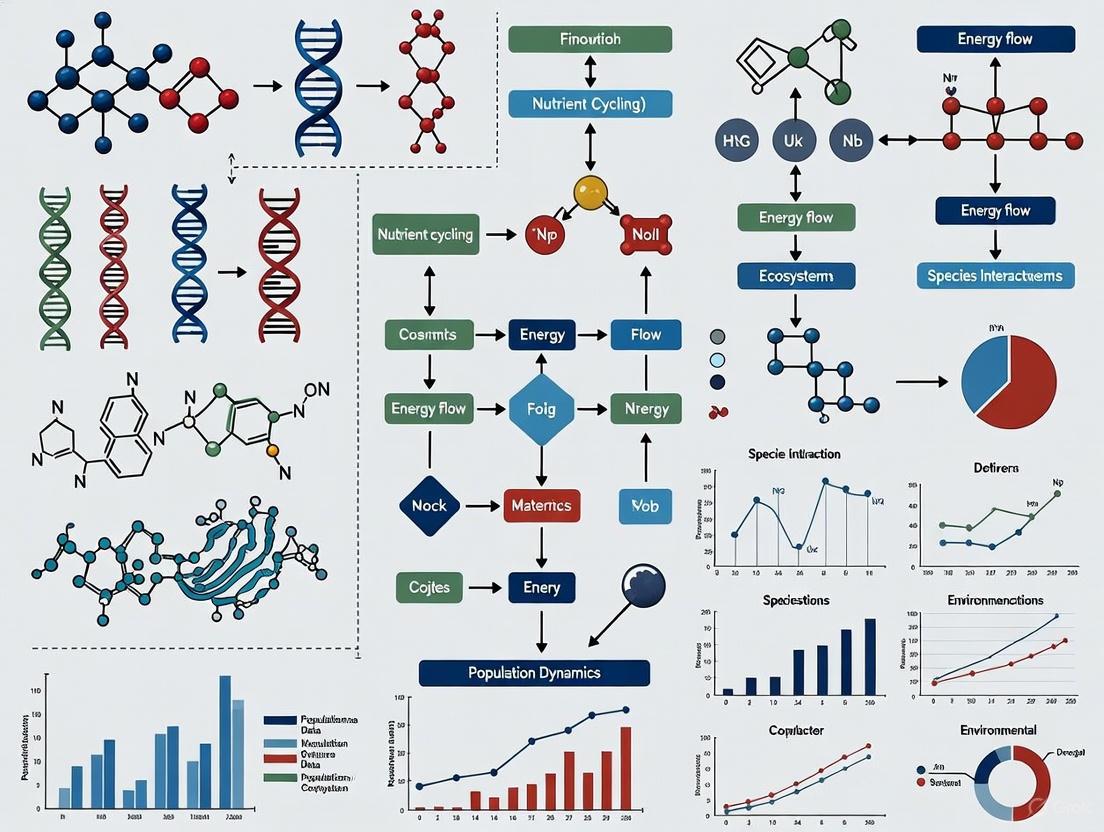
This article provides a comprehensive exploration of Long-Term Ecological Research (LTER), a critical framework for understanding ecosystem dynamics over decades.
Long-Term Ecological Research (LTER): A Foundational Guide for Researchers and Drug Development
Abstract
This article provides a comprehensive exploration of Long-Term Ecological Research (LTER), a critical framework for understanding ecosystem dynamics over decades. Tailored for researchers, scientists, and drug development professionals, we demystify LTER's core principles, its sophisticated methodologies for data collection and management, and its powerful applications in identifying environmental trends. The content further addresses the challenges of long-term studies and offers optimization strategies, concluding with a forward-looking perspective on how LTER frameworks and ecological insights are informing biomedical innovation and predictive health modeling.
What is Long-Term Ecological Research? Defining the Cornerstone of Environmental Science
The Long-Term Ecological Research (LTER) program, established by the National Science Foundation (NSF) in 1980, represents a foundational shift in ecological science, moving beyond short-term observational studies to a sophisticated, networked investigation of ecological phenomena over decadal and larger spatial scales [1] [2]. This whitepaper delineates the core mission, structural framework, and methodological approaches of the LTER Network. We detail how its integrated research themes, long-term experiments, and rigorous data management protocols generate the predictive understanding necessary to address complex environmental challenges. By providing a comprehensive guide to the LTER's operational and philosophical tenets, this document aims to illustrate its critical role in advancing fundamental ecological theory and informing evidence-based policy and resource management.
Ecology as a discipline has historically been constrained by the practical limitations of short-term funding cycles and localized studies. However, critical ecological processes—including population dynamics of long-lived species, ecosystem recovery from disturbances, and biogeochemical cycling—unfold over timespans that dwarf typical research grants [1]. The LTER Network was conceived to overcome this mismatch, founded on the recognition that unraveling the principles of ecological science "frequently involves long-lived species, legacy influences, and rare events" [1] [3].
For over four decades, the network has provided the scientific infrastructure—sustained observations, well-documented experiments, and curated data archives—required to observe these slow and often infrequent processes. The LTER network now comprises more than two dozen field sites representing a vast diversity of global habitats, including coral reefs, deserts, estuaries, forests, alpine and Arctic tundra, and urban areas [2]. This breadth enables comparative studies across biomes, allowing scientists to distinguish site-specific phenomena from general ecological principles.
Vision, Mission, and Strategic Goals
The LTER Network is guided by a cohesive strategic framework that aligns its scientific activities with broader societal benefits.
- Vision: LTER envisions a society in which exemplary science contributes to the advancement of the health, productivity, and welfare of the global environment, which in turn advances the health, prosperity, welfare, and security of the nation [1] [4].
- Mission: To provide the scientific community, policy makers, and society with the knowledge and predictive understanding necessary to conserve, protect, and manage the nation’s ecosystems, their biodiversity, and the services they provide [1] [4].
This mission is operationalized through six primary goals [1] [3]:
- Understanding: To understand a diverse array of ecosystems at multiple spatial and temporal scales.
- Synthesis: To create general knowledge through long-term, interdisciplinary research, synthesis of information, and development of theory.
- Outreach: To reach out to the broader scientific community, natural resource managers, policymakers, and the general public.
- Education: To promote training and educate a new generation of scientists.
- Information: To create well-designed and well-documented databases.
- Legacies: To create a legacy of well-designed and documented long-term observations, experiments, and archives for future generations.
Core Research Themes and Framework
LTER science is structured around a set of core research themes that facilitate cross-site comparison and integration. Initially five, the themes have expanded to include critical human-dimension components.
Table 1: Core LTER Research Themes and Definitions
| Theme | Definition & Research Focus |
|---|---|
| Primary Production | Plant growth forms the base of the food web. Research focuses on the patterns and controls of primary production that determine the amount and kind of animal life an ecosystem can support [3]. |
| Population Studies | Examines how populations of plants, animals, and microbes change in space and time, thereby moving resources and restructuring ecological systems [3]. |
| Movement of Organic Matter | Focuses on the decomposition of organic matter and its movement through the ecosystem, a critical process for nutrient recycling and food web dynamics [3]. |
| Movement of Inorganic Matter | Investigates the cycling of nitrogen, phosphorus, and other mineral nutrients through the ecosystem via decay and disturbances like fire and flood [3]. |
| Disturbance Patterns | Studies how disturbances such as storms, fires, and floods periodically reorganize ecosystem structure, enabling significant changes in plant and animal communities [3]. |
| Land Use and Land Cover Change | An emergent theme examining human impacts on land use and land-cover change, particularly in urban systems, and relating these effects to ecosystem dynamics [3]. |
| Human-Environment Interactions | An emergent theme monitoring the effects of human-environmental interactions, developing tools for socio-economic and ecosystem data integration [3]. |
Methodological Approaches: The LTER Experimental Paradigm
LTER sites employ a multi-pronged methodological approach to investigate the core themes, ensuring scientific rigor and relevance.
Integrated Research Approaches
Research at LTER sites typically integrates three complementary strategies [5]:
- Historical Studies: Paleoecology and archival research to understand past conditions and dynamics.
- Monitoring and Observation: Intensive, long-term measurements of current ecosystem structure and function.
- Experimental Manipulations: Field experiments to test hypotheses about ecosystem responses to controlled perturbations under realistic conditions.
The Workflow of LTER Science
The following diagram illustrates the integrated and cyclical workflow that characterizes research at LTER sites, from foundational data collection to societal impact.
Case Study: The Value of Long-Term Experiments
The Hubbard Brook Experimental Forest LTER provides a seminal example of the program's impact. Beginning in the 1960s, long-term monitoring of precipitation and stream chemistry revealed a previously unknown environmental crisis: acid rain was damaging forest ecosystems [6]. This LTER-generated evidence was pivotal and directly informed the 1990 Clean Air Act Amendments [6]. This case demonstrates how sustained, place-based research provides the credible data necessary for effective environmental legislation.
Data Management: The Backbone of LTER
The value of the LTER Network is inextricably linked to its robust and forward-thinking data management philosophy. The network is committed to making data available online with as few restrictions as possible, adhering to the FAIR principles (Findable, Accessible, Interoperable, and Reproducible) [3] [7].
Table 2: LTER Data Repositories and Their Functions
| Repository | Primary Function & Role |
|---|---|
| Environmental Data Initiative (EDI) | The main repository for LTER data, EDI curates and maintains well-documented, high-quality data packages from LTER sites and other environmental science programs [7]. |
| Regional/Disciplinary Repositories (e.g., Arctic Data Center, BCO-DMO) | Host LTER data in a disciplinary context, making it accessible to specific scientific communities [7]. |
| DataONE Federation | Provides a comprehensive search interface for discovering public LTER data across multiple member nodes and repositories [7]. |
| Local Site Catalogs | Maintained by individual LTER sites, these often include LTER and non-LTER data in a format most usable for site-based researchers, sometimes including pre-publication data [7]. |
Each LTER site employs a dedicated Information Manager who is responsible for documenting, quality-checking, and archiving data in these public repositories [3] [7]. This professional community ensures data are not only preserved but are also accompanied by metadata that makes them interpretable and reusable for future synthetic studies, often to answer questions unanticipated at the time of collection [7].
Essential Research Reagents and Infrastructure
The following table details key infrastructure and "research reagents" that are fundamental to conducting long-term ecological research at LTER sites.
Table 3: Key Research Reagent Solutions for Long-Term Ecological Research
| Item | Function in LTER Research |
|---|---|
| Sensor Networks | Automated, continuous collection of physical (e.g., temperature, PAR) and chemical (e.g., CO₂, nitrate) data at high temporal resolution across a landscape. |
| Weather Stations | Provide long-term, on-site meteorological records (precipitation, temperature, wind, humidity) essential for interpreting ecological patterns. |
| Eddy Covariance Towers | Measure the exchange of carbon dioxide, water vapor, and energy between the ecosystem and the atmosphere to quantify net ecosystem production. |
| Exclosure Experiments | Large-scale physical structures (e.g., fences, snow fences) to experimentally manipulate biotic (herbivore access) or abiotic (snow depth) factors. |
| Plot Networks | Permanently marked and georeferenced field plots for long-term, consistent censusing of plant and animal populations and soil sampling. |
| Specimen Archives | Physical libraries of vouchered plant, animal, and soil samples that provide a historical record for future genetic, isotopic, or morphological analysis [3]. |
| Nutrient Addition Plots | Long-term experimental plots receiving standardized nutrient (e.g., N, P) treatments to study nutrient limitation and biogeochemical cycles. |
| Standardized Taxonomic Keys | Essential reagents for ensuring consistent species identification across decades and by different researchers, protecting data integrity. |
The LTER Network represents a unique and vital enterprise in modern science. It transcends the limitations of the "snapshot" study by maintaining a long-term, place-based, and multidisciplinary research presence across a network of representative ecosystems. Its core mission—to generate the knowledge and predictive understanding needed to manage and protect ecosystems—is achieved through a steadfast commitment to integrated core themes, rigorous experimentation, and the stewardship of a priceless legacy of long-term data. As environmental challenges grow in complexity and scale, the foundational research conducted by the LTER Network will only increase in its value to science, policy, and society.
Understanding complex ecosystems requires more than brief observational snapshots; it demands a commitment to observing ecological processes as they unfold over decades. Short-term studies, while valuable for identifying immediate phenomena, often fail to capture the slow processes, rare events, and complex feedback loops that fundamentally govern ecosystem structure and function. The Long Term Ecological Research (LTER) Network, established by the U.S. National Science Foundation, was created specifically to address these limitations through sustained investigation across diverse ecosystems [8]. This network represents a fundamental shift in ecological research methodology, moving beyond temporary observation to embedded, long-term investigation that can reveal patterns invisible to short-term studies.
The LTER Network comprises over 2,000 researchers working across 28 sites [9] [8], from the McMurdo Dry Valleys in Antarctica to tropical forests in Puerto Rico [8]. This collaborative framework enables researchers to apply standardized approaches including long-term observation, experiments, and modeling to understand how ecological systems function over extended temporal and spatial scales [9]. The knowledge generated through this work provides the scientific foundation necessary to conserve, protect, and manage ecosystems, their biodiversity, and the essential services they provide to society [10].
Theoretical Framework: Ecological Processes Across Temporal Scales
Ecological processes operate across vastly different time scales, from the instantaneous photosynthesis in leaves to the centennial shifts in climate and species composition. The LTER Network's research design explicitly acknowledges this multi-scalar nature of ecological dynamics, focusing on five core areas of investigation: primary production, population dynamics, organic matter accumulation, nutrient cycling, and disturbance patterns [8]. Each of these areas contains elements that manifest over different timeframes, making them particularly unsuitable for brief investigation.
The Problem of Transient Dynamics
Ecosystems rarely exist in steady-state conditions but instead are frequently in states of recovery from past disturbances or adjusting to changing environmental conditions. Short-term studies conducted during these transitional periods can yield misleading conclusions about long-term trends and stable relationships. For instance, an investigation of nutrient cycling immediately following a fire event would capture fundamentally different dynamics than one conducted a decade later during ecosystem recovery. The LTER approach allows researchers to distinguish between temporary fluctuations and genuine trends by maintaining observation through multiple cycles of disturbance and recovery.
Table: Ecological Processes and Their Characteristic Time Scales
| Ecological Process | Characteristic Time Scale | Short-Term Study Limitations |
|---|---|---|
| Nutrient Cycling | Seasonal to decadal | Misses interannual variability and long-term accumulation/ depletion trends |
| Population Dynamics | Annual to multi-generational | Fails to capture population responses to rare events and climate shifts |
| Succession | Decadal to centennial | Only reveals initial stages, missing climax communities and transition dynamics |
| Disturbance Regimes | Event-driven to centennial | Unlikely to observe full range of natural variation and recovery processes |
| Evolutionary Adaptation | Multi-generational | Completely invisible without long-term genetic monitoring |
Evidence Base: How Long-Term Data Reveals Hidden Patterns
The value of long-term ecological research becomes evident when examining specific cases where extended datasets have revealed patterns that contradict or complicate conclusions drawn from shorter studies. Across the LTER Network, numerous examples demonstrate how sustained observation has transformed our understanding of ecological processes.
Documenting Ecosystem Responses to Press and Pulse Disturbances
At the Hubbard Brook Experimental Forest LTER, long-term monitoring of sugar maple seedlings revealed unexpected responses to watershed calcium amendment treatments. Data collected in 2003 and 2004 showed differences in seedling heights between calcium-treated and reference watersheds, providing insights into soil acidification recovery processes that would be invisible in a single-year study [10]. Similarly, at the Luquillo LTER, stream chemistry data captured the impact of hurricanes on water quality, documenting both the immediate effects and the extended recovery period [10]. These datasets exemplify how LTER research captures both "pulse" disturbances (discrete events like hurricanes) and "press" disturbances (continuous pressures like acid deposition).
At the North Temperate Lakes LTER, ice cover records spanning from 1853 to 2019 have provided crucial evidence of climate change impacts on freshwater systems [10]. This extraordinary temporal depth allows researchers to distinguish natural variability from anthropogenic trends and to develop predictive models of how lakes will respond to continued warming. The length of this dataset is particularly valuable as it predates significant human-caused climate change, providing a critical baseline against which to measure recent alterations.
Cross-Site Synthesis and Comparative Analysis
The power of LTER data is magnified through cross-site comparisons that reveal broader ecological principles. The Network coordinates data collection and management standards that enable researchers to conduct synthetic studies across multiple ecosystems [9] [7]. For example, the lterdatasampler R package contains curated datasets from multiple LTER sites, specifically designed for educational use [10]. These standardized datasets allow students and researchers to compare ecological patterns across diverse biomes, from the Arctic to the tropics.
Table: Representative LTER Datasets and Their Research Applications
| LTER Site | Dataset | Temporal Scope | Research Applications |
|---|---|---|---|
| Andrews Forest | Aquatic vertebrates | 1987-present | Length-mass relationships, effects of forest management on aquatic ecosystems [10] |
| Arctic | Daily meteorological data | 1988-present | Climate change impacts, seasonality studies, forecasting [10] |
| Hubbard Brook | Sugar maple seedlings | 2003-2004 | Soil acidification recovery, calcium treatment effects [10] |
| North Temperate Lakes | Ice cover phenology | 1853-2019 | Climate change impacts on freshwater systems, phenological shifts [10] |
| Konza Prairie | Bison mass records | Ongoing | Animal growth models, grazing effects on prairie ecosystems [10] |
| Plum Island | Fiddler crab morphology | 2016 | Latitudinal gradients, Bergmann's Rule validation [10] |
Methodological Protocols: Implementing Long-Term Ecological Research
The LTER Network has developed sophisticated methodological protocols to ensure that data collection remains consistent, comparable, and sustainable across decades of research. These protocols encompass everything from field data collection to information management and sharing.
Data Management and Curation Protocols
A cornerstone of the LTER approach is its commitment to high-quality, well-documented, and publicly accessible data. Each LTER site employs an Information Manager who ensures that data are reviewed for errors and inconsistencies and thoroughly documented [7]. The Network maintains several pathways for data access:
- Environmental Data Initiative (EDI): The main repository for LTER data, EDI curates and maintains data from many environmental science research programs [7].
- Regional Repositories: LTER data are also available through disciplinary or regional repositories such as the Biological and Chemical Oceanography Data Management Office (BCO-DMO), the Arctic Data Center, and others [7].
- Local Site Catalogs: Many LTER sites maintain local data catalogs that include both LTER and non-LTER data, often presented in ways most usable for site-based researchers [7].
The LTER data management philosophy emphasizes making data available with as few restrictions as possible, recognizing that freely available data are often reused to answer unexpected questions years after their initial collection [7]. This approach has established the LTER Network as a leader in promoting the FAIR (Findable, Accessible, Interoperable, and Reusable) principles for scientific data management.
Experimental Design for Long-Term Studies
LTER research combines observational studies with large-scale, long-term experiments to disentangle complex ecological interactions. The Kellogg Biological Station LTER, for example, maintains multiple long-term experiments including the Main Cropping System Experiment (MCSE) that compares annual crop systems, perennial systems, and unmanaged communities [11]. This experimental design allows researchers to examine how different management approaches affect productivity, nutrient cycling, and biodiversity over decades.
Similarly, the Konza Prairie LTER maintains watershed-level experimental treatments involving different fire return intervals and grazing regimes. These experimental manipulations, maintained over decades, have revealed the complex interactions between disturbance regimes and grassland ecosystem structure and function. Such research would be impossible through short-term experimentation, as many ecological responses unfold over timescales that exceed traditional funding cycles.
LTER Methodological Framework
Conducting successful long-term ecological research requires specialized tools and approaches that differ in important ways from those used in short-term studies. The following research reagents and resources represent essential components of the LTER toolkit.
Table: Essential Research Reagents and Resources for Long-Term Ecological Research
| Resource Category | Specific Tools/Platforms | Function in LTER Research |
|---|---|---|
| Data Repositories | Environmental Data Initiative (EDI) [7] | Primary repository for LTER data, ensuring long-term preservation and access |
| Data Synthesis Tools | DataONE [7] | Federated search across multiple ecological data repositories |
| Analytical Programming | R package lterdatasampler [10] |
Provides curated LTER datasets for educational and exploratory analysis |
| Information Management | LTER Information Managers [7] | Site-based experts ensuring data quality, documentation, and standards compliance |
| Cross-site Communication | LTER Network Office [9] | Coordinates research priorities, standards, and synthesis activities across sites |
| Meteorological Instrumentation | Automated weather stations [10] | Standardized collection of long-term climate data across sites |
| Species Monitoring Protocols | Standardized trapping, counting, and identification methods [10] | Consistent tracking of population dynamics across temporal scales |
Technological Frontiers: Emerging Approaches in Long-Term Research
The LTER Network continues to evolve its methodological approaches, incorporating new technologies and analytical frameworks to enhance the value of long-term data. Several emerging approaches show particular promise for advancing understanding of complex ecosystems.
Artificial Intelligence and Machine Learning Applications
The LTER community is actively exploring applications of Generative AI (GenAI) and other artificial intelligence approaches to enhance research workflows. These tools show promise for multiple aspects of ecological research, including data quality checks, analysis, visualization, metadata generation, and knowledge management [12]. For example, AI tools can help identify anomalies in long-term datasets, generate standardized metadata, and synthesize information from diverse sources.
However, the integration of AI into ecological research also presents significant challenges, including content risks (hallucinations, misinformation), cultural risks (undermining scientific integrity), and environmental risks (substantial energy demands) [12]. The LTER community emphasizes responsible use of these tools, including careful verification of outputs and consideration of ethical implications [12].
Standardized Data Packaging and Analysis
The development of specialized software tools represents another frontier in long-term ecological research. The lterdatasampler R package exemplifies this approach, providing standardized access to curated datasets from multiple LTER sites [10]. Such tools lower barriers to engaging with long-term data, particularly in educational contexts, and promote reproducible analytical workflows.
Similarly, the LTER community has developed ltertools, an R package created by and for the LTER community to streamline common analytical tasks [7]. These specialized software resources enhance the utility of long-term datasets and facilitate cross-site comparisons that can reveal broader ecological principles.
LTER Research Workflow
The critical shift from short-term investigations to long-term ecological research represents more than merely extending observation periods; it constitutes a fundamental transformation in how we understand and study complex ecosystems. The LTER Network has demonstrated repeatedly that processes invisible in short-term studies often determine ecological outcomes over human lifespans and beyond. From climate change impacts on ice cover to the slow recovery of ecosystems from acid deposition, long-term research provides insights essential for both scientific understanding and effective environmental management.
As environmental challenges become increasingly complex and pressing, the need for robust long-term ecological data becomes ever more critical. The research methodologies, data management practices, and collaborative frameworks developed by the LTER Network provide an essential foundation for addressing these challenges. By maintaining this commitment to understanding ecological processes across extended temporal scales, the scientific community can develop the knowledge necessary to conserve and protect the ecosystems upon which human society depends.
The Long-Term Ecological Research (LTER) network represents a transformative approach to ecology that emphasizes sustained observation and experimentation to understand ecological processes that play out over decades and centuries. Initiated by the U.S. National Science Foundation (NSF) in 1980, the LTER program was founded on the recognition that many critical ecological phenomena—from forest succession to nutrient cycling—operate on timescales far longer than typical research grants [13]. This paradigm challenged the prevailing model of short-term ecological studies and created an infrastructure for sustained investigation at individual sites, while simultaneously building a network for cross-site comparison and synthesis.
The core innovation of LTER lies in its dual emphasis on place-based research and network-level science. Individual sites build deep knowledge of specific ecosystems, while the network facilitates comparison across diverse biomes and environmental conditions. This approach has revealed patterns and processes invisible to shorter-term studies, such as the complex responses of ecosystems to climate change, the long-term impacts of disturbance regimes, and the slow unfolding of biotic interactions [14]. Over more than four decades, the LTER network has expanded from an initial set of six sites to encompass 26 active sites across the United States, including diverse ecosystems from polar regions to tropics, and from remote wilderness to urban centers [9].
The success of the U.S. LTER network inspired the creation of the International LTER (ILTER) network, which now operates as a network of country-based networks focused on long-term, place-based research from an ecosystem perspective [15]. With 44 member networks and over 800 sites in almost every biome on Earth, ILTER has globalized the LTER approach, enabling research on planetary-scale ecological challenges [15]. Both networks share a commitment to data preservation, sustainability, and access, recognizing that long-term datasets are invaluable resources for detecting change, testing theories, and informing policy.
Historical Development and Key Milestones
The Formative Years of LTER
The LTER network has evolved through distinct phases since its establishment, with key transitions reflected in its governance, scientific priorities, and physical composition. The 1980s marked the network's formation, with the first sites selected for their representative ecosystems and potential for long-term study. During the 1990s, the network matured, developing standardized measurement protocols and information management systems that enabled cross-site comparison. The 2000s witnessed a strategic expansion into new ecosystem types and the beginnings of international coordination, while the 2010s saw increased emphasis on synthesis and network-level science [14].
Significant transitions have occurred in the network's leadership and organizational structure. Major governance changes were implemented in 2006 when a new structure consisting of a Science Council and an Executive Board was approved [14]. This period also saw the development of formal bylaws for the LTER Network in 2003, providing a framework for decision-making and collaboration [14]. Leadership transitions have been regular features of the network's history, with notable chairs including Diane McKnight elected in 2019, Peter Groffman assuming the role in 2014 after Scott Collins' resignation, and Phil Robertson elected in 2007 [14].
The network's composition has dynamically changed over time, with sites added and retired based on scientific priorities and funding decisions. Recent additions have particularly emphasized marine ecosystems, with three new LTER sites receiving NSF funding in 2017: Northeast U.S. Shelf (NES), Northern Gulf of Alaska (NGA), and Beaufort Lagoon Ecosystem (BLE) [14]. Conversely, several sites have concluded their LTER activities, including Coweeta LTER officially ending in 2021 and the Baltimore Ecosystem Study not renewed in 2019 [14].
Expansion and Internationalization
The international expansion of LTER began in earnest in the early 2000s, with the formation of the U.S. ILTER Committee in 2003 [14]. This development recognized the value of global comparisons for understanding ecological processes operating at broad scales. A significant milestone occurred in 2013 when the U.S. and French LTER networks signed a Memorandum of Understanding, committing both networks to site and scientist collaborations [14]. This formal agreement exemplified the growing importance of international partnerships in addressing global environmental challenges.
The European LTER network (LTER-Europe) was established in 2007 and has since grown to include 26 national networks as of 2025 [16]. LTER-Europe has been instrumental in advancing the integration of social and ecological sciences through the development of the Long-Term Socio-Ecological Research (LTSER) platform concept [16]. These platforms represent a significant evolution from traditional LTER sites by encompassing larger areas (up to 10,000 km²) and explicitly incorporating human dimensions through networking of actor groups, data management, and communication services [16].
Table: Major Historical Milestones in LTER and ILTER Development
| Year | Event | Significance |
|---|---|---|
| 1980 | U.S. LTER Program created by NSF | Established the first coordinated long-term ecological research network [13] |
| 2000 | Three new coastal LTER sites join network | Expanded research into critical coastal ecosystems [14] |
| 2003 | U.S. ILTER Committee formed | Formalized international engagement and collaboration [14] |
| 2007 | LTER-Europe founded | Created regional structure for European collaboration [16] |
| 2013 | U.S.-French LTER MOU signed | Exemplified growing international partnerships [14] |
| 2017 | Three new marine LTER sites funded | Significantly expanded marine ecosystem research [14] |
| 2021 | Minneapolis-St. Paul urban LTER established | Continued emphasis on human-dominated ecosystems [14] |
Recent Developments and Current Status
The most recent decade has been characterized by both challenges and achievements. The 40th anniversary of the LTER Network in 2020 coincided with the global COVID-19 pandemic, which shut down nearly all research for the summer of 2020 and continued to affect vulnerable polar sites into the following field season [14]. Despite these disruptions, the network has continued to evolve, with a decadal review committee formed and charged by NSF to review the last decade of the Network's activities in 2020 [14].
Recent years have seen important developments in network infrastructure and coordination. The LTER Network Office received continued funding for operation at the National Center for Ecological Analysis and Synthesis at UC Santa Barbara in 2019, while the Environmental Data Initiative received continued funding for operation at the University of Wisconsin and the University of New Mexico [14]. These investments reflect the ongoing commitment to supporting the network's scientific and data management needs.
The international network continues to expand its global reach, with ILTER's 2024 Open Science Meeting held in Xishuangbanna, China, and future meetings planned for Bariloche, Argentina in 2027 [17]. These gatherings facilitate the exchange of knowledge regarding the latest developments in long-term ecosystem research and strengthen connections among researchers worldwide.
Organizational Structure and Network Composition
Governance and Coordination
The LTER and ILTER networks have developed sophisticated governance structures to coordinate activities across multiple scales while maintaining scientific autonomy at individual sites. The U.S. LTER network operates through a framework established by its Executive Board and Science Council, which provide strategic direction and scientific coordination respectively [14]. This structure was formalized in 2006 when a new governance model was approved by the LTER Coordinating Committee, replacing earlier more informal arrangements [14].
Day-to-day operations are supported by the LTER Network Office (LNO), which has been housed at various institutions throughout the network's history, most recently at the National Center for Ecological Analysis and Synthesis at UC Santa Barbara [14]. The LNO facilitates communication, education and outreach, planning, and synthesis activities across the network. Additional specialized support comes from the Environmental Data Initiative (EDI), which operates from the University of Wisconsin and the University of New Mexico and is responsible for data management infrastructure [14].
At the international level, ILTER functions as an "umbrella organization" encompassing national LTER networks [16]. Each member network maintains its own governance structure while participating in ILTER activities. LTER-Europe, as one of the regional groups of ILTER, has two seats in the ILTER Executive Committee and has provided leadership including the ILTER co-chair and secretary positions [16]. This distributed governance model allows for both global coordination and regional adaptation to specific scientific priorities and funding environments.
Site Classifications and Research Facilities
The LTER and ILTER networks encompass diverse research facilities classified according to their spatial scale and research focus. The basic unit is the LTER site ("traditional" LTER site), which is a facility of limited size (up to 10 km²) comprising mainly one habitat type and form of land use [16]. Activities at these sites concentrate on small-scale ecosystem processes and structures, including biogeochemistry, selected taxonomic groups, primary production, and disturbances [16].
A significant innovation in Europe has been the development of LTSER platforms (Long-Term Socio-Ecological Research platforms). These are modular LTER facilities consisting of sites located in an area with defined boundaries, typically covering up to 10,000 km² [16]. Beyond the physical research component, LTSER platforms provide multiple services including networking of actor groups (e.g., researchers, local stakeholders), data management, communication, and representation [16]. The elements of LTSER platforms represent the main habitats, land use forms, and practices relevant for the broader region and cover all scales and levels relevant for LTSER from local to landscape scales [16].
Table: Classification of LTER Research Facilities
| Facility Type | Spatial Scale | Primary Focus | Key Characteristics |
|---|---|---|---|
| LTER Site | Up to 10 km² | Ecosystem processes and structures | Single habitat type; focus on biogeochemistry, primary production, selected taxa, disturbances [16] |
| LTSER Platform | Up to 10,000 km² | Socio-ecological interactions | Multiple habitats and land uses; includes physical component and management/services component; represents economic and social units [16] |
These facility types form the basis for the construction of the emerging eLTER Research Infrastructure (eLTER RI) in Europe, which is currently in the process of selecting participating sites and platforms [16]. The formalization of these categories is an ongoing activity within the European LTER process, with further specifications developed in other advanced national networks including South Africa's SAEON, Australia's TERN, and China's CERN [16].
Scientific Framework and Methodologies
Core Research Principles and Approaches
The scientific framework of LTER and ILTER is built upon several foundational principles that distinguish it from other ecological research approaches. Long-term observation forms the bedrock of the network's activities, enabling the detection of slow processes and rare events, the quantification of variability, and the separation of directional change from natural oscillation [13]. This temporal dimension is complemented by a place-based approach that recognizes the importance of context and history in shaping ecological patterns and processes.
A second key principle is cross-site comparison, which allows researchers to distinguish site-specific phenomena from general principles operating across multiple ecosystems [15]. The network deliberately encompasses diverse biomes and environmental conditions to facilitate these comparisons. This approach has been formalized through the development of standardized protocols for measuring core variables, enabling data compatibility across sites and through time [18].
More recently, the networks have embraced socio-ecological integration as a core principle, particularly through the LTSER platform concept [16]. This approach recognizes that most contemporary ecosystems are influenced by human activities and that understanding their dynamics requires integrating social and ecological data. The Eisenwurzen LTSER platform in Austria exemplifies this approach, having collected and evaluated 117 socio-ecological datasets spanning more than five decades (1970–2023) to understand human-environment interactions [19].
Data Management and Synthesis Protocols
The LTER and ILTER networks have developed sophisticated data management infrastructures to ensure the preservation, quality, and accessibility of long-term datasets. The Environmental Data Initiative (EDI) serves as the primary repository for U.S. LTER data, providing tools for data submission, quality checking, and discovery [14]. Internationally, the Dynamic Ecological Information Management System – Site and dataset registry (DEIMS-SDR) serves as a comprehensive metadata portal containing information on ILTER sites worldwide [15] [16].
A critical methodology that has emerged within the networks is synthesis working groups, which bring together researchers from multiple sites to address cross-cutting questions. Since 2015, the LTER Network has formally funded Synthesis Working Groups to tackle questions requiring integration of data from multiple sites and disciplines [14]. These groups follow structured protocols for data identification, harmonization, analysis, and publication that have proven effective for generating new insights from existing data.
The Climate-Hydrology Synthesis Working Group exemplifies this approach, having developed specific protocols for climate and streamflow trend analysis across LTER sites [18]. Their methodology includes:
- Data Identification and Harvesting: Identifying daily climate and streamflow data suitable for long-term trend analysis (1950-2012) and harvesting these data into climDB/hydroDB, a web harvester and data warehouse that provides uniform access through a single portal [18].
- Data Quality Control: Checking climate data for discontinuities due to changes in instrumentation, physical surroundings, data collection methods, or data archiving [18].
- Standardized Trend Analysis: Conducting rigorous, standardized trend analyses using consistent statistical approaches across sites [18].
- Comparison and Synthesis: Sharing, comparing, and interpreting climate and streamflow trends across the full collection of LTER sites to identify broader patterns [18].
Distributed Experiments and Emerging Methodologies
In recent years, LTER and ILTER networks have increasingly served as platforms for distributed experiments in which a standardized protocol is implemented across multiple sites. These experiments represent a powerful bridge between continental-scale monitoring and in-depth site-based studies [15]. Examples include:
- DroughtNet: A global network studying ecosystem sensitivity to drought by imposing standardized rainfall manipulation experiments at over 100 sites worldwide.
- NutNet (Nutrient Network): A coordinated grassland experiment examining impacts of nutrient enrichment across more than 130 sites globally.
- DIRT (Detrital Input Removal and Trenching): A long-term experiment manipulating litter inputs and root activity to study soil carbon dynamics.
- Tea Bag Index: A simple standardized method using tea bags as standardized litter bags to measure decomposition rates across ecosystems.
These distributed experiments leverage the existing infrastructure of research sites while enabling tests of ecological principles across diverse environmental conditions. The methodology typically involves developing a simple, cost-effective protocol that can be implemented consistently across sites with varying resources and expertise, followed by coordinated data analysis that examines both general patterns and context dependence [15].
Research Tools and Infrastructure
Field Instrumentation and Monitoring Systems
Long-term ecological research requires robust, reliable instrumentation capable of operating continuously across seasonal and interannual time scales. The LTER and ILTER networks employ a diverse suite of monitoring technologies selected for their durability, accuracy, and compatibility with network-wide data standards. While specific instruments vary by site and research focus, several core technologies are widely deployed across the networks.
Environmental sensor networks form the technological backbone of most LTER sites, providing continuous measurements of meteorological, hydrological, and soil parameters. These typically include automated weather stations measuring temperature, precipitation, humidity, solar radiation, and wind speed; stream gauges monitoring discharge, temperature, and conductivity; and soil sensors tracking moisture, temperature, and in some cases nutrient availability. Data from these sensors are typically logged automatically and transmitted to central databases at regular intervals.
Biometric monitoring represents another essential component, with standardized protocols for measuring vegetation structure and composition, population dynamics of key species, and ecosystem processes such as primary production and decomposition. These measurements often combine technologically advanced approaches (such as automated camera systems for phenological monitoring or lidar for vegetation structure) with traditional field methods to maintain continuity with long-term datasets.
Table: Essential Research Tools in LTER/ILTER Investigations
| Tool Category | Specific Technologies | Primary Functions | Data Applications |
|---|---|---|---|
| Atmospheric Monitoring | Eddy covariance towers, weather stations, precipitation gauges | Measure greenhouse gas fluxes, meteorological variables | Climate trend analysis, ecosystem-atmosphere exchange [20] |
| Hydrological Instruments | Stream gauges, water quality sensors, soil moisture probes | Monitor discharge, water chemistry, soil hydrology | Hydrological trend analysis, nutrient cycling studies [18] |
| Biological Survey Tools | Vegetation plots, camera traps, acoustic monitors, dendrometers | Quantify species distribution, abundance, phenology, growth | Biodiversity assessment, population dynamics, phenological shift detection |
| Remote Sensing Platforms | Satellites, UAVs, aerial photography | Landscape-scale monitoring of vegetation, land cover, topography | Land use change detection, habitat mapping, disturbance assessment [20] |
| Data Management Systems | DEIMS-SDR, EDI Data Portal, PASTA | Data preservation, metadata cataloging, data discovery and access | Data synthesis, cross-site comparison, quality assurance [14] [15] |
Cyberinfrastructure and Data Systems
The LTER and ILTER networks have invested significantly in cyberinfrastructure to support the management, preservation, and sharing of long-term data. The Environmental Data Initiative (EDI) serves as the primary data repository for U.S. LTER sites, providing tools for data submission, quality assurance, and discovery [14]. EDI utilizes the PASTA (Provenance Aware Synthesis Tracking Architecture) software framework, which has expanded to serve the broader Division of Environmental Biology community [14].
At the international level, the Dynamic Ecological Information Management System – Site and dataset registry (DEIMS-SDR) functions as a comprehensive catalog for ILTER sites, documenting site characteristics, research projects, investigators, and available data [15] [16]. DEIMS-SDR enables researchers to search for sites, sensors, or activities meeting specific criteria and facilitates connections between potential collaborators across the global network.
The networks have also developed specialized databases for particular data types or synthesis activities. Examples include the LTER NIS Data Portal released in 2013 for accessing LTER site data, and the earlier Clim/HydroDB database transferred from Oregon State University to the LTER Network Office in 2009 [14]. These specialized resources complement the general data repositories by providing tailored access to specific data types commonly used in cross-site research.
Significant Research Findings and Applications
Ecological Insights from Long-Term Studies
The extended temporal perspective of LTER research has yielded fundamental insights into ecological dynamics that would be inaccessible through shorter-term studies. At individual sites, long-term observations have revealed complex ecosystem responses to environmental change that often contradict expectations based on short-term experiments. For example, research at multiple LTER sites has demonstrated that initial ecosystem responses to perturbations such as drought, fertilization, or species invasions frequently differ substantially from longer-term trajectories due to compensatory mechanisms, evolutionary adaptations, and changing biotic interactions.
Cross-site syntheses have identified general principles governing ecosystem structure and function across diverse environmental conditions. The Climate-Hydrology Synthesis Working Group, for instance, has conducted systematic analyses of climate and streamflow trends across LTER sites, revealing coherent regional patterns in hydroclimatic change despite substantial site-to-site variability [18]. These analyses provide crucial context for interpreting ecological responses to climate change at individual sites and offer insights into the mechanisms underlying geographical variation in vulnerability.
Research within the networks has also advanced understanding of ecological connectivity across spatial scales. Studies examining relationships between pattern and process from local to landscape scales have been particularly facilitated by the LTSER platform approach, which explicitly incorporates multiple spatial scales within its design [16]. This work has demonstrated how fine-scale processes can aggregate to produce regional patterns, and how broad-scale drivers can constrain local dynamics.
Policy and Management Applications
The long-term perspectives provided by LTER and ILTER research have proven invaluable for environmental management and policy development. The networks' data have informed management of natural resources by providing context for interpreting shorter-term monitoring results and identifying the range of natural variability against which human impacts can be assessed [20]. For instance, long-term data from LTER sites have been used to set biologically meaningful standards for air and water quality, to develop sustainable harvest levels for fisheries and forests, and to design effective conservation strategies for threatened species and ecosystems.
The socio-ecological research approach pioneered particularly within LTER-Europe has advanced the practice of adaptive management by creating structures for ongoing collaboration between researchers and stakeholders [20]. The Climate Ecological Observatory for Arctic Tundra (COAT) in the Norwegian Arctic exemplifies this approach, using a food-web framework to design monitoring programs that integrate management interventions within the conceptual models guiding long-term research [20]. Such collaborations become particularly productive when researchers and managers work together over time, developing common understanding and mutual trust [20].
LTER research has also contributed to environmental policy at regional, national, and international levels. The networks' data on trends in ecosystem condition have informed legislation and international agreements addressing issues including air pollution, climate change, and biodiversity conservation. The emphasis on making data publicly accessible has ensured that policy makers have access to the best available science when making decisions with long-term consequences for ecosystems and human communities.
Future Directions and Emerging Challenges
Scientific Priorities and methodological Evolution
The LTER and ILTER networks continue to evolve in response to emerging scientific questions and methodological opportunities. Several priority areas are shaping the networks' trajectories, including:
Enhanced integration of social and ecological sciences: The success of LTSER platforms in Europe is driving efforts to more fully incorporate human dimensions into LTER research worldwide [19]. This includes developing standardized socio-ecological variables, improving methods for integrating qualitative and quantitative data, and creating frameworks for conceptualizing and modeling feedbacks between social and ecological systems [19]. The Eisenwurzen LTSER platform has demonstrated the value of collecting and evaluating socio-ecological datasets spanning multiple decades, while also highlighting challenges in accessing long-term series for certain variables such as consumption, livestock, and regional economics [19].
Upscaling and intercomparison: As global connectivity increases, there is growing recognition of the need to better incorporate multiple scales in socio-ecological research [20]. eLTER is advancing the analysis of upscaling phenomena in socio-ecological systems, with particular focus on requirements for integrating place-based research in LTSER platforms with national to continental approaches in social ecology [20]. This work addresses the challenge of transferring information between scales in analyzing and modeling socio-ecological systems.
Technological innovation: The networks are increasingly leveraging new technologies including environmental sensor networks, remote sensing platforms, and molecular tools to expand the scope and precision of observations. A particularly promising development is the creation of integrated observatories for studying interactions between Earth's surface and the atmosphere, which would combine measurements of greenhouse gases, atmospheric chemicals, and ecosystems at the same locations [20]. Such observatories would allow more cost-efficient understanding of how the Earth system works by resolving processes or fluxes that satellites cannot detect and providing ground-truthing for satellite data [20].
Structural and Collaborative Developments
The organizational structures of LTER and ILTER are also evolving to meet changing scientific needs and operational challenges. Several developments are likely to shape the networks' future:
Formalization of research infrastructures: In Europe, the eLTER process is advancing toward establishment of a formal eLTER Research Infrastructure (eLTER RI) through the European Strategy Forum on Research Infrastructures (ESFRI) [16] [19]. This formalization will enhance the long-term stability of the network and support more standardized operations across sites. Similar developments are occurring in other regions, including South Africa's SAEON, Australia's TERN, and China's CERN [16].
Strengthened global integration: The ILTER network is working to improve representativeness, particularly in the Americas and the Global South, as evidenced by the planned 2027 Open Science Meeting in Bariloche, Argentina [17]. This focus on broadening geographical participation will enhance the network's capacity to address globally relevant ecological questions and incorporate diverse perspectives and knowledge systems.
Enhanced training and capacity building: The networks are placing increased emphasis on supporting early career researchers and building scientific capacity worldwide. Initiatives such as the ILTER Early Career Researchers Network and virtual training opportunities are expanding access to the skills and knowledge needed for long-term ecological research [17]. These efforts recognize that sustaining long-term research requires continuous engagement of new generations of scientists.
As the LTER and ILTER networks look toward their next decades, they face the challenge of maintaining long-term continuity in observation and experimentation while remaining responsive to rapidly evolving scientific questions and methodological opportunities. Their continued success will depend on sustaining the foundational principles of place-based research, data sharing, and cross-site comparison while adapting to new understandings of ecological complexity and increasing human influence on Earth's systems.
The Long-Term Ecological Research (LTER) program, established by the National Science Foundation (NSF) in 1980, was founded on the recognition that many critical ecological questions cannot be resolved with short-term observations or experiments [3]. Ecological phenomena often involve long-lived species, legacy influences, and rare events, requiring decadal-scale studies to unravel fundamental principles and processes [3] [21]. The LTER network provides the scientific community, policy makers, and society with the knowledge and predictive understanding necessary to conserve, protect, and manage the nation's ecosystems, their biodiversity, and the services they provide [3].
LTER research is characterized by two fundamental components: (1) research located at specific sites chosen to represent major ecosystem types or natural biomes, and (2) emphasis on studying ecological phenomena over long periods of time based on data collected in core areas [22] [21]. This dual approach enables researchers to obtain an integrated, holistic understanding of populations, communities, and ecosystems that would be impossible through individual, short-term investigations [21]. The network currently supports 27 research sites across diverse ecosystems, generating more than 40 years of sustained observations that are publicly available to the scientific community [3] [22].
Conceptual Framework and Core Research Areas
The conceptual framework of LTER research is organized around compelling questions that require uninterrupted, long-term collection, analysis, and interpretation of environmental data [21]. This framework explicitly justifies the long-term questions posited by the research and identifies how data in core areas contribute to understanding these questions while testing major ecological theories and concepts [21]. The common focus on standardized core areas facilitates powerful comparisons across the network's diverse ecosystems [23].
The Original Five Core Themes
Five core research themes have been central to LTER Network science since its inception. Research in these areas requires the involvement of multiple scientific disciplines over long time spans and broad geographic scales [3] [23].
Table 1: Original Five Core Research Themes in LTER
| Core Theme | Research Focus | Ecosystem Significance |
|---|---|---|
| Primary Production | Plant growth as the base component of food webs | Determines the amount and type of secondary productivity (animals) an ecosystem can support [3] |
| Population Studies | Dynamics of plant, animal, and microbial populations in space and time | Understanding how populations move resources and restructure ecological systems [3] |
| Movement of Organic Matter | Decomposition and recycling of dead plants, animals, and organisms | Critical component of nutrient cycling and food web dynamics [3] |
| Movement of Inorganic Matter | Cycling of nitrogen, phosphorus, and other mineral nutrients through decay and disturbance | Understanding how excessive nutrients can have far-reaching harmful effects on environments [3] |
| Disturbance Patterns | Ecosystem reorganization through fire, flood, and other disturbances | Periodic restructuring allows significant changes in plant and animal communities [3] |
Emerging Core Themes
With the addition of urban LTER sites, two additional themes have emerged that have proven relevant across the entire network [3] [23]:
Land Use and Land Cover Change: Examines human impact on land use and land-cover change in urban systems and relates these effects to ecosystem dynamics [23].
Human-Environment Interactions: Monitors effects of human-environmental interactions in urban systems, develops appropriate tools (such as GIS) for data collection and analysis of socio-economic and ecosystem data, and creates integrated approaches to linking human and natural systems in urban environments [23].
Methodological Approaches in LTER
LTER employs sophisticated methodological approaches that integrate long-term observation, experimentation, and modeling to understand ecological processes across multiple spatial and temporal scales.
Long-Term Data Collection Protocols
The value of LTER's long-term data resource is immense, and LTER data managers have been leaders in the movement to ensure ecological data is accessible and usable [3]. Dedicated information managers document and archive LTER data in public repositories, primarily the Environmental Data Initiative (EDI), which has a strong record of serving FAIR (Findable, Accessible, Interoperable, and Reproducible) data [3]. Data collection follows rigorous protocols established for each core research area to maintain consistency across decades of observation.
Experimental Designs and Cross-Site Synthesis
LTER sites develop and maintain large-scale experiments that provide starting conditions for process-level studies, help parameterize and test models, and spur cross-site synthesis [3]. These experiments are designed to run for multiple years or decades to capture ecological processes that operate over longer timeframes than traditional grant cycles. The network facilitates cross-site interactions that examine patterns or processes over broad spatial scales, enabling researchers to distinguish site-specific phenomena from general ecological principles [21].
Integrating Eco-Evolutionary Dynamics
Recent research highlights the importance of integrating evolutionary biology with ecosystem science to forecast ecosystem outcomes of global change more accurately [24]. Common garden experiments have demonstrated that many species exhibit heritable variation in traits that underlie organismal capacity to respond to global change pressures like warming, elevated CO₂, and nitrogen enrichment [24]. "Resurrection" approaches—combining common garden experiments with predictive ecosystem modeling—examine how trait evolution can alter carbon accumulation and other critical ecosystem processes [24].
Table 2: Key Methodologies for Studying Eco-Evolutionary Dynamics
| Methodology | Application | Research Outcome |
|---|---|---|
| Common Garden Experiments | Quantifying heritable trait variation | Demonstrates potential for selection-driven evolution in response to global change pressures [24] |
| Resurrection Ecology | Studying evolution using soil-stored seeds or propagules | Reconstructs century-long records of evolution in response to environmental change [24] |
| Genome-Wide Association Studies | Characterizing genomic architecture of traits | Identifies underlying genetic basis of heritable traits responding to selection [24] |
| Integrated Ecosystem-Evolution Modeling | Joining ecosystem models with models of trait evolution | Provides novel frameworks for investigating how plasticity and evolution shape ecosystem processes [24] |
Data Management and Visualization Standards
Data Management Protocols
The LTER Network has established comprehensive data management protocols to ensure the long-term integrity, accessibility, and usability of ecological data. All LTER data must be made publicly accessible in compliance with NSF data requirements [22] [21]. The network's commitment to the FAIR data principles ensures that decades of ecological observations remain available for future scientific discovery and reanalysis [3].
Effective Data Presentation
Recent research on table design in ecology emphasizes three key principles for effective data communication: (1) aiding comparisons, (2) reducing visual clutter, and (3) increasing readability [25]. Analysis of tables published in ecology journals reveals that most tables have no heavy grid lines and little visual clutter, with clear headers and horizontal orientation [25]. However, most tables fail to adequately support vertical comparison of numeric data. Authors can improve tables through:
- Right-flush alignment of numeric columns typeset with a tabular font
- Clear identification of statistical significance
- Descriptive titles and captions that fully explain table content [25]
LTER research relies on a sophisticated suite of research tools and platforms that enable the collection, integration, and analysis of multimodal ecological data.
Table 3: Essential Research Platforms and Tools for LTER Science
| Platform/Tool Category | Specific Examples | Function in LTER Research |
|---|---|---|
| Biodiversity Data Platforms | Various open-access biodiversity databases | Provide species occurrence data, trait data, and taxonomic checklists for cross-site comparisons [26] |
| Environmental Data Repositories | Environmental Data Initiative (EDI) | Primary repository for LTER data, ensuring FAIR data principles and long-term data preservation [3] |
| Data Standards | Darwin Core standards | Enable data standardization, harmonization, and interoperability across diverse datasets [26] |
| Analytical Tools | Species Distribution Models, Machine Learning algorithms | Analyze effects of environmental drivers on biodiversity and predict ecosystem changes [26] |
| Geospatial Tools | Geographic Information Systems (GIS) | Collect and analyze socio-economic and ecosystem data, particularly for human-environment interactions [23] |
Significant Findings and Theoretical Contributions
Over four decades of research, the LTER network has produced transformative insights into ecological dynamics. Long-term experiments continue to reveal cutting-edge ecological processes that can only be gleaned through sustained study [3]. Key contributions include:
Advancing Understanding of Ecosystem Dynamics
LTER research has documented non-linear ecological responses, legacy effects, and complex feedback loops that operate across decadal timescales. This research has been particularly valuable for understanding how ecosystems respond to gradual environmental change as well as discrete disturbance events [3]. The network's long-term datasets have revealed ecological thresholds and regime shifts that would be undetectable in shorter studies.
Integrating Social-Ecological Systems
The addition of urban LTER sites has advanced the development of social-ecological theory by explicitly studying the role of humans in ecological processes [21]. This research examines how human decisions and institutions interact with ecological patterns and processes across multiple scales, from local neighborhoods to regional landscapes.
Informing Global Change Forecasts
Recent work highlights how integrating evolutionary biology with ecosystem science can improve forecasts of ecosystem responses to global change [24]. Studies demonstrate that heritable traits in foundation species can influence ecosystem processes including carbon cycling, carbon storage, nutrient uptake, and nutrient removal [24]. This suggests that evolutionary responses to global change could substantively alter ecosystem properties, with important implications for climate change projections.
Future Directions and Emerging Frontiers
As the LTER Program progresses through its fifth decade, new challenges and opportunities are shaping its research agenda. The network is increasingly focused on understanding ecological processes in the context of rapid global environmental change and developing predictive frameworks that incorporate non-linear dynamics and cross-scale interactions [21].
Emerging frontiers include exploring how ecological and evolutionary processes interact continually through feedbacks, and how these interactions influence ecosystem responses to environmental change [21] [24]. There is growing recognition that important ecological processes are context-dependent and that the effects of environmental change on ecosystem structure and function remain poorly understood [21]. The LTER network is positioned to address these challenges through its unique combination of long-term data, cross-site comparisons, and interdisciplinary approaches.
Future efforts will focus on integrating evolutionary processes into ecosystem models and Earth system models to better predict responses to a rapidly changing planet [24]. As one study noted, "even minor shifts in C-relevant plant traits, such as a 1% increase in rooting depth over only 4% of arable land, could offset all annual CO₂ production from fossil fuel emissions" [24], highlighting the potential significance of these eco-evolutionary dynamics for global carbon cycling.
The LTER Toolkit: Methodologies, Data Management, and Real-World Applications
The Long Term Ecological Research (LTER) Network represents a comprehensive framework for understanding ecological systems through sustained observation and experimental manipulation. Established in 1980 by the National Science Foundation, the LTER Network addresses a fundamental recognition: many critical ecological processes unfold over timeframes that exceed typical grant cycles, involving long-lived species, legacy influences, and rare events that can only be understood through decadal-scale study [3]. This network of 27 place-based research sites employs a standardized workflow that progresses systematically from long-term monitoring to large-scale experiments, creating a powerful methodology for ecological discovery across diverse ecosystems [3] [27].
The LTER approach integrates multiple scientific disciplines—including ecology, hydrology, geochemistry, and social sciences—to investigate ecological phenomena at multiple spatial and temporal scales [3] [27]. Each LTER site typically develops a research program that incorporates a conceptual model, a core set of observations, experiments designed to reveal poorly understood processes, modeling to integrate new information, and outreach efforts to engage stakeholders [27]. This structured yet flexible workflow enables both deep understanding of individual ecosystems and broad synthetic studies that reveal principles operating at regional to global scales [3].
Core Research Themes and Monitoring Framework
Foundational and Emerging Research Themes
LTER research is organized around core thematic areas that facilitate cross-site comparison and synthesis. Five core themes have been central to LTER Network science since its inception, with two additional themes emerging as the network expanded to include urban ecosystems [3]. These themes guide the systematic monitoring and experimental approaches across all LTER sites, ensuring comparable data collection while allowing site-specific adaptations.
Table 1: Core LTER Research Themes Guiding Monitoring and Experimental Design
| Theme Category | Theme Name | Key Research Focus |
|---|---|---|
| Foundational Themes | Primary Production | Plant growth as the base component of food webs; determines animal productivity |
| Population Studies | Changes in plant, animal, and microbial populations in space and time | |
| Movement of Organic Matter | Decomposition and recycling of dead plants, animals, and organisms through ecosystems | |
| Movement of Inorganic Matter | Cycling of nitrogen, phosphorus, and other mineral nutrients via decay and disturbance | |
| Disturbance Patterns | Ecosystem reorganization through fires, floods, and other periodic disturbances | |
| Emerging Themes | Land Use and Land Cover Change | Human impacts on land use and land-cover change in relation to ecosystem dynamics |
| Human-Environment Interactions | Effects of human-environmental interactions, especially in urban systems |
Quantitative Monitoring Protocols
The LTER monitoring framework employs standardized protocols across sites to ensure data comparability. Data collection for these core areas establishes baseline conditions before any experimental manipulation begins, providing essential context for interpreting experimental results [3]. The quantitative nature of this monitoring is exemplified by specific measurement protocols used across sites.
Table 2: Representative LTER Monitoring Protocols and Methodologies
| Research Area | Protocol Category | Specific Method/Measurement |
|---|---|---|
| Primary Production | Aboveground Measurement | Aboveground Net Primary Production - MCSE |
| Belowground Measurement | Belowground Net Primary Production - Biofuel Cropping System Experiment | |
| Ecosystem Processes | Greenhouse Gas Fluxes | Recirculating Chamber Method, Static Chamber Method |
| Nutrient Cycling | Long-term N Mineralization, Denitrification Enzyme Assay | |
| Soil Nutrients | Inorganic and Organic Soil Phosphorous Fractions | |
| Soil Properties | Physical Characteristics | Soil Bulk Density - Deep Cores, Particle Size Analysis |
| Chemical Properties | Soil Total Carbon and Nitrogen, Agronomic Soil Chemistry | |
| Hydrology | Water Chemistry | Hydrochemistry Protocols |
| Soil Moisture | Soil Moisture by Time Domain Reflectometry |
The Integrated LTER Workflow: From Observation to Synthesis
The LTER methodology follows a systematic progression from fundamental monitoring through experimental manipulation to data synthesis and modeling. This workflow ensures that each phase of research builds logically upon previous findings, with long-term observational data informing experimental design and experimental results refining conceptual models and future monitoring priorities.
Foundational Monitoring Phase
The workflow begins with long-term monitoring of core ecological parameters, which forms the backbone of LTER research. This monitoring establishes baseline conditions and captures slow processes and rare events that short-term studies would miss [7]. At many LTER sites, this involves sustained observations spanning more than 40 years, creating an invaluable record of ecosystem dynamics [3]. The monitoring phase is tightly coupled with rigorous data management practices, including immediate quality control and comprehensive documentation by dedicated information managers stationed at each site [7]. This careful attention to data quality at the collection stage enables future reuse and synthesis.
Experimental and Synthesis Phases
Building on patterns detected through long-term monitoring, LTER researchers develop targeted experiments to elucidate underlying mechanisms. These experiments range from small-scale manipulative studies to large-scale ecosystem experiments that alter fundamental processes [3]. The experimental phase generates new insights that feed back to refine both conceptual models and monitoring strategies. Finally, the synthesis phase integrates data from multiple sources, sites, and disciplines to generate broader ecological understanding [3] [28]. This synthesis often occurs through formally constituted working groups that bring together diverse expertise to address cross-site questions [29].
Data Management: The Backbone of LTER Science
Data Pipeline and Repository Infrastructure
The LTER Network has developed a sophisticated data management infrastructure that ensures the long-term preservation and accessibility of ecological data. This infrastructure operates as the central nervous system of the LTER workflow, connecting all phases of research from data collection through final publication and archiving. The network's commitment to data sharing is embodied in its policy of making data available online with as few restrictions as possible [7].
The LTER data infrastructure includes multiple access points tailored to different user needs. The Environmental Data Initiative (EDI) serves as the main repository for LTER data, providing curation and long-term maintenance of datasets [7]. Additionally, regional repositories such as the Biological and Chemical Oceanography Data Management Office (BCO-DMO), the Arctic Data Center, and the Dryad Digital Repository host LTER data with specific disciplinary or geographic focus [7]. This multi-tiered approach ensures both centralized access and specialized repository support.
Data Quality and FAIR Principles
LTER information managers implement rigorous quality control procedures to identify errors and inconsistencies in collected data [7]. Each dataset undergoes thorough documentation to ensure it can be incorporated into broader comparative and synthetic studies, often years after initial collection [7]. The network has been a leader in adopting FAIR data principles (Findable, Accessible, Interoperable, and Reproducible), with EDI maintaining a strong record of serving FAIR data to the research community [3]. This commitment to data quality and accessibility enables the unexpected reuse of data to answer new questions that emerge as ecological science evolves [7].
Table 3: LTER Data Repository Ecosystem
| Repository Type | Repository Name | Primary Function | Key Features |
|---|---|---|---|
| Primary Repository | Environmental Data Initiative (EDI) | Main repository for LTER data | Curates data from multiple environmental science programs; FAIR data compliance |
| Regional/Disciplinary | Arctic Data Center | Hosts Arctic-focused LTER data | Specialized in polar research data management |
| BCO-DMO | Oceanographic LTER data | Focused on biological and chemical oceanography data | |
| Dryad Digital Repository | General purpose repository | Broad disciplinary coverage | |
| Federated Search | DataONE Federation | Cross-repository data discovery | Searches multiple repositories including LTER member node |
| Local Archives | Site-specific Catalogs | Local data before public release | Includes not-yet-public data and non-LTER data |
Experimental Design and Methodologies
Transition from Monitoring to Experimentation
The progression from observational monitoring to experimental manipulation represents a critical transition in the LTER workflow. Long-term data reveal patterns and anomalies that generate hypotheses testable through experimental approaches. For example, multi-decadal records of primary production might show unexpected declines that prompt experiments investigating potential drivers such as nutrient limitations, climate stress, or species interactions. This iterative process—where monitoring informs experimentation and experimental results refine monitoring priorities—creates a powerful feedback loop that accelerates ecological understanding.
LTER experiments are characterized by their large spatial scales and long durations, which allow researchers to address questions that cannot be answered through short-term, small-scale studies. These experiments often involve manipulations of entire ecosystem components, such as nutrient additions to watersheds, temperature manipulations in forests, or biodiversity manipulations in grasslands [30]. The scale and duration of these experiments mean they frequently reveal ecological dynamics that would be invisible in shorter-term studies, including legacy effects, tipping points, and complex interactions among multiple drivers of change.
The Scientist's Toolkit: Essential Research Solutions
LTER researchers employ a sophisticated toolkit of instruments, protocols, and analytical techniques to conduct their monitoring and experimental work. This toolkit continues to evolve as new technologies emerge, with LTER sites often serving as testing grounds for innovative ecological measurement approaches.
Table 4: Essential Research Toolkit for LTER Monitoring and Experiments
| Tool Category | Specific Tool/Technique | Primary Function | Application Example |
|---|---|---|---|
| Field Instruments | Decagon SIC20 Lysimeters | Soil water sampling | Measures soil water content and composition |
| Static Chamber Systems | Greenhouse gas flux measurement | Quantifies CO2, CH4, and N2O fluxes from ecosystems | |
| Suction Lysimeters | Soil leachate collection | Collects soil solution for nutrient analysis | |
| Laboratory Analytics | Costech Elemental Combustion System | Soil C/N analysis | Determines total carbon and nitrogen in soils |
| Lachat QuickChem 8500 | Inorganic nitrogen analysis | Measures ammonium and nitrate concentrations | |
| Infrared Gas Analyzer (IRGA) | CO2 measurement | Quantifies photosynthetic and respiration rates | |
| Protocol Systems | In Situ Buried Bags | N mineralization potential | Measures soil nitrogen transformation rates |
| Line-point Intercept Method | Canopy composition | Quantifies plant species composition and height | |
| Denitrification Enzyme Assay | Microbial process measurement | Assesses potential denitrification rates in soils |
Emerging Technologies and Future Directions
Artificial Intelligence in LTER Workflows
The LTER Network is actively exploring applications of Generative Artificial Intelligence (GenAI) to enhance research workflows across multiple domains. GenAI tools are being deployed to streamline data quality checks, analysis, and visualization; generate and standardize metadata; enhance data findability; and support knowledge management tasks such as literature discovery and research summarization [12]. These applications are particularly valuable for a distributed network like LTER, where researchers must master diverse methodologies, programming languages, and software tools.
Specific AI applications under development or testing within the LTER community include automated image recognition for species identification (using tools like Amazon Rekognition and Google Vision AI), automated metadata generation through Custom GPT implementations, and intelligent coding assistants (such as GitHub Copilot) for data wrangling and analysis [12]. These tools show promise for reducing the time researchers spend on repetitive tasks, allowing greater focus on high-value activities such as analysis, creative problem-solving, and scientific discovery [12]. The LTER community is also developing frameworks for responsible AI use that address concerns about hallucinations, misinformation, bias perpetuation, and environmental impacts of AI systems [12].
Synthesis and Cross-Site Integration
A defining feature of the LTER workflow is its emphasis on cross-site synthesis that leverages data from multiple ecosystems to identify general ecological principles. The network facilitates this through formally constituted synthesis working groups that bring together researchers from different sites and disciplines to address integrative questions [29]. These working groups follow a structured process that includes remote and in-person meetings, analytical support from the LTER Network Office, and dedicated training in collaborative and reproducible research techniques [29].
The synthesis process represents the culmination of the LTER workflow, transforming site-specific findings into broader ecological understanding. This synthesis is supported by the network's standardized data infrastructure, which enables discovery and integration of datasets across sites [28]. Derived datasets from synthesis activities are archived in publicly accessible databases indexed by DataONE, with the Environmental Data Initiative being the primary repository for most LTER-related products [29]. This complete workflow—from site-specific monitoring and experimentation to network-wide synthesis—creates a powerful engine for ecological discovery that has generated fundamental insights into ecosystem structure and function across diverse biomes.
The LTER workflow represents a sophisticated, integrated approach to ecological research that combines sustained observation, experimental manipulation, and cross-site synthesis. This methodology has proven uniquely capable of addressing complex ecological questions that operate over extended temporal and broad spatial scales. As the network continues to evolve, incorporating new technologies such as artificial intelligence and addressing emerging challenges such as human-environment interactions, the LTER workflow provides a robust framework for generating the ecological understanding needed to conserve, protect, and manage ecosystems in a rapidly changing world. The continued application of this approach—grounded in long-term data, rigorous experimentation, and open data sharing—promises to yield critical insights for addressing the environmental challenges of the coming decades.
Long-Term Ecological Research (LTER) investigates ecological phenomena over extended timescales, demanding data collection across decades to understand population, community, and ecosystem dynamics [21]. This research generates complex, multi-disciplinary data that must remain usable far beyond its original collection context. The FAIR principles (Findable, Accessible, Interoperable, and Reusable) provide a structured framework to address these challenges, ensuring ecological data can be effectively located, retrieved, and utilized by both humans and machines [31].
Originally formalized in 2016, the FAIR principles have become increasingly central to ecological data stewardship, particularly as the LTER network requires all collected data to be made publicly accessible in compliance with NSF data requirements [21]. Implementing FAIR practices transforms data from a static research output into a dynamic, reusable resource that can fuel future discovery and synthesis across the scientific community.
The FAIR Principles: A Detailed Framework for LTER
The Four Pillars of FAIR
The FAIR principles establish a comprehensive framework for scientific data management, with each component addressing specific challenges in long-term data preservation:
- Findability: Data and metadata must be easily locatable through globally unique and persistent identifiers, rich metadata descriptions, and registration in searchable resources. This ensures datasets can be discovered across temporal and institutional boundaries [31].
- Accessibility: Data should be retrievable using standardized, open protocols. Metadata remains accessible even when the data itself is no longer available, preserving crucial contextual information about historical datasets [31].
- Interoperability: Data must be compatible with other datasets and analytical tools through standardized vocabularies, formats, and qualified references. This enables cross-site synthesis and integration with emerging analytical methodologies [31].
- Reusability: Data requires rich description and documentation with clear licensing, detailed provenance, and adherence to domain community standards. This allows future researchers to understand and reuse data in new contexts beyond the original research questions [31].
Quantitative Data Management: Analysis and Visualization Methods
Effective implementation of FAIR principles requires appropriate analytical approaches for quantitative data. The table below summarizes core quantitative analysis methods relevant to LTER studies:
Table 1: Quantitative Data Analysis Methods for Ecological Research
| Analysis Method | Primary Function | Common Applications in LTER | Suitable Visualization Types |
|---|---|---|---|
| Descriptive Statistics | Summarize dataset characteristics | Initial data exploration, trend identification | Bar charts, histograms, line charts [32] |
| Cross-Tabulation | Analyze relationships between categorical variables | Species presence/absence across sites, survey response analysis | Stacked bar charts, contingency tables [32] |
| Regression Analysis | Model relationships between dependent and independent variables | Climate change impacts, population dynamics | Scatter plots with trend lines, line charts [32] |
| Gap Analysis | Compare actual performance against potential or targets | Data completeness assessment, monitoring protocol effectiveness | Progress charts, radar charts [32] |
| Time Series Analysis | Analyze temporal patterns and trends | Phenological changes, population cycling, climate trends | Line charts, overlapping area charts [33] [32] |
For LTER data visualization, selecting appropriate chart types is crucial for accurate interpretation:
- Bar Charts effectively compare categorical data across different subgroups or sites [33]
- Line Charts illustrate trends and fluctuations over time, enabling future predictions [33]
- Histograms display frequency distributions of numerical data like temperature measurements or species counts [32]
- Stacked Bar Charts show part-to-whole relationships across multiple categories, such as species composition across different sites [32]
Implementing FAIR in LTER: Practical Methodologies
Data Mobilization Workflow
The following diagram illustrates the systematic workflow for implementing FAIR principles in LTER data management:
Experimental Protocol Reporting Standards
Comprehensive experimental protocols are fundamental for research reproducibility in LTER. Based on analysis of over 500 published and unpublished protocols, the following checklist provides essential data elements for reporting field and laboratory methodologies:
Table 2: Essential Data Elements for Reporting Experimental Protocols in LTER
| Data Element Category | Specific Requirements | FAIR Principle Addressed |
|---|---|---|
| Study Design & Objectives | Clear hypothesis, conceptual framework, sampling design | Reusability, Findability |
| Temporal Parameters | Specific dates/times, frequency, duration | Reusability, Interoperability |
| Site Characteristics | Geographic coordinates, habitat classification, site history | Reusability, Interoperability |
| Materials & Equipment | Unique identifiers for instruments, software versions | Interoperability, Reusability |
| Sampling Methods | Step-by-step procedures, sample handling protocols | Reusability, Accessibility |
| Data Processing | Transformation methods, quality control procedures | Reusability, Interoperability |
| Environmental Conditions | Temperature, precipitation, other relevant parameters | Reusability, Interoperability |
Recent initiatives like the eLTER Data Call have demonstrated practical implementation, providing participants with "tailored guidance and support, ensuring that datasets align with FAIR principles and can be seamlessly integrated into the eLTER Research Infrastructure" [34]. This includes standardized semantics based on expert input, data templates for diverse data types, and knowledge of data structuring based on European requirements on open data.
Data Quality Assessment Framework
The following diagram outlines a systematic approach to data quality assessment, crucial for maintaining FAIR compliance in long-term studies:
The Researcher's Toolkit: Essential Solutions for FAIR Implementation
Research Reagent and Resource Solutions
Table 3: Essential Resources for FAIR Data Management in LTER
| Resource Category | Specific Solution | Function in FAIR Implementation |
|---|---|---|
| Persistent Identifiers | Digital Object Identifiers (DOIs) | Provides permanent unique identifiers for datasets, ensuring findability and reliable citation [7] |
| Metadata Standards | Ecological Metadata Language (EML) | Standardizes dataset description, enabling interoperability and reuse across systems [7] |
| Data Repositories | Environmental Data Initiative (EDI) | Curates and maintains LTER data, ensuring accessibility and long-term preservation [7] |
| Semantic Resources | Domain-specific ontologies and controlled vocabularies | Enhances interoperability by using consistent terminology across datasets [31] |
| Provenance Tracking | Protocol representation ontologies (e.g., SMART Protocols) | Documents experimental workflows and data lineage, critical for reusability [35] |
Best Practices for FAIR Implementation in LTER Projects
Successful adoption of FAIR principles requires strategic planning and organizational commitment:
- Begin Early: Incorporate FAIR considerations during research planning to ensure data is managed thoughtfully from project inception, selecting appropriate metadata standards and file formats [31].
- Utilize Standardized Metadata: Implement domain-specific metadata standards to ensure data is described consistently, improving discoverability and supporting interoperability [31].
- Apply Clear Licensing: Assign explicit usage licenses (e.g., Creative Commons) to facilitate legal reuse and sharing, removing ambiguity about permissible data uses [31].
- Engage Data Stewards: Collaborate with information management specialists who possess expertise in data governance, quality, and lifecycle management to ensure FAIR compliance [31].
- Leverage Community Resources: Participate in LTER information management communities, including weekly "watercooler" meetings and DataBits publications to share best practices [7].
The eLTER Research Infrastructure exemplifies this approach through its Digital Asset Registry, launched in early 2025, which provides "a structured platform for data ingestion and access" with features like "quality control tools and federated identity access" to improve usability [34].
The implementation of FAIR principles represents a fundamental shift in how ecological research data is managed and valued. As the LTER program progresses through its fifth decade, FAIR compliance ensures that long-term data collections remain viable for addressing emerging research questions and analytical approaches. Future directions include enhanced machine-actionability, improved semantic interoperability through initiatives like FAIR 2.0, and the development of FAIR Digital Objects to standardize data representation globally [31].
By embracing FAIR principles, the ecological research community can maximize the return on investment in long-term studies, creating a robust foundation for scientific discovery that extends across disciplinary and temporal boundaries. This approach ultimately transforms individual datasets into interconnected knowledge resources that can address pressing environmental challenges through comprehensive, evidence-based understanding.
Long-Term Ecological Research (LTER) provides an indispensable framework for understanding the complex and often gradual effects of climate change on freshwater ecosystems. Since its inception in 1980, the US National Science Foundation's LTER Network has enabled research over scales of time and space sufficient to evaluate long-term change, moving beyond short-term fluctuations to identify persistent trends and causal mechanisms [36]. The "invisible present"—the timeframe within which our environmental responsibilities are most evident—is a central concept of LTER, highlighting how sustained research is crucial to detect changes that are not apparent in short-term studies [36]. This case study examines how LTER programs, particularly the North Temperate Lakes (NTL) site, document and analyze the responses of freshwater lakes to global climate change, providing key insights for prediction, mitigation, and adaptation.
The North Temperate Lakes LTER program, located in Wisconsin, conducts and facilitates long-term ecological research on lake systems [37]. As part of the larger LTER network, it contributes to a unique synthesis opportunity, with 28 sites ranging from the Arctic to Antarctica that collectively document how accelerated climate change is altering fundamental ecosystem processes [36]. This research is increasingly vital as air temperature and moisture variability have increased since 1930 across all LTER sites, leading to increased disturbance frequency and severity [36]. In freshwater lakes, these changes manifest as altered thermal structures, modified biogeochemical cycling, and reorganized biological communities, with consequences for ecosystem services that shape human livelihoods and well-being.
LTER Conceptual Framework and Freshwater Lakes
The conceptual framework guiding LTER research on climate change involves a series of linked processes [36]. Increased concentrations of greenhouse gases alter global temperature and atmospheric circulation, producing local changes in temperature and moisture. These climatic forcings result in environmental forcings that directly affect lake ecosystems, including increased water temperature, altered precipitation patterns, shorter winters with reduced ice cover, and increased extreme events such as droughts and floods [36]. These environmental forcings subsequently alter four core areas of LTER research: disturbance regimes, primary production, cycling of organic and inorganic matter, and population and community dynamics.
Table: Conceptual Framework of Ecosystem Response to Climate Change at LTER Sites
| Component | Description | Freshwater Lake Manifestations |
|---|---|---|
| Climatic Forcing | Increased greenhouse gases altering global temperature and atmospheric circulation | Regional warming, altered precipitation patterns, changed wind speed and direction |
| Environmental Forcing | Local changes resulting from climatic forcing | Increased water temperatures, altered hydrologic budgets, reduced ice cover, increased extreme precipitation events |
| Ecosystem Response | Alterations to core ecological processes | Altered phytoplankton phenology, enhanced nutrient cycling, changed fish distributions, increased cyanobacterial blooms |
| Feedback Loops | Ecosystem changes that affect climate | Altered carbon sequestration, changed methane emissions from sediments, modified energy balance due to changed albedo |
| Ecosystem Services | Benefits humans obtain from ecosystems | Changed water quality, altered fisheries productivity, modified recreational value, impacted drinking water resources |
These changes can feed back to the climate system through altered carbon sequestration and greenhouse gas emissions [36]. Freshwater lakes are particularly significant in this regard, as they can be important sources of carbon dioxide and methane to the atmosphere. Furthermore, these ecosystem processes simultaneously respond to non-climate-related human activities, such as land use change, nutrient pollution, and introduced species, creating complex interactions that complicate prediction and management [36].
Methodology for Long-Term Lake Monitoring
Core Measurements and Sampling Design
The North Temperate Lakes LTER employs standardized methodologies for long-term lake monitoring, ensuring consistent data collection across temporal and spatial scales. Core datasets are associated with long-term and typically ongoing studies, providing the foundational information for detecting trends and anomalies [38]. The program maintains a comprehensive limnological data catalog organized into subcategories, with detailed field methods manuals documenting sampling and analysis protocols [38].
Table: Essential Methodologies for Long-Term Lake Monitoring
| Method Category | Specific Measurements | Frequency | Purpose |
|---|---|---|---|
| Physical Parameters | Temperature profiles, light attenuation, ice cover duration, lake level | Weekly to monthly, with continuous monitoring where possible | Document thermal structure, stratification phenology, and physical habitat availability |
| Chemical Parameters | Nutrient concentrations (N, P), dissolved organic carbon, pH, dissolved oxygen profiles | Monthly during ice-free period, less frequently under ice | Assess trophic status, biogeochemical cycling, and habitat quality |
| Biological Parameters | Phytoplankton and zooplankton community composition, chlorophyll-a, fish populations | 1-4 times per season, with some continuous sensors | Track community dynamics, food web structure, and primary production |
| Landscape Context | Watershed characteristics, land use, groundwater interactions, atmospheric deposition | Annually or as needed based on remote sensing and ground truthing | Understand external drivers and connectivity with terrestrial systems |
Experimental Protocols for Key Analyses
Lake Ice Phenology Monitoring: The protocol for documenting ice cover changes involves visual observation and remote sensing validation. For each lake, research staff record the dates of freeze-up (the first complete ice cover lasting at least 24 hours) and break-up (the last day of continuous ice cover) each year [36]. These observations are supplemented with satellite imagery and calibrated with in-situ measurements of ice thickness. This long-term record allows researchers to calculate the duration of ice cover each winter, a critical indicator of climate change impacts on northern temperate lakes.
Water Column Profiling: Comprehensive vertical profiling employs multi-parameter sondes deployed at the deepest point of each study lake. The standard protocol involves lowering instruments at 0.5-1 meter intervals from surface to bottom to measure temperature, dissolved oxygen, pH, specific conductivity, and chlorophyll fluorescence [38]. Profiles are collected approximately monthly during ice-free periods and once under winter ice cover. This data reveals changes in mixing regimes, the development and duration of stratification, the extent and duration of hypolimnetic anoxia, and the vertical distribution of phytoplankton.
Plankton Community Analysis: Phytoplankton and zooplankton samples are collected integrated water column tows or discrete depth samples using Van Dorn or similar bottles [38]. For phytoplankton, samples are preserved with acid Lugol's solution and analyzed using inverted microscopy, with a minimum of 400 units enumerated per sample to ensure statistical reliability. Zooplankton are collected via vertical tows with Wisconsin nets (typically 80-μm mesh for rotifers, 153-μm for crustaceans), preserved in sugar-formalin, and enumerated under dissecting microscopes. This methodology allows tracking of seasonal succession, interannual variability, and long-term trends in plankton community structure.
Key Findings from LTER Research
Documented Climate Impacts on Freshwater Lakes
Analysis of long-term data from the NTL-LTER site and other freshwater LTER locations has revealed several consistent patterns of climate impact. Air temperature at LTER sites has increased significantly since 1930, with accompanying increases in moisture variability [36]. These changes have resulted in measurable impacts on lake physical structure, including reduced ice cover duration, increased surface water temperatures, and stronger and longer thermal stratification [36]. The ecological consequences of these physical changes are profound and widespread.
One of the most pronounced effects has been the alteration of lake biogeochemical cycling. Warmer temperatures and strengthened stratification have accelerated nutrient recycling in surface waters while promoting the development of larger and deeper anoxic zones in lake bottoms [36]. These conditions can favor the growth of potentially toxic cyanobacteria while simultaneously enhancing greenhouse gas production in profundal sediments. Additionally, changes in precipitation patterns have modified hydrologic connections between lakes and their watersheds, altering the loading of terrestrial dissolved organic carbon and nutrients, which further affects microbial metabolism and whole-lake carbon cycling.
Table: Documented Climate Change Impacts on Freshwater Lakes from LTER Research
| System Component | Documented Change | Ecological Consequences |
|---|---|---|
| Physical Structure | 1.5-3.0°C increase in surface water temperatures; 10-30 day reduction in annual ice cover duration; Extended summer stratification | Altered habitat availability; Changed mixing dynamics; Modified gas exchange |
| Nutrient Cycling | Enhanced internal nutrient loading; Increased nitrogen and phosphorus concentrations; Altered N:P ratios | Shifts in phytoplankton community composition; Increased likelihood of cyanobacterial blooms; Changed nutrient limitation patterns |
| Carbon Dynamics | Increased dissolved organic carbon inputs; Enhanced CO₂ and CH₄ emissions; Changed carbon sequestration in sediments | Reduced water clarity; Modified light climate; Potential positive feedback to climate warming |
| Biological Communities | Earlier spring phytoplankton blooms; Changes in zooplankton size structure; Shifts in fish distributions | Potential trophic mismatches; Altered food web efficiency; Changes in fishery yields |
The "Invisible Present" in Lake Ecosystems
The LTER concept of the "invisible present" is powerfully illustrated in lake ecosystems, where gradual changes become evident only through sustained observation [36]. For example, a gradual increase of 0.05°C per year in lake surface temperature would be difficult to detect against normal interannual variability in a short-term study, but over 40 years of LTER monitoring, this amounts to a biologically significant 2°C increase [36]. Similarly, small annual changes in ice cover duration or phytoplankton phenology accumulate into substantial ecosystem-level transformations that would remain undetected without long-term data.
LTER research has demonstrated how legacies of human activities and natural events continue to influence ecosystems for decades [36]. In lakes, the effects of historical land use changes, such as deforestation or wetland drainage, can persist in watershed hydrology and nutrient export for centuries. Similarly, species introductions or extirpations can fundamentally alter food web dynamics in ways that persist long after the initial event. The four-decade record of LTER research, sometimes augmented by pre-LTER data, is now sufficient to begin distinguishing responses to long-term climate change from short-term or cyclical variation [36].
The Scientist's Toolkit: Research Reagent Solutions
Table: Essential Research Materials and Analytical Tools for Lake Ecosystem Monitoring
| Research Reagent/Tool | Function | Application in LTER Studies |
|---|---|---|
| Multi-parameter Water Quality Sondes | In-situ measurement of temperature, dissolved oxygen, pH, conductivity, chlorophyll fluorescence | High-frequency monitoring of physical and biological parameters throughout the water column [38] |
| Acid Lugol's Solution | Preservation of phytoplankton samples | Maintaining structural integrity of phytoplankton for microscopic identification and enumeration [38] |
| Sugar-Formalin Preservative | Preservation of zooplankton samples | Preventing deterioration and distortion of zooplankton for community structure analysis [38] |
| Van Dorn or Niskin Bottles | Discrete depth water sampling | Collection of water from specific depths for chemical and biological analysis without contamination [38] |
| Plankton Nets (Wisconsin-style) | Concentration of plankton from water column | Standardized collection of phytoplankton and zooplankton for community composition studies [38] |
| Stable Isotope Tracers (¹³C, ¹⁵N) | Tracking nutrient pathways and food web connections | Elucidating carbon and nitrogen flow through lake ecosystems and identifying energy sources [36] |
| Environmental DNA (eDNA) Sampling Kits | Detection of species via genetic material in water | Monitoring biodiversity, including rare or invasive species, without direct observation or capture |
Visualizing Research Approaches and Ecosystem Responses
The following diagrams illustrate key methodological approaches and conceptual frameworks for studying climate impacts on freshwater lakes, created using Graphviz with an accessible color palette.
LTER Climate Impact Research Framework
LTER Data Collection and Analysis Workflow
Discussion and Future Directions
The LTER network's long-term perspective has proven essential for detecting and understanding the complex responses of freshwater lakes to climate change. With decades of continuous data, LTER research can now distinguish between short-term variability and long-term trends, identify threshold behaviors, and document the complex interactions between climate forcing and other anthropogenic stressors [36]. This research has demonstrated that ecosystem responses to climate change are frequently non-linear and interdependent, with changes in one component (e.g., ice cover duration) cascading through physical, chemical, and biological processes [36].
Looking forward, LTER research will play an increasingly vital role in forecasting future conditions and guiding adaptation strategies. The unique combination of long-term monitoring, experimental manipulations, and cross-site comparison positions the LTER network to address emerging challenges such as compound climate events (e.g., heatwaves combined with droughts) and the interacting effects of climate change and species invasions [36]. Furthermore, the LTER culture of open data sharing and collaboration with policymakers enhances the societal impact of this research, supporting evidence-based management and conservation decisions [36] [37]. As climate change accelerates, the insights from 40 years of LTER research will become increasingly valuable for mitigating and adapting to ecosystem responses.
The Long-Term Ecological Research (LTER) program, established by the National Science Foundation in 1980, was founded on the principle that many critical ecological questions cannot be resolved through short-term observations or experiments alone [22] [3]. This network of sites provides the scientific community, policy makers, and society with the knowledge and predictive understanding necessary to conserve, protect, and manage ecosystems, their biodiversity, and the services they provide [3]. The core differentiators of LTER research are its location at specific sites representing major ecosystem types and its emphasis on studying ecological phenomena over long periods based on data collected in five core areas [21].
This whitepaper explores how the conceptual frameworks, methodologies, and analytical approaches developed within the LTER network can be strategically applied to biomedical research and therapeutic development. The translation of these principles offers a transformative opportunity to address complex challenges in understanding human disease progression, patient response variability, and the long-term efficacy and safety of medical interventions, ultimately fostering a more predictive, personalized, and preventive approach to medicine.
Core LTER Principles and Their Medical Analogues
LTER research is structured around a set of core research themes that facilitate cross-site comparison and a holistic understanding of ecosystem dynamics [23] [3]. The table below maps these ecological themes to their potential analogues in a clinical or biomedical context.
Table 1: Translation of LTER Core Areas from Ecology to Medicine
| LTER Core Area | Ecological Context | Medical/Biomedical Analogue |
|---|---|---|
| Primary Production | Plant growth forming the base of the food web [23] | Cellular metabolism and energy production; biomarker synthesis. |
| Population Studies | Dynamics of plants, animals, and microbes in space and time [23] | Patient cohort studies; cellular population dynamics (e.g., tumor evolution, immune cell clonal expansion). |
| Movement of Organic Matter | Recycling of organic matter and nutrients through the ecosystem [23] | Biochemical pathway flux; nutrient and drug distribution (pharmacokinetics). |
| Movement of Inorganic Matter | Cycling of nitrogen, phosphorus, and other mineral nutrients [23] | Electrolyte and mineral balance; signaling molecules (e.g., calcium, nitric oxide). |
| Disturbance Patterns | Events that reorganize ecosystem structure (e.g., fire, flood) [23] | Disease onset, therapeutic intervention (e.g., chemotherapy), or infection. |
| Human-Environment Interactions | Effects of human-environmental interactions in systems [3] | Patient lifestyle, diet, environmental exposures, and socioeconomic factors influencing health outcomes. |
A key conceptual advance from LTER is the focus on resilience—defined as the amount of change required to transform a system from one set of reinforcing processes and structures to another [39]. This contrasts with mere stability, which is the propensity to resist change [39]. In medicine, this translates to understanding a patient's resilience to disease or a therapy's capacity to restore a system to a healthy state, rather than just measuring a single, static biomarker.
Furthermore, LTER science emphasizes the study of emergent properties—characteristics that arise from the system as a whole [39]. The biomedical analogue is the clinical phenotype, which emerges from complex, non-linear interactions between genetics, cellular networks, and the environment, and cannot be fully understood by studying individual components in isolation.
Table 2: Emergent Properties in Ecology and Medicine
| Emergent Property (NGA LTER) | Ecological Significance | Medical Significance (Analogue) |
|---|---|---|
| Pronounced spring bloom | Largest annual phytoplankton biomass & production signal [39] | Disease flare-ups (e.g., autoimmune, allergic) or cyclical metabolic shifts. |
| Regions of sustained high summer production | Predictable 'islands' of biomass [39] | Sanctuary sites in the body (e.g., reservoirs of latent virus, tumor niches). |
| Stable base of energy-rich grazers | Buffer against interannual variability [39] | Homeostatic mechanisms that buffer against metabolic or inflammatory stress. |
| Efficient energy transfer to higher levels | Supports high production of fish, birds, mammals [39] | Efficient signaling along physiological pathways (e.g., hormonal, neuronal). |
Conceptual Frameworks for Cross-Disciplinary Application
The LTER conceptual model for the Northern Gulf of Alaska (NGA) posits that intense environmental variability leads to high ecosystem resilience [39]. This framework can be adapted to model human physiological resilience.
LTER's work on disturbance ecology is particularly relevant. It examines how disturbances reorganize system structure and how systems respond and recover [40]. In a 2020 synthesis, LTER researchers refined a framework for social-ecological disturbance that incorporates feedback loops and changing vulnerability [40]. This can be directly applied to model disease progression and therapeutic intervention.
Methodological Translation: From Field Protocols to Clinical Workflows
The LTER approach to investigating ecosystem responses provides a robust methodological template for biomedical research.
The "Invisible Present" and "Invisible Place" in Medicine
LTER research has solidified two key concepts: the "invisible present" and the "invisible place" [36]. The "invisible present" is the timescale within which our responsibilities are most evident, encompassing our lifetimes and those of our children [36]. Sustained research reveals lagged and cascading effects, such as how legacies of human activities influence ecosystems for decades [36].
- Medical Application of "Invisible Present": In medicine, this translates to longitudinal patient cohort studies that track individuals over years or decades to understand the slow progression of chronic diseases (e.g., cardiovascular disease, neurodegeneration, cancer development). Short-term clinical trials often miss these long-term dynamics and legacy effects of early-life exposures.
The "invisible place" addresses how events and processes are influenced by their location along flow paths of matter and energy through landscapes [36]. It requires multiscale research to interpret fine-scale system behavior within broader contexts [36].
- Medical Application of "Invisible Place": This concept maps to the spatial heterogeneity within the human body. Understanding disease requires integrating data across scales: from molecular interactions within a cell, to cellular populations within a tissue, to organ-level physiology, and finally to the whole organism interacting with its environment. A tumor's behavior, for instance, is shaped by its specific micro-environmental niche.
Experimental and Observational Workflow
The following diagram outlines a generalized LTER-inspired workflow for clinical and translational research, emphasizing iterative data collection, integration, and modeling.
The Scientist's Toolkit: Research Reagent Solutions
Implementing an LTER-inspired approach in biomedicine requires a suite of analytical and computational "reagents." The following table details key solutions, many of which are already used in LTER networks and are directly transferable.
Table 3: Essential Research Reagent Solutions for LTER-Inspired Biomedical Research
| Tool Category | Specific Solution/Technology | Function & Rationale |
|---|---|---|
| Data Curation & Management | Environmental Data Initiative (EDI) [3] | A public repository implementing FAIR (Findable, Accessible, Interoperable, Reproducible) principles for long-term data archiving and sharing. |
| Multi-Omics Integration | Next-generation sequencing; Mass spectrometry | Provides the core analytical data on populations (e.g., tumor cells, microbiome) and fluxes of organic/inorganic matter (e.g., metabolomics). |
| Longitudinal Monitoring | Wearable sensors; Digital health platforms | Enables high-resolution, long-term tracking of patient physiology and environmental interactions, analogous to LTER environmental sensors. |
| Computational & AI Analysis | R/Python ecosystems; Generative AI (LLMs) [12] | Supports data wrangling, synthesis, visualization, and metadata generation. AI can automate repetitive tasks and aid in hypothesis generation. |
| Conceptual Modeling | Causal inference frameworks; Network analysis | Provides the mathematical foundation for testing hypotheses about resilience, disturbance, and emergent properties in patient populations. |
The frameworks and methodologies honed over four decades within the LTER network provide a powerful and mature paradigm for addressing some of the most persistent challenges in modern medicine. By adopting a long-term, systems-level perspective that emphasizes resilience over stability, seeks to understand emergent properties, and rigorously studies disturbance and recovery, biomedical researchers can gain novel insights into health and disease. The operational translation of these ecological principles—through longitudinal multi-omics studies, sophisticated data integration, and dynamic modeling—paves the way for a more predictive and personalized medical practice, ultimately improving therapeutic outcomes and patient care.
Navigating the Challenges: Solutions for Sustaining and Optimizing LTER
Long-Term Ecological Research (LTER) represents a critical approach to understanding complex ecological phenomena that cannot be resolved through short-term observations or experiments. Established by the National Science Foundation (NSF) in 1980, the LTER program supports research at specific sites chosen to represent major ecosystem types or natural biomes, emphasizing the study of ecological phenomena over long periods based on data collected in five core areas [21]. This research contributes significantly to the development and testing of fundamental ecological theories and advances understanding of the long-term dynamics of populations, communities, and ecosystems [21].
However, maintaining research continuity across decades presents unique challenges that threaten the viability and impact of these scientific endeavors. Three interconnected hurdles consistently emerge as critical constraints: securing stable funding, ensuring data continuity, and managing technological obsolescence. These challenges are particularly acute in the current research landscape, where political and budgetary uncertainties compound existing technical difficulties [41] [42]. This whitepaper examines these hurdles through the lens of LTER initiatives and provides evidence-based strategies to address them, with practical guidance for researchers, scientists, and research administrators engaged in long-term ecological studies.
Funding Challenges and Strategies
The LTER Funding Landscape
The NSF LTER program operates through a competitive grant system with specific budgetary constraints and cycles. Understanding this landscape is essential for securing and maintaining long-term research support.
Table: NSF LTER Funding Structure
| Aspect | Specification | Implications for Researchers |
|---|---|---|
| Award Type | Continuing Grant | Requires demonstrated progress for continued funding |
| Annual Budget Limit | $1,275,000 per site | Necessitates careful prioritization of resources |
| Funding Cycle | Renewal proposals due first Thursday in March annually | Requires long-term planning and timely submission |
| Eligibility | Only current award holders can submit renewal proposals | Creates high stakes for maintaining existing funding |
| Anticipated Program Funding | $15,300,000 annually (assuming 12 proposals) | Indicates substantial but competitive funding pool |
The NSF anticipates funding between 1 to 12 sites each year, with approximately one-third of sites eligible for renewal in each even-numbered year [21]. This cyclical funding structure creates inherent uncertainty, as research teams must constantly demonstrate value and productivity to secure the next funding cycle.
Recent political changes have introduced additional funding vulnerabilities. The Trump administration's proposed budget cuts for 2026 target more than $50 billion in research funding across the nation's science agencies, with research on climate, ecosystems, renewable energy, and health disparities particularly affected [41]. These cuts have already resulted in the elimination of critical research facilities, such as the EPA's controlled air-pollution studies facility at the University of North Carolina at Chapel Hill, which had conducted pivotal research on airborne pollutants for 30 years [41].
Quantifying Funding Impacts
A 2025 survey distributed by The Wildlife Society and 13 other scientific organizations captured nearly 1,400 responses across career stages and sectors, revealing the profound impacts of funding instability on ecological research [42]. The survey found that 83% of respondents believed federal policies had either an "extremely negative impact" or caused "irreparable harm" to their field [42]. Specific impacts included:
- Research disruptions: Fieldwork frequently abandoned due to travel restrictions, delays in grant processing, or the firing of key federal collaborators [42]
- Graduate training reductions: Entire departments hiring just one graduate student due to funding uncertainties [42]
- Career bottlenecks: Cuts to training programs, reduced graduate admissions, rescinded offers, and rising competition for limited jobs [42]
One respondent captured the generational impact: "I worry that we will be losing out on a generation of gifted researchers and conservationists" [42].
Funding Stabilization Strategies
Diversified Funding Portfolio
Successful LTER sites develop funding strategies that extend beyond core NSF support. The LTER Network Office catalyzes impactful, cross-cutting synthesis research through programs like Scientific Peers Advancing Research Collaborations (SPARC), which funds working groups to use existing LTER data for novel analyses [43]. These supplementary funding mechanisms allow research to continue even during gaps in primary funding.
Strategic Budget Allocation
With maximum annual site funding of $1,275,000, careful budget allocation is essential [21]. Research indicates that protecting the following components maintains research integrity during funding fluctuations:
- Long-term data collection: Preserve core measurements that form the site's unique multi-decadal records
- Early-career support: Maintain graduate students and postdoctoral researchers to prevent generational knowledge gaps
- Cyberinfrastructure: Allocate resources for data management and preservation despite competing priorities
Data Continuity Frameworks
The Value of Long-Term Ecological Data
The LTER program's unique value derives from its commitment to sustained data collection across multiple ecosystems over decades. This longitudinal approach enables researchers to identify patterns and processes that remain invisible in shorter studies [21]. The power of these datasets is exemplified by synthesis working groups that extract novel insights from combined LTER data, such as:
- Above-Belowground Synchrony Project: Examining intricate connections between plant and microbial communities across multiple ecosystems [43]
- Material Legacy Effects Project: Studying how remnants of dead foundation species (e.g., coral skeletons, dead trees) influence ecological processes across marine and terrestrial ecosystems [43]
- Consumer Functional Diversity Project: Analyzing temporal variation in taxonomic and functional diversity of consumers across aquatic ecosystems [44]
These synthesis projects demonstrate how long-term data collected for one purpose can yield unexpected insights when applied to new questions years or decades later.
Data Continuity Protocols
Standardized Data Collection Framework
The LTER program requires that data collected by all sites be made publicly accessible in compliance with NSF data requirements [21]. This policy ensures that data remains available beyond the lifespan of individual research projects. Effective implementation requires:
- Metadata documentation: Comprehensive description of methods, spatial and temporal context, and data structure
- Quality assurance protocols: Regular data validation and verification procedures
- Version control: Systems to track changes and updates to datasets over time
Data Integration Workflows
Cross-site synthesis research requires sophisticated approaches to integrate disparate datasets. The following diagram illustrates a generalized workflow for LTER data synthesis:
This workflow underpins projects like the "Above-belowground synchrony and coupling" group, which compiles paired above- and belowground data from terrestrial systems across the LTER Network and NEON to understand ecosystem temporal dynamics [43].
Data Management Toolkit
Table: Essential Components for LTER Data Continuity
| Component | Function | Implementation Example |
|---|---|---|
| Data Repository | Secure storage for diverse data types | Environmental Data Initiative (EDI) repository |
| Metadata Standards | Consistent documentation across sites | Ecological Metadata Language (EML) |
| Quality Control Protocols | Ensure data accuracy and reliability | Automated validation scripts combined with manual review |
| Data Integration Tools | Enable cross-site analysis | R/Python packages for heterogeneous data synthesis |
| Access Management | Balance open science with data sensitivity | Tiered access controls with appropriate embargo periods |
Technological Obsolescence Management
The Challenge of Legacy Systems
Technological obsolescence presents a mounting challenge for long-term research programs. Many organizations continue using legacy systems because they remain functional, despite becoming increasingly expensive to maintain and vulnerable to security threats [45] [46]. Beazley's Risk & Resilience research revealed that 27% of business leaders are concerned about tech obsolescence risk in the face of new technologies such as AI, and this number is expected to rise in 2025 [45].
The government sector faces particular challenges, with Nelson Moe, former CIO for the Commonwealth of Virginia, describing modernization as a "three-track steeplechase" where agencies must align budgets, procurements, and IT projects simultaneously [46]. Unfortunately, many CIOs lack direct control over all three areas, making synchronization difficult [46].
Modernization Strategies for Research Programs
Prioritization Framework
Research programs should prioritize modernization efforts based on:
- Critical service impact: Focus first on systems that directly impact data collection and core research functions [46]
- Security vulnerability: Address systems with known security weaknesses that threaten data integrity
- Maintenance costs: Target systems requiring disproportionate resources to maintain
Adoption of As-a-Service Models
Cloud services and software-as-a-service solutions allow research programs to scale efficiently without large upfront investments [46]. These consumption-based models enable agencies to pay only for the resources they use, providing budget flexibility while maintaining access to current technologies [46].
Legacy System Transition Protocol
The following diagram outlines a systematic approach for transitioning from legacy systems:
Cybersecurity Integration
Modernization efforts must incorporate robust cybersecurity measures, particularly as research increasingly relies on connected digital infrastructure. Nelson Moe emphasizes that "agencies that operate in silos are more vulnerable," advocating for cooperative security strategies where organizations "share threat intelligence, best practices, and resources" [46]. Essential cybersecurity practices include:
- Zero Trust frameworks: Eliminate single points of failure and improve resilience against attacks [46]
- AI-driven security tools: Detect and mitigate threats in real time [46]
- Robust disaster recovery plans: Minimize downtime in the event of an attack [46]
Integrated Solution Framework
Interdependence of Challenges
Funding instability, data discontinuity, and technological obsolescence form a vicious cycle in long-term research. Funding cuts impede technology updates, outdated systems compromise data integrity, and poor data continuity reduces funding competitiveness. Breaking this cycle requires an integrated approach that addresses all three challenges simultaneously.
Strategic Implementation Plan
Table: Integrated Management of LTER Challenges
| Challenge | Monitoring Indicators | Preventive Measures | Corrective Actions |
|---|---|---|---|
| Funding Instability | Grant success rates, funding diversification index | Development of multi-year funding strategy, donor cultivation | Activation of bridge funding, strategic downsizing of activities |
| Data Continuity | Metadata completeness, data access metrics | Robust data management plans, redundant storage systems | Data recovery protocols, retrospective metadata documentation |
| Technological Obsolescence | System age, security vulnerability scores | Regular technology assessments, modernization roadmap | Emergency security patches, phased system migration |
Leadership and Workforce Development
Addressing these challenges requires attention to human capital. A critical challenge in research organizations is the shortage of skilled IT professionals, as competitive salaries in the private sector often lure top talent away [46]. Strategies to attract and retain talent include:
- Expanding internship and apprenticeship programs with local universities and community colleges [46]
- Offering remote work flexibility to attract a broader pool of candidates [46]
- Rethinking hiring requirements—reducing degree prerequisites in favor of skills-based hiring [46]
- Fostering a strong workplace culture where employees feel empowered and engaged [46]
As Nelson Moe notes, "People enter public service because they want to make a difference. Leaders need to create environments where IT professionals feel challenged, valued, and motivated to stay" [46].
Long-Term Ecological Research faces substantial challenges in funding, data continuity, and technological obsolescence, but strategic approaches can mitigate these hurdles. The LTER program's requirement that data from all sites be made publicly accessible ensures the preservation of valuable long-term datasets [21]. Cross-site synthesis initiatives demonstrate how existing data can be leveraged for new insights, maximizing return on research investment [43] [44]. Technological modernization, while challenging, can be managed through prioritized, phased approaches that maintain critical research functions while updating infrastructure [46].
Despite political and budgetary headwinds [41] [42], the essential value of long-term ecological research remains clear. By implementing robust strategies to address these common hurdles, researchers can preserve the integrity of long-term datasets and continue to generate the insights necessary to understand and address complex ecological challenges in a rapidly changing world.
The Role of AI and Generative Models in Streamlining LTER Workflows
Long-Term Ecological Research (LTER) encompasses a diverse community of researchers, information managers, field technicians, and support staff who collectively advance ecological science through sustained observations and experiments. Participants across the LTER network engage with various aspects of the research lifecycle, from data collection and analysis to synthesis and communication, requiring proficiency in diverse methodologies, programming languages, platforms, workflows, and software tools. Traditionally, most LTER personnel acquired these skills through extensive self-teaching and trial-and-error, with "mastery" taking significant time [12].
Today, Generative Artificial Intelligence (GenAI), especially Large Language Models (LLMs), offers valuable support across the entire research process by automating repetitive tasks, delivering context-aware assistance, reducing time demands, and streamlining workflows. This shift enables LTER participants to dedicate more time to high-value activities such as analysis, creative problem-solving, and scientific discovery, while minimizing technical bottlenecks [12]. GenAI is increasingly used across the research workflow, supporting tasks such as study design and planning, data analysis (e.g., in R or Python), web app and API development, visualization, and software creation. It also aids in brainstorming, hypothesis generation, literature reviews, and preparing presentations, publications, and educational materials [12].
Table 1: Overview of Generative AI Model Types Relevant to LTER Research
| Model Type | Description | Example Applications | Common Examples |
|---|---|---|---|
| Large Language Models (LLMs) | Generate text from textual prompts | Drafting research papers, generating metadata, coding assistance | ChatGPT, Claude.ai, Google Gemini |
| Text-to-Image Models | Generate images from text prompts | Creating conceptual diagrams, educational materials, presentation graphics | DALL-E |
| Multimodal Models | Trained on diverse data types (text, images, video) and generate outputs in one or more formats | Complex data interpretation combining visual and textual data | GPT-4V |
| Specialized Applications | Tools based on frontier models tailored for specific research tasks | Code development, literature discovery, meeting transcription | GitHub Copilot, Elicit, Otter.ai |
AI Applications Across the LTER Research Lifecycle
Data Creation and Analysis
The data-intensive nature of LTER research makes AI-assisted data handling particularly valuable. GenAI tools can significantly enhance data quality checks, analysis, and visualization through specialized applications like Julius AI and DataLite AI [12]. For data wrangling and synthesis products, tools such as GitHub Copilot and Codex provide substantial assistance by generating code snippets for data cleaning, transformation, and integration tasks. In field research, image transcription and species recognition can be automated using computer vision models like Amazon Rekognition, Google Vision AI, and PyTorch-based custom models, accelerating the processing of camera trap imagery, vegetation surveys, and specimen identification [12].
The integration of Agentic AI represents a particular advancement for LTER data workflows. These systems can interact with APIs, query databases, and design and execute complex code simultaneously. This enables them to handle sophisticated tasks such as: "Extract fire history data from 2000–2024 from the SQL database, use the manuscript to generate a FAIR-standard EML, publish the data package to EDI, and provide the data citation" [12]. They can also respond to simpler prompts, such as: "Show me how many datasets we published in 2024 on EDI" [12].
Data Curation and Management
Data curation represents a critical challenge in LTER networks where standardized metadata and FAIR (Findability, Accessibility, Interoperability, and Reusability) principles are essential for long-term data preservation and reuse. GenAI tools can generate metadata and ensure standardization through Custom GPT applications specifically trained on LTER metadata standards [12]. Furthermore, tools like Cursor AI can enhance the implementation of FAIR principles by ensuring proper documentation, formatting, and annotation of datasets throughout their lifecycle [12].
The role of AI in data curation extends to knowledge management through tools like Google NotebookLM, which can summarize content and generate reports from extensive research documentation [12]. For collaborative activities, AI-powered meeting documentation tools such as Adobe Premiere, Read.AI, and Otter.AI can capture and summarize discussions, ensuring that critical decisions and insights are preserved and accessible [12]. These applications are particularly valuable for LTER sites where research continuity spans decades and personnel changes regularly.
Research Synthesis and Communication
GenAI tools are revolutionizing how LTER researchers discover, synthesize, and communicate scientific information. For literature discovery and result organization, specialized tools like Elicit, SciSpace, ChatGPT deep research, and Research Rabbit can rapidly scan vast scientific literature, identify relevant studies, extract key findings, and organize results around specific research questions [12]. This capability is particularly valuable for synthesis science that integrates findings across multiple LTER sites or research domains.
The creation of educational materials and public outreach content is another area where GenAI demonstrates strong utility. LTER researchers can use these tools to generate draft explanations of complex ecological concepts at appropriate levels for diverse audiences, create engaging presentation materials, and develop accessible summaries of long-term research findings. Furthermore, for website and server construction, AI tools can assist with configuring cloud compute services, constructing JavaScript for user-friendly interfaces, and improving HTML page layout and design through applications like Codia AI HTML Generator [12].
Technical Implementation and Workflow Integration
AI Workflow Architecture for LTER Research
Implementing AI workflows effectively requires understanding their core architecture. AI workflows are processes used to build an end-to-end AI solution, also known as an AI pipeline, that can leverage machine learning, deep learning, or generative AI to help automate tasks or inform decision making [47]. Organizations construct their AI pipelines using incremental AI workflows that include data generation and preparation, AI modeling or AI model training, and finally deployment and AI model inference [47].
Most AI deployments follow a structured pipeline consisting of three fundamental steps [47]:
- Data Step: Includes formal data gathering or generation processes, usually followed by preprocessing and storage. This prepares data for use by an AI model, either for training or inference.
- AI Modeling: Involves the development of an AI model through the layering of algorithms to create a neural network that simulates logical and decision-making patterns. Once defined, AI models are trained on high volumes of data to improve accuracy and quality of results.
- Deploy: Occurs when the AI model is deployed in a real-world use case, such as detecting patterns in ecological data or serving as a personalized chatbot that answers researcher queries with minimal human intervention.
Specialized AI Tools for Ecological Research
Table 2: Specialized AI Tools for LTER Research Applications
| Research Category | AI Application | Specialized Tools |
|---|---|---|
| Data Creation & Analysis | Data quality checks, analysis, and visualization | Julius AI, DataLite AI |
| Data Creation & Analysis | Data wrangling and synthesis products | GitHub Copilot, Codex |
| Data Creation & Analysis | Image transcription and species recognition | Amazon Rekognition, Google Vision AI, PyTorch |
| Data Curation | Generate metadata and ensure standardization | Custom GPT |
| Data Curation | Enhance FAIR principles implementation | Cursor AI |
| Knowledge Management | Summarize content and generate reports | Google NotebookLM |
| Knowledge Management | Meeting notes documentation and summary | Adobe Premiere, Read.AI, Otter.AI |
| Knowledge Management | Literature discovery and result organization | Elicit, SciSpace, ChatGPT deep research, Research Rabbit |
| Website & Server Development | Improve HTML page layout and design | Codia AI HTML Generator |
Implementation Framework
For LTER researchers implementing AI workflows, several best practices emerge from successful implementations. First, understand your specific needs by analyzing existing workflows to identify time-consuming activities and bottlenecks that could benefit from automation [48]. Second, select the right tools that align with your goals and integrate well with current systems, considering factors like user-friendliness, scalability, and cost [48]. Finally, provide adequate training and support to ensure team members feel confident using AI tools, with hands-on training and ongoing support to address challenges [48].
The emergence of streamlined model versions—like OpenAI's o4-mini, Google Gemini, and DeepSeek—offer faster, resource-efficient alternatives that can run locally on modern laptops and be fine-tuned with LTER-specific knowledge [12]. These models increasingly support longer context windows, allowing for more seamless conversations without repeated inputs, and feature advanced reasoning techniques, such as chain-of-thought, enabling them to break down complex tasks and build complete applications directly from a prompt [12].
Experimental Protocols for AI Integration in LTER
Protocol for AI-Assisted Metadata Generation
Objective: To automatically generate standardized metadata for LTER datasets using Custom GPT models trained on ecological metadata standards.
Materials Required:
- Raw dataset files (CSV, TXT, NetCDF, or other formats)
- Access to AI platform supporting Custom GPT implementation
- LTER metadata standards documentation
- Ecological Metadata Language (EML) schema references
Procedure:
- Dataset Analysis Phase: Upload the raw dataset to the Custom GPT environment with the prompt: "Analyze the structure and content of this dataset and identify key metadata elements."
- Metadata Extraction: Using the AI-generated analysis, prompt the system to: "Extract temporal coverage, spatial extent, variable descriptions, and measurement units from this dataset."
- Standardized Formatting: Direct the AI to: "Format these metadata elements according to LTER EML standards, including entity and attribute descriptions."
- Quality Verification: Implement a chain-of-verification process where the AI cross-references generated metadata against a sample of the actual data to identify discrepancies.
- Human Review: Have a domain expert review and validate the AI-generated metadata before finalizing the dataset publication.
Validation Method: Compare AI-generated metadata with manually created metadata for the same dataset type, measuring time savings and accuracy rates.
Protocol for AI-Enhanced Species Identification
Objective: To implement computer vision models for automated species identification from camera trap and herbarium specimen images.
Materials Required:
- Image dataset from field observations (camera traps, herbarium scans, etc.)
- Pre-trained computer vision model (Amazon Rekognition, Google Vision AI, or PyTorch model)
- Reference species library for the study region
- Computing infrastructure with GPU acceleration capabilities
Procedure:
- Model Selection and Setup: Choose a pre-trained computer vision model based on the specific identification task (e.g., forest canopy species vs. grassland species).
- Custom Training: Fine-tune the selected model using a curated set of labeled images from the specific LTER site, incorporating regional species variations.
- Batch Processing: Implement an automated workflow to process incoming field images through the trained model, generating species identification predictions with confidence scores.
- Uncertainty Flagging: Configure the system to flag identifications with confidence scores below 85% for human expert review.
- Continuous Learning: Establish a feedback loop where expert-verified identifications are incorporated into the training dataset to improve model accuracy over time.
Validation Method: Compare AI species identification results with those from human experts across 1000+ images, calculating precision, recall, and F1 scores.
Protocol for AI-Powered Data Quality Assessment
Objective: To implement automated data quality checks and anomaly detection in long-term ecological datasets using generative AI tools.
Materials Required:
- Historical LTER dataset with known quality issues and anomalies
- AI data analysis platform (Julius AI, DataLite AI, or similar)
- Established data quality protocols for the specific data type
- Reference datasets representing "normal" conditions
Procedure:
- Baseline Establishment: Train the AI system on historical data that has been quality-checked and validated by domain experts.
- Pattern Recognition: Direct the AI to identify normal seasonal patterns, value ranges, and relationships between variables in the baseline data.
- Anomaly Detection: Implement automated scanning of new data submissions to flag values that deviate significantly from established patterns.
- Contextual Analysis: For each potential anomaly, prompt the AI to analyze concurrent environmental conditions (weather events, sensor status) to distinguish true ecological anomalies from instrument errors.
- Reporting: Generate automated quality assessment reports highlighting potential issues for researcher review, prioritized by severity and confidence.
Validation Method: Test the system's ability to detect known historical data quality issues compared to traditional manual quality control methods.
Risk Assessment and Mitigation Strategies
Content Risks and Mitigation
When used uncritically, GenAI tools present a variety of risks for scientists and society. Content Risks relate to the material produced by GenAI and include the currently unavoidable and increasingly compelling hallucinations and misinformation that GenAI tools will include in responses to user prompts; the perpetuation of biases inherent in the data used to train the model; the potential exposure of sensitive or private information; and the simplicity of creating realistic yet artificial data, all while making it increasingly difficult to distinguish between real and AI-generated content [12].
Hallucinations and other content risks, despite their prominence in discussions of GenAI, can be substantially reduced with careful use of the tools and application of information literacy skills. Effective prompt engineering and response refinement processes like Chain of Verification can help generate responses from LLMs that are more often useful and more likely to be accurate, though even when these techniques have been used the responses should be examined critically and externally confirmed [12]. When using LLMs to develop code, for example, R or Python scripts for a data analysis task, carefully run and review the code to ensure it functions as expected. For general, factual information, verification should leverage external resources to confirm the information provided in LLM responses and to ensure that any sources provided for responses are accurate and sufficiently authoritative [12].
Cultural and Environmental Risks
Cultural risks, which might apply to society at large, are especially concerning for scientists and academics. Such risks include potentially undermining the integrity of scientists and scientific publishing through the undisclosed use of GenAI for writing, peer review, and analysis; complicating and eroding our understanding of plagiarism while making it easier to accidentally plagiarize other creators; and encouraging uncritical use of and over-reliance on GenAI through growing pressure to adopt these tools, which in turn may limit the scope and creativity of scientific research [12].
The cultural risks that arise from GenAI use are much harder to address and cannot be directly mitigated by individual user behavior. Publishers, scientific societies, and funders are attempting to address the concerns about how GenAI is transforming scientific research and publishing by creating policies and standards for how GenAI can be used and how that use should be transparently communicated, but it remains to be seen what effects these policies have on the adoption and use of GenAI [12].
In addition to content and cultural risks, GenAI infrastructures/hardware pose significant environmental risks. These include the immense energy demands of training and deploying large models, the associated carbon emissions, especially in fossil-fuel-powered regions, the substantial water usage for data center cooling, and the environmental toll of hardware production and e-waste [12]. Numerous strategies have been proposed to mitigate the environmental impacts of GenAI, including advances in hardware and algorithmic efficiency, improved training optimization, and the use of renewable energy in data centers [12].
Table 3: Risk Assessment and Mitigation Framework for AI in LTER Research
| Risk Category | Specific Risks | Mitigation Strategies |
|---|---|---|
| Content Risks | Hallucinations and misinformation | Chain-of-verification processes, prompt engineering, external validation |
| Content Risks | Perpetuation of training biases | Critical evaluation of outputs, diverse training data, bias auditing |
| Content Risks | Sensitive information exposure | Data sanitization, local model deployment, privacy-preserving AI |
| Cultural Risks | Undermining scientific integrity | Clear use policies, transparency in AI assistance, disclosure standards |
| Cultural Risks | Plagiarism and attribution issues | Proper citation practices, originality checks, ethical use guidelines |
| Cultural Risks | Uncritical reliance and reduced creativity | Human-in-the-loop processes, training on limitations, balanced workflow integration |
| Environmental Risks | High energy consumption | Efficient model selection, renewable energy sources, optimized computing schedules |
| Environmental Risks | Carbon emissions and water usage | Cloud provider selection based on sustainability, model efficiency techniques |
Future Directions and Emerging Capabilities
As GenAI continues to evolve, use cases can be expected to rapidly expand beyond those currently available. Current frontier models push the limits of performance, while streamlined versions offer faster, resource-efficient alternatives that can run locally on modern laptops and be fine-tuned with LTER-specific knowledge [12]. The development of Agentic AI systems represents a particularly promising direction, with capabilities to handle complex, multi-step research tasks that currently require significant human intervention.
Emerging capabilities in multimodal AI models will enable more sophisticated analysis of diverse ecological data types, from combining satellite imagery with field observations to correlating audio recordings of animal vocalizations with visual identifications. Furthermore, advances in reasoning techniques such as chain-of-thought and self-verification will improve the reliability of AI-generated outputs for complex ecological inference tasks [12].
For LTER networks specifically, the ability to create site-specific AI assistants fine-tuned on local data protocols, species lists, and research histories promises to dramatically reduce onboarding time for new researchers and improve consistency in long-term data collection. As these technologies mature, they will increasingly serve as collaborative partners in ecological discovery rather than mere productivity tools, potentially accelerating insights into pressing environmental challenges from climate change to biodiversity loss.
Building familiarity with these tools today, along with an understanding of their strengths and limitations, will better prepare LTER researchers to adopt and effectively use the next generation of AI capabilities as they emerge. The thoughtful integration of AI into LTER workflows represents not just an efficiency gain but a potential transformation in how we conduct long-term ecological research and synthesize understanding across systems and scales.
In long-term ecological research (LTER), resilient data pipelines form the foundational infrastructure that enables scientists to detect subtle environmental changes unfolding over decades. These pipelines transform raw environmental observations into FAIR (Findable, Accessible, Interoperable, and Reusable) data products that support cross-disciplinary synthesis. The LTER network specifically designs these systems to ensure that high-quality data captured today will remain discoverable and analytically usable for future scientific questions not yet conceived [49]. This capability for unanticipated reuse provides exceptional value to the scientific community, allowing data to form the backbone of cross-site synthesis both within the LTER network and beyond [7].
The challenges facing ecological data pipelines are substantial, encompassing technological obsolescence, evolving measurement protocols, and the complex provenance tracking required for reproducible science. Furthermore, these systems must maintain data integrity while accommodating the immense diversity of ecological data types, from sensor-based continuous measurements to intermittently collected biological observations. Within the LTER context, Information Managers stationed at each site work collaboratively to ensure data undergoes rigorous review for errors and inconsistencies while being thoroughly documented [7]. This guide examines the strategies, protocols, and infrastructure components that make such resilient data pipelines operational within the demanding context of long-term environmental observation.
Core Architecture of an LTER Data Pipeline
A resilient ecological data pipeline comprises interconnected stages that collectively transform raw observations into trusted, reusable knowledge products. Each stage incorporates specific validation, documentation, and preservation mechanisms to maintain data fidelity across temporal and spatial scales. The LTER network has developed sophisticated cyberinfrastructure to support this architecture, particularly through the Provenance Aware Synthesis Tracking Architecture (PASTA) data repository, which is designed to meet high standards of quality and integrity consistent with community standards [49].
Pipeline Stage Components and Functions
Data Acquisition: This initial stage encompasses automated sensor data collection, manual field measurements, and experimental data capture. Robust acquisition systems implement real-time validation checks to flag anomalous measurements immediately, providing crucial early detection of sensor malfunctions or environmental anomalies. For example, LTER sites employing LoRaWAN (Long Range Wide Area Network) technology for sensor data can enable efficient remote monitoring with low power consumption [7].
Data Processing and Integration: Raw observations undergo format standardization, unit conversion, and quality flagging according to defined protocols. This stage often involves merging disparate data streams from multiple sources, requiring careful handling of temporal alignment and spatial referencing. The processing workflows must maintain clear provenance tracking to document all transformations applied to the original observations.
Metadata Generation: Concurrent with processing, comprehensive metadata is created using the Ecological Metadata Language (EML), a community standard that ensures consistent documentation of data collection methods, contextual circumstances, and processing histories [49]. This enriched metadata enables both automated systems and human users to properly interpret and use the data products.
Quality Assurance and Control: This critical layer implements both automated algorithmic checks and expert manual review to identify potential data issues. Quality assurance encompasses protocols for data cleaning, analysis of missing data, variable transformation, and other data management tasks facilitated by statistical software [50]. Cross-site coordination ensures consistent application of quality standards.
Publication and Preservation: Certified data products are deposited in federated repositories with persistent Digital Object Identifiers (DOIs) to ensure long-term citability and access. The LTER network utilizes the Environmental Data Initiative (EDI) as its main repository, with additional preservation through the DataONE federation [7]. This dual approach balances specialized domain support with broad discovery capabilities.
Discovery and Access: The final stage enables both human and machine users to find, understand, and utilize data products through standardized APIs and user interfaces. The LTER network is working to identify and deploy scalable performance-based metadata search engines to replace aging technology and eliminate search bottlenecks that hinder data discovery [49].
Quantitative Data Quality Assurance Framework
Statistical Quality Control Metrics
Quantitative data analysis methods provide the mathematical foundation for systematic quality assurance in ecological data pipelines. These methods enable the transformation of raw numerical data into meaningful insights about data quality, serving as objective benchmarks for assessing fitness-for-use across different research contexts [51]. The LTER network employs a multi-layered statistical framework that progresses from basic descriptive assessments to more complex diagnostic evaluations.
Table 1: Statistical Methods for Data Quality Assurance in LTER Pipelines
| Method Category | Specific Methods | Application in Quality Assurance | Quality Metrics Produced |
|---|---|---|---|
| Descriptive Analysis | Mean, median, mode, standard deviation, range, frequency distributions | Initial data screening for anomalies and distribution characteristics | Data spread, central tendency, skewness, outlier detection |
| Diagnostic Analysis | Correlation analysis, cross-tabulation, chi-square tests | Identifying relationships between variables that may indicate systematic errors | Relationship strength, pattern recognition, unexpected correlations |
| Time Series Analysis | Trend analysis, seasonal decomposition, anomaly detection | Monitoring sensor data for drift, cyclical patterns, and abrupt changes | Temporal stability, seasonal patterns, breakpoint detection |
| Spatial Analysis | Spatial autocorrelation, variogram analysis, interpolation validation | Assessing geographical data consistency and coverage | Spatial continuity, sampling adequacy, boundary effects |
Implementing Quality Control Protocols
The practical implementation of quality control begins with univariate analysis to understand the distribution, spread, and skewness of individual variables [50]. This initial assessment establishes baseline characteristics for detecting deviations in subsequent data collections. For example, Arctic LTER researchers might examine the distribution of seasonal methane flux measurements to identify values falling beyond statistically expected ranges, potentially indicating sensor malfunction or legitimate extreme events requiring verification.
Bivariate analysis methods, including t-tests, scatterplots, crosstabs, and correlations, enable quality assessment through relationship examination [50]. When known ecological relationships exist between variables (e.g., soil moisture and plant productivity), these analytical techniques can highlight measurements that contradict established patterns for further investigation. The diagnostic analysis approach moves beyond simply identifying what happened to understanding why it happened, making it particularly valuable for root cause analysis of data quality issues [51].
For temporal data, time series analysis functions as a powerful quality control tool by identifying seasonal trends, cyclical patterns, and gradual shifts in measured values [51]. When applied to long-term ecological data, these methods can distinguish between authentic environmental trends and methodological artifacts, such as sensor calibration drift. Similarly, cluster analysis helps identify natural groupings in data, potentially revealing sampling inconsistencies or subgroup-specific quality concerns that might otherwise remain undetected [51].
Data Preservation and Repository Strategies
Federated Preservation Architecture
The LTER network employs a multi-tiered preservation strategy that balances immediate accessibility with long-term archival integrity. This approach recognizes that different user needs and data characteristics require specialized repository solutions while maintaining overall system coherence. The core preservation infrastructure consists of three complementary layers, each serving distinct functions within the overall data lifecycle [7].
Table 2: LTER Data Preservation Repository Architecture
| Repository Tier | Primary Function | Example Platforms | Data Characteristics Served |
|---|---|---|---|
| Local Site Catalogs | Immediate data access for site researchers; staging area for nascent datasets | Site-specific data portals | Preliminary data, ongoing research collections, specialized local data |
| Network Repository | Formal curation, certification, and persistent identification | Environmental Data Initiative (EDI) | Completed LTER data packages with full EML metadata |
| Federation Nodes | Global discovery, cross-network interoperability, and redundant preservation | DataONE, discipline-specific repositories (Arctic Data Center, BCO-DMO) | Data with broad synthesis value, cross-disciplinary applications |
The Provenance Aware Synthesis Tracking Architecture (PASTA) serves as the LTER network's core data repository, specifically engineered to support the reuse and integration of long-term ecological data through stabilized access and quality assurance [49]. PASTA's architecture ensures that all ingested data packages meet high standards of quality and integrity consistent with community standards, with each element undergoing rigorous automated and human review before publication.
A critical advancement in LTER preservation strategy is the ongoing integration between PASTA and DataONE through the implementation of a new PASTA Member Node [49]. This synchronization ensures that as new data packages are uploaded into PASTA, they are automatically registered with the global DataONE federation, dramatically improving the usability of long-term ecological data by disseminating data products through this extensive global data network. This federated approach provides both preservation redundancy and enhanced discovery capabilities, allowing researchers to access LTER data alongside complementary datasets from other scientific domains.
Metadata Standards and Provenance Tracking
The Ecological Metadata Language (EML) forms the descriptive backbone of LTER preservation efforts, providing a standardized framework for documenting data provenance, methodology, and structure [49]. This consistent documentation approach enables both contemporary users and future researchers to understand precisely how data was collected, processed, and transformed throughout its lifecycle. The LTER network continues to refine its EML implementation to support increasingly sophisticated search and integration capabilities.
Beyond basic descriptive metadata, LTER preservation systems maintain detailed provenance chains that document the complete lineage of each data product, from initial collection through all analytical transformations. This provenance awareness is particularly critical for long-term ecological studies where methodological evolution is inevitable over multi-decadal timeframes. The explicit tracking of processing steps ensures that even as analytical techniques improve, the relationship between derived products and their source observations remains transparent and interpretable.
Implementation Protocols for Pipeline Components
Data Quality Assessment Protocol
Implementing robust quality assessment requires systematic procedures that combine automated checks with expert ecological knowledge. The following protocol provides a reproducible methodology for evaluating data quality within long-term ecological studies:
Step 1: Automated Range Validation - Programmatically check all measurements against biologically plausible minimum and maximum values established through literature review and historical data analysis. Flag values falling outside these empirically-determined boundaries for expert review.
Step 2: Temporal Consistency Analysis - Apply time series decomposition algorithms to identify seasonal patterns, trends, and anomalies [51]. Compare the characteristics of new data collections against established temporal patterns from historical records, investigating discrepancies that may indicate either environmental change or methodological issues.
Step 3: Spatial Coherence Evaluation - For spatially explicit data, assess geographic consistency through semivariogram analysis and spatial autocorrelation metrics. Identify measurements that deviate significantly from nearby observations without clear environmental drivers.
Step 4: Cross-Variable Relationship Validation - Test hypothesized ecological relationships between concurrently measured variables using correlation analysis and regression techniques [50]. For example, verify that photosynthetic rate measurements align with expected responses to recorded light levels based on established physiological models.
Step 5: Comparative Performance Assessment - Evaluate instrument performance through parallel measurements with redundant sensors or comparison with manual measurements. Apply t-test or ANOVA methodologies to identify significant deviations between measurement systems [50].
This structured protocol ensures consistent application of quality standards across diverse data types while providing documentation of the specific checks performed on each dataset—information that is subsequently preserved in the metadata to inform future reuse decisions.
Metadata Enrichment and Publication Workflow
The process of preparing ecological data for preservation involves systematic metadata enhancement following established community standards:
Step 1: EML Template Selection - Choose the appropriate EML module (dataset, literature, software, etc.) based on the specific data type and intended use. The LTER network provides standardized templates that ensure consistent application of metadata elements across sites.
Step 2: Methodological Documentation - Record detailed descriptions of sampling designs, analytical methods, and processing workflows using controlled vocabularies where available. This documentation should enable independent researchers to understand precisely how each measurement was obtained.
Step 3: Entity and Attribute Definition - Specify the structure of data tables, including column definitions, measurement units, and formatting conventions. Comprehensive attribute documentation prevents misinterpretation during data reuse.
Step 4: Provenance Tracking - Implement the Provenance Aware Synthesis Tracking Architecture to automatically capture processing history and derivation pathways [49]. This provenance information is embedded within the published metadata to support reproducibility assessments.
Step 5: Semantic Annotation - Enhance machine-actionability by annotating metadata elements with terms from established ecological ontologies. This enrichment enables more sophisticated search and integration capabilities across distributed data repositories.
Upon completion of this enrichment process, data packages undergo formal certification before publication through the Environmental Data Initiative repository and registration with DataONE via the PASTA Member Node, ensuring both specialized curation and broad dissemination [49] [7].
Visualization of Data Pipeline Architecture
Essential Research Infrastructure and Reagent Solutions
The implementation of resilient data pipelines requires both technical infrastructure and methodological "reagents" – standardized components that ensure consistency and interoperability across research endeavors.
Table 3: Essential Research Reagents for Resilient Ecological Data Pipelines
| Component Category | Specific Solutions | Function in Data Pipeline | Implementation Example |
|---|---|---|---|
| Metadata Standards | Ecological Metadata Language (EML) | Standardized documentation of data provenance, structure, and methodology | Creating machine-actionable metadata for sensor data [49] |
| Repository Platforms | PASTA (Provenance Aware Synthesis Tracking Architecture) | Quality-certified data storage with provenance tracking | LTER network data repository supporting synthesis research [49] |
| Federation Protocols | DataONE Member Node API | Inter-repository synchronization and global discovery | PASTA Member Node implementation for DataONE integration [49] |
| Statistical Software | R packages (ltertools, etc.) | Specialized analytical capabilities for ecological data | Cross-site data analysis and quality assessment [7] |
| Sensor Networks | LoRaWAN technology | Efficient remote data collection with low power requirements | Environmental monitoring at LTER sites [7] |
| Quality Control Tools | Automated validation scripts | Programmatic data quality assessment and anomaly detection | Range checking, temporal consistency analysis [51] |
The ltertools R package represents a particularly significant "research reagent" as it provides standardized analytical functions specifically designed for LTER data challenges [7]. Developed by and for the LTER community, this package encapsulates best practices for ecological data analysis while ensuring methodological consistency across different research groups and sites. Similarly, the Provenance Aware Synthesis Tracking Architecture (PASTA) serves as a core infrastructure component that stabilizes access to long-term ecological data while maintaining rigorous quality standards [49].
The deployment of LoRaWAN technology for sensor networks exemplifies how evolving technical capabilities can enhance data acquisition while addressing the practical constraints of remote ecological monitoring [7]. This Internet of Things (IoT) solution enables efficient data collection from distributed sensors with minimal power requirements, particularly valuable for monitoring in protected or inaccessible areas where traditional infrastructure would be impractical or disruptive.
Resilient data pipelines represent both a technical achievement and a scientific imperative for long-term ecological research. The strategies outlined in this guide – from quantitative quality assurance frameworks to federated preservation architectures – enable the LTER network to support research that transcends individual projects or sites. By implementing these approaches, ecological researchers can ensure their data contributions remain accessible, interpretable, and analytically usable for future synthesis efforts addressing ecological challenges not yet anticipated.
The ongoing development of cyberinfrastructure for ecological data, including the deployment of scalable metadata search engines and enhanced DataONE integration, promises to further reduce barriers to data discovery and reuse [49]. These advancements, coupled with robust implementation of the quality assurance and preservation protocols detailed in this guide, will continue to strengthen the foundation upon which long-term ecological understanding is built – ensuring that today's careful measurements become tomorrow's scientific insights.
Long-Term Ecological Research (LTER) operates on the principle that understanding ecological change requires studying phenomena over extended timeframes and across diverse ecosystems. The LTER Network comprises over 2,000 researchers across 28 sites representing major ecosystem types and natural biomes [9] [21]. While the core scientific mission addresses ecological questions that cannot be resolved through short-term observations, the program has increasingly recognized that sustained collaboration with educational institutions and communities is essential to its long-term success. This integration creates a symbiotic relationship where scientific discovery informs education while educational partnerships enhance research capacity and impact.
The LTER Education and Outreach Committee (EOC) formalizes this commitment by striving to "integrate LTER science with K-12 education" and develop "long-term research sites on or near school yards" [52]. This strategic approach recognizes that fostering ecological literacy within communities requires more than occasional outreach—it demands the same long-term perspective that characterizes the research itself. By establishing sustained interactions between students, teachers, and scientists, LTER creates infrastructure for collaboration that benefits both scientific and educational communities [52] [53].
Theoretical Framework: Collaborative Models in Ecological Research
Conceptual Foundations of LTER Collaboration
The LTER program's collaborative model is built upon a conceptual framework that justifies long-term research questions while simultaneously creating structures for educational and community engagement. This framework identifies how data collection, experimental work, and educational activities collectively contribute to understanding ecological questions while testing major ecological theories [21]. The integration of educational components is not merely ancillary but fundamentally enhances research value by creating broader contexts for data interpretation and application.
The theoretical underpinnings of LTER's education and outreach efforts emphasize inquiry-based learning and interdisciplinary approaches that mirror the collaborative nature of the research itself [52]. This alignment between research methodology and educational philosophy creates coherence across activities, ensuring that educational programs authentically represent scientific practices rather than presenting simplified versions of complex ecological concepts.
Multi-tiered Engagement Structure
LTER implements collaboration through a structured framework with multiple engagement tiers:
Table: Tiers of Collaborative Engagement in LTER
| Engagement Tier | Target Audience | Primary Activities | Collaborative Outcomes |
|---|---|---|---|
| Scientific Community | Researchers across LTER sites | Cross-site synthesis, data sharing, methodological development | Advanced ecological theory, standardized protocols, shared cyberinfrastructure |
| Educational Institutions | K-12 students and teachers | Data Jams, schoolyard research, teacher professional development | Enhanced STEM education, data literacy, authentic research experiences |
| Local Communities | Community members, resource managers | Citizen science, community seminars, participatory research | Increased ecological literacy, informed decision-making, community ownership |
This multi-tiered structure enables the network to address specialized scientific questions while simultaneously fostering broader ecological understanding across diverse audiences. The framework is designed to create reciprocal relationships where each tier informs and enhances the others, avoiding the traditional unidirectional model of scientific outreach.
Quantitative Analysis of Education and Outreach Impact
Documented Outcomes Across LTER Sites
The LTER Network systematically tracks education and outreach activities, providing quantitative evidence of collaborative impact. Recent accomplishments (May 2023-May 2024) demonstrate substantial engagement across multiple sites and programs [52]. These metrics reflect both the scale of participation and the diversity of initiatives comprising the collaborative ecosystem.
Table: Documented Education and Outreach Outcomes (2023-2024)
| Program/Initiative | LTER Sites Involved | Participation Metrics | Key Outcomes |
|---|---|---|---|
| Data Jam Competitions | JRN, NES, SEV/LUQ, HF | 54 projects (JRN), 116 students (NES), 175 students (SEV/LUQ) | Student data analysis and presentation skills, ecological knowledge application |
| Teacher Professional Development | CDR/MSP, LUQ, KBS | Multiple workshops, 25 teachers (LUQ) | Enhanced teacher capacity for ecology education, curriculum development |
| Research Experiences for Teachers (RET) | Multiple sites through BIORETS | 2 cohorts, cross-site collaboration | Classroom lesson development based on authentic research |
| Student Research Presentations | BEMP/SEV, SEV/LUQ | K-12 and university students | Communication skills, scientific identity development |
| Art-Science Integration | NWT | 8th grade artworks featured in juried exhibit at NCAR | Creative engagement with climate data, alternative communication formats |
Longitudinal Program Development
The sustainability of LTER's collaborative efforts is evidenced by longitudinal program data. For instance, the Desert Data Jam at JRN LTER completed its 11th iteration in 2024, while the Luquillo-Sevilleta Virtual Webinar celebrated its 9th session [52]. This long-term commitment reflects the core LTER principle that meaningful outcomes emerge through sustained engagement rather than short-term projects. Similarly, the Harvard Forest (HFR) has recognized teacher contributions through awards for "15 years of field data contributions" in workshops, demonstrating how collaborative relationships can extend across decades [52].
Methodological Protocols for Collaborative Initiatives
Data Jam Implementation Framework
The Data Jam competition model has been successfully implemented across multiple LTER sites, creating a structured protocol for engaging students with ecological data. The methodology follows a sequenced approach that balances guidance with creative freedom:
Data Selection and Preparation: LTER information managers curate and document appropriate datasets from site research, ensuring they are accessible for students with varying levels of statistical background. The Environmental Data Initiative (EDI) serves as the main repository for these data [7].
Teacher Professional Development: Educators participate in workshops (e.g., 25 teachers in the Luquillo Data Jam Workshop) to build capacity for guiding student data analysis and interpretation [52].
Student Investigation Phase: Working in teams, students explore datasets to identify compelling stories or patterns. This phase emphasizes inquiry-based learning with scaffolded support from scientists and teachers.
Creative Communication Development: Students translate their findings into artistic interpretations, which may include performances, visual arts, or digital media. This component recognizes the importance of multiple forms of expression for communicating scientific concepts.
Judging and Recognition: Cross-site collaboration has developed shared "judging rubrics and procedures" to evaluate both scientific accuracy and communication effectiveness [52].
The protocol's effectiveness is evidenced by its adoption across diverse LTER sites and the documented participation metrics, including 54 projects in the final JRN competition and 30 full Data Jam projects at NES [52].
Research Experiences for Teachers (RET) Protocol
The Authentic Research Experience for Teachers at LTERs (ARET@LTER) program, funded through NSF's BIORETS program (Award #2147138), provides a structured methodology for embedding educators in scientific research [52]. The protocol includes:
Cohort Selection and Orientation: Teachers are selected through a competitive process and introduced to LTER research questions and methodologies.
Summer Research Immersion: Teachers participate in intensive field research experiences at LTER sites, working alongside scientists on current projects. The 2024 program continued cross-site collaboration between Andrews Forest (AND), Arctic (ARC), and Santa Barbara Coastal (SBC) LTERs [52].
Curriculum Development: Following their research experiences, teachers develop standards-aligned lessons based on their work. These lessons are piloted in their classrooms and shared across the network.
Continuing Engagement: The model includes ongoing support through "Datapalooza" events and Data Nuggets workshops led by KBS LTER to transform teacher-collected data into accessible classroom resources [52].
This protocol creates an iterative cycle where classroom practice informs research questions while research experiences enhance classroom instruction, effectively breaking down traditional barriers between educational and research institutions.
Visualization of Collaborative Networks and Workflows
Education-Research Integration Ecosystem
The relationship between LTER research activities and educational components follows a structured workflow that ensures mutual reinforcement between these domains. The visualization below maps this integrated ecosystem:
LTER Education-Research Integration Ecosystem
This ecosystem demonstrates how data flow from core research activities through repositories into educational programs, while feedback from educational and community engagement informs new research directions. The bidirectional relationship between research and education creates a reinforcing cycle that enhances both scientific and educational outcomes.
Multi-level Collaborative Structure
The organizational architecture of LTER's collaborative efforts operates across multiple levels, from individual sites to the broader network. The following diagram illustrates this multi-level structure:
LTER Multi-level Collaborative Structure
This structure enables both local adaptation through site-specific programs and network-level coordination through cross-site initiatives. The Education and Outreach Committee facilitates this coordination through monthly meetings and "Theme Teams" focused on specific areas like "Art and Data Visualization" and "Teacher PD/SciCom Training" [52].
Research Reagent Solutions for Education and Outreach
Successful implementation of LTER's collaborative model requires specific "reagents" or tools that enable the translation of complex research into educational and community engagement activities. These resources bridge the gap between scientific practice and broader understanding.
Table: Essential Resources for Ecology Education and Outreach
| Resource Category | Specific Tools/Platforms | Function in Collaboration | Example Applications |
|---|---|---|---|
| Data Access & Management | Environmental Data Initiative (EDI), DataONE, LTERdatasets R package | Provides curated, documented ecological data for educational use | Student research projects, Data Jam competitions, cross-site synthesis |
| Curriculum Resources | Data Nuggets, Schoolyard Books, LTER lesson plans | Translates research findings into age-appropriate educational materials | K-12 classroom instruction, teacher professional development |
| Professional Development Frameworks | Research Experiences for Teachers (RET), Teacher workshops, Online training | Builds educator capacity for delivering authentic ecological science | ARET@LTER program, Data Nuggets workshops, cross-site collaboration |
| Communication Platforms | Virtual webinars, Social media, Community forums | Enables knowledge sharing across sites and with broader audiences | Luquillo-Sevilleta Virtual Webinar, Eco PenPals project, conference presentations |
| Assessment Tools | Shared evaluation instruments, Rubrics, Participation metrics | Measures program effectiveness and enables continuous improvement | Data Jam evaluation, teacher feedback systems, participation tracking |
These "reagents" collectively create the infrastructure for collaboration that enables LTER to effectively bridge research and education. The strategic development of these resources reflects the network's commitment to long-term capacity building rather than short-term outreach activities.
Implementation Challenges and Adaptive Strategies
Addressing Collaborative Barriers
Implementing effective collaboration across research, education, and community domains presents significant challenges that LTER has addressed through adaptive strategies:
The COVID-19 pandemic forced rapid adaptation of traditionally in-person activities, leading to innovative virtual programming that unexpectedly expanded reach. As noted in 2021 accomplishments, "Through virtual programming we have been able to expand our spheres of influence and audience nationally and globally" [52]. This adaptation included developing virtual teacher professional development, online Data Jams, and digital resources like the YouTube VirtualREEF Channel and digitized book series [52].
Assessment complexity represents another significant challenge, as traditional metrics may not capture the full impact of collaborative relationships. LTER has responded by developing shared evaluation instruments for programs like Data Jams and creating structures for documenting broader impacts across sites [52]. The Education and Outreach Committee specifically prioritizes "dissemination of digital products and virtual workshops to more participants" and developing "shared resources available on-line for mid-term site reviews and renewal proposals" [52].
Sustaining Long-term Engagement
Maintaining collaborative momentum across multi-year research cycles requires intentional strategies for sustaining engagement. LTER employs several approaches to this challenge:
Structured meeting schedules: The Education and Outreach Committee maintains "monthly meetings" with voluntary attendance dependent on "individual members' schedules and availability" [52] [53]. This regular contact creates continuity despite fluctuations in funding or personnel.
Documentation of accomplishments: Systematic tracking and reporting of education and outreach activities, as evidenced by the detailed accomplishments summaries from 2020-2024, helps maintain institutional memory and demonstrate value [52].
Gradual leadership transition: The committee structure allows for planned leadership changes, such as the 2023 election of "a new co-chair, Alexandra Rose (NWT-MCM), who took over for the exiting Kara Haas (KBS)" [52]. This ensures continuity while bringing fresh perspectives.
The LTER Network's integration of education and community engagement represents a transformative approach to long-term ecological research. By creating sustained collaborative relationships across traditional boundaries, LTER has developed a model that enhances both scientific understanding and ecological literacy. The program demonstrates that education is not merely an output of research but an integral component that enriches scientific practice through diverse perspectives and applications.
Future directions will likely involve greater emphasis on cross-site collaboration through mechanisms like the BIORETS program and continued development of shared resources [52]. The network's adaptive response to challenges like the COVID-19 pandemic suggests an increasing role for hybrid engagement models that combine in-person and virtual components to expand participation. As ecological challenges become increasingly complex, this integrated approach to collaboration across research, education, and community domains will remain essential to developing the comprehensive understanding needed for effective response.
Validating Predictions and Demonstrating Impact: LTER's Proof of Value
Long-term data form the backbone of ecological forecasting, enabling researchers to move beyond explanatory models to accurate anticipatory predictions. This whitepaper examines how the Long-Term Ecological Research (LTER) network provides the temporal depth and rigorous data quality necessary for testing and refining predictive ecological models. By facilitating cross-site synthesis and supporting advanced validation protocols, LTER data addresses fundamental challenges in predictive ecology, particularly the scaling of discoveries from short-term observations to long-term trends. We present methodological frameworks for predictive accuracy testing and demonstrate how these approaches are being implemented across the LTER network to improve forecasting capabilities for environmental management in the face of ecological and climatic novelty.
The Critical Role of Long-Term Data in Ecological Forecasting
The Predictive Challenge in Ecology
Applied ecology operates on the premise that management actions will yield predicted outcomes, yet ecological systems exhibit complex dynamics that often defy short-term observation. The prevalence of explanatory rather than predictive modeling has limited ecology's capacity to anticipate future states, particularly when those states lack contemporary analogs due to rapid environmental change [54]. Most ecological studies span durations and spatial extents insufficient to capture salient ecological processes, creating a fundamental mismatch between observational scales and ecological dynamics [54]. This temporal limitation undermines predictive capacity and increases the risk of costly, irreversible management decisions.
LTER as a Solution to Temporal Scaling
The LTER network, established by the NSF in 1980, specifically addresses these temporal challenges through sustained observation across major ecosystem types. LTER data provides the multi-decadal perspective essential for understanding ecological processes as they play out over relevant timescales [22] [8]. The network's commitment to making data publicly available with few restrictions ensures that these long-term datasets can be incorporated into broader comparative and synthetic studies, forming what one paper describes as "the backbone of long-term ecological inquiry" [7]. This extensive temporal coverage enables researchers to distinguish transient dynamics from persistent trends—a critical distinction for accurate forecasting [54].
LTER Data Infrastructure and Quality Assurance
Data Access and Management Framework
The LTER network has established sophisticated infrastructure to ensure data quality, accessibility, and interoperability:
- Primary Repository: The Environmental Data Initiative (EDI) serves as the main repository for LTER data, curating and maintaining data from many environmental science research programs [7]
- Complementary Access Points: Data are also available through disciplinary or regional repositories including the Biological and Chemical Oceanography Data Management Office (BCO-DMO), Arctic Data Center, and Dryad Digital Repository [7]
- Federation and Discovery: The most comprehensive search of public LTER data is available via the DataONE Federation member node, enhancing findability across the network [7] [8]
- Local Catalogs: Individual LTER sites maintain local data catalogs with LTER and non-LTER data, often including preliminary data not yet publicly released [7]
Quality Assurance Protocols
LTER data undergoes rigorous quality assurance procedures that make it particularly valuable for predictive modeling:
- Information Management: Dedicated information managers at each site work to ensure data is reviewed for errors and inconsistencies and thoroughly documented [7]
- Standardized Checks: Current quality control systems include handling missing values, range checks, outlier detection, and instrumentation verification [55]
- Advanced State Tagging: Emerging approaches use unsupervised machine learning (k-means clustering) to tag measurements with system states, enabling state-dependent prediction intervals that provide more contextual information for resolving outliers [55]
- Community Standards: The LTER information management community maintains strong cross-site collaboration with weekly meetings and shared standards to ensure consistent data quality [7]
Table 1: LTER Data Quality Assurance Framework
| Quality Assurance Stage | Procedures | Purpose |
|---|---|---|
| Data Collection | Standard operating procedures for sampling and measurement | Minimize introduction of errors during data acquisition |
| Data Validation | Compliance (format) and conformity (value) checks | Identify obvious errors and ensure standardization |
| Range Testing | Single parameter range tests based on historical data | Flag values outside expected parameters |
| State-Dependent Validation | Multivariate analysis using system state tagging | Contextual outlier detection considering system conditions |
| Documentation | Comprehensive metadata with digital object identifiers | Ensure reproducibility and proper data interpretation |
Methodologies for Testing Predictive Accuracy with LTER Data
Predictive vs. Explanatory Modeling Paradigms
A critical distinction exists between explanatory and predictive modeling approaches:
- Explanatory Modeling: Involves fitting models to existing data to identify the most accurate description of that data, with competing models representing ecological hypotheses [54]
- Predictive Modeling: Generates anticipatory predictions about future states based on the assumption that underlying hypotheses are correct, requiring separate validation against independent data [54]
The LTER network's long-term datasets enable the latter approach by providing extended temporal series for model training and testing across multiple ecosystem states.
Validation Protocols for Ecological Forecasts
Iterative k-fold cross-validation provides a robust framework for testing predictive accuracy even with limited datasets. This approach involves:
- Data Partitioning: Splitting data into training and testing sets multiple times through resampling methods [54]
- Model Training: Developing models using only the training subset while withholding testing data [54]
- Prediction Testing: Comparing model predictions against withheld observations to evaluate anticipatory predictive capacity [54]
- Performance Comparison: Assessing whether models with detailed ecological variables outperform simpler models or null models in prediction accuracy [54]
This validation paradigm is particularly valuable for identifying the limitations of ecological understanding within a system while enabling rigorous prediction testing within the constraints of available data [54].
Cross-Site Synthesis for Broad Validation
The LTER network facilitates cross-site comparisons that significantly enhance predictive model validation:
- Standardized Trend Analysis: Protocols for climate and streamflow trend analysis have been developed for application across LTER sites, enabling standardized comparison of ecological responses to environmental change [18]
- Network-Wide Data Harvesting: Initiatives like climDB/hydroDB provide uniform access to common daily streamflow and meteorological data through a single portal, supporting consistent analysis across sites [18]
- Working Groups: Specialized groups like the Climate-Hydrology Synthesis Working Group advance synthesis of long-term records to address primary scientific questions through verification, analysis and publication of long-term climate and streamflow data [18]
Figure 1: Workflow for developing and validating ecological forecasts using LTER data, showing the integration of quality assurance, state tagging, and iterative model refinement.
Implementation and Research Applications
Case Study: Small Mammal Population Forecasting
Research on small mammal populations in the northeastern United States demonstrates the application of predictive accuracy testing with LTER approaches:
- Study Design: Researchers evaluated hypotheses about variation in small mammal abundance along elevational gradients using iterative k-fold validation on a dataset of 28 sampling points [54]
- Model Comparison: The study compared detailed ecological models against simple categorical variables representing whole plant communities and null models to test the value of detailed site covariates in prediction accuracy [54]
- Findings: The research demonstrated that withholding data for validation increases uncertainty in the short term but ultimately decreases uncertainty that creates risk in management decisions [54]
- Data Accessibility: The study followed LTER best practices by making small mammal capture records, detailed habitat measurements, and R scripts publicly available on Zenodo.org with digital object identifiers [54]
Climate Trend Analysis Across LTER Sites
The LTER network has established specialized working groups to address climate and hydrological forecasting:
- Standardized Protocols: The Climate-Hydrology Synthesis Working Group has developed climate and streamflow trend analysis protocols for application across the network [18]
- Data Quality Challenges: Efforts focus on improving daily climate and streamflow data quality for long-term analysis by addressing discontinuities from instrumentation changes, physical surroundings, data collection methods, and archiving practices [18]
- Synthetic Comparison: The working group enables comparison, synthesis and publication of climate and streamflow trends across the full collection of LTER sites, revealing broader patterns that operate at continental to global scales [18]
Table 2: Essential Research Tools for Ecological Forecasting with LTER Data
| Tool Category | Specific Solutions | Research Application |
|---|---|---|
| Data Repositories | Environmental Data Initiative (EDI) [7] | Primary repository for LTER network data with curation and preservation |
| Data Federation | DataONE [7] [8] | Cross-repository search and discovery of ecological datasets |
| Analysis Platforms | R Package 'ltertools' [7] | Specialized analytical tools developed by and for the LTER community |
| Code Management | GitHub Repositories [56] | Version control and sharing of processing scripts and tutorials |
| Quality Assurance | State Tagging with k-means clustering [55] | Contextual anomaly detection based on system states |
| Validation Framework | k-fold cross-validation [54] | Testing predictive accuracy with iterative data partitioning |
Future Directions in Ecological Forecasting
Technological Innovations
Emerging technologies are enhancing LTER's forecasting capabilities:
- Sensor Networks: LoRaWAN and other Internet of Things technologies are being tested for sensor data collection, enabling higher-resolution temporal monitoring [7]
- Metadata Enrichment: Semantic annotation of ecological metadata using EML (Ecological Metadata Language) allows datasets to link descriptions to universal measurements, improving interoperability [7]
- Biological Collections: Enhanced support for biological collections across LTER sites provides valuable resources for tracking phenotypic and genetic changes over time [7]
Methodological Advances
The future of ecological forecasting within the LTER network includes:
- Improved Data Quality Frameworks: State-tagging approaches will evolve to incorporate more sophisticated unsupervised classification methods, moving beyond k-means clustering to algorithms that better handle ecological data complexity [55]
- Enhanced Cross-Network Integration: Participation in the International Long Term Ecological Research Network (ILTER) creates opportunities for global validation of ecological forecasts [8]
- Structured Decision Support: tighter integration between predictive models and adaptive management frameworks will help decrease uncertainty in conservation decisions with potentially irreversible consequences [54]
Long-term ecological research data provides an indispensable foundation for testing and refining environmental predictions. The LTER network's infrastructure—combining rigorous data quality assurance, public accessibility, cross-site standardization, and sustained temporal coverage—enables a crucial shift from explanatory modeling to validated predictive forecasting. As ecological systems face increasing climatic novelty and anthropogenic pressure, the approaches outlined in this whitepaper offer a pathway toward more accurate ecological predictions that support effective environmental management. The continued development of predictive methodologies within the LTER network, coupled with emerging technologies for data collection and analysis, promises to enhance our capacity to anticipate ecological dynamics in a rapidly changing world.
The Long-Term Ecological Research (LTER) Network, established by the U.S. National Science Foundation in 1980, represents a foundational scientific infrastructure for understanding ecological processes over extended temporal and spatial scales [8]. This network of over 1,800 scientists and students operates across 27 diverse sites, from the McMurdo Dry Valleys in Antarctica to the California Central Coast, encompassing major ecosystem types and natural biomes [8] [22]. The core differentiator of LTER research is its dual emphasis on place-based studies at specific sites and the investigation of ecological phenomena over long periods based on data collected in five core areas [22]. This unique approach enables scientists to address fundamental ecological questions that cannot be resolved with short-term observations or experiments, particularly regarding ecosystem responses to disturbances ranging from localized events to global environmental changes [57].
The stability provided by predictable long-term funding allows LTER sites to develop and maintain controlled experiments at the ecosystem scale, many of which have become seminal experiments in ecology [57]. By maintaining decades-long observations and experiments, the LTER Network provides an unparalleled platform for detecting gradual changes, understanding legacy effects, and predicting future ecological states, making it an essential component of global environmental science and resource management.
LTER Conceptual Framework for Disturbance Studies
The LTER approach to understanding ecosystem responses to disturbance is built upon a multi-faceted framework that integrates observation, experimentation, and modeling across diverse ecosystems [57]. This framework enables researchers to distinguish between natural variability and the effects of specific disturbances, track recovery trajectories, and identify ecological thresholds.
A central component of every LTER research proposal is a conceptual model that incorporates hypotheses about the major drivers and feedbacks on ecosystem functioning for that system [57]. These models become more detailed and sophisticated as research programs mature, allowing researchers to test and refine their understanding of ecological responses to disturbances. The conceptual foundation for disturbance studies across the LTER Network can be visualized as an integrated cycle of observation, experimentation, and synthesis.
This integrated approach allows LTER researchers to move beyond simple documentation of disturbance effects toward a predictive understanding of ecosystem resilience and transformation. The power of this framework is particularly evident in cross-site comparisons, where similar disturbances applied to different ecosystems reveal context-dependent responses that inform broader ecological theory [57].
Methodologies for Studying Disturbance Responses
Core Observational Approaches
Every LTER site maintains a suite of core data sets with decades of repeated observations of key variables specifically chosen for their relevance to understanding ecosystem dynamics and responses to disturbance [57]. These long-term data sets are freely available through the Environmental Data Initiative repository and are searchable through the DataONE framework, providing an invaluable resource for the broader scientific community [57] [8].
The selection of core measurements is guided by local knowledge and site-specific research priorities. For example, permafrost depth is a core data set for the Arctic LTER, where it determines active soil depth and is sensitive to climate warming, while neighborhood socioeconomic metrics might be critical for an urban LTER like Baltimore but less relevant for remote forest sites [57]. This tailored approach ensures that each site collects the most meaningful data for detecting and interpreting disturbance responses in their specific ecosystem context.
Experimental Protocols for Disturbance Studies
LTER sites are renowned for maintaining long-term experimental manipulations that simulate natural disturbances or environmental changes. These experiments are designed to run for decades, allowing researchers to observe slow ecological processes and legacy effects that would be invisible in shorter studies [57].
Table: Major Experimental Approaches to Disturbance Studies Across LTER Sites
| Experimental Approach | Representative LTER Sites | Key Methodological Components | Ecological Questions Addressed |
|---|---|---|---|
| Watershed Manipulations | Hubbard Brook [57] | Whole-watershed treatments (e.g., deforestation, calcium addition); hydrologic monitoring; nutrient budgeting | How do forest ecosystems respond to altered nutrient cycles and hydrology? |
| Biodiversity Experiments | Cedar Creek [57] | Controlled plantings of species with varying diversity; removal experiments; productivity measurements | How does biodiversity affect ecosystem stability and resilience to disturbance? |
| Climate Manipulations | Harvard Forest [57] | Soil warming plots; greenhouse gas flux measurements; leaf litter decomposition studies | How do ecosystems respond to warming temperatures and altered precipitation? |
| Nutrient Addition Experiments | Multiple sites (Toolik Lake, others) [57] | Controlled nutrient applications (N, P); response measurements in primary production; community composition tracking | How does nutrient limitation shape ecosystem responses to environmental change? |
| Distributed Experiment Networks | NutNet, DroughtNet [57] | Standardized experimental protocols applied across multiple LTER sites; coordinated data collection | How do ecosystem responses to common disturbances vary across environmental gradients? |
The experimental workflow for disturbance studies typically follows a systematic process from hypothesis development through to cross-site comparison, as illustrated below:
Recent innovations in LTER experimental approaches include the growth of distributed experiments such as NutNet and DroughtNet, in which similar experimental protocols are deployed across different ecosystems to provide comparable data on how ecosystem conditions modify the impacts of a given disturbance [57]. Many of these experimental networks grew out of—or were inspired by—cross-site LTER experiments, demonstrating the Network's role as an incubator for novel methodological approaches.
Comparative Analysis of Ecosystem Responses
The value of the LTER approach is particularly evident in comparative studies that examine how different ecosystems respond to similar disturbances. These analyses reveal both general principles and context-specific responses that inform ecological theory and resource management.
Trophic Responses to Environmental Change
A current LTER Synthesis Working Group focused on "Producers, Consumers and Disturbance" exemplifies the Network's approach to comparative analysis [58]. This group brings together researchers interested in understanding how disturbances and environmental change across timescales alter the production and transfer of organic matter from primary producers to herbivores.
Table: Documented Ecosystem Responses to Disturbance Across LTER Sites
| LTER Site | Ecosystem Type | Disturbance Type | Documented Ecological Response |
|---|---|---|---|
| Hubbard Brook | Northern hardwood forest | Watershed acidification; climate change | Long-term changes in bird populations; altered nutrient cycling patterns [59] |
| McMurdo Dry Valleys | Antarctic polar desert | Climate warming | Unusual hydrological features ("bleeding glacier"); ecosystem restructuring [59] |
| Baltimore Ecosystem Study | Urban ecosystem | Urban development; habitat fragmentation | Altered nutrient cycles; novel ecological communities; changed hydrology [59] |
| Virginia Coast Reserve | Coastal barrier system | Sea-level rise; coastal erosion | Successful seagrass restoration preventing erosion; habitat stabilization [59] |
| Andrews Forest | Temperate coniferous forest | Climate warming | Old-growth forests as thermal refugia for bird species [59] |
| North Temperate Lakes | Lake districts | Climate change; land use change | Altered water quality; changes in groundwater and agriculture interactions [59] |
The working group's research has demonstrated that consumers, such as the Arctic ground squirrel at Bonanza Creek LTER, can redistribute surprising amounts of plant production, thereby fundamentally changing ecosystem dynamics [58]. Understanding these trophic interactions is essential for predicting how ecosystems will respond to anticipated increases in disturbances driven by anthropogenic activities.
Cross-Site Synthesis and Pattern Recognition
The LTER Network's infrastructure for data sharing and synthesis enables researchers to identify general patterns in ecosystem responses to disturbance that would not be apparent from single-site studies [57]. For example, a cross-site analysis of abrupt shifts in ecosystem regimes brought together investigators from desert, marine, Antarctic, and coral reef ecosystems—a comparative framework that would be difficult to achieve in more homogenous networks [57].
These synthetic studies have revealed that while the specific mechanisms vary across ecosystems, certain general principles emerge regarding ecological resilience. Ecosystems with higher biodiversity often show greater resistance to disturbance and more rapid recovery, though this relationship is modified by environmental context and the nature of the disturbance [57]. Similarly, cross-site comparisons have helped identify early warning indicators of ecological regime shifts, providing resource managers with tools to anticipate and potentially mitigate dramatic ecosystem changes.
Research Infrastructure and Toolkit
The LTER Network's effectiveness in studying disturbance responses relies on both sophisticated physical infrastructure and a well-developed cyberinfrastructure that supports data management, sharing, and synthesis.
Essential Research Materials and Field Equipment
While specific research tools vary across LTER sites depending on local conditions and research questions, several categories of equipment and reagents are fundamental to disturbance studies across the network:
- Environmental Sensors: Automated sensors for continuous monitoring of temperature, precipitation, soil moisture, PAR (photosynthetically active radiation), and other microclimatic variables that mediate disturbance impacts.
- Nutrient Analysis Tools: Field and laboratory equipment for measuring nutrient concentrations (N, P, C) in soil, water, and plant tissues to track biogeochemical responses to disturbance.
- Vegetation Survey Equipment: Standardized tools for measuring plant species composition, cover, biomass, and growth rates to quantify primary producer responses.
- Animal Census Tools: Equipment for monitoring consumer populations (e.g., mist nets for birds, pitfall traps for invertebrates, acoustic monitors for amphibians) to assess trophic responses.
- Isotopic Tracers: Stable isotope labels (e.g., ¹⁵N, ¹³C) for tracking nutrient pathways and energy flow through ecosystems following disturbances.
Data Management and Cyberinfrastructure
A distinctive feature of the LTER Network is its explicit funding for data managers who attend to quality control, curation, and archiving of the diverse data produced by LTER investigators [57]. These data are publicly available through the Environmental Data Initiative and searchable through DataONE, making LTER data accessible to researchers worldwide [57] [8].
This cyberinfrastructure supports not only individual research projects but also the network's synthetic function. By making decades of standardized data easily discoverable and accessible, the LTER Network enables researchers to test ecological theories across multiple ecosystems and spatial scales, advancing the field of ecology in ways that would not be possible with isolated, short-term studies.
Implications for Ecological Theory and Resource Management
The long-term, comparative approach exemplified by the LTER Network has produced fundamental advances in understanding ecosystem responses to disturbance, with significant implications for both ecological theory and resource management.
From a theoretical perspective, LTER research has challenged equilibrium-based views of ecosystems, demonstrating instead that ecological systems are characterized by nonlinear dynamics, thresholds, and multiple stable states [57]. The Network's research has shown that gradual environmental changes can produce abrupt ecological responses, and that historical contingencies and legacy effects can shape ecosystem trajectories for decades.
For resource managers, LTER sites provide long-term context for interpreting shorter-term monitoring data and anticipating future ecosystem states [57]. The scenarios developed through LTER research help managers visualize plausible future trajectories under different management strategies and environmental conditions. For example, research at the North Temperate Lakes LTER on water quality and landscape management directly informs efforts to ensure clean water access in the future [59].
The Network's partnership approach—working with resource managers, government agencies, non-governmental organizations, and local communities—ensures that LTER research addresses socially relevant questions and that scientific understanding is effectively translated into management practice [57]. This collaborative model enhances the impact and relevance of long-term ecological research while maintaining scientific rigor.
Long-Term Ecological Research (LTER) provides an indispensable, high-fidelity record of ecosystem dynamics that is critical for informing evidence-based policy and resource management. The return on investment (ROI) for such research is demonstrated through its application in forecasting environmental change, mitigating ecological risks, and optimizing management strategies for resilience. This whitepaper details the methodologies for quantifying this ROI, presents experimental protocols from active LTER studies, and provides a scientific toolkit for implementing long-term research frameworks. By translating long-term data streams into actionable intelligence, stakeholders can justify continued investment in foundational ecological research, ensuring that policy decisions are grounded in robust, empirical evidence.
The ROI Framework for Long-Term Ecological Data
Quantifying the ROI of long-term ecological data involves tracking specific metrics that translate scientific activity into tangible economic and conservation benefits. This framework allows researchers and funding bodies to demonstrate the value proposition of sustained ecological monitoring.
Defining ROI in an Ecological Context
In ecological research, Return on Investment (ROI) refers to the net gains achieved from long-term data initiatives compared to the total investment made. These gains extend beyond direct financial returns to include enhanced predictive capacity, risk mitigation, and cost-effective conservation outcomes. The value is realized when data collected over decades informs decisions that prevent catastrophic losses, optimize resource allocation, and secure ecosystem services vital to economic and social well-being [60].
Key Metrics for Quantifying Ecological ROI
Effective measurement requires a balanced approach, considering both the costs of maintaining long-term research and the benefits it delivers.
Table: Key Metrics for Quantifying Ecological ROI
| Category | Metric | Application in LTER Context |
|---|---|---|
| Cost Metrics | Initial Investment | Research infrastructure, sensor networks, base funding [60]. |
| Ongoing Costs | Data curation, personnel, site maintenance, sample analysis [60]. | |
| Benefit Metrics | Risk Reduction | Quantified losses prevented through forecasting (e.g., coastal flooding, crop failure) [60] [61]. |
| Cost Savings | Avoided costs from proactive management vs. reactive disaster response [60]. | |
| Management Efficiency | Improved outcomes in restoration, species protection, and resource use [60]. | |
| Policy & Compliance | Reduced regulatory costs and enhanced compliance through data-driven guidelines [60]. |
The formula for calculating ROI is: ROI = (Net Benefits / Total Costs) x 100. Net Benefits are the quantified value of risk reduction, cost savings, and efficiency gains minus the total costs incurred by the research program [60].
LTER Data and Its Role in Informing Policy and Management
The LTER Network serves as a paradigm for generating high-quality, long-term data. Its practices ensure that data is not only collected but also made accessible and reliable for synthesis and application.
The LTER Data Infrastructure
The LTER Network makes data available online with as few restrictions as possible, serving as the backbone for long-term inquiry and cross-site synthesis. Its key features include [7]:
- Rigorous Data Curation: LTER data is reviewed for errors and inconsistencies and is thoroughly documented by dedicated Information Managers at each site [7].
- Centralized Access: The Environmental Data Initiative (EDI) is the main repository for LTER data, supported by regional repositories like the Arctic Data Center and searchable via the DataONE federation [7].
- Best Practices: Users are encouraged to cite data using its Digital Object Identifier (DOI) and to contact the original investigators before use, ensuring proper context and acknowledgment [7].
From Data to Decision-Making: A Conceptual Workflow
The process of transforming raw environmental observations into policy and management actions is complex and iterative. The following diagram visualizes this continuous workflow, from data collection to societal impact.
Data to Decision Workflow
Experimental Protocols in Long-Term Ecological Research
Long-term experiments are designed to withstand environmental variability and adapt to emerging questions. The following case study and protocol illustrate this approach.
Case Study: Marsh Migration at Virginia Coast Reserve LTER
This experiment studies forest dieback and marsh migration driven by sea-level rise, using space as a proxy for change over time. The experimental design allows scientists to study current and future changes by establishing permanent plots in distinct zones representing different stages of ecosystem transition [61].
- Research Objective: To understand the mechanisms and feedbacks driving marsh migration into uplands and how disturbance events, like storms, accelerate this process [61].
- Experimental Design: The team established extensive monitoring in three forest dieback zones:
- High Forest: Healthy, diverse tree species.
- Mid Forest: Only salt-tolerant pine and cedar survive.
- Low Forest: 20-40% tree mortality from sea-level rise and storms [61].
- Adaptive Management: The researchers emphasized adaptability. As natural tree fall occurred more rapidly than anticipated, they delayed planned experimental girdling (simulating storm-induced mortality) to collect more baseline data, a flexibility afforded by the long-term grant cycle [61].
Detailed Methodological Workflow: Forest Dieback and Marsh Migration
The following diagram details the specific steps and decision points in the ongoing field experiment at the Virginia Coast Reserve LTER.
Forest Dieback Study Protocol
Quantitative Data Presentation: Tracking Ecological Change
Effective presentation of quantitative data is crucial for communicating ROI. The following table structures the type of data collected in long-term studies like the VCR LTER, following best practices for clarity and self-contained explanation [62].
Table: Example Data Structure for Monitoring Forest Dieback Zones
| Zone | Parameter (Variable Type) | Baseline Measurement (Year 1) | Post-Disturbance Measurement (Year X) | Units | Data Presentation Method |
|---|---|---|---|---|---|
| High Forest | Tree Density (Discrete Numerical) | 1200 | 1150 | stems/hectare | Frequency Distribution Table [62] |
| Soil Salinity (Continuous Numerical) | 0.5 | 0.6 | ppt | Histogram / Frequency Polygon [62] | |
| Mid Forest | % Canopy Cover (Continuous Numerical) | 65 | 45 | % | Line Diagram (for trend) [62] |
| Dominant Species (Categorical) | Pine, Cedar | Pine, Cedar, Marsh Grass | N/A | Bar Chart / Pie Chart [62] | |
| Low Forest | Marsh Grass Biomass (Continuous Numerical) | 100 | 250 | g/m² | Scatter Diagram (vs. salinity) [62] |
| Tree Mortality Rate (Discrete Numerical) | 25 | 60 | % | Line Diagram [62] |
The Scientist's Toolkit: Research Reagent Solutions
Conducting robust long-term research requires a suite of reliable tools and methods for data acquisition, management, and analysis.
Table: Essential Research Toolkit for Long-Term Field Ecology
| Tool / Solution | Category | Function in LTER Research |
|---|---|---|
| Permanent Plots | Experimental Design | Provides a fixed, replicated framework for consistent data collection over decades, enabling direct comparison of change over time [61] [63]. |
| Environmental Sensors | Data Acquisition | Automates continuous collection of abiotic data (e.g., salinity, temperature, water level) at high temporal resolution [61]. |
| EDI (Environmental Data Initiative) | Data Management | A dedicated repository for curating, documenting, and preserving LTER data, ensuring its long-term accessibility and reliability [7]. |
| Leaf Area Index Meter | Field Instrument | Quantifies plant canopy structure and density, a key metric for understanding ecosystem productivity and health [61]. |
| ltertools R Package | Data Analysis | A community-developed software package for standardizing and streamlining analysis of LTER data, promoting reproducibility [7]. |
| Geographic Information System (GIS) | Spatial Analysis | Maps and analyzes spatial patterns of ecological change, such as the inland migration of marshes [61]. |
Quantifying the ROI of long-term ecological research is not merely an accounting exercise but a critical demonstration of how sustained investment in science builds a foundation for a resilient future. The frameworks, protocols, and tools detailed in this guide provide a roadmap for rigorously documenting the value of LTER. By systematically tracking how long-term data leads to risk reduction, cost savings, and more effective management, scientists and stakeholders can powerfully articulate the indispensable role of this research in navigating the complex environmental challenges of the coming century.
A Model for Biomedicine? Comparing LTER with Long-Term Clinical Studies and Drug Discovery
The Long-Term Ecological Research (LTER) program, established by the National Science Foundation (NSF) in 1980, was founded on the premise that many critical ecological phenomena cannot be understood through short-term observations or experiments alone [22]. This network of over 2000 researchers at 27 sites employs long-term observation, experiments, and modeling to understand how ecological systems function over decades [9] [22]. The core differentiators of LTER are its focus on specific sites representing major ecosystem types and its dedicated study of ecological phenomena over long periods based on data collected in five core areas [22]. This systematic, sustained approach provides a powerful framework for understanding complex systems—a challenge equally present in biomedical research.
In biomedicine, particularly in long-term clinical studies and drug discovery, researchers face parallel challenges: understanding chronic diseases, assessing long-term therapeutic outcomes, and deciphering the complex, multi-year processes of human pathophysiology and therapeutic intervention. While ecological and biomedical systems differ fundamentally, the conceptual and methodological frameworks developed by LTER offer valuable models for addressing complexity, scalability, and data integration in biomedical research. This whitepaper explores these parallels, identifying transferable strategies and their potential to accelerate biomedical innovation.
Core LTER Principles and Their Biomedical Relevance
Foundational LTER Concepts
LTER research is structured around the comparative analysis of long-term data from diverse ecosystems. The program mandates that all sites collect data in five core areas, creating a standardized yet flexible framework for cross-site synthesis [22]. This approach integrates multiple disciplines to understand ecological processes both as they play out at individual sites and as broader principles operating at a global scale [9]. The requirement that data from all LTER sites be made publicly accessible ensures its value extends beyond use at any individual site, facilitating broader scientific discovery [22].
Parallel Challenges in Biomedicine
Biomedical research, particularly in chronic disease management and therapeutic development, requires understanding processes that unfold over years or decades. For instance, chronic total occlusion (CTO) percutaneous coronary intervention requires years of follow-up to properly evaluate mortality outcomes, with meta-analyses tracking outcomes over a median of 2.9 years [64]. Similarly, drug discovery typically spans up to 15 years from lab to clinic, passing through dozens of potential failure points [65]. The expanding volume and complexity of clinical data further underscore the need for more systematic, integrated approaches to data management and analysis [66].
Table 1: Core LTER Principles and Potential Biomedical Applications
| LTER Principle | Description in Ecology | Potential Biomedical Application |
|---|---|---|
| Site-Based Research | Research at specific sites representing major ecosystem types or natural biomes [22] | Standardized study populations or clinical research centers with deep phenotypic data |
| Temporal Dimension | Emphasis on studying ecological phenomena over long periods of time [22] | Long-term clinical registries and extended follow-up studies for chronic conditions |
| Cross-Site Synthesis | Comparing patterns and processes across diverse sites to reveal broader principles [9] | Multi-center clinical trials and federated data analysis across healthcare systems |
| Data Accessibility | Requirement that data from all LTER sites be made publicly accessible [22] | Shared clinical trial data repositories and collaborative research platforms |
| Interdisciplinary Approach | Integration of multiple disciplines to understand complex ecological systems [9] | Integration of clinical, genomic, and real-world data for comprehensive disease understanding |
Comparative Analysis: LTER Versus Long-Term Clinical Studies
Structural and Operational Models
The LTER network operates through a decentralized but coordinated structure, with individual sites maintaining their specific research focus while contributing to network-wide synthesis. This model balances deep, site-specific expertise with broad, comparative science. The network is supported by a dedicated LTER Network Office that facilitates coordination, communication, and shared resources [9].
In contrast, long-term clinical research often operates through more siloed structures. For example, meta-analyses of CTO PCI outcomes typically combine data from multiple independent studies rather than from a coordinated network [64] [67]. While these analyses provide valuable evidence, they lack the integrated, prospective data collection framework characteristic of LTER. Clinical research is showing a shift toward more collaborative models, with 2025 seeing 6,071 phase I-III interventional trials initiated, representing a 20% increase from 2024 and signaling renewed investment in collaborative research [68].
Data Management and Integration Approaches
LTER's requirement for public data accessibility [22] represents a transformative approach to scientific data sharing. This policy enables data to be reused for questions beyond their original collection purpose, accelerating discovery through secondary analysis and synthesis.
In clinical research, data management is evolving from traditional collection and cleaning toward clinical data science, where the focus shifts from operational tasks to strategic contributions such as generating insights and predicting outcomes [66]. This transition mirrors the LTER approach of using data not just for individual studies but as a persistent resource for ongoing discovery. The industry is also moving toward "risk-based everything," where instead of reviewing all data, teams concentrate on the most important data points, enabling more efficient management of expanding data volumes [66].
Table 2: Data Management Practices in Ecology and Clinical Research
| Data Practice | LTER Approach | Current Clinical Research Approach | Future Clinical Research Direction |
|---|---|---|---|
| Data Collection | Standardized collection in five core areas across all sites [22] | Often protocol-specific with varying standards | Endpoint-driven design focusing on critical-to-quality factors [66] |
| Data Sharing | Required public accessibility for all site data [22] | Increasing but inconsistent sharing; often limited by privacy and proprietary concerns | Movement toward broader data collaboration and reuse |
| Data Integration | Cross-site synthesis to examine patterns over broad spatial scales [9] | Meta-analysis of completed studies (e.g., combining 22 studies for CTO analysis) [67] | Centralized data review with cross-functional partnerships [66] |
| Data Utilization | Testing fundamental ecological theories across temporal and spatial scales [22] | Primarily focused on answering specific clinical questions | Predictive analytics and insight generation through clinical data science [66] |
Transferable Frameworks: Applying LTER Models to Drug Discovery
Networked Discovery Science
The LTER site network model offers a compelling framework for addressing the high failure rates and inefficiencies in pharmaceutical development. Where LTER has established representative sites for major ecosystem types, drug discovery could benefit from a network of specialized research centers focused on particular disease mechanisms or therapeutic areas. The National Center for Advancing Translational Sciences (NCATS) has developed approaches that speed preclinical research on promising new medicines through various research activities, including preclinical chemical biology and matrix combination screening [65]. These efforts could be enhanced by a more structured, LTER-like network approach.
The Illuminating the Druggable Genome (IDG) program, initiated in 2013, represents a similar approach for investigating understudied protein families to find potential therapeutics [65]. This decade-long program shares LTER's characteristics of sustained focus on fundamental knowledge gaps that may not be addressed through shorter-term, commercially-driven research.
AI and Computational Tools
LTER's integration of modeling with long-term observational data parallels emerging approaches in AI-driven drug discovery. Companies like Lantern Pharma are deploying machine learning platforms that can dramatically compress development timelines—screening 200,000 drug candidates in under a week compared to the months or years required by traditional methods [69]. Their predictBBB.ai platform achieves 94.1% accuracy in predicting blood-brain barrier permeability, while their LBx-AI platform transforms liquid biopsy data into actionable insights with 86% accuracy in predicting treatment response for non-small cell lung cancer patients [69].
These AI platforms exemplify how the integration of diverse data types—a strength of LTER—can generate novel insights in biomedicine. The Lantern Pharma team notes that 20 out of 21 significant predictive markers in their LBx-AI platform are engineered pathway features that would be missed by traditional single-mutation analysis [69].
Diagram 1: Integrated Data Framework for Ecology and Biomedicine. This workflow shows how diverse data types feed into computational/AI analysis to enhance understanding in both fields.
Implementation Guide: Adopting LTER Principles in Biomedical Research
Establishing Research Networks
Creating LTER-inspired biomedical research networks requires strategic planning around specific disease areas that would benefit most from long-term, integrated approaches. Priority areas should include:
- Chronic diseases requiring long-term follow-up, such as cardiovascular conditions where CTO PCI outcomes are tracked for nearly 3 years [64]
- Complex disorders with multi-factorial pathophysiology requiring integrated data types
- Rare diseases where patient populations are small and require multi-site collaboration
Successful networks would require standardized protocols for data collection across sites, mirroring LTER's core area measurements, while allowing flexibility for site-specific investigations. The network should include diverse sites representing different patient populations, healthcare settings, and geographic locations to enable broader generalization of findings.
Data Standardization and Sharing Protocols
Implementing LTER-like data accessibility in biomedicine requires addressing legitimate concerns around patient privacy and proprietary interests while maximizing data utility. A tiered approach could include:
- Immediate public access for de-identified, aggregate data
- Controlled access for individual-level data with appropriate privacy safeguards
- Federated analysis models where algorithms are brought to data rather than moving sensitive data
Clinical research is already moving in this direction with shifts toward clinical data science, where clean, harmonized data is increasingly treated as a 'product' for downstream groups and other consumers [66]. Adopting FAIR (Findable, Accessible, Interoperable, Reusable) data principles across biomedical research would represent a significant step toward the LTER model.
Experimental Protocols for Long-Term Studies
Protocol for CTO PCI Long-Term Outcome Assessment
Objective: To evaluate the long-term efficacy and safety of percutaneous coronary intervention for chronic total occlusion. Methodology: Based on the meta-analysis methodology used in recent CTO PCI studies [64] [67]:
- Patient Population: Adults with coronary CTO confirmed via angiography
- Intervention Groups:
- PCI group: Patients undergoing percutaneous coronary intervention
- No intervention group: Patients managed medically
- Primary Outcomes: All-cause mortality, myocardial infarction, repeat revascularization, stroke, freedom from angina
- Follow-up Duration: Median 2.9 years (range 1-4 years) [64]
- Statistical Analysis:
- Pooled odds ratios with 95% confidence intervals
- Random-effects models to account for between-study heterogeneity
- Meta-regression analyses based on trial-level covariates
This protocol reflects the standardized yet comprehensive outcome assessment needed for meaningful long-term clinical evaluation, similar to how LTER sites employ standardized measurements while investigating site-specific phenomena.
Protocol for AI-Enhanced Drug Discovery Platform Validation
Objective: To validate AI platforms for accelerating drug discovery and development timelines. Methodology: Based on validation approaches used for Lantern Pharma's AI platforms [69]:
- Platform Training:
- Use ensemble models combining molecular fingerprints and descriptors
- Implement pathway-level engineering for biomarker discovery
- Validation Approach:
- Blind validation on unseen molecules (e.g., >1,300 molecules for predictBBB.ai)
- Comparison against traditional methods for throughput and accuracy
- Key Metrics:
- Accuracy rates (e.g., 94.1% for BBB permeability prediction)
- Throughput comparisons (e.g., 200,000 candidates screened in <1 week)
- Clinical correlation (e.g., 86% accuracy for treatment response prediction)
- Implementation:
- Integration with existing drug development workflows
- Open-access availability for collaborators and partners
Diagram 2: LTER-Inspired Research Implementation Workflow. This diagram illustrates the cyclical process of implementing long-term research networks based on LTER principles.
The Scientist's Toolkit: Essential Research Reagent Solutions
Table 3: Key Research Reagents and Platforms for Integrated Long-Term Research
| Tool/Platform | Function | Application Examples |
|---|---|---|
| predictBBB.ai | AI platform predicting blood-brain barrier permeability with 94.1% accuracy [69] | CNS-targeted therapeutic development; screens 200,000 candidates in <1 week |
| LBx-AI | Machine learning platform transforming liquid biopsy data into treatment insights [69] | Predictive biomarker discovery; 86% accuracy for NSCLC treatment response |
| Matrix Combination Screening | Technology to quickly identify promising drug combinations [65] | NCATS approach to predict how 3+ drug combos will work in people |
| Compound Management Systems | Automated techniques to supply chemicals for screening experiments [65] | NCATS system for sourcing chemicals for disease treatment screening |
| RADR AI Platform | AI-driven platform accelerating precision oncology drug development [69] | Lantern Pharma's system for uncovering novel therapeutic opportunities |
The Long-Term Ecological Research program offers more than just an ecological observation framework—it provides a robust model for understanding complex systems through sustained, integrated, network-based science. Its core principles of site-based research, long-term temporal perspective, cross-site synthesis, data accessibility, and interdisciplinary integration address fundamental challenges equally relevant to biomedical research.
As clinical trials grow more complex and drug development faces continuing challenges with success rates and timelines, adopting LTER-inspired approaches could yield significant benefits. The integration of AI and machine learning platforms with long-term data collection, as exemplified by companies like Lantern Pharma [69], represents a powerful convergence of technological innovation with sustained observational science. Similarly, the move toward clinical data science and risk-based approaches in clinical trials [66] mirrors the LTER emphasis on deriving maximum insight from comprehensive data resources.
For biomedical researchers and drug development professionals, the LTER model argues for greater collaboration, data sharing, and long-term thinking in study design and research infrastructure. By embracing these principles, the biomedical research community can accelerate progress toward understanding complex diseases and developing more effective therapeutics.
Conclusion
Long-Term Ecological Research is more than a scientific method; it is an essential paradigm for understanding complex, evolving systems. The LTER framework provides the irreplaceable long-view data necessary to distinguish true trends from short-term noise, validate predictive models, and inform resilient management strategies. The principles of rigorous, long-term data collection, management, and synthesis pioneered by LTER networks are directly transferable to biomedical fields, offering a blueprint for long-term clinical studies, understanding disease ecology, and discovering nature-derived therapeutics. The future of LTER is inextricably linked with technological advancement, particularly in AI and data science, promising not only deeper ecological insights but also novel approaches to drug discovery and understanding the environmental determinants of health. For drug development professionals, engaging with these principles can unlock new, data-driven pathways for innovation.
References
- 1. LTER Vision, Mission, and Goals [https://lternet.edu/vision-mission/]
- 2. Long-Term Ecological Research Program Description (LTER) [https://www.nsf.gov/funding/opportunities/lter-long-term-ecological-research-program-description/13449/pd05-7381]
- 3. About the Network [https://lternet.edu/about/]
- 4. LTER Network Vision and Mission Statements [https://lternet.edu/lter-network-vision-and-mission-statements/]
- 5. Long Term Ecological Research Program - Harvard Forest [https://harvardforest.fas.harvard.edu/research/lter/]
- 6. Chapter 8. How LTER site communities can address major ... [https://research.fs.usda.gov/treesearch/65460]
- 7. Using LTER Data [https://lternet.edu/using-lter-data/]
- 8. Long Term Ecological Research Network [https://en.wikipedia.org/wiki/Long_Term_Ecological_Research_Network]
- 9. Home - LTER [https://lternet.edu/]
- 10. lterdatasampler package [https://lter.github.io/lterdatasampler/]
- 11. KBS LTER Datacatalog [https://lter.kbs.msu.edu/datatables]
- 12. Leveraging Generative AI: Applications for the LTER Network [https://lternet.edu/stories/leveraging-generative-ai-applications-for-the-lter-network/]
- 13. New Book: The Challenges of Long Term Ecological ... [https://lternet.edu/stories/new-book-the-challenges-of-long-term-ecological-research-a-historical-analysis/]
- 14. LTER History [https://lternet.edu/network-organization/lter-a-history/]
- 15. International [https://lternet.edu/international/]
- 16. LTER-Europe and ILTER [https://elter-ri.eu/LTER-Europe-ILTER]
- 17. ILTER - International long term ecological research [https://www.ilter.network/]
- 18. Training working group: Climate and streamflow seasonal ... [https://lternet.edu/working-groups/training-working-group-climate-and-streamflow-seasonal-trend-analysis-at-lter-sites/]
- 19. New Study Highlights the Role of Long-Term Ecosystem ... [https://elter-ri.eu/news/new-study-highlights-role-long-term-ecosystem-research-understanding-humanenvironment-interactions]
- 20. eLTER - Scientific programme [https://www.elter-ri.eu/science-conference/programme]
- 21. NSF 24-520: Long-Term Ecological Research (LTER) [https://www.nsf.gov/funding/opportunities/lter-long-term-ecological-research/7671/nsf24-520/solicitation]
- 22. Long-Term Ecological Research (LTER) [https://www.nsf.gov/funding/opportunities/lter-long-term-ecological-research/7671/nsf24-520]
- 23. Core Research Areas [https://lternet.edu/core-research-areas/]
- 24. Forecasting ecosystem outcomes of global change can be ... [https://pmc.ncbi.nlm.nih.gov/articles/PMC12186140/]
- 25. Design of tables for the presentation and ... [https://pubmed.ncbi.nlm.nih.gov/37456067/]
- 26. Multimodal data integration to model, predict, and ... [https://www.sciencedirect.com/science/article/pii/S1574954125004947]
- 27. Network Organization [https://lternet.edu/network-organization/]
- 28. Advancing the Sharing and Synthesis of Ecological Data [https://lternet.edu/working-groups/advancing-the-sharing-and-synthesis-of-ecological-data-guidelines-for-data-sharing-and-integration/]
- 29. Guidance for Synthesis Group PI's [https://lternet.edu/guidance-working-group-pis/]
- 30. Protocols - KBS LTER [https://lter.kbs.msu.edu/protocols]
- 31. A Guide to the FAIR Principles [https://www.openscience.eu/article/infrastructure/guide-fair-principles]
- 32. Top 6 Visualizations for Quantitative Data Analysis Methods [https://chartexpo.com/blog/quantitative-data-analysis-methods]
- 33. 7 Best Comparison Charts for Effective Data Visualization [https://ninjatables.com/types-of-comparison-charts/?srsltid=AfmBOooffOk6tgXadQqY5qOi1TGt9FMBJDsKIyhixWUKbxGUX7Y7I02P]
- 34. eLTER Data Mobilization: Advancing Access to Ecological ... [https://www.elter-ri.eu/news/elter-data-mobilization-advancing-access-ecological-data]
- 35. A guideline for reporting experimental protocols in life sciences [https://pmc.ncbi.nlm.nih.gov/articles/PMC5978404/]
- 36. Long-Term Ecological Research on Ecosystem Responses to Climate ... [https://pmc.ncbi.nlm.nih.gov/articles/PMC9405729/]
- 37. NTL-LTER – North Temperate Lakes Long-Term Ecological ... [https://lter.limnology.wisc.edu/]
- 38. MCM Data Catalog: Lakes - McMurdo Dry Valleys LTER [https://mcm.lternet.edu/limnological-data]
- 39. Ecological Framework - Northern Gulf of Alaska - (NGA) LTER [https://nga.lternet.edu/research/ecological-framework/]
- 40. Long-term ecological research and evolving frameworks of ... [https://research.fs.usda.gov/treesearch/60517]
- 41. Insiders warn how dismantling federal agencies could put ... [https://www.nature.com/articles/d41586-025-03575-7]
- 42. Has Trump admin affected ecological research and ... [https://wildlife.org/has-trump-admin-affected-ecological-research-and-management/]
- 43. Three new SPARC Synthesis Groups demonstrate the ... [https://lternet.edu/stories/three-new-sparc-synthesis-groups-demonstrate-the-value-of-long-term-data-collected-across-ecosystems/]
- 44. LTER Synthesis Working Groups [https://lternet.edu/current-working-groups/]
- 45. Technology Obsolescence to Create New Challenges ... [https://www.beazley.com/en/articles/technology-obsolescence-to-create-new-challenges-for-business-leaders/]
- 46. How Can Government Solve Its Biggest Tech Challenges ... [https://ironbow.com/techsource/government-tech-challenges-2025]
- 47. Artificial Intelligence (AI) Workflows [https://www.intel.com/content/www/us/en/learn/ai-workflows.html]
- 48. AI Workflow Automation: 4 Examples and Best Practices [https://otter.ai/blog/ai-workflow-automation]
- 49. Advancing cyberinfrastructure for accessing ecological data [https://lternet.edu/award/lter-network-office-unm-0-5/?highlight=node%2Ffeed%2Fapeal-working-group]
- 50. Class Roster - Fall 2025 - GDEV 6190 - Cornell University [https://classes.cornell.edu/browse/roster/FA25/class/GDEV/6190]
- 51. A Practical Guide to Quantitative Data Analysis Methods ... [https://www.looppanel.com/blog/quantitative-data-analysis-methods]
- 52. Education and Outreach [https://lternet.edu/committees/education/]
- 53. LTER Education & Outreach Committee Monthly Meeting [https://lternet.edu/events/lter-education-engagement-committee-monthly-meeting-2025-11-06/]
- 54. Testing prediction accuracy in short-term ecological studies [https://www.sciencedirect.com/science/article/abs/pii/S1439179120300049]
- 55. State Tagging for Improved Earth and Environmental Data ... [https://www.frontiersin.org/journals/environmental-science/articles/10.3389/fenvs.2020.00046/full]
- 56. GitHub Resources – Sevilleta Long Term Ecological Research [https://sevlter.unm.edu/github-resources/]
- 57. How We Work [https://lternet.edu/how-we-work/]
- 58. Producers, Consumers and Disturbance [https://lternet.edu/working-groups/producers-consumers-and-disturbance/]
- 59. Research in Action [https://lternet.edu/video-homepage/research-action/]
- 60. Quantifying the ROI of Data Analytics Initiatives [https://datahubanalytics.com/quantifying-the-roi-of-data-analytics-initiatives/]
- 61. Designing a long-term experiment to withstand the rising ... [https://lternet.edu/stories/designing-experiment-to-withstand-rising-tides/]
- 62. Presenting data in tables and charts - PMC [https://pmc.ncbi.nlm.nih.gov/articles/PMC4008059/]
- 63. Kellogg Biological Station LTER [https://lternet.edu/site/kellogg-biological-station-lter/]
- 64. Meta-analysis Comparing Long-Term Clinical Outcomes of ... [https://pmc.ncbi.nlm.nih.gov/articles/PMC10249638/]
- 65. Our Impact on Drug Discovery and Development [http://ncats.nih.gov/research/our-impact/our-impact-drug-discovery-and-development]
- 66. 2025 Clinical Data Trend Report [https://www.veeva.com/2025-clinical-data-trend-report/]
- 67. Short- and long-term outcomes of antegrade versus ... [https://www.sciencedirect.com/science/article/abs/pii/S0167527324012129]
- 68. Mid-Year 2025 Clinical Trial Wrap – TA Scan Edition [https://www.anjusoftware.com/insights/data-science/mid-2025-clinical-trial-trends/]
- 69. Lantern Pharma to Present AI-Driven Cancer Drug ... [https://www.businesswire.com/news/home/20251030825854/en/Lantern-Pharma-to-Present-AI-Driven-Cancer-Drug-Development-Research-Platforms-at-Inaugural-AI-for-Biology-and-Medicine-Symposium-at-UNT]