Habitat Network Mapping: From Landscape Conservation to Biomedical Innovation
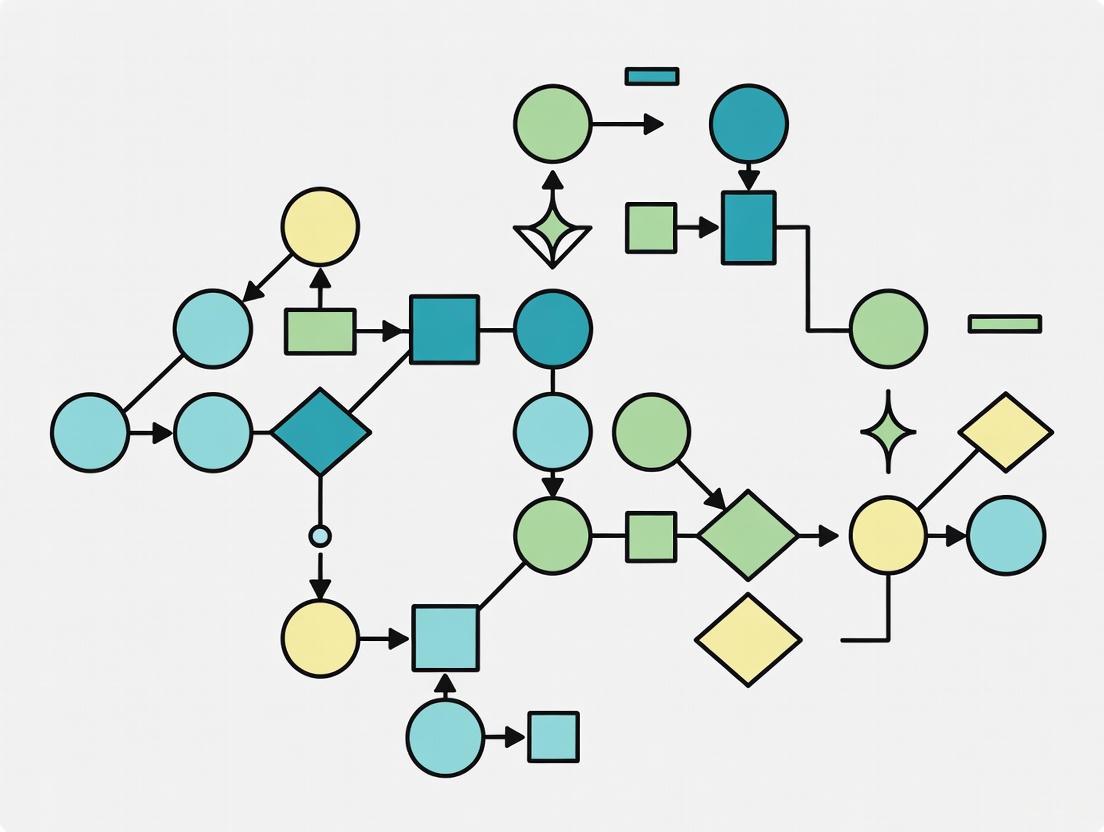
This article explores the science and application of habitat network mapping, a critical tool for predicting species occurrence and guiding ecosystem restoration.
Habitat Network Mapping: From Landscape Conservation to Biomedical Innovation
Abstract
This article explores the science and application of habitat network mapping, a critical tool for predicting species occurrence and guiding ecosystem restoration. We detail foundational ecological principles and compare methodological approaches, from data-driven models to expert-based systems, for researchers and conservation practitioners. The content further addresses troubleshooting for model optimization and validation techniques to ensure robustness. Finally, we synthesize key takeaways and discuss the emerging, transformative implications of network-based analysis for data-driven discovery in pharmaceutical research, including drug-target interaction prediction and drug repurposing.
The Ecological Blueprint: Core Principles of Habitat Network Mapping
Habitat networks provide a powerful analytical framework for understanding and managing ecological connectivity in fragmented landscapes. In ecological terms, a habitat network represents a collection of habitat patches (nodes) connected by ecological flows (edges) that enable animal movement, gene flow, and species interactions. The application of network theory to landscape ecology has emerged as a universal tool to conceptualize, visualize, and model relationships among discrete landscape elements within complex ecological systems [1]. This framework is particularly vital for biodiversity conservation as it helps identify and prioritize actions to maintain or restore ecological corridors in landscapes facing fragmentation pressures [2].
The fundamental components of habitat networks include nodes representing discrete habitat patches, and edges representing functional connections between these patches. These connections may facilitate various ecological processes including animal foraging behaviour, population distribution, gene flow, pathogen transmission, migration behaviour, species interactions, and metapopulation persistence [3]. The accurate assessment of landscape connectivity through these networks is crucial for understanding these processes and for evaluating the effects of land planning actions such as habitat restoration [3].
Comparative Framework: Network Modeling Approaches
Three primary methodological approaches exist for modeling habitat networks, each with distinct strengths, limitations, and appropriate applications. The choice among these approaches depends on research objectives, data availability, and the specific ecological context.
Table 1: Comparison of Habitat Network Modeling Approaches
| Approach | Methodology | Data Requirements | Strengths | Limitations | Best Applications |
|---|---|---|---|---|---|
| Knowledge-Driven | Expert-based identification of habitats and corridors | Expert ecological knowledge, land cover maps | Accounts for obstacles to movement; incorporates expert intuition | Subjective; may not reflect actual species-specific habitat use | Rare species with limited data; preliminary assessments [2] |
| Data-Driven | Species distribution models; empirical movement data | Species occurrence data, GPS tracking, environmental variables | Objectively identifies suitable habitat based on species ecology | Requires substantial species-specific data; may miss movement barriers | Well-studied species; when accurate habitat modeling is critical [2] |
| Mixed Methods | Combination of expert opinion and empirical data | Both expert knowledge and species data | Leverages strengths of both approaches; more robust outcomes | Computationally intensive; requires multiple data inputs | Comprehensive planning; when resources allow integrated approach [2] |
Theoretical Network Models
Beyond empirically-derived networks, several theoretical network models are commonly used to predict connectivity patterns in fragmented landscapes:
- Minimum Planar Graph (MPG): Assumes individuals move in a stepping-stone fashion among resource patches, with links that never cross (no shortcuts) [3]. This model is particularly useful for species with limited dispersal capabilities.
- Distance-Based Networks: Built from both the distribution of resource patches and empirically-estimated or expert-based dispersal distances [3]. These networks incorporate species-specific movement capabilities.
- Scale-Free Networks: Characterized by few highly connected nodes (hubs) with many peripheral nodes having few connections [3]. These emerge in landscapes where certain patches disproportionately attract movement.
- Small-World Networks: Combine high local clustering with short path lengths between distant nodes, creating efficient connectivity patterns [3].
Experimental Protocols for Habitat Network Construction
Protocol 1: Data-Driven Network Modeling
This protocol outlines a standardized methodology for constructing habitat networks using empirical species data and movement modeling.
Materials and Software Requirements:
- GPS tracking equipment (e.g., wildlife collars)
- GIS software (e.g., ArcGIS, QGIS)
- Statistical computing environment (e.g., R, Python)
- Remote sensing data (land cover, vegetation, topography)
Step-by-Step Procedure:
Habitat Patch Delineation (Node Identification)
- Collect species occurrence data through GPS tracking, field surveys, or museum records
- Develop species distribution models using environmental predictors (e.g., land cover, vegetation, topography)
- Apply thresholding to identify suitable habitat patches
- Calculate patch metrics (area, perimeter, shape index, quality)
Movement Modeling (Edge Establishment)
- Analyze GPS movement data to quantify species-specific movement parameters
- Develop resistance surfaces based on landscape features
- Model connectivity using:
- Least-cost paths: Identify optimal routes minimizing movement cost
- Circuit theory: Model movement probabilities across landscapes
- Step selection functions: Incorporate movement behavior into connectivity models
Network Construction and Validation
- Establish connectivity thresholds based on empirical dispersal distances
- Construct adjacency matrix representing connections between patches
- Validate model predictions with independent movement data
- Calculate network metrics (see Section 4)
Protocol 2: Assessing Sampling Adequacy for Movement Data
This protocol addresses the critical issue of GPS sampling frequency on network accuracy, based on findings that relocation frequency significantly impacts connectivity assessments [3].
Experimental Design:
- Collect high-resolution movement data (≥1 Hz) using GPS-enabled multi-sensor biologging
- Reconstruct detailed trajectories using dead-reckoning techniques
- Systematically resample trajectories at varying intervals (e.g., 1 min, 30 min, 1 hr, 2 hr, 4 hr, 24 hr)
- Build spatial networks from each resampled dataset
- Quantify topological changes and information loss relative to high-resolution benchmark
Quantitative Assessment Metrics:
- Percentage of undetected visited patches
- Percentage of spurious (false) links
- Changes in node degree distribution
- Alterations in network centrality measures
- Shifts in overall network topology
Interpretation Guidelines:
- Relocation frequencies that are too coarse can result in up to 66% of visited patches being undetected and 29% of spurious links [3]
- The required sampling frequency depends on the interplay between landscape fragmentation and species movement behavior
- High fragmentation environments generally require higher sampling frequencies to accurately capture inter-patch movements
Analytical Framework: Network Metrics and Interpretation
Structural and Functional Connectivity Metrics
Table 2: Key Metrics for Habitat Network Analysis
| Metric Category | Specific Metrics | Ecological Interpretation | Conservation Application |
|---|---|---|---|
| Node-Level Metrics | Degree centrality; Betweenness centrality; Closeness centrality | Importance of individual patches for maintaining connectivity; stepping-stone function | Prioritize patches for protection or restoration |
| Network-Level Metrics | Density; Clustering coefficient; Characteristic path length; Modularity | Overall connectivity pattern; presence of connectivity compartments | Assess landscape-wide connectivity status |
| Robustness Metrics | Node/link removal simulations; Connectivity loss assessment | Network resilience to habitat loss or fragmentation | Identify critical elements whose loss would disrupt connectivity |
Spatial-Temporal Network Dynamics
Ecological networks are dynamic systems that change in response to environmental conditions, disturbance regimes, and seasonal patterns. The ecological network dynamics framework emphasizes that the interplay between species interaction network topologies and the spatial layout of habitat patches is essential for maintaining functional connectivity [1].
Spatio-temporal networks can be modeled as multilayer networks with one spatial layer per time period, allowing analysis of:
- Dynamics on the network: Changes in node states (e.g., habitat quality) or edge weights (e.g., movement probability) while maintaining fixed structure
- Dynamics of the network: Changes in network structure through node/loss gain or edge appearance/disappearance [1]
Research Toolkit: Essential Materials and Analytical Solutions
Table 3: Research Reagent Solutions for Habitat Network Analysis
| Tool Category | Specific Tools/Software | Primary Function | Data Compatibility |
|---|---|---|---|
| GIS Platforms | ArcGIS; QGIS; GRASS GIS | Spatial data management; patch delineation; cartographic visualization | Shapefiles; rasters; remote sensing data |
| Connectivity Modeling | Circuitscape; Linkage Mapper; UNICOR | Resistance surface analysis; corridor identification; network modeling | Resistance rasters; species occurrence data |
| Network Analysis | R (igraph, bipartite); Cytoscape; Pajek | Network metric calculation; topology analysis; visualization | Adjacency matrices; edge lists |
| Movement Analysis | R (adehabitat, amt); Movebank | Trajectory analysis; step selection functions; path segmentation | GPS tracking data; environmental layers |
Visualization Framework: Workflow and Network Diagrams
Habitat Network Construction Workflow
Common Habitat Network Topologies
Application to Conservation Planning
The practical application of habitat network analysis requires integrating methodological rigor with conservation priorities. Key considerations include:
Prioritization Framework:
- Identify critical corridors for protection based on betweenness centrality metrics
- Target restoration efforts on patches that enhance overall network connectivity
- Address potential bottlenecks where connectivity is maintained by few elements
- Consider network robustness to potential habitat loss scenarios
Implementation Guidelines:
- Match methodological approach to data availability and conservation objectives
- Account for species-specific movement capabilities and habitat requirements
- Validate network models with independent empirical data when possible
- Consider dynamic aspects of networks under environmental change scenarios
The integration of habitat network analysis into landscape planning provides a quantitative basis for decision-making in fragmented landscapes, offering a robust framework for maintaining ecological connectivity in the face of ongoing global change.
Habitat network models represent a transformative approach in conservation biology and landscape planning, moving beyond traditional analyses that considered habitat patches as isolated entities. These models conceptualize a landscape as a network where suitable habitat patches are nodes and the potential for species movement between them forms the edges [4]. The occurrence-state (presence or absence) of a species in a given habitat patch is a function of three interconnected categories of factors, as defined by the conceptual equation: ψi = f(lhi, wci, nti) [4]. Here, ψi represents the occurrence-state of a species in habitat patch i, lhi encompasses the local habitat characteristics, wci denotes the weighted connectivity, and nti describes the patch's position within the network topology. This framework provides a more holistic understanding of species distribution, which is critical for effective conservation planning and forecasting the impacts of landscape change.
Conceptual Foundations and Definitions
Local Habitat (lh)
Local habitat characteristics are the abiotic and biotic conditions within a habitat patch itself that influence its quality and capacity to support a species [4]. This factor is primarily determined by:
- Habitat Suitability: The quality of the environmental conditions within the patch, which can be assessed through Habitat Suitability Modeling (HSM). HSM predicts species distribution based on mapped environmental factors such as soil, moisture, temperature range, and light intensity that align with the species' ecological niche [4] [5] [6].
- Patch Size: The area of the suitable habitat patch. While traditionally considered a key factor in metapopulation biology, its importance can vary relative to other network factors [4].
Weighted Connectivity (wc)
Weighted connectivity reflects the ease with which a species can traverse the landscape matrix between a focal patch and other habitat patches [4]. In a weighted network, edges have values (weights) assigned to them that represent the strength, intensity, or capacity of the connection [7]. In habitat networks, these weights typically represent the cost or resistance to movement between nodes. This resistance is derived from cost surfaces, which are raster maps where each cell's value indicates its permeability to species movement [4]. The cost can be based on various factors, such as land cover type, human infrastructure (e.g., traffic intensity), or inverse habitat suitability [4].
Network Topology (nt)
Network topology refers to the large-scale structure and spatial arrangement of the entire habitat network—the specific pattern of how nodes and edges are interconnected [4] [8]. For a given node i, nti describes its neighborhood, position, and structural importance within the whole network, independent of the specific weights of the edges [4]. This context-independent nature makes topological variables ideal for comparing networks across different species and environments. Metrics for nt capture emergent properties like the node's role as a central hub or a peripheral connector [9].
Quantitative Metrics and Data Synthesis
The following tables summarize key metrics used to quantify each predictive factor, providing researchers with a toolkit for model parameterization.
Table 1: Metrics for Local Habitat (lh) and Weighted Connectivity (wc) Factors
| Factor | Metric Category | Specific Metric | Description | Ecological Interpretation |
|---|---|---|---|---|
| Local Habitat (lh) | Habitat Suitability | Habitat Suitability Index (HSI) | A composite index (often 0-1) derived from species-environment relationship models (e.g., MaxEnt) [4]. | Higher values indicate superior environmental conditions for the species' survival and reproduction. |
| Patch Geometry | Patch Size | The area (e.g., in hectares) of the contiguous suitable habitat patch [4]. | Larger patches generally support larger populations and are less susceptible to local extinction. | |
| Weighted Connectivity (wc) | Binary Structural | Dispersal Distance | A species-specific maximum straight-line distance for potential movement between patches [4]. | Defines the maximum geographic range of dispersal, ignoring landscape resistance. |
| Landscape Resistance | Cost-Weighted Distance | The cumulative resistance value along the least-cost path between two patches, based on a cost surface [4]. | Lower values indicate a more permeable landscape matrix and higher functional connectivity. | |
| Integrated Metric | Probability of Connectivity (PC) | An index that integrates habitat quality (node attribute) and landscape resistance (link attribute) to measure connectivity [10]. | A holistic measure of a patch's functional connectivity within the network. |
Table 2: Metrics for Network Topology (nt) and Model Evaluation
| Factor | Metric Category | Specific Metric | Description | Ecological Interpretation |
|---|---|---|---|---|
| Network Topology (nt) | Neighborhood Scale | Degree Centrality | The number of other habitat patches directly connected to a focal patch within a dispersal threshold [8]. | Indicates immediate dispersal opportunities and local connectivity. |
| Network-Wide Influence | Betweenness Centrality | The fraction of all shortest paths (weighted or unweighted) in the network that pass through a given node [8]. | Identifies patches that act as critical stepping stones or bottlenecks for network-wide movement. | |
| Node Position & Coreness | K-shell / K-core Decomposition | An iterative pruning method that assigns each node a coreness value based on its position in the network's hierarchy [8]. | Nodes with high coreness are in the network's center and are often highly influential. | |
| Spreading Influence | Expected Force (ExF) | Quantifies the expected force of infection/influence generated by a node after a limited number of transmission steps [9]. | Predicts a node's potential for initiating widespread dispersal or epidemic spread through the network. | |
| Model Evaluation | Predictive Performance | AUC (Area Under the ROC Curve) | Measures the ability of a model (e.g., Boosted Regression Trees) to discriminate between occupied and unoccupied patches [4]. | Values range from 0.5 (random) to 1.0 (perfect discrimination); higher values indicate better model fit. |
| Variable Importance | Relative Influence (%) | The relative contribution of each variable (lh, wc, nt) to the predictive model's performance [4]. | Identifies which factor(s) are the strongest drivers of species occurrence in the studied system. |
Experimental Protocols and Workflows
The following diagram illustrates the end-to-end process for developing and applying a habitat network model, integrating the three key factors.
Diagram 1: Overall workflow for habitat network modeling.
Protocol Steps:
- Input Data Preparation: Gather species occurrence records from databases like GBIF or national portals (e.g., Swiss InfoSpecies) [4]. Acquire environmental raster layers (e.g., climate, topography) and a land cover map for creating a resistance surface.
- Delineate Habitat Patches (Nodes): Use a Habitat Suitability Model (HSM), such as an ensemble model, with the environmental layers to create a habitat suitability map. Define habitat patches (nodes) by applying a suitability threshold to this map [4].
- Construct Habitat Network: Generate the edges of the network. Use least-cost path algorithms (e.g., in GIS software) on the resistance surface (derived from the land cover map) to calculate the cost-weighted distance between pairs of patches within the species' maximum dispersal distance. This forms a weighted network where edge weights represent movement cost [4] [7].
- Calculate Predictive Variables: For each habitat patch (node), compute variables for the three categories:
- Parametrize Occurrence-State: The response variable (presence/absence) can be derived from presence-only data using a sampling intensity procedure. This involves assessing observations of comparable species and setting a threshold of patch visits to infer likely absences for the focal species [4].
- Statistical Modeling: Relate the explanatory variables (
lh,wc,nt) to the occurrence-state using a non-linear modeling technique like Boosted Regression Trees (BRT). BRTs can handle complex interactions and automatically determine the relative influence of each predictor [4]. - Output and Application: Use the fitted model to predict occurrence-state across the network. The results identify critical patches for conservation, such as those with high habitat quality that are also topologically central, and directly inform landscape planning strategies [11].
Protocol for Calculating Network Topology (nt) Metrics
This protocol details the process for computing key topological metrics, which often requires specialized network analysis software.
Diagram 2: Protocol for calculating network topology metrics.
Methodology:
- Input Graph: Begin with the habitat network graph where nodes are patches and edges are weighted by the movement cost or resistance.
- Software Selection: Utilize specialized network analysis tools.
tnetis an open-source R package suitable for analyzing weighted networks, while UCINET is a proprietary alternative. The WGCNA R package, though designed for genomic networks, also contains functions for general weighted network analysis [7]. - Metric Computation:
- Degree Centrality: Calculate the number of direct connections for each node. For weighted networks, this extends to node strength, which is the sum of weights attached to a node's ties [7] [8].
- Betweenness Centrality: Use a shortest-path algorithm (e.g., Dijkstra's) on the weighted network to find all shortest paths, then compute the fraction of these paths that pass through each node. This identifies patches that act as critical stepping stones [7] [8].
- K-shell Decomposition: Perform an iterative pruning process. First, remove all nodes with only one connection (assigning them to the 1-shell), then recursively remove nodes with one connection from the remaining network until only nodes with two or more connections remain, and so on. This assigns a "coreness" value to each node. Newer methods like the Edge weight Degree Neighborhood (EwDN) method extend this for weighted networks by incorporating edge weights and neighborhood influence in the decomposition process [8].
- Expected Force (ExF): For a given node, enumerate all possible resultant states after two transmission events. For each state, calculate the degree product of the infected nodes. The ExF is then the negative sum of the degree products multiplied by their logarithms, providing a measure of the node's potential to initiate large-scale spread [9].
The Scientist's Toolkit: Research Reagent Solutions
Table 3: Essential Tools and Data for Habitat Network Analysis
| Category | Item / Software | Primary Function | Application Note |
|---|---|---|---|
| Data Sources | Global Biodiversity Information Facility (GBIF) | Provides primary species occurrence data (presence-only). | Requires careful data cleaning and bias correction before use [4]. |
| National Species Databases (e.g., InfoSpecies) | Regional species observation data. | Often contains curated and standardized data for a specific country/region [4]. | |
| Remote Sensing Imagery (Landsat, MODIS) | Land cover classification; Land Surface Temperature (LST) derivation. | Essential for creating habitat suitability and resistance maps [12]. | |
| Software & Platforms | R / Python | Statistical computing, scripting, and model implementation. | R packages like dismo (for HSM), tnet/igraph (for network analysis), and gbm (for BRT) are critical [4] [7]. |
| Geographic Information System (GIS) | Spatial data management, HSM, least-cost path analysis. | Used for the foundational spatial operations: delineating patches and constructing the network [4]. | |
tnet |
R package specifically for the analysis of weighted networks. | Preferred for calculating weighted network metrics like weighted closeness and betweenness [7]. | |
| Modeling Techniques | Habitat Suitability Model (HSM) | Predicts potential species distribution from environmental data. | An ensemble modeling approach increases the robustness of the habitat patches (nodes) identified [4]. |
| Boosted Regression Trees (BRT) | A machine learning technique to relate predictors to occurrence-state. | Handles complex, non-linear relationships and interactions between lh, wc, and nt [4]. |
|
| SIR Epidemic Model | Simulates the spread of a pathogen or gene through a network. | Used as a benchmark to validate the predictive power of topological metrics like Expected Force [8] [9]. |
Integrating lh, wc, and nt factors provides a powerful, multi-dimensional framework for evidence-based conservation. The application of this approach in landscape planning is significant. For instance, models can forecast how urban expansion and its associated increase in Land Surface Temperature (LST) and habitat fragmentation impact network connectivity and species persistence [12]. Furthermore, the findings directly support decision-making by helping planners:
- Prioritize habitat patches for protection or restoration, focusing not just on high-quality
lhbut also on patches with highntvalues (e.g., high betweenness) that are crucial for network connectivity [4] [10]. - Design effective wildlife corridors by using the habitat network and cost surfaces to pinpoint optimal locations for habitat linkages or wildlife crossing structures [11].
- Select the most appropriate connectivity metrics based on the conservation objective, using decision trees that recommend functional metrics for single-species focus and structural metrics for multi-species, climate-change adaptation planning [10].
In conclusion, habitat network models that synergistically incorporate Local Habitat, Weighted Connectivity, and Network Topology offer a superior predictive framework for understanding and forecasting species distributions. The experimental protocols and metrics detailed in these application notes provide researchers and landscape planners with a standardized methodology to effectively map, analyze, and conserve ecological networks in an increasingly fragmented world.
Accurately predicting species presence or absence (occurrence-state) in habitat patches is fundamental to biodiversity conservation and landscape planning. Traditional models often focus exclusively on local habitat characteristics, overlooking the critical role of habitat connectivity. This protocol outlines a comprehensive, network-based framework that integrates local habitat conditions, landscape connectivity, and network topology to provide robust predictions of species occurrence-state. This approach is designed to work with readily available presence-only data, making it both scientifically advanced and practically applicable for researchers and conservation professionals engaged in landscape planning [4].
The core conceptual equation defining a species' occurrence-state (ψ𝑖) in a habitat patch i is:
ψ𝑖 = f(lh𝑖, wc𝑖, nt𝑖)
where:
- ψ𝑖 is the occurrence-state (presence=1 or absence=0)
- lh𝑖 represents the local habitat characteristics of patch i
- wc𝑖 is the weighted connectivity of patch i to surrounding patches
- nt𝑖 describes the position of patch i within the habitat network topology [4]
Key Components of the Framework
Local Habitat Characteristics (lh)
Local habitat characteristics determine the intrinsic suitability of a patch for a species, independent of its spatial context.
- Habitat Suitability: Determined by the environmental requirements (niche) of the species, typically assessed via Habitat Suitability Modeling (HSM) using environmental predictors like climate, soil, and vegetation [4] [13].
- Patch Size: A fundamental metric in metapopulation ecology, where larger patches often support higher probabilities of occurrence and persistence [4].
Weighted Connectivity (wc)
Weighted connectivity quantifies the functional connection between a focal patch and all other patches in the landscape, considering the species' dispersal ability and the resistance of the intervening matrix.
- Dispersal Distance: The species-specific maximum dispersal distance limits potential connectivity [4].
- Landscape Resistance: The cost of moving through the landscape matrix between patches, often modeled with cost surfaces that assign resistance values to different land cover types [4].
Network Topology (nt)
Network topology describes the structural role and position of a patch within the overall habitat network, which can influence meta-population dynamics and resilience.
- Neighborhood Metrics: The number and configuration of patches within a specific dispersal distance.
- Centrality Measures: A patch's importance as a hub or stepping stone within the network [4].
Application Notes: Experimental Protocol
This protocol details the implementation of the framework for the European tree frog (Hyla arborea), which can be adapted for other species.
The modeling process follows a multi-stage workflow, integrating spatial analysis and statistical modeling.
Detailed Methodologies
Stage 1: Input Data Collection
- Species Occurrence Data: Gather presence-only records from sources like GBIF or national databases (e.g., Swiss InfoSpecies). Critical Check: Clean data for duplicates, correct taxonomic identification, and check for spatial biases [4] [14].
- Environmental Predictors: Compile raster layers (e.g., climate, topography, land cover) hypothesized to influence the species' distribution. Select variables based on ecological knowledge to avoid overfitting [14] [13].
- Cost Surfaces: Develop species-specific cost surfaces representing landscape resistance to movement. For example, assign high cost to roads and urban areas and low cost to natural vegetation. Test different cost scenarios (e.g., based on traffic intensity or inverse habitat suitability) [4].
Stage 2: Habitat Network Delineation
- Habitat Suitability Model (HSM): Use an algorithm like Maxent or an ensemble approach to model habitat suitability from occurrence records and environmental predictors. This creates a continuous suitability map [14] [13].
- Node Delineation: Define habitat patches (nodes) by applying a suitability threshold to the HSM output. This can be done by extracting local maxima of suitability or by converting contiguous suitable areas into patches [4].
- Edge Generation: For each pair of patches within the species' maximum dispersal distance, calculate the least-cost path distance using the cost surface. Create edges between patches where the cumulative cost is below a dispersal threshold [4].
Stage 3: Variable Calculation
Calculate the three categories of explanatory variables for each habitat patch.
Table 1: Key Predictor Variables for Occurrence-State Modeling
| Variable Category | Variable Name | Description | Calculation Method |
|---|---|---|---|
| Local Habitat (lh) | Habitat Suitability Index | Intrinsic quality of the patch | Mean HSM value within the patch [4] |
| Patch Size | Area of the habitat patch | Geometric area in hectares [4] | |
| Weighted Connectivity (wc) | Probability of Connectivity | Integrated measure of connectivity | Based on least-cost paths and patch sizes [4] |
| Network Topology (nt) | Third-Order Neighborhood | Number of patches within 3 steps | Count of patches in the neighborhood [4] |
Stage 4: Occurrence-State Parametrization from Presence-Only Data
This innovative step infers likely absences from presence-only data, which is crucial for model training.
- Compile Observation Effort Data: Aggregate visit records for a group of comparable, easily identifiable species (e.g., all amphibians) within the study area. This provides a proxy for general sampling intensity across patches [4].
- Define Surveyed Patches: Identify habitat patches that have been visited a sufficient number of times (exceed a defined visit threshold), suggesting they have been adequately surveyed [4].
- Assign Occurrence-State: In these "well-surveyed" patches, assign presence (1) if the focal species was recorded, and absence (0) if it was not recorded despite the survey effort [4].
Stage 5: Model Fitting and Prediction
- Algorithm Selection: Use Boosted Regression Trees (BRT), a machine learning algorithm effective for complex ecological relationships. BRTs can handle interactions and non-linearities without strong prior assumptions [4] [14].
- Model Training: Relate the explanatory variables (lh, wc, nt) to the parametrized occurrence-state (response variable) using BRT.
- Model Validation: Evaluate model performance using methods like k-fold cross-validation and assess the relative importance of each predictor variable.
- Prediction: Apply the fitted model to all habitat patches to predict the probability of occurrence. This map can inform conservation priorities, such as identifying critical, well-connected patches [4].
The Scientist's Toolkit
Table 2: Essential Research Reagents and Computational Tools
| Tool Category | Specific Tool / Reagent | Function in the Protocol |
|---|---|---|
| Data Sources | GBIF / National Databases | Provides presence-only species occurrence records [4] [13] |
| WorldClim / CHELSA | Source of standardized climate raster data [13] | |
| Software & Platforms | R / Python | Core programming languages for statistical analysis and spatial modeling [13] |
| GIS Software (e.g., QGIS, ArcGIS) | For managing spatial data, creating cost surfaces, and visualizing results | |
| EcoCommons Platform | A structured environment for designing and running SDMs [14] | |
| Key R Packages | raster |
Handles spatial environmental data [13] |
dismo / biomod2 |
Contains HSM algorithms like Maxent and BRT [13] | |
randomForest |
Implements alternative machine-learning methods [13] | |
| Modeling Algorithms | Maxent | Presence-background HSM for node delineation [14] |
| Boosted Regression Trees (BRT) | Machine learning for relating predictors to occurrence-state [4] [14] | |
| Random Forests (RF) | An alternative machine-learning algorithm for comparison [13] |
Integration with Landscape Planning
This modeling framework directly supports Structured Decision-Making (SDM) in conservation. The predicted occurrence-state and network metrics serve as vital components in models that forecast the outcomes of different habitat management actions on population viability [15]. For recurrent decisions, it can be embedded within an Adaptive Resource Management (ARM) cycle, where management actions, monitoring data, and model predictions are iteratively updated to reduce uncertainty and improve conservation outcomes [15]. The identification of topologically important patches (e.g., high-connectivity hubs) enables planners to prioritize areas for protection or restoration, enhancing landscape-scale functional connectivity [4].
Birds and butterflies are established as keystone indicators in biodiversity monitoring programs globally due to their rapid response to environmental changes and habitat fragmentation. Their selection is supported by strong ecological rationale: they occupy diverse trophic levels, are relatively easy to monitor compared to other taxa, and their population trends provide insights into broader ecosystem health [16]. The Biodiversa+ partnership, which sets European biodiversity monitoring priorities for 2025–2028, specifically recognizes the importance of monitoring common species using standardised multi-taxa approaches, acknowledging the critical data provided by bird and butterfly monitoring schemes [16].
Butterflies serve as particularly sensitive indicators for habitat quality and microclimatic conditions due to their host plant specificity and temperature-dependent physiology. Recent research from England demonstrates that agri-environment schemes positively impact butterfly abundance and richness, confirming their value as indicators of successful habitat management interventions [17]. Birds provide complementary information as indicators of landscape-level connectivity and ecosystem integrity due to their mobility and position at higher trophic levels. The Washington Habitat Connectivity Action Plan identifies birds as species of greatest conservation need when mapping connectivity values, utilizing their distribution patterns to identify priority conservation areas [18].
Quantitative Evidence Supporting Indicator Use
Table 1: Documented Responses of Bird and Butterfly Communities to Environmental Interventions
| Metric | Taxonomic Group | Response to Agri-Environment Schemes | Spatial Scale of Effect | Data Source |
|---|---|---|---|---|
| Abundance | Butterflies | Positive association | Wider landscape (500-1000m radius) | UK Butterfly Monitoring Scheme [17] |
| Species Richness | Butterflies | Positive association | Local and landscape scales | Landscape-scale Species Monitoring [17] |
| Community Diversity | Butterflies | Variable association | Landscape scale | Combined professional and citizen science data [17] |
| Connectivity Value | Birds (Species of Greatest Conservation Need) | Positive response to habitat corridors | Statewide scale | Washington Habitat Connectivity Analysis [18] |
Table 2: Advantages and Limitations of Birds and Butterflies as Bioindicators
| Aspect | Birds | Butterflies |
|---|---|---|
| Monitoring Advantages | High public engagement; Well-established protocols; Mobility reflects landscape connectivity | Rapid generation time; Sensitive to microclimates; Strong association with host plants |
| Ecological Insights | Trophic cascades; Habitat fragmentation effects; Seasonal migration patterns | Habitat specialist declines; Climate change impacts; Nectar resource availability |
| Methodological Constraints | Seasonal variation (migration); Territory mapping complexity; Surveyor expertise required | Weather dependence; Daily activity patterns; Limited seasonal window in temperate regions |
| Data Interpretation Considerations | Regional movements may mask local trends | Population fluctuations strongly tied to specific habitat management |
Field Monitoring Protocols
Standardized Butterfly Transect Protocol
The following protocol synthesizes methodology from successful monitoring programs that have generated peer-reviewed evidence on agri-environment scheme effectiveness [17]:
- Site Selection: Establish fixed transects of 300-1000m in length through homogeneous habitat units. Georeference start, end, and any major change points.
- Temporal Frequency: Conduct surveys weekly during the flight season (May-August in temperate regions), between 10:00 and 17:00 hours, when temperature exceeds 13°C in sunny conditions or 17°C in cloudy conditions.
- Survey Method: Walk at uniform pace of approximately 1-2 minutes per 100m, recording all butterflies seen within 2.5m forward and 5m either side. For fast-flying species, the 5m boundary applies to lateral distance only.
- Data Recording: Document species, abundance, and behavior (flying, nectaring, basking). Note weather parameters (temperature, cloud cover, wind speed) at start and end of each transect.
- Validation: Photograph unfamiliar species for expert verification while avoiding disruption to natural behavior.
Avian Point Count Methodology
This protocol aligns with the standardized approaches promoted by Biodiversa+ for monitoring common species and can be implemented across protected areas and connectivity corridors [16] [18]:
- Station Establishment: Position fixed points at minimum 200m intervals to avoid double-counting. precisely map locations using GPS.
- Survey Timing: Conduct counts during peak avian activity, within 4 hours of sunrise, avoiding periods of heavy rain or strong winds (>15 mph).
- Count Procedure: At each point, record all birds seen or heard during a standardized period (typically 5-10 minutes). Note distance to each detection using categories (0-25m, 25-100m, >100m).
- Spatial Modeling: Incorporate data into spatial models that account for detection probability differences among species, habitats, and observers.
- Habitat Data Collection: Document habitat variables within count circles including vegetation structure, dominant species, and management interventions.
Data Integration and Analysis Framework
Figure 1: Integrated analytical workflow for biodiversity monitoring data. This framework demonstrates how field observations are synthesized with geospatial data to inform conservation planning.
The data integration approach illustrated above enables researchers to translate field observations into actionable conservation insights. A key strength of this framework is its ability to combine multiple data sources, as demonstrated by research that integrated professional monitoring with citizen science data to detect agri-environment effects on butterflies [17]. This triangulation approach increases statistical power to detect subtle effects and provides greater consistency in estimates, addressing a critical need in evidence-based conservation policy [17].
Essential Research Materials and Equipment
Table 3: Research Reagent Solutions for Field Monitoring and Analysis
| Category | Specific Items | Technical Specifications | Application in Monitoring |
|---|---|---|---|
| Field Equipment | GPS devices | 3-5 meter accuracy minimum | Georeferencing transects and observations |
| Binoculars | 8x42 or 10x42 magnification | Species identification at distance | |
| Field data recorders | Weatherproof tablets or printed forms | Standardized data collection | |
| Identification Aids | Field guides | Species-specific for region | Visual confirmation of specimens |
| Digital reference collections | Curated image databases | Verification of uncertain observations | |
| Analytical Tools | GIS software | ArcGIS, QGIS, or R spatial packages | Habitat connectivity mapping [18] |
| Statistical packages | R, PRIMER, or equivalent | Population trend analysis and modeling | |
| Citizen Science Platforms | Mobile applications | iNaturalist, eBird, or custom solutions | Public engagement and data collection [17] |
Application to Habitat Network Mapping
The integration of bird and butterfly data into habitat network mapping follows the conceptual framework established in the Washington Habitat Connectivity Action Plan, which synthesizes multiple data layers to identify Connected Landscapes of Statewide Significance (CLOSS) [18]. Bird distribution data, particularly for area-sensitive forest species and grassland specialists, helps identify functional connectivity across landscape matrices. Butterfly data provides finer-scale resolution of habitat quality within these corridors, especially for sedentary species with specific host plant requirements.
Monitoring data from these indicator taxa can quantify the effectiveness of habitat corridors and stepping-stone habitats in maintaining landscape permeability. The research on agri-environment schemes demonstrates that butterflies respond positively to interventions at wider landscape scales (500-1000m radii), underscoring the importance of coordinated management across property boundaries [17]. This evidence directly supports the inclusion of landscape-scale planning in habitat network design, as emphasized in both European and North American connectivity planning [16] [18].
For practical implementation, local governments can utilize the guide "Integrating Wildlife Habitat Connectivity into Local Government Planning" which provides policy tools and case studies for protecting connectivity through land-use planning mechanisms [11]. The documented responses of butterflies to agri-environment interventions provide empirical evidence to support these policy recommendations, creating a direct pathway from monitoring data to conservation implementation.
From Theory to Practice: Techniques and Tools for Mapping Habitat Networks
In the domain of landscape planning and habitat network mapping, selecting an appropriate methodological approach is fundamental to the success and reliability of research outcomes. Two predominant paradigms are the data-driven approach, which leverages computational analysis of large datasets to identify patterns and models, and the knowledge-driven (or expert-based) approach, which formalizes and utilizes expert domain knowledge, often in the form of rules or causal models [19]. The choice between these methodologies significantly influences how habitat networks are identified, modeled, and implemented, as exemplified by initiatives like the Inner Forth Habitat Network in Scotland [20]. This article provides detailed application notes and experimental protocols for employing these methodologies within the context of habitat network mapping for landscape planning research.
Core Conceptual Framework and Comparison
The data-driven approach relies on the analysis of large volumes of data to build models and detect patterns without requiring an explicit pre-existing model of the system's physical principles [19]. In contrast, the knowledge-driven approach uses qualitative models and rules derived from historical cases, scientific literature, and, crucially, the experience of domain experts [19]. Table 1 summarizes the fundamental characteristics of these two methodologies.
Table 1: Fundamental Characteristics of Data-Driven and Knowledge-Driven Approaches
| Aspect | Data-Driven Approach | Knowledge-Driven (Expert-Based) Approach |
|---|---|---|
| Primary Foundation | Product lifecycle data; statistical and machine learning algorithms [19] | Domain expertise, historical knowledge, and formalized rules (e.g., causal models, fault trees) [19] |
| Model Basis | Derived empirically from data patterns [21] | Built from first principles and expert understanding of the system [19] |
| Key Advantage | Can capture information and relationships beyond current expert knowledge; suitable for large-scale, complex systems where mathematical models are unavailable [19] | Incorporates deep physical and ecological understanding; flexible and domain-independent, not reliant on large, pre-existing corpora [21] [19] |
| Key Limitation | Performance is heavily dependent on the quality and quantity of available data [19] | Can be difficult to acquire and formalize comprehensive expert knowledge, especially for novel or highly complex systems [19] |
| Typical Methods | Principal Component Analysis (PCA), Artificial Neural Networks (ANN), Self-Organizing Maps (SOM) [19] | Rule-based expert systems, Causal Models, Fault Tree Analysis (FTA) [19] |
| Ideal Application Context | When abundant product/system data is available but a first-principles model is not [19] | When a detailed mathematical model is unavailable and the number of system variables is relatively small, or when expert knowledge is rich and accessible [19] |
A hybrid, iterative approach is also possible and often beneficial. This involves using an ontology to model domain knowledge which then guides a data-driven learning process to build interpretable models. The results are then evaluated both subjectively (by experts) and objectively, with the findings informing refinements to the ontology and the model in an ongoing cycle [21].
Application in Habitat Network Mapping: Protocols
The following protocols outline how these methodologies can be operationalized for habitat network mapping, drawing on real-world examples.
Protocol for a Knowledge-Driven Habitat Network Mapping
This protocol is based on the collaborative process used to develop the Inner Forth Habitat Network in Scotland [20].
1. Project Scoping and Expert Assembly:
- Objective: Define the geographical scope (e.g., the Inner Forth landscape) and assemble a multidisciplinary team of stakeholders and experts.
- Actions: Convene experts from local authorities, statutory bodies, conservation organizations, and land owners/managers. The goal is to share local knowledge and existing data [20].
2. Habitat Network Definition and Ecological Coherence Assessment:
- Objective: Identify and agree upon the key habitat types for the network and assess their ecological coherence.
- Actions: Conduct a series of workshops. Participants use the "ecological coherence protocol," which involves assessing:
- Habitat Networks: Mapping existing core habitat areas and the functional connections between them.
- Ecosystem Services: Evaluating the benefits provided by these habitats (e.g., carbon capture, flood prevention, human wellbeing).
- Opportunity Areas: Identifying specific locations where habitat conservation, restoration, or creation would most effectively strengthen the network's coherence [20].
- Outputs: A series of consensus-based maps (e.g., Concept Maps and an Opportunity Network map) and a detailed user guide [20].
3. Implementation and Monitoring:
- Objective: Translate the mapped network into on-the-ground projects and monitor their impact.
- Actions: Secure funding for specific projects identified in the opportunity network (e.g., wetland creation, tree planting, conservation grazing). Monitor the outcomes, such as the amount of habitat managed or created, to assess progress against the network's goals [20].
Protocol for a Data-Driven Habitat Network Modeling
This protocol is adapted from data-driven methodologies used in other complex system applications, such as industrial fault detection [19], and applied to the habitat mapping context.
1. Data Acquisition and Preprocessing:
- Objective: Gather and prepare a high-quality, multivariate dataset relevant to habitat suitability and connectivity.
- Actions:
- Data Collection: Compile spatial data layers, which may include satellite imagery, land cover classifications, species occurrence records, topographic data, and hydrological data.
- Data Cleaning: Address missing values, outliers, and inconsistencies in the data.
- Data Normalization: Scale the data to ensure all variables contribute equally to the model.
2. Model Building and Training (e.g., using Principal Component Analysis - PCA):
- Objective: Reduce the dimensionality of the dataset and identify the principal components that explain the majority of variance in the landscape's structure.
- Actions:
- Apply PCA: Perform PCA on the normalized dataset. This transformation identifies new, uncorrelated variables (principal components) that are linear combinations of the original variables.
- Component Selection: Retain the top k principal components that capture a sufficient percentage (e.g., >95%) of the total variance in the data [19].
- Output: A transformed dataset in the principal component space and a model that defines the transformation.
3. Pattern Identification and Network Delineation:
- Objective: Use the data-driven model to identify areas of high ecological value and potential connectivity corridors.
- Actions:
- Anomaly Detection: Project new or existing spatial units onto the PCA model. Units with high residuals or unusual scores may represent unique habitat areas or areas of degradation.
- Clustering: Apply clustering algorithms (e.g., K-means, SOM) to the principal component scores to group landscape units with similar ecological characteristics, potentially revealing core habitats and transitional zones [19].
- Network Modeling: Use the results to parameterize connectivity models, such as least-cost path or circuit theory models, to delineate potential habitat networks.
4. Validation and Refinement:
- Objective: Assess the accuracy of the data-driven model and refine it.
- Actions: Validate the model's predictions against independent data, such as field surveys of species presence or high-resolution habitat maps. Investigate misclassified areas to improve the model [19].
Visualization of Methodological Workflows
The following diagrams, created using Graphviz and adhering to the specified color palette and contrast rules, illustrate the logical workflows for the two methodologies and a potential hybrid approach.
Knowledge-Driven Protocol Workflow
Data-Driven Modeling Workflow
Iterative Hybrid Approach Workflow
The Scientist's Toolkit: Key Research Reagents and Materials
For researchers embarking on habitat network mapping, a suite of "research reagents" — both data and tools — is essential. Table 2 details these key materials.
Table 2: Essential Research Reagents for Habitat Network Mapping
| Research Reagent / Material | Function and Application |
|---|---|
| Geographic Information System (GIS) Software | The primary platform for storing, managing, analyzing, and visualizing all spatial data related to habitat patches, land use, and connectivity models [20]. |
| Spatial Data Layers (Land Cover, Topography) | Foundational datasets that describe the physical and biological attributes of the landscape. They serve as the input variables for both knowledge-based assessments and data-driven models [20] [19]. |
| Ecological Coherence Protocol | A structured framework (a conceptual reagent) used in knowledge-driven approaches to systematically assess habitat networks, their associated ecosystem services, and identify opportunity areas for intervention [20]. |
| Statistical & Machine Learning Libraries (e.g., for PCA, ANN) | Software libraries (e.g., in R or Python) that provide the algorithms for executing data-driven analyses, such as dimensionality reduction, clustering, and predictive modeling [19]. |
| Data Stream Management System (DSMS) | In dynamic monitoring applications, a DSMS is a technological tool that enables the real-time querying and analysis of continuous data streams, such as those from environmental sensors, for near-real-time fault (or anomaly) detection [19]. |
| Stakeholder Engagement Framework | A structured process (a methodological reagent) for convening experts and stakeholders, facilitating workshops, and synthesizing qualitative knowledge into formalized, mappable rules and criteria [20]. |
Quantitative Comparison and Performance Metrics
Table 3 provides a comparative summary of the two approaches based on performance metrics and characteristics relevant to habitat mapping applications, synthesizing insights from both landscape and industrial case studies [20] [19].
Table 3: Performance and Characteristic Comparison of Methodologies
| Metric/Characteristic | Data-Driven Approach | Knowledge-Driven Approach |
|---|---|---|
| Classification Accuracy | Can achieve high accuracy, but is domain-dependent and requires quality data [21] [19]. | Can produce good, acceptable classification accuracy based on robust expert rules [19]. |
| Processing Speed | Can be sufficiently fast for querying data streams when efficiently implemented [19]. | Methods like FTA are sufficiently fast for querying data streams when implemented in optimized systems [19]. |
| Resource Intensity | High demand for data quantity/quality and computational power [19]. | High demand for expert time and effort for knowledge acquisition and formalization [19]. |
| Handling of Novel Situations | Can identify novel patterns beyond current expert knowledge [19]. | Limited to the boundaries of the encoded expert knowledge unless the system is updated [19]. |
| Interpretability & Transparency | Models (e.g., complex neural networks) can be "black boxes," making rationale difficult to interpret [21]. | Typically high interpretability, as the reasoning is based on transparent, logical rules from experts [19]. |
| Integration with Policy/Planning | May require additional steps to translate model outputs into justifiable planning actions. | Directly integrates stakeholder values and expert judgment, facilitating alignment with planning policies [20]. |
Both data-driven and knowledge-driven methodologies offer powerful but distinct pathways for advancing habitat network mapping. The knowledge-driven approach excels in leveraging deep domain expertise to create ecologically coherent and socially relevant networks, directly supporting collaborative landscape planning [20]. The data-driven approach provides the capacity to uncover complex, non-intuitive patterns from large, multivariate datasets, offering insights that may surpass current expert understanding [19]. The emerging hybrid and iterative paradigms, which formally integrate domain knowledge with data-driven learning, present a promising frontier for developing models that are both empirically robust and contextually relevant, thereby equipping researchers and planners with more effective tools for conserving and restoring ecological networks.
In the face of global habitat fragmentation and biodiversity loss, the mapping of habitat networks has emerged as a critical component of landscape planning research. Ecological connectivity—the extent to which a landscape facilitates the flow of ecological processes such as organism movement—has become a central focus of applied ecology and conservation science [22]. The modeling tools reviewed in this application note—InVEST, Circuit Theory, and Linkage Mapper—provide researchers with powerful, spatially explicit methodologies to quantify, map, and value these ecological connections. When properly applied, these tools enable the identification of functional habitat networks, supporting more effective conservation planning and landscape management decisions.
Tool Specifications and Comparative Analysis
The table below summarizes the core characteristics, primary applications, and technical requirements of the three modeling tools.
Table 1: Comparative overview of habitat network modeling tools.
| Feature | InVEST | Circuit Theory (Circuitscape) | Linkage Mapper |
|---|---|---|---|
| Core Function | Mapping and valuing ecosystem services [23] | Modeling landscape connectivity for movement and gene flow [22] | Identifying and prioritizing wildlife habitat corridors [24] |
| Theoretical Basis | Production functions [23] | Electrical circuit theory [22] | Least-cost path and circuit theory [25] |
| Primary Outputs | Biophysical or economic value maps of services (e.g., carbon, water) [23] | Current density maps, effective resistance, pinch points [22] | Least-cost corridors, pinch points, barrier restoration maps [25] |
| Spatial Scale | Local, regional, or global [23] | Flexible, from local to landscape scales | Landscape-scale, focused on corridors between habitat cores [24] |
| Software Environment | Standalone application (Python-based) [26] | Standalone or integrated (e.g., in Linkage Mapper) [22] | ArcGIS Toolbox (Python scripts) [24] |
| GIS Requirement | QGIS or ArcGIS for data prep and viewing results [23] [26] | Not specified, but typically used with GIS | Requires ArcGIS software [24] |
| Key Strength | Integrates ecosystem services into decision-making; multi-service focus [23] | Models flow across all possible paths, not just a single optimal route [22] | Integrated toolbox specifically designed for corridor mapping and prioritization [25] |
Research Reagent Solutions: Essential Materials for Connectivity Modeling
Successful application of these tools requires a suite of spatial data and software, analogous to research reagents in a laboratory setting.
Table 2: Essential materials and data inputs for habitat network modeling.
| Item Category | Specific Examples | Function in Analysis |
|---|---|---|
| Spatial Data Inputs | Land Use/Land Cover (LULC) maps, Digital Elevation Models (DEMs), species occurrence data, human footprint data (e.g., night-time lights, roads) [27] | Forms the foundational landscape representation for building resistance surfaces and identifying habitats. |
| Resistance Surfaces | Raster maps where pixel values represent the cost of movement for a species or process [22] [28] | The primary input for Circuit Theory and Linkage Mapper models, determining how landscape features facilitate or impede flow. |
| Habitat Core Areas | Vector or raster layers identifying key habitat patches or protected areas [24] [25] | Serve as the source and destination nodes for modeling connectivity and mapping corridors. |
| Software & Tools | QGIS, ArcGIS, R, Python [23] [26] | Used for pre-processing spatial data, running models (where applicable), and post-processing/visualizing results. |
| Validation Data | GPS animal tracking data, genetic data (e.g., FST), camera trap records [2] | Used to test, validate, and refine model predictions against empirical observations. |
Application Protocols
Protocol for InVEST: Habitat Quality and Ecosystem Service Assessment
The InVEST toolkit contains multiple models. The following protocol outlines the workflow for the Habitat Quality model, which is directly relevant to habitat network mapping.
Figure 1: InVEST Habitat Quality model workflow.
Procedure:
- Input Data Preparation:
- Land Use/Land Cover (LULC) Map: A raster map where each pixel is assigned a code representing a specific land cover type (e.g., forest, urban, agriculture). This is the foundational input [26].
- Threat Data: Identify major threats to habitat (e.g., urban areas, roads, agricultural land). For each threat, define its maximum effective distance, weight, and decay type (exponential or linear) [29].
- Habitat Sensitivity Table: A table (.csv format) that scores the sensitivity of each LULC type (from 0 to 1) to each defined threat. LULC types that are core habitat are assigned a sensitivity of 1, while non-habitat types (e.g., urban) are assigned 0 [29].
Model Execution:
- Open the InVEST tool (standalone or within the Workbench) and select the Habitat Quality model.
- Load the prepared LULC map, threat data, and sensitivity table.
- Set the output directory and run the model. The model calculates the relative habitat quality based on the proximity and intensity of threats and the landscape's sensitivity [23].
Output Interpretation:
- The primary output is a Habitat Quality raster. Pixels with values closer to 1 represent high-quality, intact habitat that is less threatened, while values closer to 0 represent degraded habitat [29].
- These high-quality habitat patches can subsequently be used as "ecological sources" in connectivity models like Linkage Mapper or Circuitscape [27].
Protocol for Circuit Theory: Pinch Point Analysis with Circuitscape
Circuit theory, implemented in software like Circuitscape, models landscape connectivity by simulating electrical current flow. This protocol details its use for identifying critical pinch points.
Figure 2: Circuit theory pinch point analysis workflow.
Procedure:
- Input Data Preparation:
- Habitat Core Areas: Define the habitat patches of interest as raster or vector polygons. These will serve as the nodes in the circuit [25].
- Landscape Resistance Surface: Create a raster where the value of each cell represents the cost, difficulty, or mortality risk for the focal species to move through it. Lower values represent landscapes that are easy to traverse (e.g., forest cover for a forest specialist), while higher values represent barriers (e.g., roads, urban areas) [22] [27]. This is a critical step that may require literature review or expert consultation.
Model Execution:
- Load the resistance surface and core area maps into Circuitscape (which can be run as standalone software, from GIS plugins, or within other tools like Linkage Mapper).
- Run the model in a pairwise mode between all core areas. Circuitscape treats the core areas as electrical nodes, connecting them via the resistance surface and calculating the current flow [22].
Output Interpretation:
- The key output is a cumulative current density map (or "current map") [22] [25].
- Areas with high current density represent pinch points (or bottlenecks). These are narrow, constricted areas where movement is funneled and is therefore concentrated [25]. Pinch points are high conservation priorities because even a small loss of area here can disproportionately compromise landscape connectivity [25].
Protocol for Linkage Mapper: Corridor Identification and Prioritization
Linkage Mapper is a specialized toolbox that builds upon the principles of least-cost path and circuit theory to map and prioritize wildlife corridors.
Figure 3: Linkage Mapper integrated workflow for corridor mapping.
Procedure:
- Input Data Preparation:
- The same foundational inputs are required: a map of Habitat Core Areas and a Landscape Resistance Surface [25].
Toolchain Execution:
- Linkage Pathways Tool: This is the core tool. It identifies adjacent core areas and maps least-cost corridors between them. It produces a composite map showing the relative value of each grid cell for providing connectivity [25].
- Pinchpoint Mapper: This tool calls Circuitscape to run within the corridors identified by Linkage Pathways. It produces a map of pinch points (bottlenecks) within the broader corridors, highlighting critical areas for protection [25].
- Barrier Mapper: This tool analyzes the corridors to locate landscape barriers that most significantly increase movement resistance. It identifies key areas for restoration actions, such as wildlife overpasses or habitat restoration [25].
- Linkage Priority Tool: This tool ranks the mapped linkages based on a weighted combination of factors, which can include the quality of the connected cores, corridor permeability, climate gradient, and network centrality [25].
Output Interpretation:
- The synthesis of outputs from these tools provides a comprehensive basis for conservation planning. A final map can integrate high-priority corridors (from Linkage Priority), critical pinch points (from Pinchpoint Mapper), and key restoration sites (from Barrier Mapper) to guide targeted conservation actions [25].
Methodological Integration and Validation
For robust habitat network mapping, these tools should not be used in isolation. A powerful approach is to integrate them. For example, the habitat quality outputs from InVEST can be used to inform the selection of core areas for Linkage Mapper analysis [27]. Furthermore, the Circuit Theory-based Pinchpoint Mapper tool is designed to operate directly on the corridors generated by the Linkage Pathways tool [25]. This creates a synergistic workflow where each tool informs and refines the outputs of the others.
Validation is a critical step. A comparative evaluation of connectivity models suggests that no single model is universally best; performance depends on the context [28]. Where possible, model predictions (e.g., mapped corridors and pinch points) should be validated with independent empirical data. This can include:
- Genetic data to test if predicted connectivity explains observed gene flow [22].
- GPS telemetry or camera trap data to confirm that animals actually use the predicted pathways [2].
- Expert opinion from field biologists and conservation practitioners can provide a crucial reality check on model outputs [2].
InVEST, Circuit Theory, and Linkage Mapper constitute a powerful toolkit for researchers in landscape planning. InVEST provides the foundational analysis of ecosystem services and habitat quality. Circuit Theory offers a robust method for modeling the flow of organisms and identifying critical, narrow bottlenecks. Linkage Mapper integrates these concepts into a practical GIS-based workflow for mapping, analyzing, and prioritizing wildlife corridors. By understanding the specific applications, protocols, and synergistic potential of these tools, researchers can effectively map habitat networks to support scientifically-defensible landscape conservation and planning.
The conservation of biodiversity requires a sophisticated understanding of species distribution and habitat connectivity. Habitat network models serve as crucial tools in this endeavor, predicting species occurrence by integrating the quality of local habitat patches with their spatial configuration and connectivity across the landscape [4]. The development of robust, predictive models is fundamentally dependent on high-quality, continuous spatial data. This is achieved through the integration of Remote Sensing (RS), Geographic Information Systems (GIS), and geostatistical interpolation techniques, primarily Kriging. RS provides extensive, synoptic environmental data; GIS offers the platform for data management and spatial analysis; and Kriging creates continuous surfaces from point measurements, allowing for prediction at unmeasured locations [30] [31]. This protocol details the application of these integrated spatial technologies within the context of habitat network mapping for advanced landscape planning research.
Theoretical Foundations and Key Comparisons
Core Components of Spatial Data Integration
The integration framework rests on three pillars:
- Remote Sensing: The acquisition of information about the Earth's surface using satellites or aircraft, typically by detecting reflected or emitted electromagnetic radiation [32]. RS provides the foundational, wall-to-wall spatial data on environmental variables.
- Geographic Information Systems (GIS): A computer-based tool for mapping and analyzing geospatial data, which is used to manage, process, and visualize the RS and other spatial datasets.
- Geostatistical Interpolation (Kriging): A family of statistical techniques used to interpolate the value of a random field at an unobserved location from observations of its value at nearby locations [33] [30]. Kriging is grounded in the concept of spatial autocorrelation and provides an optimal and unbiased estimate of the interpolated values.
Comparative Analysis of Interpolation and Remote Sensing
A critical evaluation of monitor-based (Kriging) and monitor-free (Remote Sensing) estimation methods reveals context-dependent advantages, as demonstrated in a study on PM₂.₅ estimation across the continental United States [34].
Table 1: Comparison of Kriging and Remote Sensing for Spatial Estimation
| Feature | Geostatistical Kriging | Satellite Remote Sensing |
|---|---|---|
| Fundamental Data | Ground-based point measurements [34] | Satellite-retrieved Aerosol Optical Depth (AOD) and other radiance data [34] [32] |
| Primary Strength | High accuracy near monitoring stations [34] | Provides data for remote, unmonitored areas [34] |
| Spatial Coverage | Limited to areas with monitoring networks; coverage can be sparse [34] | Near-global, continuous coverage [34] [32] |
| Uncertainty Quantification | Yes, provides standard errors for predictions [33] | Subject to retrieval errors and model uncertainties [34] [31] |
| Optimal Use Case | Populated areas with extensive monitoring networks [34] | Areas without ground monitoring or requiring synoptic views [34] |
The study found that kriging was more accurate for locations within approximately 100 km of a monitoring station, whereas remote sensing estimates were more accurate for locations farther than 100 km from a station [34]. This finding underscores the value of a hybrid approach that combines the two methods to leverage their respective strengths for comprehensive spatial mapping.
Experimental Protocols and Workflows
Protocol 1: Predictive Habitat Network Modeling
This protocol outlines a method to predict species occurrence-state (presence or absence) in habitat patches using a network-based model [4].
1. Objective Definition
- Clearly define the modeling goal, such as predicting the occurrence of a target species (e.g., Hyla arborea) to identify priority patches for conservation [4].
2. Data Collection and Preprocessing
- Species Data: Acquire presence-only records from sources like GBIF or national biodiversity databases [4].
- Environmental Covariates: Compile GIS raster layers representing key environmental factors (e.g., topography, land cover, climate) from RS sources like Landsat or MODIS [32].
3. Habitat Suitability Modeling (HSM) and Node Delineation
- Use the species presence data and environmental covariates to perform a HSM (e.g., using MaxEnt or a similar algorithm) [4].
- The output is a habitat suitability map. Apply a threshold to this map to delineate suitable habitat patches, which become the nodes of the habitat network [4].
4. Habitat Network Construction
- Define the edges (connections) between nodes using a cost surface that represents landscape resistance to species movement [4].
- Generate multiple networks using different cost surfaces (e.g., based on dispersal distance, land use, or traffic intensity) for comparison [4].
5. Variable Calculation For each habitat patch (node), calculate three categories of explanatory variables [4]:
- Local Habitat (lh): Patch habitat suitability index and patch size.
- Weighted Connectivity (wc): Metrics quantifying the ease of reaching other patches, weighted by the cost surface.
- Network Topology (nt): Context-independent metrics describing the patch's position and importance within the overall network structure (e.g., neighborhood order).
6. Response Variable Parametrization
- To infer species absence from presence-only data, use a sampling intensity procedure. This involves using observation records from a group of comparable species to identify patches that were likely surveyed but where the focal species was not recorded [4].
7. Model Fitting and Validation
- Relate the explanatory variables (lh, wc, nt) to the occurrence-state response variable using a statistical model like boosted regression trees [4].
- Validate the model's performance and compare it against non-topological models (using only lh variables) to assess the added value of incorporating connectivity and network structure [4].
Protocol 2: Integration of Kriging and Remote Sensing for Continuous Surface Generation
This protocol describes how to create a continuous environmental surface (e.g., PM₂.₅ concentration) by integrating ground measurements and satellite data, as detailed in [34].
1. Ground-Based Data Preparation
- Collect and quality-control ground-based point measurements (e.g., from air quality monitoring stations) [34].
- Aggregate data to the desired temporal resolution (e.g., monthly averages) and ensure a minimum data completeness threshold (e.g., ≥50% of possible samples) [34].
2. Remote Sensing Data Processing
- Obtain satellite-derived estimation products (e.g., PM₂.₅ estimates based on AOD from MODIS/MISR, processed through a chemical transport model like GEOS-Chem) [34].
- Note: This step often involves complex processing that may be provided as a pre-made product for researchers.
3. Geostatistical Kriging
- Model Spatial Structure: Compute and model the empirical variogram to characterize the spatial autocorrelation of the ground-based data [33].
- Interpolation: Use the fitted variogram model in a kriging algorithm (e.g., Simple Kriging) to interpolate values and generate a continuous surface of predicted values and a parallel surface of prediction standard errors [34] [33].
4. Hybrid Map Generation
- Perform cross-validation to determine the relative accuracy of the kriging and RS surfaces as a function of distance from monitoring stations [34].
- Develop a hybrid map that combines the two estimates. For example, use the kriging prediction for areas within 100 km of a station and the RS estimate for areas beyond this threshold [34].
5. Validation
- Validate the final hybrid map using a hold-out set of ground-based monitoring data not used in the model-building process [34].
The Scientist's Toolkit: Essential Research Reagents and Materials
Table 2: Key Research Reagents and Tools for Spatial Data Integration
| Tool/Solution | Function | Example Use Case |
|---|---|---|
| Satellite Imagery (e.g., Landsat, MODIS, Sentinel) | Provides multi-spectral data on land cover, vegetation indices, and environmental properties at varying spatial and temporal resolutions [32]. | Land cover classification; input for Habitat Suitability Models [4]. |
| Aerosol Optical Depth (AOD) Data | A satellite-derived measure of atmospheric aerosol loading, used as a proxy for ground-level particulate matter pollution [34]. | Estimating PM₂.₅ concentrations in areas lacking ground monitors [34]. |
| GIS Software (e.g., ArcGIS Pro with Geostatistical Analyst) | Platform for spatial data management, analysis, and visualization. The Geostatistical Analyst extension provides specialized tools for kriging [33] [30]. | Conducting variography, performing kriging interpolation, and mapping results [33]. |
| Cost Surface Raster | A grid where each cell's value represents the resistance or cost for a species to move through it. Built using GIS from layers like land use and roads [4]. | Modeling landscape connectivity and defining edges in a habitat network [4]. |
| Boosted Regression Trees (BRT) | A machine learning technique that combines regression trees and boosting to model complex, non-linear relationships between response and predictor variables [4]. | Predicting species occurrence-state based on local habitat and network variables [4]. |
| Geostatistical Simulation Models | Generates multiple equally probable realizations of a spatial phenomenon, allowing for uncertainty quantification and propagation [31]. | Assessing the uncertainty of interpolated surfaces in soil or vegetation mapping [31]. |
Application Note: Advanced Processing and Best Practices
Advanced Geostatistical and Remote Sensing Techniques
- Geostatistical Simulation: Beyond kriging, geostatistical simulation models are increasingly applied to remote sensing data. These models generate multiple, equally probable realizations of a spatial phenomenon (e.g., soil moisture), which allows for a more robust propagation of data uncertainty in subsequent analyses [31]. This is crucial for risk assessment in landscape planning.
- High-Density Data Visualization: Effectively communicating results from dense spatial data (e.g., thousands of habitat patches) requires strategic visualization. Best practices include [35]:
- Clustering: For point data, aggregate nearby points into a single symbol sized by count to reveal patterns at small scales.
- Heat Maps: Represent the density of point features as a continuous raster surface to highlight areas of high concentration.
- Transparency: Apply high transparency (90-99%) to overlapping features like polygons to visualize density and overlap.
Best Practices for Integrated Workflows
- Model Validation: Always use cross-validation and hold-out validation techniques to assess the predictive accuracy of both kriging and habitat network models [34] [33] [4].
- Data Resolution Alignment: Be mindful of the trade-offs in remote sensing resolutions (spatial, spectral, temporal, radiometric) when selecting data for a study. No single sensor provides the highest resolution in all dimensions [32].
- Hybrid Approach: For the most accurate and comprehensive spatial coverage, develop a hybrid methodology that leverages the precision of kriging in data-rich areas and the coverage of remote sensing in data-poor regions [34].
Accelerated urbanization presents an escalating challenge to avian biodiversity, leading to habitat loss, fragmentation, and environmental degradation [36]. As natural landscapes are displaced, the restoration of urban habitats and maintenance of ecosystem stability have become imperative for safeguarding urban bird populations [36] [37]. This case study examines the application of habitat network construction for urban bird conservation in Nanjing, China—a city situated on the critical East Asian-Australasian flyway with a documented bird species count of 389, including 15 species under national first-class protection and 76 under second-class protection [38] [39]. The city's unique geographical context, characterized by the Yangtze River traversing the urban area and forming essential wetland corridors, provides an ideal context for studying integrated conservation approaches in densely populated regions [38].
Theoretical frameworks for habitat network construction emphasize transforming isolated urban habitats into interconnected ecological systems that foster resilience and support species movement [36]. This study details a systematic methodology applied in Nanjing, progressing from single habitat identification to comprehensive network development, providing researchers and conservation practitioners with a replicable framework for urban biodiversity planning that balances ecological connectivity with urban development pressures.
Methodological Framework
Systematic Approach to Habitat Network Construction
The construction of Nanjing's avian habitat network follows a sequential, four-stage methodology that integrates field data collection, analytical modeling, and strategic planning. This systematic approach ensures scientific rigor while addressing the complex spatial dynamics of urban ecosystems.
Table: Four-Stage Methodology for Urban Bird Habitat Network Construction
| Stage | Process Name | Key Activities | Primary Outputs |
|---|---|---|---|
| 1 | Data Collection & Preparation | Field surveys, remote sensing, species occurrence records, environmental variable mapping | Georeferenced datasets of bird observations, land use/cover maps, environmental layers |
| 2 | Habitat Suitability & Source Identification | MaxEnt modeling, MSPA analysis, threshold application (>0.9) | Identification of core habitat源地 (sources) with high suitability values |
| 3 | Connectivity Analysis & Corridor Delineation | MCR modeling, Circuit Theory application, resistance surface development | Potential movement corridors, pinch-point identification, connectivity maps |
| 4 | Network Integration & Conservation Planning | Synthesis of sources and corridors, gap analysis, priority intervention zones | Optimized habitat network, specific conservation measures, management recommendations |
Experimental Protocols for Key Methodological Components
Protocol 1: Habitat Suitability Modeling Using Maximum Entropy (MaxEnt)
Purpose: To predict and identify spatially explicit areas of high suitability for avian species across Nanjing's urban landscape.
Materials and Software:
- MaxEnt software (Version 3.4.4 or later)
- Species occurrence data: GPS coordinates from field surveys, citizen science platforms (e.g., Observation.org), and biodiversity monitoring networks [40] [41]
- Environmental variables:
- Bioclimatic data: Precipitation of wettest month (identified as a key factor in Nanjing) [36]
- Land use/land cover (LULC): Classified from satellite imagery (e.g., Landsat 8 at 30m resolution) [37]
- Topographic data: Digital Elevation Model (DEM)
- Hydrological data: Distance to water bodies [36]
- Vegetation indices: NDVI from multispectral remote sensing [37]
- Geographic Information System (GIS): ArcGIS or QGIS for spatial data processing
Procedure:
- Data Preparation:
- Compile and clean species occurrence records, removing duplicates and spatial errors.
- Process environmental raster layers to consistent spatial resolution and coordinate system.
- Randomly partition occurrence data (75% for training, 25% for model validation).
Model Configuration:
- Set MaxEnt to run 10 replicates with cross-validation.
- Enable jackknife analysis to assess variable importance.
- Select auto-features to allow complex response relationships.
Model Execution & Validation:
- Execute model runs and calculate average suitability across replicates.
- Validate model performance using Area Under the Curve (AUC) of Receiver Operating Characteristic (ROC) plots, with values >0.8 indicating good predictive performance.
- Generate habitat suitability maps with probability values ranging from 0 (unsuitable) to 1 (highly suitable).
Habitat Source Identification:
- Apply threshold of >0.9 to delineate core habitat源地 (sources) for network construction [36].
- Visually interpret and refine sources using expert knowledge of local context.
Protocol 2: Landscape Connectivity Analysis Using MSPA and Circuit Theory
Purpose: To identify structural landscape elements and model functional connectivity between habitat sources.
Materials and Software:
- MSPA (Morphological Spatial Pattern Analysis): Guidos Toolbox software
- Circuit Theory software: Circuitscape or Linkage Mapper
- Resistance surfaces: Developed based on species-specific landscape permeability
Procedure:
- Habitat Classification:
- Input binary habitat/non-habitat map derived from MaxEnt results.
- Execute MSPA to classify landscape into seven structural classes: core, islet, pore, edge, perforation, bridge, and branch [36].
Resistance Surface Development:
- Assign resistance values to land cover types based on species ecology (e.g., high resistance for built areas, low for natural vegetation).
- Calibrate resistance values using expert opinion or empirical movement data.
Connectivity Modeling:
- Input core habitats as nodes and resistance surface into Circuitscape.
- Execute pairwise connections between all habitat sources.
- Model current flow and identify areas with high current density (pinch points) and barriers.
Corridor Delineation:
- Apply Minimum Cumulative Resistance (MCR) model to identify least-cost paths between habitat patches [36].
- Integrate MCR corridors with Circuit Theory results to define priority corridors for conservation.
The following workflow diagram illustrates the integrated methodological approach for constructing the avian habitat network in Nanjing:
Application to Nanjing Context
Ecological Context and Baseline Data
Nanjing provides a compelling case for urban bird conservation due to its rich avian diversity and strategic location along migratory routes. Recent data documents 389 bird species in the municipality, a significant increase from 272 species recorded in 2016, attributed to enhanced monitoring, species range expansion, and taxonomic revisions [38] [39]. This biodiversity includes notable species of conservation concern such as the White-naped Crane (Antigone vipio), observed in Nanjing's Xinjizhou National Wetland Park, and the Brown-breasted Flycatcher (Muscicapa muttui), with stable wintering records in紫金山's Mingxiaoling Scenic Area [38].
The city's ecological significance stems from its position within the East Asian-Australasian Flyway, with the Yangtze River creating vital stopover sites for migratory species [38] [39]. This geographical advantage is complemented by substantial protected areas, including three sites recognized among Jiangsu Province's top ten birdwatching destinations: Nanjing Yangtze Xinjizhou National Wetland Park, Lishui Shijiu Lake Provincial Wetland Park, and Nanjing Laoshou National Forest Park [39].
Habitat Assessment and Network Configuration
Application of the MaxEnt model in Nanjing identified several key high-suitability habitats, particularly regions where aquatic and terrestrial ecosystems intersect. The analysis revealed that the Zhongshan Mountain Scenic Area and large forest parks at the urban fringe constitute critical habitat源地 (sources) with high ecological suitability [36]. The modeling process identified three primary environmental factors determining habitat suitability for Nanjing's avifauna: (1) precipitation during the wettest month, (2) land use classification, and (3) proximity to water bodies [36].
Table: Key Habitat Patches in Nanjing's Avian Conservation Network
| Habitat Name | Habitat Type | Key Species | Conservation Status | Area (hectares) |
|---|---|---|---|---|
| Nanjing Yangtze Xinjizhou National Wetland Park | Riverine Wetland | White-naped Crane, Oriental Stork | National Protection | Not Specified |
| Zhongshan Mountain Scenic Area | Forest | Brown-breasted Flycatcher, Woodpecker Species | National Forest Park | Not Specified |
| Laoshou National Forest Park | Forest | Pheasants, Forest Songbirds | National Forest Park | Not Specified |
| Lishui Shijiu Lake Provincial Wetland Park | Lacustrine Wetland | Wintering Waterfowl, Wading Birds | Provincial Protection | Not Specified |
| Longpao Wetland | Coastal Wetland | Migratory Shorebirds, Dabbling Ducks | Regional Protection | Not Specified |
Connectivity analysis revealed that riparian corridors along the Yangtze and Chuhe rivers demonstrated significantly higher ecological connectivity compared to centrally located urban green spaces [36]. This finding underscores the critical importance of blue-green infrastructure in facilitating species movement across urban landscapes. The constructed habitat network successfully links central habitat sources, such as Zhongshan Mountain Scenic Area, with smaller ecological patches distributed throughout Nanjing's urban matrix, creating a functional network that mitigates fragmentation effects [36].
Research Toolkit
Field Monitoring and Data Collection Technologies
The development of Nanjing's habitat network incorporates advanced monitoring technologies that enable precise data collection on avian distribution and movement patterns. These methodologies provide the essential empirical foundation for evidence-based conservation planning.
Table: Essential Research Reagents and Technologies for Urban Bird Monitoring
| Tool/Technology | Specification | Application in Nanjing Case Study | Data Output |
|---|---|---|---|
| Acoustic Recorders | Passive Acoustic Monitoring (PAM) devices | Species detection through vocalizations, especially for elusive species | Species occurrence data, phenological patterns, behavioral studies |
| Infrared Cameras | Motion-activated, weather-proof models | Monitoring of ground-dwelling birds and nesting activities | Species presence, population estimates, reproductive behavior |
| GPS Trackers | Miniaturized devices (<1g for songbirds) | Tracking movement patterns of focal species; part of ICARUS initiative [37] | Individual movement data, habitat use patterns, corridor utilization |
| Remote Sensing Platforms | Landsat 8 imagery (30m resolution) [37] | Land use/cover classification, habitat change detection | Habitat extent, fragmentation metrics, temporal changes |
| Video Monitoring Systems | High-definition, continuous recording | Behavioral observations, nesting success monitoring | Breeding success data, predator interactions, activity patterns |
The recent establishment of the Laoshou Forest Biodiversity Observatory exemplifies the integration of these technologies, incorporating 5 acoustic monitors, 20 infrared cameras, and 3 video monitoring devices that have already identified 14 species, including wild boar and Chinese water deer [42]. This infrastructure represents a significant advancement in Nanjing's capacity for continuous biodiversity assessment.
Analytical Software and Modeling Tools
The computational analysis of habitat connectivity relies on specialized software platforms that transform raw data into actionable conservation insights.
Table: Analytical Software Tools for Habitat Network Construction
| Software Tool | Primary Function | Application in Nanjing Study |
|---|---|---|
| MaxEnt | Species distribution modeling using presence-only data | Identification of core habitat源地 based on environmental variables [36] |
| LSCorridors | Simulation of least-cost corridors between habitat patches | Modeling potential movement pathways for focal bird species [41] |
| Circuitscape | Connectivity analysis using circuit theory principles | Identifying pinch points and barriers in the landscape matrix [36] |
| Guidos Toolbox | Morphological Spatial Pattern Analysis (MSPA) | Classifying landscape structure into functional elements [36] |
| ENVI | Remote sensing image analysis | Processing multispectral imagery for habitat classification [37] |
| InVEST | Integrated ecosystem service assessment | Habitat quality assessment and corridor identification [37] |
Conservation Implementation Framework
Strategic Interventions and Management Actions
The habitat network analysis informs targeted conservation interventions designed to enhance ecological connectivity while accommodating urban development pressures. Based on the Nanjing case study, priority actions include:
Enhancement of Stepping-Stone Habitats: Small and medium-sized green spaces within the urban fabric serve as critical stepping stones facilitating species movement between larger habitat patches [36]. Improving their ecological function through native vegetation planting, water resource enhancement, and reduced disturbance can significantly increase network connectivity.
Riparian Corridor Restoration: The Yangtze and Chuhe rivers form the backbone of Nanjing's ecological network [36]. Conservation efforts should focus on restoring riparian vegetation, creating buffer zones, and minimizing anthropogenic disturbance along these critical waterways.
Integrated Monitoring Systems: The implementation of smart monitoring technologies, as demonstrated in the Laoshou Observatory, enables real-time biodiversity assessment and adaptive management [42]. Expanding this network across Nanjing's key habitats provides the data foundation for evidence-based conservation decision-making.
Climate-Resilient Habitat Management: With precipitation identified as a key factor in habitat suitability, conservation planning should incorporate climate adaptation strategies that maintain hydrological regimes and protect natural water infrastructure [36].
Policy Integration and Community Engagement
Successful implementation of Nanjing's avian habitat network requires integration with urban planning processes and active engagement of diverse stakeholders:
Protected Area Management: Nanjing's three provincially-recognized birdwatching sites (Xinjizhou, Shijiu Lake, and Laoshou) should receive prioritized investment in habitat restoration and visitor management to maintain their ecological function while supporting compatible nature-based tourism [39].
Citizen Science Initiatives: Programs such as the annual "Zhendan Cup" Bird Watching Competition, which engaged 135 participants documenting 183 species in 2025, generate valuable data while building public support for conservation [40]. Expanding these initiatives strengthens the social foundation for conservation action.
Planning Policy Integration: Conservation priorities identified through habitat network analysis should be incorporated into municipal land-use planning, development regulations, and green infrastructure investments to ensure ongoing protection of critical connectivity areas.
The construction of an avian habitat network in Nanjing demonstrates a scientifically-grounded approach to urban biodiversity conservation that balances ecological connectivity with urban development pressures. The methodology—progressing systematically from habitat identification to network optimization—provides a transferable framework applicable to other rapidly urbanizing contexts. The case study highlights the critical importance of riparian corridors, the value of small and medium-sized green spaces as connectivity elements, and the necessity of integrated monitoring systems for adaptive management.
Future efforts should focus on refining resistance surfaces with empirical movement data, incorporating three-dimensional structural connectivity for arboreal species, and strengthening the integration of ecological network planning into urban development policies. The Nanjing experience offers valuable insights for researchers, conservation practitioners, and urban planners seeking to maintain viable bird populations in increasingly urbanized landscapes while providing the cultural ecosystem services that connect urban residents to nature.
Advanced network analysis provides a powerful toolkit for quantifying the structure and function of ecological systems, which is essential for effective habitat network mapping and landscape planning. By applying these analytical techniques, researchers can move beyond simple visual representations of habitat patches to a rigorous, data-driven understanding of their connectivity and robustness. This application note details protocols for calculating three fundamental network metrics—centrality, modularity, and nestedness—within the specific context of ecological habitat networks. These metrics help identify critical habitat patches (centrality), reveal subgroups of strongly interconnected patches (modularity), and characterize the hierarchical organization of species-habitat interactions (nestedness). The following sections provide detailed methodologies, computational protocols, and visualization techniques to standardize their application in landscape ecology research.
Calculating Centrality
Theoretical Foundation
In habitat network mapping, centrality metrics identify which nodes (habitat patches) are most critical for maintaining connectivity and facilitating ecological flows across the landscape [43]. The position of a node within the network determines its potential influence, which can be quantified through several distinct measures.
- Degree Centrality: This is the simplest measure of centrality, defined as the number of direct connections a node has to other nodes [43] [44]. In a habitat network, a patch with high degree centrality has direct physical connections to many other patches. This can be interpreted as a measure of local connectivity or immediate accessibility for species movement.
- Betweenness Centrality: This metric quantifies the extent to which a node acts as a bridge along the shortest path between other nodes [43]. A habitat patch with high betweenness centrality often serves as a critical stepping stone or corridor, facilitating movement between different regions of the landscape. Its removal could severely disrupt landscape-level connectivity.
- Closeness Centrality: This measures the average shortest path length from a node to all other nodes in the network [43]. A patch with high closeness centrality can be reached quickly from all other patches, making it a strategically central location that may be efficient for resource distribution or recolonization processes.
Table 1: Key Centrality Metrics for Habitat Network Analysis
| Metric | Definition | Ecological Interpretation | Formula |
|---|---|---|---|
| Degree Centrality | Number of direct links to a node [44]. | Measures local connectivity of a habitat patch. | ( C_D(v) = \deg(v) ) |
| Betweenness Centrality | Number of shortest paths that pass through a node [43]. | Identifies patches that act as critical corridors or bridges. | ( CB(v) = \sum{s \neq v \neq t} \frac{\sigma{st}(v)}{\sigma{st}} ) |
| Closeness Centrality | Average length of the shortest paths to all other nodes [43]. | Identifies patches from which all others can be reached most quickly. | ( CC(v) = \frac{1}{\sum{u \neq v} d(u,v)} ) |
Experimental Protocol
Objective: To identify keystone habitat patches in a regional habitat network based on their positional importance.
Materials and Software:
- Habitat patch spatial data (GIS shapefiles)
- Species dispersal distance data
- Network analysis software (e.g., R with
igraphpackage, Python withNetworkX, or dedicated tools like PARTNER CPRM [43])
Procedure:
- Network Construction:
- Delineate all habitat patches from land cover maps within your study region.
- Establish network links based on species-specific dispersal capabilities. Two patches are connected if the distance between them is less than or equal to the maximum dispersal distance of the target species.
- Represent this network as an adjacency matrix where a value of 1 indicates a connection and 0 indicates no connection.
Data Preparation:
- Import the adjacency matrix into your chosen network analysis software.
- Ensure the network is configured as undirected for most landscape connectivity applications, unless modeling asymmetric processes like wind-dispersed seeds.
Centrality Calculation:
- Compute degree, betweenness, and closeness centrality for each node (habitat patch).
- In R using
igraph, the core functions aredegree(),betweenness(), andcloseness().
Result Interpretation:
- Rank habitat patches based on each centrality measure.
- Patches with high betweenness are priority candidates for conservation as they are vital for landscape-scale connectivity.
- Patches with high degree represent areas of high local biodiversity potential.
- Validate findings with field data on species occurrence or movement, if available.
Calculating Modularity
Theoretical Foundation
Modularity (Q) is a network property that measures the strength of division of a network into modules (also called communities or clusters) [45]. Networks with high modularity have dense connections between nodes within modules but sparse connections between nodes in different modules. In landscape ecology, a modular habitat structure implies that the landscape is partitioned into distinct subgroups of patches where species interactions or movements are more frequent within subgroups than between them. Identifying these modules is crucial for understanding meta-community dynamics, predicting the spread of disturbances, and designing cohesive conservation reserve systems.
The modularity score Q is calculated as the fraction of edges that fall within the given groups minus the expected fraction if edges were distributed at random while preserving the degree distribution of the nodes [45]. The formula for a network partitioned into multiple communities is:
[ Q = \frac{1}{2m} \sum{vw} \left[ A{vw} - \frac{kv kw}{2m} \right] \delta(cv, cw) = \sum{i=1}^{c} (e{ii} - a_i^2) ]
where:
- ( A_{vw} ) is the adjacency matrix (1 if nodes v and w are connected, 0 otherwise).
- ( k_v ) is the degree of node v.
- ( m ) is the total number of edges in the network.
- ( \delta(cv, cw) ) is 1 if v and w are in the same community, 0 otherwise.
- ( e_{ii} ) is the fraction of edges within community i.
- ( a_i ) is the fraction of edge ends attached to vertices in community i.
Modularity values range from -1/2 to 1, with positive values indicating a community structure stronger than random chance [45].
Experimental Protocol
Objective: To detect community structure within a habitat network and quantify its strength using modularity.
Materials and Software:
- Habitat network adjacency matrix
- Software with community detection algorithms (e.g., R
igraph, PythonNetworkX, or specialized modularity maximization tools)
Procedure:
- Data Input: Load the habitat network's adjacency matrix into the analysis software.
Community Detection:
- Apply a community detection algorithm to partition the network. A common and effective method is the Louvain algorithm, which heuristically maximizes the modularity Q.
- In R
igraph, the functioncluster_louvain()can be used for this purpose.
Modularity Calculation:
- Once the network is partitioned, calculate the modularity Q of the partition using the formula above.
- In R
igraph, the modularity of a partition is computed with themodularity()function.
Result Interpretation:
- Q ≈ 0: The network's connectivity is no different from what would be expected in a random network. The landscape lacks a modular structure.
- Q > 0: Significant community structure is present. Values above 0.3 typically indicate a strong modular structure.
- Identify Modules: Map the detected modules back onto the landscape to interpret their ecological meaning (e.g., modules separated by major roads or rivers).
- Compare the detected modularity value against a null model to test for statistical significance.
Calculating Nestedness
Theoretical Foundation
Nestedness is a pattern commonly observed in bipartite ecological networks, such as those linking plants and pollinators or animal species to habitat patches [46]. A perfectly nested network is characterized by the property that the interactions of any node form a subset of the interactions of all nodes with a higher degree. In the context of a species-habitat network, this means that specialist species (those using few habitats) only use habitat patches that are a subset of the patches used by generalist species (those using many habitats). This pattern has important implications for community stability and species persistence.
Visually, when the adjacency matrix of a perfectly nested network is sorted by the degree of nodes, all interactions are packed in one corner, forming a triangular shape [46]. Several metrics exist to quantify nestedness, including the Nestedness Metric based on Overlap and Decreasing Fill (NODF) and the temperature metric from the Nestedness Temperature Calculator (NT). NODF is widely used and ranges from 0 (no nestedness) to 100 (perfect nestedness). It is calculated based on the degree of overlap between pairs of rows and pairs of columns in the bipartite matrix.
Experimental Protocol
Objective: To quantify the degree of nestedness in a species-habitat patch bipartite network.
Materials and Software:
- Bipartite adjacency matrix (rows = species, columns = habitat patches, 1 = presence, 0 = absence).
- Software for nestedness analysis (e.g., R package
bipartite,vegan, or online tools like NINOC).
Procedure:
- Data Preparation:
- Construct a species-by-habitat matrix from field survey or telemetry data.
- Input this matrix into the analysis software. Ensure the data is in the correct format (a rectangular matrix).
Matrix Packing:
- The software will first reorder the rows (species) and columns (habitat patches) to achieve a maximally packed configuration that reveals the highest possible degree of nestedness. This is typically done by sorting rows and columns by decreasing degree.
Nestedness Calculation:
- Calculate the nestedness metric. For NODF, the calculation involves:
- For all pairs of rows (i, j), where row i has a higher degree than row j, compute the percentage of interactions in row j that are shared with row i.
- Repeat this process for all pairs of columns.
- NODF is the average of all these pairwise percentages.
- In R, using the
nestednodf()function from theveganpackage is a standard method.
- Calculate the nestedness metric. For NODF, the calculation involves:
Statistical Testing:
- Compare the observed NODF value against a distribution of NODF values from null models (e.g., models that randomize interactions while preserving row and column sums) to determine if the observed nestedness is statistically significant.
- Note: Recent research suggests that nestedness can emerge as a consequence of the heterogeneous degree distribution of the network itself, so comparison with an appropriate null model is essential [46].
Table 2: Comparison of Nestedness Metrics and Their Properties
| Metric | Principle of Calculation | Value Range | Dependencies and Considerations |
|---|---|---|---|
| NODF | Based on paired overlap between rows and columns of the matrix. | 0 to 100 | Less dependent on matrix size and fill than other metrics [46]. |
| Temperature (T) | Measures the "surprise" of finding an interaction outside the expected packed area. | 0° (nested) to 100° (random) | Original metric; can be sensitive to matrix properties [46]. |
| Spectral Radius | Uses the leading eigenvalue of the adjacency matrix. | Varies | A more recent approach; reflects the network's heterogeneity. |
The Scientist's Toolkit
Table 3: Essential Research Reagent Solutions for Habitat Network Analysis
| Tool / Solution | Primary Function | Application Note |
|---|---|---|
| GIS Software (e.g., QGIS, ArcGIS) | Spatial data management, patch delineation, and distance calculation. | The foundation of network construction. Used to create the nodes (patches) and measure the distances for establishing links based on dispersal thresholds. |
R Statistical Environment with igraph, bipartite, vegan packages. |
Comprehensive network analysis, metric calculation (centrality, modularity), and statistical testing. | The primary computational engine. igraph is versatile for general networks, while bipartite and vegan are specialized for ecological and nestedness analysis. |
| PARTNER CPRM Platform | A dedicated tool for mapping, managing, and analyzing partnership networks using social network analysis [43]. | Can be adapted for ecological networks. It visually illustrates networks and calculates key metrics like centrality, which helps identify the most central habitat patches. |
| Null Model Algorithms | Statistical frameworks for hypothesis testing by comparing observed metrics against randomized networks. | Crucial for validating the significance of observed modularity or nestedness, helping to distinguish true ecological structure from random noise [46]. |
| Bipartite Adjacency Matrix | A rectangular data structure (e.g., species × sites) encoding presence-absence or interaction strength. | The fundamental data input for calculating nestedness and analyzing two-mode ecological networks, such as animal-habitat or plant-pollinator systems. |
Overcoming Challenges: Strategies for Robust and Effective Habitat Networks
The use of presence-only records has become increasingly important in ecological research, particularly for habitat network mapping in landscape planning. These datasets, which consist of observations confirming species presence without confirmed absence data, are prevalent in many biological databases such as museum collections, herbaria records, and citizen science reports [47]. The fundamental challenge with these records is the nondetection sampling bias that occurs when probabilities of detection and reporting are not constant across the landscape, potentially leading to inaccurate estimates of species distributions if not properly corrected [48].
For researchers developing habitat networks for landscape planning, presence-only data offers both opportunities and limitations. These records are often readily available through sources like the GBIF international database and various national species databases, making them cost-effective for large-scale studies [4]. However, analyzing them requires specialized methods that account for their inherent biases and limitations. This application note provides structured protocols for effectively utilizing these datasets while addressing their constraints through appropriate sampling intensity considerations and modeling techniques.
Methodological Framework
Understanding Presence-Only Data Limitations
Table 1: Comparison of Habitat Modeling Approaches Based on Data Requirements
| Model Type | Data Requirements | Key Advantages | Key Limitations |
|---|---|---|---|
| Presence-Absence Methods (GLM, GAM, Regression Trees) | Both presence and absence data collected through designed surveys | Statistically robust; allows direct interpretation | Absence data often unavailable or unreliable; recorded absence may not represent true absence [47] |
| Presence-Pseudo-absence Methods | Presence data with randomly generated pseudo-absence points | Workaround when true absences unavailable | Performance sensitive to pseudo-absence generation strategy; no consensus on robust generation method [47] |
| Presence-Only Methods (BIOCLIM, DOMAIN, MAXENT) | Only presence records required | Utilizes widely available data sources; no need to confirm absences | May oversimplify ecological reality; susceptible to sampling bias [47] |
Presence-only data suffers from several inherent limitations that must be addressed in habitat network mapping. Nondetection sampling bias occurs when detection and reporting rates vary across the landscape, such as higher detection near roads or populated areas [48]. This can result in estimating an apparent species distribution rather than the true distribution. Additionally, traditional species distribution models that ignore the effects of nondetection can yield biased parameter estimates and predictions [48]. Another significant challenge is the lack of information on sampling effort, making it difficult to distinguish between true absence and lack of detection [4].
Protocol 1: Kernel Density Estimation for Generating Pseudo-Absence Data
Workflow Objective: To expand presence-only records into presence-absence data suitable for habitat modeling without introducing expert bias.
Table 2: Kernel Density Estimation Parameters and Specifications
| Parameter | Specification | Ecological Rationale |
|---|---|---|
| Search Radius (r) | Species-specific based on dispersal capability | Determines spatial influence of each presence record [49] |
| Density Calculation | h(x,y) = (1/r²) × Σ[(3/π) × (1 - (d_i/r)²)²] | Creates smooth surface representing observation density [49] |
| Classification Thresholds | Non-habitat (0), Potential non-habitat (< mean), Potential habitat (mean to mean+3SD), Habitat (> mean+3SD) | Objectively categorizes areas based on statistical properties of density distribution [49] |
| Bias Correction | All pixels with original presence records forcibly classified as habitat | Ensures known presence locations are appropriately categorized [49] |
Step-by-Step Procedure:
- Data Preparation: Compile all presence-only records and standardize coordinate systems. Remove duplicate records from the same location.
- Parameter Selection: Set the search radius (r) based on species-specific ecological characteristics such as home range size or dispersal distance.
- Surface Generation: Create a smooth density surface where the height at each location depends on the distance to presence points, with higher values closer to records.
- Raster Conversion: Convert continuous density surfaces to a raster grid where each pixel value represents observation density.
- Habitat Classification: Apply classification thresholds to categorize pixels into four classes: non-habitat, potential non-habitat, potential habitat, and habitat.
- Bias Correction: Ensure all pixels containing original presence records are classified as habitat, regardless of their calculated density value.
- Validation: Assess the resulting classification against independent data when available.
Protocol 2: Habitat Network Modeling with Sampling Intensity
Workflow Objective: To predict species occurrence-state in habitat patches using presence-only records while accounting for landscape connectivity and sampling intensity.
Theoretical Foundation: The occurrence-state (ψ) of a species in a habitat patch i is influenced by three factor categories [4]: ψi = f(lhi, wci, nti) Where:
- lh_i = Local habitat characteristics (suitability and size)
- wc_i = Weighted connectivity (probability of traversing landscape matrix)
- nt_i = Network topology position (neighborhood, position in entire network)
Table 3: Habitat Network Variables and Their Ecological Interpretation
| Variable Category | Specific Metrics | Ecological Interpretation | Calculation Method |
|---|---|---|---|
| Local Habitat (lh) | Habitat Suitability Index | Environmental quality of the patch | Derived from HSM [4] |
| Patch Size | Carrying capacity potential | Area of suitable habitat [4] | |
| Weighted Connectivity (wc) | Least-cost path distance | Resistance-weighted distance between patches | Cost surface analysis [4] |
| Probability of connectivity | Likelihood of movement between patches | Circuit theory or similar [4] | |
| Network Topology (nt) | Degree centrality | Number of direct connections | Network analysis [4] |
| Betweenness centrality | Importance as stepping stone | Shortest path analysis [4] | |
| Third-order neighborhood | Connectivity at landscape scale | Number of patches within 3 steps [4] |
Step-by-Step Procedure:
- Habitat Patch Delineation: Use Habitat Suitability Modeling (HSM) to identify and delineate suitable habitat patches (network nodes) from environmental factors.
- Network Construction: Generate edges between patches using cost surfaces that incorporate landscape resistance factors such as land use, traffic intensity, or inverse habitat suitability.
- Variable Calculation: Compute explanatory variables representing the three categories (lh, wc, nt) for each habitat patch.
- Occurrence-State Parametrization: Derive the response variable (presence/absence) using sampling intensity assessment from groups of comparable species over a threshold of patch visits.
- Model Fitting: Relate explanatory variables to occurrence-state using boosted regression trees or similar machine learning techniques.
- Model Validation: Compare fit of habitat network models against non-topological models that consider only local habitat characteristics.
Advanced Applications and Integration
Accounting for Nondetection Sampling Bias
Statistical Framework: Conceptualize nondetection as a missing data mechanism using established statistical theory for missing data [48]. The detection process can be modeled as Bernoulli thinning of the point process, where the observed presence-only data represent a thinned version of the true distribution.
Implementation Protocol:
- Auxiliary Data Collection: Obtain estimates of detection probability (p_det) from independent surveys, expert elicitation, or literature review.
- Weighted Likelihood Methods: Apply weights to presence records based on inverse detection probabilities to correct for nondetection bias.
- Marked Point Process Modeling: For species that aggregate, implement a marked inhomogeneous Poisson point process model that separately models:
- Group intensity using an IPPM
- Group size using a zero-truncated generalized linear model
- Integrated Abundance Modeling: Combine group intensity and group size models to estimate intensity of abundance: λabundance = λgroup × λ_size
Deep Learning Approaches for Enhanced Habitat Modeling
Novel Framework: Integrate semantic segmentation methods from computer vision to incorporate surrounding environmental conditions into habitat models [49]. This approach addresses the limitation of traditional "lasagna models" that only consider geographical factors at single locations.
Implementation Protocol:
- Data Preparation: Format environmental variables as multiband raster images with consistent spatial resolution and alignment.
- Presence-Absence Labeling: Use Kernel Density Estimation to create pseudo-absence data as described in Protocol 1.
- Dataset Construction: Clip environmental and label rasters into fixed-size windows appropriate for the species' activity radius.
- Model Training: Implement Segformer or similar semantic segmentation architecture to perform pixel-wise classification of habitat suitability.
- Spatial Cross-Validation: Employ stratified sampling based on latitude to ensure independent training and test sets.
The Scientist's Toolkit: Essential Research Reagents and Materials
Table 4: Key Research Reagent Solutions for Presence-Only Data Analysis
| Tool Category | Specific Tools/Software | Application Function | Access Information |
|---|---|---|---|
| Species Data Repositories | GBIF (Global Biodiversity Information Facility) | International database of species occurrence records | https://www.gbif.org [4] |
| InfoSpecies (Swiss) | National species database with presence records | http://www.infospecies.ch [4] | |
| Modeling Frameworks | R packages (dplyr, spatstat, raster) | Statistical computing and spatial analysis | https://www.r-project.org |
| MAXENT | Presence-only species distribution modeling | https://biodiversityinformatics.amnh.org/open_source/maxent/ [47] | |
| Connectivity Analysis | Circuitscape | Landscape connectivity and resistance modeling | https://circuitscape.org/ |
| Graphab | Habitat network modeling and analysis | http://thema.univ-fcomte.fr/graphab/ | |
| Deep Learning Frameworks | Segformer | Semantic segmentation for habitat classification | https://arxiv.org/abs/2105.15203 [49] |
| PyTorch/TensorFlow | Deep learning model implementation | https://pytorch.org, https://tensorflow.org | |
| Color Contrast Tools | WebAIM Color Contrast Checker | Ensuring accessibility in visualization outputs | https://webaim.org/resources/contrastchecker/ [50] |
| axe DevTools Browser Extensions | Accessibility testing for diagrams and interfaces | https://www.deque.com/axe/ [51] |
Ecosystem restoration is a critical global priority in an era of rapid biodiversity loss. Redressing global patterns of species decline requires quantitative frameworks that can predict ecosystem collapse and inform effective restoration strategies. Traditional restoration approaches have focused on single-species conservation or habitat identification, but there is growing recognition of the need to shift toward network-based strategies that account for the complex web of species interactions. This protocol details methodology for prioritizing species reintroduction using network topology, providing researchers with a systematic framework for maximizing ecosystem recovery within landscape planning initiatives.
The foundation of this approach lies in applying network science to mutualistic ecosystems, particularly plant-pollinator networks, though the principles can be extended to other interaction types. By analyzing the topological structure of species interaction networks before degradation, conservationists can identify the most critical species for sequential reintroduction, thereby accelerating recovery and enhancing ecosystem resilience.
Theoretical Foundation
Network-Based Restoration Principles
Ecological networks represent species as nodes and their interactions as links, creating a complex web of dependencies. Mutualistic networks are particularly vulnerable to degradation, as their stability depends on strongly interdependent species. The loss of even one species can trigger secondary extinctions that compromise entire system stability [52]. Research demonstrates that ecosystems follow universal patterns of collapse, suggesting similar universal recovery patterns could be exploited for restoration planning.
Network-based restoration strategies offer significant advantages for data-poor ecosystems, as they require only interaction data without detailed parameterization of dynamical models. These approaches leverage topological centrality measures to identify species that maximize recovery across multiple criteria: total species abundance, persistence, and stabilization time [52].
Centrality Metrics for Species Prioritization
Three network centrality measures provide the theoretical basis for prioritization schemes:
- Degree Centrality: A first-order metric based solely on a species' number of mutualistic interactions
- Closeness Centrality: A higher-order metric measuring proximity to all other species in the network
- Betweenness Centrality: A higher-order metric quantifying how often a species acts as a bridge connecting otherwise unconnected network components
Comparative studies across 30 real-world plant-pollinator networks reveal that the simplest metric—degree centrality—consistently delivers near-optimal restoration outcomes, outperforming more complex metrics in most scenarios [52].
Experimental Protocols
Network Construction and Validation
Objective: Reconstruct pre-degradation interaction network for target ecosystem Materials: Historical species inventory data, interaction records, field observation equipment Duration: 3-6 months depending on ecosystem complexity
Methodology:
- Compile comprehensive species list for focal ecosystem using biodiversity databases and historical records
- Document pairwise interactions through:
- Direct field observation (minimum 100 observation hours)
- Pollen load analysis for plant-pollinator networks
- Stable isotope analysis for trophic networks
- Literature synthesis of previously documented interactions
- Construct bipartite adjacency matrix with plants as rows, pollinators as columns
- Validate network completeness through rarefaction analysis and sampling effort estimation
Quality Control:
- Calculate connectance (proportion of possible links realized)
- Measure sampling completeness (target >85% of estimated interactions)
- Compute network-level metrics: nestedness, modularity, and asymmetry
Perturbation Simulation Protocol
Objective: Simulate degradation scenarios to establish baseline for restoration planning
Methodology:
- Define perturbation scenarios:
- Generalists preferred: Removal probability proportional to degree
- Specialists preferred: Removal probability inversely proportional to degree
- Random: Non-strategic species removal
- Set degradation levels: 30%, 60%, and 90% species removal
- Model secondary extinctions using dynamical models:
- 1-D model for simplified abundance dynamics
- 2-D model capturing bipartite mutualistic interactions
- n-dimensional model for complete system dynamics
- Record post-collapse network state for restoration benchmarking
Table 1: Dynamical Model Specifications for Perturbation Simulation
| Model Type | Dimensions | Interaction Complexity | Computational Demand | Application Context |
|---|---|---|---|---|
| 1-D Model | Reduced | Low | Low | Rapid screening |
| 2-D Model | Intermediate | Medium | Medium | Bipartite networks |
| n-D Model | Full | High | High | Data-rich systems |
Restoration Prioritization Workflow
Objective: Establish optimal species reintroduction sequence using network topology
Methodology:
- Calculate centrality metrics for all extirpated species in pre-degradation network:
- Degree centrality: Normalized count of direct interactions
- Closeness centrality: Inverse sum of shortest paths to all other species
- Betweenness centrality: Fraction of shortest paths passing through species
- Rank species by each centrality measure in descending order
- Simulate reintroduction sequences for each prioritization scheme
- Evaluate recovery outcomes after each species addition:
- Total abundance of all species
- Persistence (proportion of surviving species)
- Settling time (duration to reach equilibrium)
- Compare against null models of random reintroduction sequences
Validation:
- Statistical comparison of recovery trajectories (ANOVA with post-hoc tests)
- Effect size calculation for abundance gains across strategies
- Sensitivity analysis for parameter uncertainty
Data Analysis and Interpretation
Quantitative Assessment Framework
Systematic analysis of 30 real-world mutualistic networks reveals consistent patterns in restoration effectiveness across topological strategies. Performance is evaluated against three criteria: abundance recovery (X), persistence (P), and settling time (ST). The following table summarizes expected outcomes from applying each centrality-based strategy:
Table 2: Performance Comparison of Network-Based Restoration Strategies
| Prioritization Metric | Abundance Recovery | Persistence Rate | Stabilization Time | Implementation Complexity | Optimal Application Context |
|---|---|---|---|---|---|
| Degree Centrality | High (Near-optimal) | High | Intermediate | Low | Default strategy for most ecosystems |
| Betweenness Centrality | Intermediate | Intermediate | Slow | Medium | Highly modular, fragmented networks |
| Closeness Centrality | Intermediate | Intermediate | Variable | Medium | Compact, densely connected networks |
| Random Reintroduction | Low (Reference) | Low | Fast | Low | Control baseline for comparison |
Integration with Landscape Planning
The species prioritization framework must be integrated with spatial planning considerations:
- Habitat Connectivity Mapping: Overlay species reintroduction priorities with landscape connectivity models
- Protected Area Networking: Coordinate reintroduction with existing protected areas to create functional networks [53]
- Corridor Implementation: Align sequencing with wildlife corridor projects to enhance permeability [54]
Recent research indicates that "conservation mosaics" integrating protected areas, working lands, and human communities provide a promising paradigm for implementing network-based restoration at landscape scales [53].
Research Toolkit
Table 3: Essential Research Reagents and Computational Tools
| Tool Category | Specific Tool/Platform | Primary Function | Application in Protocol |
|---|---|---|---|
| Network Analysis | Igraph, NetworkX | Network construction and metric calculation | Centrality computation, visualization |
| Statistical Analysis | R, Python (SciPy) | Statistical testing and modeling | Performance comparison, significance testing |
| Dynamical Modeling | Julia, MATLAB | Ecosystem dynamics simulation | 1-D, 2-D, and n-dimensional modeling |
| Data Management | PostgreSQL, MongoDB | Storage of interaction matrices | Network data management |
| Visualization | Gephi, Cytoscape | Network visualization and exploration | Results communication and validation |
| Field Data Collection | GPS units, camera traps | Species interaction documentation | Network parameterization |
Visual Workflows
Figure 1. Species Reintroduction Prioritization Workflow
Figure 2. Multi-Metric Strategy Evaluation Framework
Spatially explicit habitat maps are fundamental to ecosystem-based management and landscape planning, forming the bedrock of effective conservation strategies [55]. The selection of an appropriate mapping technique, particularly in challenging environments characterized by high turbidity or remoteness, is a critical step that directly influences the accuracy and utility of the resulting data for decision-making [55] [56]. This document provides application notes and protocols for researchers and scientists engaged in habitat network mapping, focusing on the evaluation of different techniques to achieve high accuracy and quantifiable confidence in outputs. The guidance is framed within the context of generating reliable data to support habitat connectivity planning and the conservation of landscape networks.
Comparative Assessment of Mapping Techniques
A comparative assessment of "off-the-shelf" mapping techniques in the turbid waters of Exmouth Gulf, Western Australia, provides a foundational evaluation of their performance. The study compared four common methods, with key quantitative results summarized in the table below [55].
Table 1: Comparative performance of habitat mapping techniques in a turbid environment (Exmouth Gulf)
| Mapping Technique | Key Principle | Reported Accuracy/Performance | Key Strengths | Key Limitations |
|---|---|---|---|---|
| Geostatistical Kriging | Uses spatial autocorrelation to interpolate values at unsampled locations, providing uncertainty estimates [55]. | Highest predictive accuracy; produced spatially explicit seasonal habitat maps with quantifiable confidence [55]. | Most robust method in the study; quantifiable confidence; captures seasonal shifts [55]. | Relies on extensive, spatially balanced ground-truthing data [55]. |
| Satellite Remote Sensing | Uses multispectral imagery to classify habitats based on spectral signatures [55] [56]. | Habitat classification accuracy of 83% (Cyprus study) [56]. | Cost-effective for large areas; rapid resurvey capability [55]. | Severely limited by water turbidity and depth; requires extensive validation [55]. |
| Acoustic Sounding (Hydroacoustics) | Uses sound waves (e.g., multibeam, side-scan sonar) to map seabed features and dense vegetation [55] [56]. | Effective for mapping seabed morphology and dense submerged aquatic vegetation [55]. | Suitable for deep and turbid waters where optical methods fail [55] [56]. | Struggles to discriminate low-canopy or sparse vegetation [55]. |
| Predictive Machine Learning (XGBoost) | Algorithm models complex, non-linear relationships between species and environmental predictors [57]. | Cross-validated R²: 0.86 (Particle Size), 0.84 (Substrate Hardness), 0.81 (Organic Matter) [57]. | High accuracy for seafloor attributes; handles large datasets [57]. | Performance can be slow with large datasets; requires feature engineering [57]. |
| UAV-based Mapping | Uses high-resolution imagery from unmanned aerial vehicles for habitat and elevation mapping [56]. | Habitat classification accuracy of 89%; bathymetric accuracy of 1.02 m (Cyprus study) [56]. | Very high spatial resolution; excellent for fine-scale assessments and calibration [56]. | Limited spatial coverage compared to satellites [56]. |
Another study in Cyprus demonstrated the efficacy of a multi-sensor approach, where Unmanned Aerial Vehicle (UAV) data achieved higher habitat classification accuracy (89%) than satellite imagery (83%), underscoring the value of high-resolution remote sensing for fine-scale assessments [56]. Furthermore, a novel kernelised aquatic vegetation index (kNDAVI) was developed for mapping submerged aquatic vegetation (SAV) along the Australian coastline, achieving excellent agreement with ground truth data (Accuracy > 0.90 and Cohen's kappa > 0.80) [58]. This highlights the potential of new indices for large-scale monitoring in complex coastal environments.
Experimental Protocols for Key Mapping Methodologies
Protocol 1: Integrated Coastal Geomorphology and Habitat Mapping
This protocol outlines a holistic approach for mapping coupled onshore and inshore habitats, suitable for dynamic coastal areas [56].
1. Objective: To generate high-resolution, integrated maps of coastal geomorphology and marine habitats through inter-validation of multiple remote sensing techniques.
2. Materials and Equipment:
- Satellite Imagery: Multispectral data (e.g., PlanetScope, Sentinel-2).
- UAV (Drone): Equipped with a high-resolution camera.
- Terrestrial Laser Scanner (TLS): For fine-scale cliff and backshore morphology.
- Hydroacoustic Systems: Multibeam or Single-Beam Echosounder, Side Scan Sonar.
- Ground-Truthing Equipment: RTK-GNSS system, drop/towed camera, sediment grab sampler.
- Software: GIS and remote sensing software capable of processing point clouds, satellite imagery, and acoustic data.
3. Experimental Workflow:
- Step 1: Pre-field Planning. Define the survey area and flight/drift lines for UAV and vessel-based surveys. Check tidal calendars for optimal survey conditions.
- Step 2: Onshore Topography and Morphology Mapping.
- Conduct UAV surveys over the beach and backshore area with high frontal overlap (>80%) and side overlap (>60%) to generate a Digital Elevation Model (DEM).
- Perform TLS surveys of sea cliffs and complex backshore terrain.
- Collect precise ground control points using an RTK-GNSS system.
- Step 3: Inshore Bathymetry and Habitat Mapping.
- Conduct hydroacoustic surveys (bathymetry and backscatter) using a vessel-mounted system.
- Perform satellite-derived bathymetry estimations using available imagery.
- Step 4: Ground-Truthing and Sediment Sampling.
- Use a drop camera or ROV to collect video and imagery of the seabed for habitat classification.
- Collect sediment samples using a grab sampler at predetermined locations.
- The locations for ground-truthing should be stratified across different acoustic backscatter and satellite spectral classes.
- Step 5: Data Integration and Inter-validation.
- Process UAV and satellite data to extract shorelines, habitat maps, and bathymetric estimates.
- Process acoustic data to create bathymetric DEMs and seabed classification maps.
- Validate and correct satellite/UAV-derived bathymetry and habitat maps using acoustic and ground-truthing data.
- Integrate all datasets in a GIS to produce a unified geomorphological and habitat map.
4. Data Analysis:
- Calculate elevation and volumetric changes from multi-temporal UAV/TLS DEMs.
- Assess the accuracy of habitat maps by creating a confusion matrix using the ground-truthed data as a reference.
Protocol 2: Machine Learning-Based Seafloor Attribute Mapping
This protocol details the use of the XGBoost algorithm for predicting seafloor physicochemical attributes in data-scarce regions, a common scenario in remote environments [57].
1. Objective: To map seafloor attributes (particle size, substrate hardness, organic matter content) using machine learning and environmental covariates.
2. Materials and Equipment:
- Field Data: Point data on the target variables (particle size, etc.) from sediment samples.
- Environmental Predictors: A set of raster covariates (e.g., bathymetry, slope, wave velocity, sea surface temperature, chlorophyll-a, distance to rivers) sourced from global databases like Bio-ORACLE and GMED.
- Software: Python with key packages (GeoPandas, Rasterio, GDAL, XGBoost).
3. Experimental Workflow:
- Step 1: Data Compilation and Pre-processing.
- Compile all point data for the target seafloor attributes.
- Extract values from all environmental predictor rasters at the point locations.
- Perform feature engineering (e.g., deriving terrain variables from a DEM) to create a comprehensive set of predictors.
- Step 2: Model Training.
- Split the data into training and testing sets (e.g., 70/30).
- Train an XGBoost regression model for each seafloor attribute using the training data.
- Tune hyperparameters (e.g., learning rate, max depth) via cross-validation.
- Step 3: Model Deployment and Prediction.
- Apply the trained models to the stack of environmental predictor rasters to generate continuous prediction maps for the entire study area.
- Step 4: Validation and Uncertainty Analysis.
- Use the held-out test dataset to validate the model by calculating performance metrics like R² and Root Mean Square Error (RMSE).
- Analyze spatial patterns of uncertainty, which are often associated with areas of high oceanographic variability.
4. Data Analysis:
- The primary performance metric is the coefficient of determination (R²) from cross-validation. The cited study achieved R² values of 0.86, 0.84, and 0.81 for particle size, substrate hardness, and organic matter, respectively [57].
- Feature importance analysis within the XGBoost model can identify which environmental variables are the strongest predictors for each attribute.
The Scientist's Toolkit: Essential Reagents and Materials
Table 2: Key research reagents and solutions for habitat mapping
| Category | Item/Technique | Primary Function in Habitat Mapping |
|---|---|---|
| Remote Sensing Platforms | Multispectral Satellite Imagery (e.g., Sentinel-2, PlanetScope) | Broad-scale mapping of land cover and shallow water habitats; shoreline change analysis [55] [56]. |
| Unmanned Aerial Vehicle (UAV) with RGB/Multispectral Camera | High-resolution, fine-scale mapping of topography, habitats, and bathymetry in accessible areas [56]. | |
| Acoustic & Marine Equipment | Multibeam Echosounder (MBES) | High-definition mapping of seafloor bathymetry and backscatter for morphological and habitat classification [56] [57]. |
| Side Scan Sonar | Providing imagery of seabed texture and roughness, useful for discriminating substrate types [56] [57]. | |
| Real-Time Kinematic Global Navigation Satellite System (RTK-GNSS) | Providing highly accurate georeferencing for all ground control points, UAV, and vessel-based surveys [56]. | |
| Ground-Truthing Equipment | Drop/Towed Camera or ROV | Collecting visual ground-truthing data for validating and classifying acoustic and satellite-derived habitat maps [55] [56]. |
| Sediment Grab Sampler (e.g., Van Veen grab) | Collecting physical samples for analysis of sediment grain size, organic matter, and infauna [57]. | |
| Computational & Analytical Tools | XGBoost Algorithm | A powerful machine learning algorithm for regression and classification tasks, used for predictive modelling of seafloor attributes [57]. |
| Geostatistical Interpolation (Kriging) | A spatial interpolation technique that provides the best linear unbiased estimate and a measure of uncertainty for unsampled locations [55]. | |
| Geographic Information System (GIS) | The primary platform for integrating, analyzing, and visualizing all spatial data layers from various sources [59] [56]. | |
| Data & Indices | Kernelised Aquatic Vegetation Index (kNDAVI) | A novel spectral index designed for accurate mapping of submerged aquatic vegetation in coastal waters [58]. |
Selecting the optimal habitat mapping technique is not a one-size-fits-all process but a strategic decision based on the environmental challenges (turbidity, remoteness), the required spatial and temporal resolution, and the need for quantifiable confidence in the outputs. The protocols and comparisons outlined herein provide a framework for researchers to make informed decisions. For robust habitat network mapping, especially in dynamic and challenging environments, a multi-method approach that combines remote sensing with spatially balanced, ecologically relevant ground-truth data is essential to generate the reliable, high-fidelity maps needed for effective landscape planning and conservation.
Urban green spaces (UGS), comprising parks, gardens, forests, street trees, and green roofs, constitute vital components of urban ecosystems [60]. They provide essential ecosystem services, including biodiversity support, stormwater management, and microclimate moderation, which are critical for sustainable urban development [60]. The efficacy of these spaces, however, depends significantly on their design, maintenance, and spatial configuration [60]. This document provides detailed application notes and protocols for enhancing habitat quality and connectivity within UGS, framed explicitly within the context of habitat network mapping for landscape planning research. It is intended for an audience of researchers, scientists, and environmental planning professionals.
The rationale for this focus is twofold. First, rapid urbanization places immense pressure on green areas, often leading to their reduction and fragmentation, with demonstrable negative impacts on biodiversity [61]. Second, the concept of Green Infrastructure (GI) has emerged as a key planning tool to counter these effects, defined as a network of natural and semi-natural areas designed and managed to deliver a wide range of ecosystem services [61]. Enhancing this network's quality and connectivity is paramount for maintaining functional metapopulations and healthy ecosystems in urban environments [62].
Application Notes: Core Principles and Quantitative Assessments
Foundational Principles for Network Design
The design of robust habitat networks within urban landscapes should be guided by established ecological principles. The following table synthesizes key "rules of thumb" derived from a review of scientific literature to aid practitioners in designing effective nature networks [62].
Table 1: Rules of Thumb for Nature Network Design
| Principle | Guideline | Rationale & Application |
|---|---|---|
| Size of Core Areas | Ideally >100 ha, with smaller (5-50 ha) patches still valuable. | Larger core areas support more viable populations and are more resilient to stochastic events. In urban contexts, a network of smaller, well-connected patches can be highly functional [62]. |
| Inter-patch Distance | Ideally <1 km for many woodland species; <5 km for more mobile species. | This facilitates dispersal and genetic exchange. The specific distance depends on the target species' dispersal capability [62]. |
| Corridor Width | 30-50 m for woodland corridors; 10-15 m for hedgerows. | Wider corridors reduce edge effects, support more interior species, and are more effective for movement. The required width is habitat and species-specific [62]. |
| Habitat Quality | Manage for high structural diversity. | Complex physical structure, influenced by underlying geodiversity, creates more niches for species, thereby supporting higher biodiversity and enhancing ecosystem resilience [62]. |
| Network Resilience | Incorporate a variety of habitat types and enhance natural processes. | A diverse network is better able to withstand and adapt to pressures such as climate change. Restoring natural processes aids the long-term sustainability of conservation efforts [62]. |
Quantitative Assessment of Urban Growth Impact on Green Infrastructure
Empirical data on the impact of urban growth is critical for planning. The following table summarizes findings from a high-resolution satellite data study monitoring changes in Stockholm, Sweden, between 2003 and 2018, providing a model for quantitative assessment [61].
Table 2: Impact of Urban Growth on Green Infrastructure: A Stockholm Case Study (2003-2018)
| Metric | Observed Change | Implications for Green Infrastructure |
|---|---|---|
| Overall Urban Area | Increased by ~4% | Demonstrates ongoing urbanization pressure on natural lands [61]. |
| Overall Green Area | Decreased by ~2% | Direct loss of vegetated land, reducing the total area available for biodiversity and ecosystem services [61]. |
| Most Expanded Urban Class | Transport network, paved surfaces, and construction areas increased by 12%. | Linear infrastructure like roads is a primary cause of habitat fragmentation, creating barriers to species movement [61]. |
| Green Infrastructure Loss | Highest percent change (14%) was within habitat for species of conservation concern. | Highlights the disproportionate impact on the most ecologically valuable and sensitive areas, threatening regional biodiversity [61]. |
| Habitat Connectivity | Overall connectivity decreased slightly due to patch fragmentation and areal loss from road expansion. | Confirms that even small percentage losses can degrade the functional connectivity of a habitat network, impacting metapopulation dynamics [61]. |
Experimental Protocols
Protocol 1: Habitat Network Mapping and Change Analysis
This protocol details the methodology for mapping habitat networks and assessing changes over time using high-resolution satellite imagery, as validated in recent research [61].
1. Research Question: How has urban growth between time T1 and T2 impacted the extent and connectivity of a specific habitat within the urban green infrastructure?
2. Materials and Reagents:
- Satellite Imagery: Co-registered, high-resolution (e.g., ≤ 2 m pixel size) multispectral imagery for two time points (e.g., QuickBird-2 for T1, WorldView-2 for T2). Ensure similar seasonal acquisition to control for phenology [61].
- Software: Geographic Information System (GIS) with remote sensing and spatial analysis capabilities (e.g., ArcGIS, QGIS, Google Earth Engine).
- Ancillary Data: Species habitat models, administrative boundaries, and existing ecological designations.
3. Procedure: 1. Image Pre-processing: Perform atmospheric and radiometric correction on all satellite images to ensure data consistency [61] [63]. 2. Land-Cover Classification: Using Object-Based Image Analysis (OBIA), segment imagery into meaningful objects. Then, employ a Support Vector Machine (SVM) algorithm to classify these objects into land-cover types (e.g., coniferous forest, broadleaf forest, grassland, water, paved surfaces) using spectral, geometric, and texture features [61]. 3. Accuracy Assessment: Generate a confusion matrix using independent validation points to ensure classification accuracy exceeds 85% [61]. 4. Habitat Layer Delineation: Reclassify the land-cover map into a binary habitat/non-habitat map based on the ecological requirements of the target species (e.g., coniferous forest for the European crested tit) [61]. 5. Change Detection: Calculate statistics on habitat loss and gain by comparing the T1 and T2 habitat layers, both city-wide and within specific zones of the green infrastructure (e.g., dispersal zones, core habitats) [61]. 6. Connectivity Analysis: Input the binary habitat layers into a graph-theoretic model. Calculate connectivity indices like the Probability of Connectivity (PC) and Equivalent Connected Area (ECA) to quantify changes in functional connectivity [61].
4. Data Analysis:
- Quantify the total area and percentage change for each land-cover class.
- Analyze the change in PC and ECA indices. A decrease indicates fragmentation and reduced connectivity.
- Use the component fractions of the PC index to identify which habitat patches are most critical for maintaining network connectivity [61].
Protocol 2: Dynamic Assessment of Population Exposure to Greenspace
This protocol leverages multi-source big data to move beyond static measures of green space provision and dynamically assess how urban residents are exposed to greenspace throughout their daily routines [64].
1. Research Question: What is the spatiotemporal variability in human exposure to urban greenspace, and how does it differ from static assessments?
2. Materials and Reagents:
- Very High-Resolution Imagery: Sub-meter resolution satellite imagery (e.g., from Google Maps) for greenspace classification [64].
- Human Mobility Data: Mobile Phone Locating-request (MPL) data from a major platform (e.g., Tencent) representing population density at a fine spatiotemporal scale (e.g., hourly, 100m grid) [64].
- Point of Interest (POI) Data & Nighttime Light Imagery: Used in conjunction to accurately delineate dynamic urban area boundaries [64].
3. Procedure: 1. Define Urban Area: Integrate POI density and nighttime light intensity (e.g., from VIIRS) using a self-adaptive algorithm to define the precise, dynamic boundary of the urban area [64]. 2. Map Greenspace: Extract urban greenspace areas from the high-resolution imagery using a classification algorithm within the defined urban area [64]. 3. Integrate Dynamic Population: Overlay the hourly MPL population distribution raster data onto the greenspace map. 4. Calculate Dynamic Exposure: For a given time slice, calculate the population exposure to greenspace. This can be defined as the product of the population count in a grid cell and the green coverage rate within a specific buffer (e.g., 500m) around that cell, aggregated across all grids [64].
4. Data Analysis:
- Compare dynamic exposure metrics at different times of day (e.g., day vs. night) and for different buffer sizes with traditional static metrics like Green Coverage Rate (GCR) and Greenspace Area per Capita (GAC).
- Identify "exposure deserts" – areas where residents have consistently low access to greenspace throughout the day.
Mandatory Visualizations
Workflow for Habitat Network Analysis
The following diagram illustrates the integrated experimental workflow for assessing habitat networks, combining Protocols 1 and 2.
Conceptual Framework for a Robust Nature Network
This diagram visualizes the key spatial principles for designing a resilient and functional nature network, based on the "rules of thumb" in Table 1.
The Scientist's Toolkit: Research Reagent Solutions
The following table catalogues essential data, software, and analytical tools required for the advanced mapping and analysis of urban habitat networks.
Table 3: Essential Research Reagents for Habitat Network Mapping
| Item Name | Type | Function/Benefit |
|---|---|---|
| WorldView-2/QuickBird-2 Imagery | Satellite Data | Provides very high-resolution (sub-meter to ~3m) multispectral data essential for detailed land-cover classification in complex urban environments [61]. |
| Support Vector Machine (SVM) | Algorithm | A robust supervised classification algorithm that achieves high accuracy in complex urban land-cover mapping when used with OBIA [61]. |
| Object-Based Image Analysis (OBIA) | Analytical Method | Groups pixels into meaningful objects before classification, leveraging shape, texture, and context, which is superior to pixel-based methods for high-resolution imagery [61]. |
| Mobile Phone Locating-request (MPL) Data | Human Mobility Data | Enables dynamic, fine-scale spatiotemporal assessment of population distribution, moving beyond static census data for exposure and accessibility studies [64]. |
| Probability of Connectivity (PC) Index | Graph-theoretic Metric | A advanced landscape index that measures functional connectivity based on a probabilistic connection model, accounting for patch area and inter-patch dispersal [61]. |
| Google Earth Engine (GEE) | Cloud Platform | A powerful computational platform for processing large geospatial datasets, including satellite imagery like Sentinel-2 and Landsat, enabling large-scale and temporal analyses [63]. |
Ensuring Efficacy: Model Validation and Cross-Disciplinary Comparative Analysis
In landscape planning and habitat network mapping, machine learning models are increasingly employed for critical classification tasks, such as identifying habitat types from satellite imagery or predicting species presence. The selection of appropriate performance metrics is paramount, as it directly influences model optimization and the subsequent ecological interpretations [65]. While accuracy offers an intuitive starting point, its utility diminishes significantly with imbalanced datasets—a common scenario in ecological studies where a habitat class of interest (e.g., "wetland") is often rare compared to the background landscape [66]. This application note provides researchers with a structured comparison and detailed protocols for using three robust metrics—AUROC, AUPR, and F1-Score—ensuring informed model evaluation within the specific context of habitat network mapping.
Metric Definitions and Theoretical Foundations
Area Under the Receiver Operating Characteristic Curve (AUROC)
The Receiver Operating Characteristic (ROC) curve is a two-dimensional plot visualizing the trade-off between a model's True Positive Rate (TPR/Sensitivity) and False Positive Rate (FPR) across all possible classification thresholds. The Area Under the ROC Curve (AUROC) provides a single scalar value summarizing this performance [66]. An AUROC score of 1.0 represents a perfect model, while 0.5 represents a model no better than random chance. Importantly, AUROC measures a model's capability to rank a randomly chosen positive instance (e.g., a wetland pixel) higher than a randomly chosen negative instance (e.g., a non-wetland pixel) [66]. It offers a consistent, prevalence-independent view of performance, which is valuable for getting an initial, high-level understanding of a model's discrimination power.
Area Under the Precision-Recall Curve (AUPR)
The Precision-Recall (PR) curve plots Precision (or Positive Predictive Value) against Recall (TPR) at various threshold settings. The Area Under the Precision-Recall Curve (AUPR), also known as Average Precision, summarizes this curve into a single value [67] [66]. Unlike AUROC, AUPR is highly sensitive to class imbalance. It focuses almost exclusively on the model's performance concerning the positive class (the class of interest), making it particularly insightful when the positive class is rare, such as when mapping a specific, scarce habitat type. In these scenarios, a high AUPR score indicates that the model is effective at correctly identifying the rare class without being misled by the large number of negative examples.
F1-Score
The F1-Score is the harmonic mean of Precision and Recall, providing a single metric that balances the two [66]. It is calculated directly from a model's predictions at a specific, fixed threshold. The F1-Score is especially useful when a clear, non-negotiable classification boundary is required for decision-making. For instance, it helps answer the question: "For a chosen threshold, what is the model's balanced performance in identifying the habitat of interest?" It is a special case of the more general F-beta score, where the beta parameter allows for weighting Recall higher than Precision (or vice-versa) based on specific project goals [66].
Quantitative Comparison and Application Context
The choice between AUROC, AUPR, and F1-Score is not a matter of which is universally superior, but which is most appropriate for the specific characteristics of the dataset and the research question at hand. The following tables provide a structured comparison to guide this decision-making process.
Table 1: Core Characteristics and Formulaic Comparison
| Metric | Core Interpretation | Key Components | Mathematical Formula | Chance Level (Imbalanced Data) |
|---|---|---|---|---|
| AUROC | Probability that a random positive ranks higher than a random negative. | True Positive Rate (TPR), False Positive Rate (FPR). | ( AUROC = \int_0^1 TPR(FPR) dFPR ) | 0.5 |
| AUPR | Weighted average of precision achieved at each recall threshold. | Precision (PPV), Recall (TPR). | ( AUPRC = \int_0^1 p(r) dr ) | ≈ Positive Class Prevalence |
| F1-Score | Harmonic mean of precision and recall at a fixed threshold. | Precision, Recall. | ( F1 = 2 \times \frac{Precision \times Recall}{Precision + Recall} ) | Dependent on threshold and prevalence |
Table 2: Guidelines for Metric Selection in Habitat Mapping Scenarios
| Scenario Description | Recommended Primary Metric | Rationale | Complementary Metrics |
|---|---|---|---|
| Preliminary Model Assessment & Balanced Datasets | AUROC | Provides a robust, unbiased overview of ranking performance when class distribution is roughly even [67]. | Accuracy, F1-Score |
| Mapping a Rare Habitat Class (High Imbalance) | AUPR | Focuses on the rare positive class; more informative than AUROC when negatives vastly outnumber positives [67] [66]. | F1-Score, Recall |
| Deploying a Model with a Fixed Decision Threshold | F1-Score | Evaluates the exact model output that will be used for generating final habitat maps, balancing false positives and false negatives [66]. | Precision, Recall |
| Prioritizing Purity of Predictions | Precision / F1-Score | Emphasizes that when a habitat is predicted, it is highly likely to be correct (low false alarm rate). | AUPR, Specificity |
| Ensuring Comprehensive Habitat Detection | Recall / F1-Score | Emphasizes finding as much of the target habitat as possible, even at the cost of some false positives. | AUPR |
Experimental Protocols for Metric Implementation
General Workflow for Metric Calculation
The following diagram illustrates the standard workflow for calculating and interpreting AUROC, AUPR, and the F1-Score, from data preparation to final model selection.
Protocol 1: Calculating and Interpreting AUROC and AUPR
This protocol details the steps for computing the threshold-agnostic metrics, AUROC and AUPR, which are essential for a comprehensive model assessment.
Procedure:
- Inputs: A trained binary classification model; a test dataset with true labels ( y{true} ) and predicted probability scores ( y{pred_pos} ) for the positive class.
- Vary Classification Threshold: Systematically test all reasonable classification thresholds (e.g., from 0.0 to 1.0 in 0.01 increments). For each threshold:
- Convert predicted probabilities into binary classes (( 1 ) if ( y_{pred_pos} \geq threshold ), else ( 0 )).
- Compute the confusion matrix: True Positives (TP), False Positives (FP), True Negatives (TN), False Negatives (FN).
- For ROC Curve: Calculate True Positive Rate (TPR = TP / (TP + FN)) and False Positive Rate (FPR = FP / (FP + TN)).
- For PR Curve: Calculate Precision (PPV = TP / (TP + FP)) and Recall (TPR = TP / (TP + FN)).
- Plot Curves: Generate the ROC curve (FPR vs. TPR) and the PR curve (Recall vs. Precision).
- Calculate Area: Compute the area under each curve using numerical integration methods (e.g., the trapezoidal rule). Most machine learning libraries (e.g.,
scikit-learn) provide functions (roc_auc_score,average_precision_score) to automate this [66]. - Interpretation:
- AUROC: A value close to 1.0 indicates excellent class separation. A value of 0.5 suggests the model has no discriminative capacity.
- AUPR: Compare the value against the prevalence of the positive class in the test set. An AUPR significantly higher than the prevalence indicates a useful model. For imbalanced data, a high AUROC can be misleading, whereas a low AUPR provides a clearer signal of poor performance on the class of interest [67].
Protocol 2: Optimizing and Using the F1-Score
This protocol focuses on the F1-Score, which is tied to a specific decision threshold, making it highly relevant for operational model deployment.
Procedure:
- Inputs: Same as Protocol 1.
- Select an Initial Threshold: Begin with a default threshold of 0.5.
- Calculate F1-Score:
- Apply the threshold to create binary predictions.
- Calculate Precision and Recall from the resulting confusion matrix.
- Compute the F1-Score: ( F1 = 2 \times \frac{Precision \times Recall}{Precision + Recall} ) [66].
- Optimize the Threshold (Optional but Recommended):
- Repeat Step 3 for a range of thresholds (e.g., 0.0 to 1.0).
- Plot the F1-Score against the threshold values.
- Identify the threshold that maximizes the F1-Score. This is the optimal operational point for balancing Precision and Recall for this specific model and dataset [66].
- Interpretation: The F1-Score ranges from 0 (worst) to 1 (best). It should be interpreted alongside its component parts: a high F1-Score indicates that both Precision and Recall are high. If one is low, investigate the confusion matrix to understand the model's specific failure mode (e.g., too many FPs or FNs).
The Scientist's Toolkit: Essential Research Reagents & Software
Table 3: Key Computational Tools for Metric Evaluation in Habitat Mapping Research
| Tool / Reagent | Type | Primary Function in Evaluation | Example Application in Habitat Mapping |
|---|---|---|---|
| Python scikit-learn | Software Library | Provides functions for computing all metrics (roc_auc_score, average_precision_score, f1_score) and generating curves. |
The standard library for implementing the evaluation protocols outlined in this document. |
| LightGBM / XGBoost | Software Library | High-performance gradient boosting frameworks commonly used to train the classification models being evaluated. | Training a model to classify satellite image pixels into "wetland" or "non-wetland" [66]. |
| Matplotlib / Seaborn | Software Library | Python plotting libraries used to visualize ROC curves, PR curves, and threshold-analysis plots. | Creating publication-quality figures for a research paper on model performance. |
| Imbalanced Dataset | Data Condition | A dataset where the class of interest (positive class) is rare. This is the critical condition that dictates the use of AUPR over AUROC. | A collection of aerial images where the target habitat (e.g., "old-growth forest") covers <5% of the total area. |
In the specialized field of habitat network mapping, a one-size-fits-all approach to model evaluation is insufficient. AUROC provides a valuable, unbiased overview of a model's ranking capability. In contrast, AUPR becomes the metric of choice when evaluating models tasked with identifying rare but ecologically critical habitats, as it directly addresses the challenges posed by class imbalance [67] [66]. Finally, the F1-Score is the crucial metric for operational planning, defining the exact performance at the decision threshold used to generate final habitat maps. By understanding the strengths and applications of each metric, as detailed in these application notes, researchers can make informed, defensible choices in model selection and reporting, thereby enhancing the reliability and impact of their landscape planning research.
Habitat loss and fragmentation are primary drivers of biodiversity decline, making effective conservation planning imperative [68]. This note compares the performance of habitat network models against traditional non-topological models in ecological research. Empirical evidence and case studies confirm that network-based approaches, such as those utilizing graph theory and circuit theory, provide a superior fit for modeling ecological processes by explicitly accounting for the functional connectivity between habitat patches [68] [69]. These methods outperform non-topological models, which often rely solely on patch area or simple Euclidean distances, by incorporating the complex realities of species movement and landscape resistance [68]. This document provides a detailed protocol for implementing these advanced models, supporting researchers in landscape planning and biodiversity conservation.
The concept of landscape connectivity is fundamental to modern conservation biology. It is categorized into two main types:
- Structural Connectivity: This refers to the physical spatial configuration of habitat patches, measured by physical features such as proximity or contiguity without considering species-specific behavior [68]. Traditional non-topological models often focus on this aspect.
- Functional Connectivity: This is defined as "the extent to which the landscape facilitates or impedes movement between available resource patches" [68]. It is species-specific and considers how organisms interact with the landscape structure. Habitat network models are inherently designed to quantify this functional dimension.
Non-topological models, which include methods based on patch area metrics, Euclidean nearest neighbor distances, and simple buffer analyses, provide a useful but limited view of landscape connectivity [68]. They assess habitat based on its intrinsic qualities at a single location but fail to capture the critical ecological processes that depend on the spatial relationships and interactions between multiple habitat patches.
Habitat network models, in contrast, represent the landscape as an interconnected system. By modeling habitats as nodes and the potential for movement between them as links or corridors, these approaches offer a more dynamic and accurate representation of ecological reality, leading to a superior model fit for predicting species persistence, genetic flow, and biodiversity outcomes [68] [69].
Comparative Data Analysis
The table below summarizes a quantitative comparison of model characteristics, based on evaluations from multiple studies.
Table 1: Quantitative Comparison of Habitat Model Performance and Characteristics
| Model Feature | Non-Topological Models (e.g., Patch Area, Nearest Neighbor) | Habitat Network Models (e.g., Graph Theory, Circuit Theory) |
|---|---|---|
| Theoretical Foundation | Physical geography; Spatial statistics [68] | Graph theory; Circuit theory; Network science [68] [69] |
| Representation of Connectivity | Implicit, inferred from spatial configuration [68] | Explicit, directly modeled as links and pathways [68] |
| Handling of Landscape Resistance | Limited or non-existent [68] | Incorporated via resistance surfaces and least-cost paths [68] |
| Key Performance Metric (AUC in example study) | MaxEnt (Traditional SDM): ~0.69 [49] | Semantic Segmentation (Network-informed): ~0.76 [49] |
| Ability to Identify Corridors & Pinch-Points | No | Yes, a core function of methods like Circuit Theory [68] [69] |
| Data Requirements | Lower; land cover maps, species presence points [68] [49] | Higher; requires dispersal data, resistance parameters [68] [69] |
| Suitability for Climate Change Adaptation | Low | High; supports "climate-wise" connectivity planning [68] |
A key case study in the main urban area of Nanjing, China, demonstrated the practical superiority of network models. Researchers constructed a habitat network for six bird species using the InVEST model for habitat quality assessment and Circuit Theory to identify corridors and pinch points. The analysis revealed a "partially degraded core area, a single connectivity structure with poor functionality, and significant fragmentation of habitat patches" – insights that were used to directly inform optimized landscape design strategies [69]. This level of diagnostic and prescriptive power is a hallmark of network models.
Another study focusing on species habitat modeling used a deep learning framework to incorporate surrounding environmental conditions, effectively creating a network-aware model. This method, which outperformed the traditional Maximum Entropy (MaxEnt) model, highlights how moving beyond point-based ("lasagna model") analysis to a more contextual, connectivity-informed approach improves predictive accuracy [49].
Experimental Protocols
Protocol 1: Habitat Network Construction and Analysis Using Graph and Circuit Theory
This protocol outlines the steps for constructing a robust habitat network model, integrating elements from established methodologies [68] [69] [49].
I. Research Reagent Solutions
Table 2: Essential Tools and Data for Habitat Network Modeling
| Item Name | Function/Description | Example Tools & Sources |
|---|---|---|
| Land Use/Land Cover (LULC) Data | Base map for identifying habitat patches and assigning landscape resistance. | National land cover datasets; Satellite imagery (e.g., Sentinel, Landsat). |
| Species Occurrence Data | Used to identify core habitat areas (nodes) and validate model outputs. | Field surveys; GBIF (Global Biodiversity Information Facility). |
| Habitat Quality Module | Assesses and maps the quality of habitat patches based on LULC and threat sources. | InVEST Model [69]. |
| Graph Theory Software | Calculates connectivity metrics and identifies critical nodes in the network. | Conefor [68]; Linkage Mapper [69]. |
| Circuit Theory Software | Models movement and connectivity as a random walk, identifying corridors and pinch points. | Circuitscape; integrated in Linkage Mapper [68] [69]. |
| Resistance Surface | A raster map where pixel values represent the cost for a species to move across that cell. | Derived from LULC data, expert opinion, or empirical data [68]. |
II. Methodology
Step 1: Define Focal Species and Identify Habitat Patches
- Select one or more focal species representative of the ecosystem's health and with known dispersal capabilities [69].
- Use the InVEST Habitat Quality module or similar to process the LULC data and generate a map of high-quality habitat patches, which will serve as the core "nodes" in your network [69].
Step 2: Construct a Resistance Surface
- Assign a resistance value to each LULC class based on the perceived cost for the focal species to move through it. For example, a forest specialist would have low resistance in forested areas and very high resistance in urban areas [68].
- This surface is crucial for both least-cost path and circuit theory analyses.
Step 3: Model Connectivity and Extract the Network
- Graph Theory Analysis: Use software like Conefor to calculate connectivity indices (e.g., Probability of Connectivity index) that quantify the functional importance of each habitat patch [68].
- Circuit Theory Analysis: Use Linkage Mapper or Circuitscape to model landscape connectivity. This will generate maps showing:
Step 4: Validate the Model
- Where possible, validate the predicted corridors and network structure using independent species occurrence data, telemetry data, or genetic studies [55].
The following workflow diagram illustrates the key steps and decision points in this protocol:
Protocol 2: Advanced Habitat Modeling via Semantic Segmentation
For researchers with access to programming resources and species presence-only data, this protocol offers a cutting-edge alternative.
I. Methodology
Step 1: Data Preparation and Pre-processing
- Environmental Variables: Compile and resample all environmental rasters (e.g., bioclimatic data, elevation, vegetation indices) to the same spatial resolution and stack them into a multiband image [49].
- Presence-Absence Labeling using KDE:
- Input species presence-only point data.
- Apply Kernel Density Estimation (KDE) to create a smooth density surface. Pixels are classified into four categories: non-habitat, potential non-habitat, potential habitat, and habitat, based on calculated density thresholds [49].
- Perform a correction to ensure all pixels with original presence records are classified as 'habitat' [49].
Step 2: Model Training and Prediction
- Clip the stacked environmental image and the processed label image into fixed-size tiles.
- Split the tiles into training, validation, and test sets, ensuring spatial separation to avoid autocorrelation [49].
- Train a Segformer model (a semantic segmentation architecture) to predict the habitat class for each pixel in an image tile, thereby integrating multi-scale surrounding environmental information [49].
- Use the trained model to generate a final habitat distribution map across the entire study area.
The following workflow contrasts this advanced deep learning approach with the traditional MaxEnt method, highlighting its network-like capacity to incorporate surrounding context.
The Scientist's Toolkit
Table 3: Key Software and Analytical Tools for Habitat Network Modeling
| Tool Name | Type | Primary Function in Research | Access |
|---|---|---|---|
| InVEST | Software Suite | Models and maps ecosystem services, including habitat quality; used to identify core habitat patches [69]. | Open Source |
| Conefor | Software Plugin | Quantifies landscape connectivity using graph theory, calculating importance of nodes and links [68]. | Freeware |
| Linkage Mapper | GIS Toolbox | Identifies least-cost corridors and networks between habitat patches using cost-distance analysis [69]. | Open Source |
| Circuitscape | Software Plugin | Applies circuit theory to model landscape connectivity, highlighting corridors, pinch points, and barriers [68]. | Open Source |
| MaxEnt | Software | A common presence-only Species Distribution Model (SDM) used as a baseline for comparison [49]. | Open Source |
| Segformer | AI Model | A state-of-the-art semantic segmentation model for pixel-wise classification, adaptable for habitat modeling [49]. | Open Source (Python) |
In landscape planning, the ability to accurately map habitat networks is foundational for effective conservation and sustainable development. Predictive models are essential tools for this task, projecting the distribution and connectivity of habitats across vast and complex landscapes. However, the utility of any predictive map is entirely dependent on its accuracy. Real-world benchmarking is the critical process of evaluating a model's predictive performance against independent, reliable field data, often termed ground-truthing [55]. This process moves beyond theoretical performance to quantify how well a model represents actual on-the-ground conditions, providing the confidence needed for decision-making in policy, conservation, and resource management. This protocol details a rigorous framework for assessing predictive accuracy through ground-truthing and the use of confidence matrices, specifically tailored for habitat network mapping in landscape planning research.
Key Concepts and Definitions
- Predictive Accuracy: The success of a predictive model in forecasting outcomes, defined as the percentage of correct predictions out of the total number of predictions made when compared to observed data [70]. In the context of habitat mapping, it measures how well a model's classification of habitats (e.g., forest, wetland, grassland) matches the actual habitat present at a given location.
- Ground-Truthing: The process of collecting field data at specific locations to validate and calibrate remote sensing data or model outputs [55]. This data serves as the benchmark against which predictions are evaluated.
- Confidence Matrix: An extension of the standard confusion matrix that not only tallies correct and incorrect classifications but also incorporates a measure of statistical confidence or reliability for each prediction [55]. This provides a spatially explicit understanding of where the model is most and least reliable.
- Landscape Performance: A measure of the effectiveness with which landscape solutions fulfill their intended purpose and contribute to sustainability, based on the assessment of progress toward environmental, social, and economic goals [71]. Accurate habitat maps are a fundamental input for evaluating landscape performance.
Comparative Assessment of Habitat Mapping Techniques
Selecting an appropriate mapping technique is a primary step in any habitat mapping workflow. Different methods offer varying strengths and weaknesses in terms of accuracy, cost, and scalability. The following table summarizes a comparative assessment of common "off-the-shelf" habitat mapping techniques, as evaluated in a recent study for fisheries management in a turbid marine environment [55].
Table 1: Comparative assessment of common habitat mapping techniques for landscape planning.
| Mapping Technique | Brief Description | Reported Predictive Accuracy (Example) | Key Strengths | Key Limitations |
|---|---|---|---|---|
| Satellite Remote Sensing | Uses satellite imagery to classify habitats based on spectral signatures [55]. | Requires validation; accuracy can be high in clear, shallow waters [55]. | Cost-effective for large, accessible areas; rapid re-survey capability [55]. | Effectiveness is limited by water turbidity, depth, and canopy density; can struggle with mixed habitat pixels [55]. |
| Acoustic Sounding (Hydroacoustics) | Uses sound waves to map seabed features and submerged vegetation [55]. | Effective for dense seagrass and macroalgae; quantifiable confidence [55]. | Suitable for deep or turbid environments where optical methods fail [55]. | Struggles to discriminate low-canopy or sparse vegetation [55]. |
| Geostatistical Interpolation (e.g., Kriging) | Uses spatial autocorrelation to interpolate habitat characteristics between sample points [55]. | Highest predictive accuracy in turbid environment study; provides quantifiable confidence intervals [55]. | Provides spatially explicit confidence estimates; captures complex spatial patterns [55]. | Reliant on robust, spatially balanced field data; computational complexity increases with data size [55]. |
| Predictive Species Distribution Modelling (SDM) | Machine learning (e.g., Random Forest, MaxEnt) models species/habitat presence using environmental predictors [55]. | Varies by model and data; can handle complex, non-linear relationships [55]. | Useful for remote or poorly accessible areas; can project under future scenarios [55]. | Susceptible to overfitting; performance depends heavily on choice of predictors and training data [55]. |
| Tabular Foundation Model (TabPFN) | A transformer-based model pre-trained on millions of synthetic datasets for in-context learning on small tabular datasets [72]. | Outperformed gradient-boosted decision trees on small datasets (<10,000 samples) with substantial speedup [72]. | Extremely fast inference; requires no hyperparameter tuning; inherently Bayesian [72]. | Currently best for small-to-medium tabular datasets; performance is tied to the prior (synthetic data) used in pre-training [72]. |
Experimental Protocol for Benchmarking Predictive Accuracy
This protocol provides a step-by-step methodology for evaluating the predictive accuracy of a habitat map through ground-truthing and the generation of a confidence matrix.
Phase 1: Establishment of a Benchmark Dataset
Objective: To create a robust, independent set of ground-truthed data for model validation.
- Site Selection: Employ a stratified random sampling design. Stratify the study area based on the preliminary habitat map or key environmental gradients (e.g., elevation, proximity to water) to ensure all mapped habitat classes and environmental conditions are represented in the validation data.
- Field Data Collection:
- Navigate to pre-determined sample sites using GPS.
- At each site, establish a plot of a defined area (e.g., 10m x 10m for terrestrial habitats). Record the precise GPS coordinates and the observed habitat class based on a standardized classification scheme (e.g., IUCN Global Ecosystem Typology).
- For additional rigor, collect ancillary data such as percent cover of dominant species, photographs, and soil/water samples as needed.
- Data Curation: Compile all field observations into a database. This benchmark dataset must be kept entirely separate from any data used to train or calibrate the predictive model.
Phase 2: Model Prediction and Comparison
Objective: To generate predictions from the habitat model at the same locations as the benchmark data and compare the results.
- Spatial Intersection: Using a Geographic Information System (GIS), extract the predicted habitat class from the model's output map for each coordinate in the benchmark dataset.
- Construction of a Confusion Matrix: Tabulate the results in a confusion matrix (contingency table). The rows typically represent the ground-truthed classes, and the columns represent the predicted classes.
Table 2: Example Confusion Matrix for a hypothetical habitat map with three classes.
| Ground Truth | Predicted Habitat Class | |||
|---|---|---|---|---|
| Forest | Wetland | Grassland | Total (Truth) | |
| Forest | 45 (TP) | 5 | 0 | 50 |
| Wetland | 3 | 32 (TP) | 5 | 40 |
| Grassland | 2 | 8 | 40 (TP) | 50 |
| Total (Predicted) | 50 | 45 | 45 | 140 |
Key: TP = True Positives. The diagonal (shaded) shows correct classifications.
Phase 3: Calculation of Accuracy Metrics and Confidence Matrices
Objective: To quantitatively assess the model's performance and attach confidence estimates to its outputs.
- Calculate Performance Metrics: Using the confusion matrix, compute a suite of standard metrics to describe different aspects of predictive accuracy [73]. No single metric is sufficient on its own.
Table 3: Key performance metrics for predictive model evaluation derived from the confusion matrix [73].
| Metric | Formula | Interpretation |
|---|---|---|
| Overall Accuracy | (TP + TN) / Total Samples | The overall proportion of correctly classified sites. Can be misleading with imbalanced classes. |
| Sensitivity (Recall) | TP / (TP + FN) | The model's ability to correctly identify the presence of a habitat class. |
| Specificity | TN / (TN + FP) | The model's ability to correctly identify the absence of a habitat class. |
| Positive Predictive Value (Precision) | TP / (TP + FP) | The probability that a predicted habitat class is actually present on the ground. |
| Negative Predictive Value | TN / (TN + FN) | The probability that a predicted absence of a habitat class is correct. |
| F1-Score | 2 * (Precision * Recall) / (Precision + Recall) | The harmonic mean of precision and recall. Useful for imbalanced datasets [70]. |
- Generate Confidence Matrices (Kriging Example): For geostatistical methods like kriging, the process itself generates a confidence map.
- Alongside the interpolated habitat map, the kriging algorithm produces a variance map. This variance provides a spatially explicit measure of confidence, with lower variance indicating higher confidence in the prediction [55].
- This confidence surface can be used to create a confidence matrix by reporting the average kriging variance for each habitat class, or by classifying the output into high, medium, and low-confidence zones.
Visualization of the Benchmarking Workflow
The following diagram illustrates the end-to-end process for real-world benchmarking of a predictive habitat map.
The Scientist's Toolkit: Essential Research Reagents and Solutions
This table details key computational tools, algorithms, and data types essential for conducting robust habitat mapping and accuracy assessment.
Table 4: Essential research "reagents" for habitat mapping and accuracy assessment.
| Tool/Resource | Type | Function in Habitat Mapping & Benchmarking |
|---|---|---|
| Geostatistical Interpolation (Kriging) | Algorithm | A spatial interpolation technique that provides predictions and, crucially, variance estimates (confidence) for unsampled locations based on spatial autocorrelation [55]. |
| Confusion Matrix | Analytical Tool | A table used to describe the performance of a classification model by comparing ground-truthed labels to predicted labels. It is the foundation for calculating all accuracy metrics [73]. |
| Ground-Truthing Data | Benchmark Data | Field-collected data on habitat presence/absence and type. Serves as the objective "ground truth" against which model predictions are validated [55]. |
| Stratified Random Sampling | Methodology | A sampling design that ensures all habitat types or environmental strata are adequately represented in the ground-truthing data, preventing bias in the accuracy assessment. |
| Predictive Performance Metrics (e.g., F1-Score) | Metric | Quantitative measures (e.g., Sensitivity, Precision, F1-Score) derived from the confusion matrix that summarize different aspects of a model's predictive accuracy [70] [73]. |
| Tabular Foundation Model (TabPFN) | Algorithm | A foundation model for small tabular datasets that performs fast, in-context learning and can serve as a powerful benchmark predictor, often outperforming traditional methods without hyperparameter tuning [72]. |
| Species Distribution Models (SDMs) | Model Class | Predictive models that use environmental variables (e.g., temperature, precipitation, soil type) to model the geographic distribution of species or habitat classes [55]. |
Application Notes
Network-based link prediction, a methodology refined in computational drug discovery, provides a powerful framework for identifying hidden connections within complex systems. This approach demonstrates that diverse systems—from molecular interactomes to landscape maps—share underlying structural principles that can be leveraged for predictive modeling. The core insight is that nodes (e.g., drugs, proteins, or habitat patches) are not independent; their relationships and positions within a network contain rich information that can be used to forecast new, missing, or potential links (e.g., drug-disease treatments or wildlife corridors) [74] [75].
The validation paradigms established in drug discovery, particularly the use of cross-domain validation, are a critical lesson for other fields. This involves testing predictions across multiple, distinct data sources to ensure robustness. For instance, a prediction made from a protein-interaction network might be validated against large-scale patient health records [75]. In the context of habitat network mapping, this translates to a multi-layered approach: a predicted ecological corridor should be validated not only by its structural position in the habitat network but also through field observations, satellite telemetry data, and its alignment with local planning policy documents [11]. This rigorous, multi-evidence validation process significantly increases confidence in model outputs and guides effective resource allocation for conservation efforts.
Furthermore, incorporating domain-specific knowledge directly into the computational model, rather than just as a post-hoc filter, dramatically improves prediction quality. In drug discovery, the DT-Hybrid algorithm enhances a basic network inference method by integrating drug and target similarity data, leading to more reliable drug-target interaction predictions [76]. Similarly, a high-fidelity habitat connectivity model would integrate foundational network structure with domain-tuned data layers such as species-specific resistance landscapes, historical animal movement data, and known barriers to movement [11] [77].
Table 1: Core Link Prediction Concepts and Their Cross-Domain Analogues
| Concept in Drug Discovery | Description | Analogue in Habitat Network Mapping |
|---|---|---|
| Bipartite Network [74] | A network with two node types (e.g., drugs and diseases) with links only between different types. | A network linking habitat patches (nodes) and species (nodes), or protected areas and the ecological processes they support. |
| Network Proximity [75] | A measure quantifying the closeness between a drug's targets and a disease's associated proteins in the interactome. | The functional proximity between two habitat patches, measured as the least-cost path distance or probability of connectivity. |
| Cross-Validation [74] [75] | Testing a model's performance by holding out a subset of known links to see if they can be accurately predicted. | Holding out a subset of known animal movement paths or species occurrences to validate predicted habitat corridors. |
| Multi-Modal Data Integration [77] | Integrating diverse data types (genomics, proteomics) into a unified network model. | Integrating spatial data on land use, topography, vegetation, and human infrastructure to create a resistance surface. |
Experimental Protocols
The following protocols are adapted from established methods in drug discovery and translated for application in landscape ecology.
Protocol 1: Bipartite Network Construction and Link Prediction via Graph Embedding
This protocol uses a bipartite network structure and graph representation learning to predict missing links, following methodologies successful in predicting drug-disease associations [74].
Application in Habitat Mapping: Predicting critical, but unobserved or unconfirmed, ecological connections between habitat patches and keystone species.
Detailed Methodology:
- Network Construction:
- Node Sets: Define two sets of nodes:
Habitat_Patches(H) andSpecies(S). - Edge Definition: Establish an edge between a habitat patch
h_iand a speciess_jif the species is empirically confirmed to use that patch (e.g., via telemetry, camera traps, genetic evidence). - Adjacency Matrix: Represent the network as a binary matrix
A, whereA_{ij} = 1if a link exists, and0otherwise.
- Node Sets: Define two sets of nodes:
Model Fitting (Graph Embedding):
- Use a graph embedding algorithm like node2vec or DeepWalk [74] to learn low-dimensional vector representations (embeddings) for every
Habitat_PatchandSpeciesnode. These embeddings capture the topological context of each node within the bipartite network. - The model is trained to place nodes that share similar network neighborhoods close together in the embedding space.
- Use a graph embedding algorithm like node2vec or DeepWalk [74] to learn low-dimensional vector representations (embeddings) for every
Link Prediction:
- For any habitat-species pair (
h_i,s_j) that is not currently linked, calculate a prediction score. This can be the dot product or cosine similarity of their respective embedding vectors. - Rank all unknown pairs by their scores. High-scoring pairs represent the most probable missing links—habitat patches that are highly likely to be used by a species based on the overall network structure.
- For any habitat-species pair (
Cross-Validation:
- Randomly remove 10-20% of known edges from the adjacency matrix
A. - Train the graph embedding model on the remaining network and attempt to predict the held-out links.
- Quantify performance using metrics like the Area Under the ROC Curve (AUC) or Area Under the Precision-Recall Curve (AUPR) [74] [78].
- Randomly remove 10-20% of known edges from the adjacency matrix
Table 2: Research Reagent Solutions for Network Modeling
| Item | Function in Protocol |
|---|---|
| Graph Analysis Library (e.g., NetworkX, igraph) | Provides the computational backbone for constructing, manipulating, and analyzing the network structure. |
| Machine Learning Framework (e.g., PyTorch, TensorFlow) | Facilitates the implementation and training of graph embedding models like node2vec. |
| Spatial Analysis Software (e.g., ArcGIS, R with 'sf' package) | Used to pre-process and manage the geospatial data defining habitat patches and species occurrences. |
| Telemetry/Camera Trap Datasets | Serves as the ground-truth empirical data for establishing known links in the initial bipartite network. |
Protocol 2: Multi-Omics Network Integration for Predictive Validation
This protocol is inspired by advanced methods in drug discovery that integrate multiple "omics" data layers (e.g., genomics, proteomics) into a unified network model to improve the prediction of drug-target interactions and drug responses [77].
Application in Habitat Mapping: Creating a robust, multi-evidence validation framework for predicted habitat corridors by integrating disparate spatial data layers.
Detailed Methodology:
- Construct a Core Habitat Network:
- Define habitat patches (nodes) and use a least-cost path or circuit theory model to define potential linkages (edges), creating the foundational ecological network.
Incorporate Multi-Modal Validation Layers:
- Integrate the following data layers, treating them as analogous to "omics" layers:
- Movement Omics: Animal GPS telemetry data. Overlay movement tracks onto the predicted corridors.
- Genetic Omics: Population genetic data. Test for a correlation between predicted network connectivity and genetic differentiation (e.g., Fst) between patches.
- Policy Omics: Local planning and conservation policy data [11]. Identify where predicted corridors overlap with protected areas, zoning ordinances, or known wildlife crossing structures.
- Integrate the following data layers, treating them as analogous to "omics" layers:
Network-Based Integration and Scoring:
- Use a network propagation or similarity-based approach [77] to synthesize the evidence from the different layers.
- Assign a Multi-Modal Validation Score to each predicted corridor. This score can be a weighted sum of normalized metrics from each data layer (e.g., frequency of animal use, strength of genetic connection, level of policy protection).
Prioritization:
- Rank all predicted corridors based on their Multi-Modal Validation Score. Corridors with high scores are considered "high-confidence" and should be prioritized for conservation action, policy intervention, or further detailed study.
Conclusion
Habitat network mapping provides a powerful, quantitative framework that is essential for effective biodiversity conservation and landscape planning. The integration of local habitat conditions with landscape connectivity and network topology significantly enhances the prediction of species distributions and guides optimal restoration strategies. Methodologically, a hybrid approach that leverages both data-driven models and expert knowledge often yields the most robust outcomes. Looking forward, the principles and computational tools of network analysis are proving transformative beyond ecology. In biomedical research, network-based link prediction is accelerating drug discovery by identifying novel drug-target interactions and repurposing existing drugs, demonstrating the vast potential of network science to solve complex problems across disparate fields. Future efforts should focus on refining these models for greater predictive accuracy and expanding their application to tackle pressing challenges in both environmental and human health.
References
- 1. Network ecology in dynamic landscapes - PMC [https://pmc.ncbi.nlm.nih.gov/articles/PMC8080002/]
- 2. Comparison of methods to model species habitat networks ... [https://www.sciencedirect.com/science/article/pii/S1617138120301473]
- 3. Combined effects of landscape fragmentation and sampling ... [https://movementecologyjournal.biomedcentral.com/articles/10.1186/s40462-024-00492-8]
- 4. Predicting species occurrences with habitat network models [https://pmc.ncbi.nlm.nih.gov/articles/PMC6787819/]
- 5. Habitat [https://en.wikipedia.org/wiki/Habitat]
- 6. Habitat - National Geographic Education [https://education.nationalgeographic.org/resource/habitat/]
- 7. Weighted network [https://en.wikipedia.org/wiki/Weighted_network]
- 8. Ranking influential nodes in complex network using edge ... [https://www.sciencedirect.com/science/article/abs/pii/S1877750323002399]
- 9. Node influence metric [https://en.wikipedia.org/wiki/Node_influence_metric]
- 10. Connectivity metrics for conservation planning and ... [https://www.sciencedirect.com/science/article/pii/S0006320721000604]
- 11. New guide: local planning for habitat connectivity [https://conservationcorridor.org/digests/2025/09/new-guide-local-planning-for-habitat-connectivity/]
- 12. Advanced Predictive Modelling of Urban Expansion and ... [https://www.sciencedirect.com/science/article/abs/pii/S027311772501227X]
- 13. Introduction to species distribution modelling (SDM) in R [https://damariszurell.github.io/SDM-Intro/]
- 14. How to Design a Species Distribution Model [https://support.ecocommons.org.au/support/solutions/articles/6000162160-designing-an-sdm]
- 15. Habitat management decisions for conservation [https://www.frontiersin.org/journals/conservation-science/articles/10.3389/fcosc.2024.1450000/full]
- 16. Updated monitoring priorities for 2025–2028 [https://www.biodiversa.eu/2025/04/24/updated-biodiversity-monitoring-priorities-for-2025-2028/]
- 17. Collaborative monitoring helps confirm positive impact of ... [https://naturalengland.blog.gov.uk/2025/09/12/collaborative-monitoring-helps-confirm-positive-impact-of-nature-friendly-farming-for-butterflies/]
- 18. Washington Habitat Connectivity Action Plan (2025) [https://wdfw.wa.gov/publications/02630]
- 19. Comparing a knowledge-based and a data-driven method in querying data streams for system fault detection: A hydraulic drive system application - ScienceDirect [https://www.sciencedirect.com/science/article/abs/pii/S0166361514001250]
- 20. Habitat Network [https://www.innerforthlandscape.co.uk/habitat-network]
- 21. (PDF) Data driven approach Vs Knowledge driven approach [https://www.academia.edu/40137168/Data_driven_approach_Vs_Knowledge_driven_approach]
- 22. Circuit-theory applications to connectivity science and ... [https://pmc.ncbi.nlm.nih.gov/articles/PMC6727660/]
- 23. InVEST - Stanford Natural Capital Project [https://naturalcapitalproject.stanford.edu/software/invest]
- 24. Linkage Mapper | Linkage Mapper [https://linkagemapper.org/]
- 25. Linkage Mapper Tools [https://linkagemapper.org/linkage-mapper-tools/]
- 26. InVEST (Integrated Valuation of Ecosystem Services and ... [https://ecosystemsknowledge.net/resources/tool-assessor/invest-integrated-valuation-of-ecosystem-services-and-trade-offs/]
- 27. Linking MSPA and Circuit Theory to Identify the Spatial ... [https://www.frontiersin.org/journals/ecology-and-evolution/articles/10.3389/fevo.2022.828979/full]
- 28. Connectivity modelling in conservation science [https://www.nature.com/articles/s41598-022-20370-w]
- 29. InVEST models - Stanford Natural Capital Project [https://naturalcapitalproject.stanford.edu/software/invest/invest-models]
- 30. What are geostatistical interpolation techniques?—ArcGIS Pro [https://pro.arcgis.com/en/pro-app/3.4/help/analysis/geostatistical-analyst/what-are-geostatistical-interpolation-techniques-.htm]
- 31. A review of geostatistical simulation models applied to ... [https://www.sciencedirect.com/science/article/pii/S0034425721000997]
- 32. Remote Sensing | NASA Earthdata [https://www.earthdata.nasa.gov/learn/earth-observation-data-basics/remote-sensing]
- 33. Kriging in Geostatistical Analyst—ArcGIS Pro | Documentation [https://pro.arcgis.com/en/pro-app/3.4/help/analysis/geostatistical-analyst/kriging-in-geostatistical-analyst.htm]
- 34. Comparison of Geostatistical Interpolation and Remote ... - PMC [https://pmc.ncbi.nlm.nih.gov/articles/PMC3546366/]
- 35. Best practices for visualizing high-density data [https://doc.arcgis.com/en/arcgis-online/reference/best-practices-high-density-data.htm]
- 36. 南京市鸟类生境识别与网络构建 [http://www.lalavision.com/article/doi/10.3724/j.fjyl.202405210282]
- 37. Investigating the Impact of Urban Parks on Bird Habitats ... [https://www.mdpi.com/2073-445X/14/10/2086]
- 38. 南京晒鸟类新家底近十年新增100多种 [http://njcb.xhby.net/pc/con/202504/22/content_1441439.html]
- 39. 389种鸟儿问“宁”好!南京市最新鸟类物种数据发布 [https://www.yzwb.net/news/jiangsu/nanjing/202504/t20250421_171362.html]
- 40. 再创新高!南京城市观鸟大赛24小时记录到183种野生鸟类 [https://www.jfdaily.com/sgh/detail?id=1550901]
- 41. Identifying urban hotspots of potential bird and pedestrian ... [https://link.springer.com/article/10.1007/s11252-025-01686-7]
- 42. 南京信息 [https://www.nanjing.gov.cn/zzb/ywdt/njxx/202505/t20250520_5565654.html]
- 43. Network Centrality: Understanding Degree, Closeness & ... [https://visiblenetworklabs.com/2021/04/16/understanding-network-centrality/]
- 44. Centrality [https://en.wikipedia.org/wiki/Centrality]
- 45. Modularity (networks) [https://en.wikipedia.org/wiki/Modularity_(networks)]
- 46. Measuring nestedness: A comparative study of the ... [https://pmc.ncbi.nlm.nih.gov/articles/PMC7663079/]
- 47. Modelling species habitat suitability from presence-only ... [https://www.sciencedirect.com/science/article/abs/pii/S1470160X18302486]
- 48. Nondetection sampling bias in marked presence-only data [https://pmc.ncbi.nlm.nih.gov/articles/PMC3892331/]
- 49. Species habitat modeling based on image semantic ... [https://www.nature.com/articles/s41598-025-09035-6]
- 50. Color contrast - Accessibility - MDN Web Docs - Mozilla [https://developer.mozilla.org/en-US/docs/Web/Accessibility/Guides/Understanding_WCAG/Perceivable/Color_contrast]
- 51. Elements must meet minimum color contrast ratio thresholds [https://dequeuniversity.com/rules/axe/4.8/color-contrast]
- 52. Network-based restoration strategies maximize ecosystem ... [https://www.nature.com/articles/s42003-023-05622-3]
- 53. Optimal methods for establishing protected area networks [https://conservationcorridor.org/digests/2025/01/optimal-methods-for-establishing-protected-area-networks/]
- 54. 2025 Impact Report [https://www.wildlandsnetwork.org/impactreport2025]
- 55. Selecting the best habitat mapping technique [https://www.frontiersin.org/journals/marine-science/articles/10.3389/fmars.2025.1570277/full]
- 56. A Holistic High-Resolution Remote Sensing Approach for ... [https://www.mdpi.com/2072-4292/17/8/1437]
- 57. Machine learning based mapping of physicochemical ... [https://link.springer.com/article/10.1007/s12145-025-01905-x]
- 58. A novel method for robust marine habitat mapping using ... [https://www.sciencedirect.com/science/article/pii/S0924271624000595]
- 59. Global 1-km habitat distribution for endangered species ... [https://www.nature.com/articles/s41597-025-05898-6]
- 60. Urban green space [https://grokipedia.com/page/Urban_green_space]
- 61. Monitoring Urban Green Infrastructure Changes and Impact on Habitat Connectivity Using High-Resolution Satellite Data [https://www.mdpi.com/2072-4292/12/18/3072]
- 62. Practitioner's Guide to Nature Networks [https://naturenetworks.scot/what-are-nature-networks/practitioners-guide-to-nature-networks/]
- 63. Science & Methods [https://www.allencoralatlas.org/methods/]
- 64. Dynamic assessments of population exposure to urban greenspace using multi-source big data - ScienceDirect [https://www.sciencedirect.com/science/article/abs/pii/S0048969718312257]
- 65. mapping your yard, with the habitat network's rhiannon crain [https://awaytogarden.com/mapping-yard-habitat-networks-rhiannon-crain/]
- 66. F1 Score vs ROC AUC vs Accuracy vs PR AUC [https://neptune.ai/blog/f1-score-accuracy-roc-auc-pr-auc]
- 67. A Closer Look at AUROC and AUPRC under Class ... [https://arxiv.org/html/2401.06091v1]
- 68. Assessing habitat connectivity: A comparative analysis of ... [https://www.sciencedirect.com/science/article/abs/pii/S0048969725023691]
- 69. A Case Study of the Main Urban Area of Nanjing [https://www.mdpi.com/1999-4907/14/1/133]
- 70. Predictive Accuracy - an overview | ScienceDirect Topics [https://www.sciencedirect.com/topics/computer-science/predictive-accuracy]
- 71. Landscape Performance [https://www.lafoundation.org/what-we-do/research/landscape-performance]
- 72. Accurate predictions on small data with a tabular ... [https://www.nature.com/articles/s41586-024-08328-6]
- 73. How to evaluate performance of prediction methods ... [https://bmcgenomics.biomedcentral.com/articles/10.1186/1471-2164-13-S4-S2]
- 74. Drug-disease networks and drug repurposing [https://journals.plos.org/ploscompbiol/article?id=10.1371/journal.pcbi.1013595]
- 75. Network-based approach to prediction and population ... [https://www.nature.com/articles/s41467-018-05116-5]
- 76. Drug–target interaction prediction through domain-tuned ... [https://pmc.ncbi.nlm.nih.gov/articles/PMC3722516/]
- 77. Network-based multi-omics integrative analysis methods in ... [https://pmc.ncbi.nlm.nih.gov/articles/PMC11954193/]
- 78. Evidential deep learning-based drug-target interaction ... [https://www.nature.com/articles/s41467-025-62235-6]